
 Представи си го
 Изпрати
 Сподели
 Детайли

 Изтегляне
 Подобни
 Рентгенова снимка
 Слайдшоу
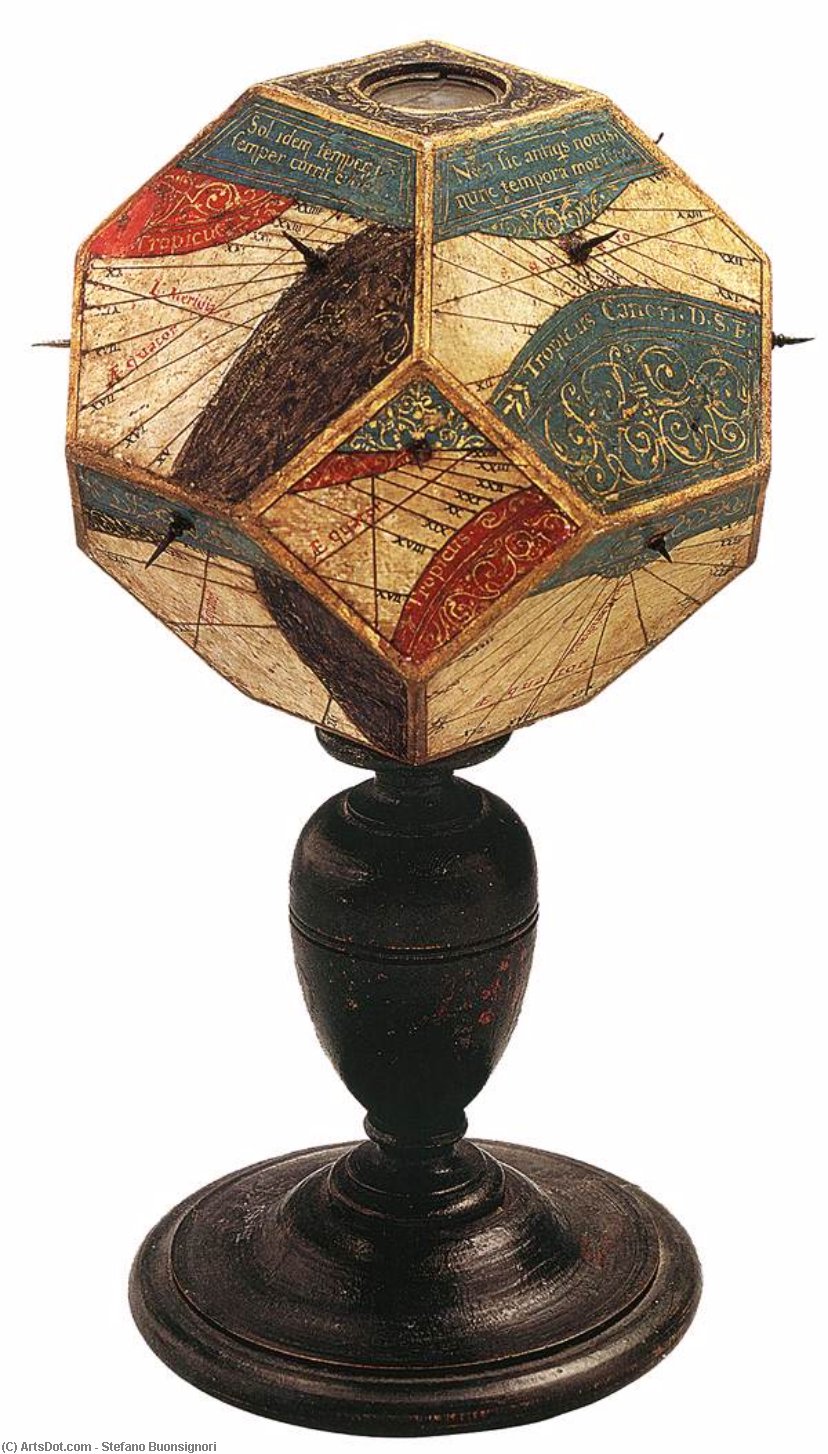
Sundial


 Прочетете повече
Ръчно изработена маслена репродукция
Ръчно рисувана маслена картина върху платно във вашия размер и рамка, изработена по поръчка от нашите художници. ( Купете принт Купете изображение)




































Изберете от предварително зададените размери, които съответстват на оригиналните пропорции на произведението.

Можете да въведете свои собствени размери, за да пасне на конкретна рамка или пространство. Ако избраният от вас размер не съответства на пропорциите на оригиналното изображение, ние ще изрежем произведението или ще удължим картината с допълнителни ръчно рисувани елементи. Дигитален макет ще бъде изпратен за ваше одобрение преди започване на производството.
Моля, обърнете внимание, че прегледът на екрана не отразява действителното изрязване или разширяване. Само макетът ще покаже точно финалния състав.
Въпреки че са налични персонализирани размери, препоръчваме да изберете размер от предварително дефинирания списък, за да запазите оригиналните пропорции.
След поръчка, екипът на OriginalUniqueArt.com ще изпрати имейл на клиента за инструкции и ще предостави преглед на макет.
Доставка по целия свят () в рамките на 3/4 седмици вместо стандартните 5 седмици. (17 Август). Без компромис с качеството.

Безплатна експресна доставка по целия свят

Висококачествено ленено платно

Пълно застраховане при доставка

Гаранция за възстановяване на митнически такси

Гаранция за цветова точност

60-Дневен период за връщане (Само при дефекти)

100% Гаранция за връщане на парите

Предложение за отстъпка при поръчка на едро
 Стъклото е налично само в размери под 110 см

Sundial
Репродукционен метод
Размер на репродукцията
-


Обща цена
$ 300
Биография на художника
Stefano Bonsignori: The Florentine Cartographer Who Shaped Renaissance Vision
Stefano Bonsignori (c. 1540 – September 21, 1589) remains a figure shrouded in scholarly mystery, yet his legacy endures as one of Florence’s most celebrated cartographers and artists during the High Renaissance. Born into a Florentine noble family, Bonsignori's life was largely devoted to monastic pursuits within the Olivetan Order, but it gained renown through his unparalleled contribution to visual representation of the city – specifically, the monumental Bonsignori Map of Florence, which stands as an emblem of humanist ambition and artistic innovation. This article delves into Bonsignori’s life, explores his groundbreaking mapmaking techniques, examines his artistic style, and assesses his enduring impact on Florentine culture and intellectual history.Early Life and Formation
Little biographical detail survives beyond confirmation that Bonsignori was born in Florence around 1540. He entered the Olivetan Order at Monte Oliveto Maggiore, a Benedictine monastery nestled in the Tuscan hills—a location that would profoundly influence his artistic sensibility and worldview. The contemplative life fostered an appreciation for precision, observation, and meticulous detail – qualities that would subsequently characterize Bonsignori’s cartographic endeavors. While scant documentation exists regarding his formative years, scholars believe he received a robust education emphasizing mathematics and geometry, disciplines crucial to the creation of accurate maps. His monastic upbringing instilled in him a deep reverence for natural beauty and fostered an intellectual curiosity that propelled him toward scientific pursuits.The Bonsignori Map: A Triumph of Innovation
Bonsignori’s fame rests principally upon his magnum opus – the Bonsignori Map of Florence, commissioned by Grand Duke Francesco I Medici between 1576 and 1584. Unlike previous Florentine maps that relied on inaccurate sketches and idealized representations, Bonsignori undertook a radical reimagining of how Florence could be depicted. He employed a technique known as “axonometry,” which combined perspective projection with stereographic projection—a method pioneered by Gerard Mercator—to achieve unprecedented accuracy. This innovative approach allowed him to represent the city’s topography in three dimensions, capturing not only its physical contours but also subtle variations in elevation and shading.- Detailed Survey: Bonsignori meticulously surveyed Florence using instruments like a solar quadrant and portable sundials—tools reflecting the humanist emphasis on empirical observation.
- Stereographic Projection: He skillfully utilized stereographic projection, developed by Mercator, to create a map that faithfully reproduced the city’s spatial relationships.
- Innovative Rendering: Bonsignori's masterful rendering of Florence incorporated shading and contour lines—techniques previously uncommon in Florentine cartography—to convey depth and realism.
Artistic Style and Influences
Beyond his cartographic prowess, Bonsignori possessed considerable talent as an artist—primarily engaged in painting frescoes for churches and private commissions. His style reflects the prevailing aesthetic sensibilities of the Florentine Renaissance, characterized by clarity, elegance, and a harmonious blend of observation and imagination. Like many artists of his time, Bonsignori drew inspiration from classical ideals of beauty and proportion, evident in his meticulous attention to detail and compositional balance. Notable Influences:- Gerard Mercator: Bonsignori’s adoption of stereographic projection demonstrates the profound impact of Mercator's groundbreaking cartographic innovations on Florentine art.
- Leonardo da Vinci: Bonsignori’s meticulous observation and anatomical precision—traits shared with Leonardo—suggested a broader engagement with humanist scholarship and scientific inquiry.
Legacy and Historical Significance
Stefano Bonsignori died in Florence in 1589, leaving behind an indelible mark on Florentine history and culture. The Bonsignori Map remains not merely a geographical record but also a symbol of humanist intellectual achievement—a testament to the transformative power of observation, innovation, and artistic excellence. It exemplifies the Renaissance ideal of “uomo universale,” or universal man—someone proficient in multiple disciplines who sought to comprehend the cosmos through both art and science. Bonsignori’s legacy continues to inspire scholars and artists alike, reminding us that beauty and knowledge are inseparable pursuits—a conviction perfectly encapsulated in his enduring masterpiece.
stefano buonsignori
1589 , Italy
Бързи факти
- Artistic Movement Or Style: Renaissance
- Artists Or Movements Influenced By This Artist: ['Francesco I']
- Artists Who Influenced This Artist: ['Ignazio Danti']
- Date Of Death: 1589
- Full Name: Stefano Bonsignori
- Nationality: Italian
- Notable Artworks: ['The Dalmatian shore']
- Place Of Birth: Florence

