

 Представи си го
 Изпрати
 Сподели
 Детайли

 Изтегляне
 Подобни
 Рентгенова снимка
 Слайдшоу
Lady Caroline Lamb (d.1828)
 Oil On Canvas
- WallArt
- Romanticism
 1827
1827- 19th Century
 55.0 x 47.0 cm
 Бристолски музей - художествена галерия
 Прочетете повече
Жикле / Художествен принт
Giclée печат или принт върху платно с музейно качество, бързо производство и гъвкави опции за завършен вид. ( Купете ръчно рисувана картина Купете изображение)




P118B $10

P118H $10

P118W $10

P438Z $10

P508JH $12

P508YH $12

P805H $10

P805Z $10

P919BZ $10

P919G $10

P919XJ $10

P959ZH $10

P968JZ $12

W106C $8

W218G $10

W218JH $8

W218Y $10

W307PJ $10

W316G $10

W316PJ $8

W316Y $10

W398PJ $8

W4111J $10

W500HY $15

W500JH $15

W692G $12

W849H $8

W940BG $15

W953PJ $8




Изберете от предварително зададените размери, които съответстват на оригиналните пропорции на произведението.

Можете да въведете собствени размери, за да паснат на конкретна рамка или пространство. Ако избраният от Вас размер не съвпада с пропорциите на оригиналното изображение, ние ще изрежем произведението или ще разширим изображението с огледален или едноцветен ръб. Дигитален макет ще бъде изпратен за Ваше одобрение преди започването на производството.
Моля, имайте предвид, че предпрегледът на екрана не отразява реалното изрязване или разширяване. Само макетът ще покаже точно финалната композиция.
Въпреки че са налични персонализирани размери, препоръчваме да изберете размер от предварително дефинирания списък, за да запазите оригиналните пропорции.
Доставка по целия свят () в рамките на 2 седмици вместо стандартните 4/5 седмици. (21 Август)

Безплатна експресна доставка по целия свят

Висококачествено ленено платно

Пълно застраховане при доставка

Гаранция за възстановяване на митнически такси

Гаранция за цветова точност

60-Дневен период за връщане (Само при дефекти)

100% Гаранция за връщане на парите

Предложение за отстъпка при поръчка на едро
 Стъклото е налично само в размери под 110 см

Lady Caroline Lamb (d.1828)
Жикле / Художествен принт
Размер на репродукцията
-


Обща цена
$ 80
Описание на колекционерския предмет
A Brushstroke of Regency Splendor: The Life and Art of Sir Thomas Lawrence
Sir Thomas Lawrence (1769–1830) stands as a monumental figure in British art history, revered for his unparalleled mastery of portraiture during the opulent Regency era. More than merely capturing likenesses, Lawrence’s canvases breathed life into aristocratic subjects, embodying the spirit of their times and cementing his legacy as one of the most influential painters of his generation. His distinctive style—characterized by luminous color palettes, meticulous detail, and a subtle psychological depth—continues to captivate audiences today. Lawrence's artistic journey began in Bristol, where he honed his skills sketching portraits for wealthy patrons before relocating to Bath and establishing himself as a celebrated artist amidst the fashionable social circles of the period. Unlike many of his contemporaries who favored academic conventions, Lawrence championed a humanist approach, prioritizing observation and capturing not just physical appearance but also inner character—a radical departure from prevailing artistic trends. This commitment to realism was underpinned by an exceptional understanding of anatomy and perspective, skills he cultivated independently through diligent study and experimentation. The painting “Lady Caroline Lamb” exemplifies Lawrence’s signature style perfectly. Executed in 1827, it portrays Lady Caroline Lamb, a celebrated novelist known for her passionate affair with Lord Byron, amidst the melancholic beauty of a cloudy sky. Lawrence skillfully employs chiaroscuro—the dramatic interplay of light and shadow—to sculpt Lamb's face and drapery, conveying both vulnerability and resilience. The muted tones of the background serve to heighten the luminosity of Lamb’s complexion, emphasizing her gaze as she confronts the viewer with an expression of quiet contemplation. Lawrence’s technique involved layering thin glazes of oil paint over a preparatory underpainting, achieving remarkable tonal gradations and capturing subtle nuances of texture. He meticulously studied Rembrandt's paintings, absorbing his mastery of light and shadow—a testament to Lawrence’s dedication to artistic excellence. The artist’s meticulous attention to detail extends beyond the portrait itself; he painstakingly rendered the folds of Lamb’s gown and the delicate sheen of her necklace, demonstrating an unwavering commitment to accuracy and realism. Beyond its aesthetic qualities, “Lady Caroline Lamb” speaks volumes about the social context of its creation. Lawrence's portraits were commissioned by prominent figures—members of the aristocracy, statesmen, and writers—reflecting the ambitions and anxieties of the Regency elite. The painting captures a moment of introspective reflection, hinting at the complexities of Lamb’s personal life and her tumultuous relationship with Byron. It serves as a poignant reminder of the era's fascination with psychological portraiture and its exploration of human emotion—a legacy that continues to inspire artists and scholars alike.- Artist: Sir Thomas Lawrence
- Born Year: 1769
- Death Year: 1830
- Birth City: Bristol
- Birth Country: United Kingdom
Additional Research:
Explore the life & art of Thomas Sully (1783-1872), a British-American portrait painter famed for his Romantic style. Discover portraits of Jefferson, Adams, Lafayette & 'Passage of the Delaware'.
Lady Caroline Lamb - Wikipedia: https://en.wikipedia.org/wiki/Lady_Caroline_Lamb
Thomas Lawrence: Portraiture, Power & Regency Society's Aesthetics:https://artuk.org/discover/artworks/lady-caroline-lamb-d-1828-188730
Samuel cousins after sir thomas lawrence:https://artuk.org/discover/artists/samuel-cousins-after-sir-thomas-lawrence
File:Portrait of Lady Caroline Lamb.jpg - Wikimedia Commons:https://commons.wikimedia.org/wiki/File:Portrait_of_Lady_Caroline_Lamb.jpg
Thomas Lawrence - Lady Caroline Lamb 1827 - WikiArt.org:https://www.wikiart.org/en/thomas-lawrence/lady-caroline-lamb-1827
Thomas Lawrence - Lady Caroline Lamb 1827 - Artera:https://www.artera.ae/artworks/a94361cf-80f1-42e4-8630-ac865e5553dd
Биография на художника
A Brushstroke of Regency Splendor: The Life and Art of Sir Thomas Lawrence
Sir Thomas Lawrence, a name synonymous with the elegance and sophistication of the Regency era, was more than just a portrait painter; he was a chronicler of his time. Born in Bristol in 1769 amidst the bustling port city’s vibrant atmosphere, his early life was marked by a nomadic existence, following his father's innkeeping ventures through Devizes and Bath. It was within these convivial settings – the Bear Hotel in Devizes and the various inns of Bath – that Lawrence first discovered his artistic talent, sketching remarkably accurate portraits for patrons, a skill he honed without formal instruction, fueled by innate ability and keen observation. Even at a young age, he demonstrated an entrepreneurial spirit, supporting his family with his pastel drawings while still a teenager in Bath, showcasing a remarkable independence and drive. This early experience shaped his career, fostering self-reliance and a dedication to his craft that would define his life’s work.Ascension to Portraiture's Pinnacle
The move to London at the tender age of eighteen marked a dramatic shift for Lawrence – an ascent into the heart of British society. He swiftly established himself as a portrait painter in oils, securing his first royal commission – a captivating portrait of Queen Charlotte in 1789 – which catapulted him to immediate fame and recognition. This wasn’t merely about technical skill; Lawrence possessed an extraordinary ability to capture not just likeness but also *character*, imbuing his subjects with a flattering yet insightful presence. He became renowned for his mastery of portraying the glamour, sophistication, and social dynamics of the Regency period, painting nobility, royalty, and prominent figures with a virtuoso handling of paint that drew comparisons to Sir Joshua Reynolds, whom he deeply admired. His election as an associate, then full member, of the Royal Academy in 1791 and 1794 respectively solidified his position within the established art world, cementing his status as one of Britain’s leading artists. Lawrence's style evolved subtly over time, always maintaining a commitment to grace, elegance, and meticulous detail – hallmarks that defined his enduring appeal.Patronage, Prestige, and the Waterloo Chamber
The patronage of the Prince Regent (later King George IV) proved pivotal in Lawrence’s career trajectory. This influential relationship led to one of his most ambitious and historically significant commissions: the creation of portraits for the Waterloo Chamber at Windsor Castle. This vast undertaking demanded not only technical brilliance but also a profound understanding of grand scale and historical narrative. Lawrence meticulously painted 24 full-length portraits of allied military leaders – figures instrumental in Napoleon’s defeat – capturing their gravitas, authority, and strategic importance. These monumental works were intended to commemorate the victory at Waterloo and served as a powerful symbol of British power and prestige. The project brought Lawrence widespread acclaim across Europe, solidifying his reputation as a master portraitist capable of handling complex historical themes with both artistry and sensitivity. In 1815, he was knighted in recognition of his service to the Crown, further elevating his status within British society.A Legacy Tempered by Complexity
Despite his considerable success and widespread acclaim, Lawrence’s life was not without its complexities and challenges. He struggled with persistent financial difficulties throughout much of his career, often burdened by debt despite earning substantial sums from his commissions. His personal life was marked by tumultuous relationships, most notably with Sally and Maria Siddons, daughters of the celebrated actress Sarah Siddons – connections that provided inspiration but also brought heartache and scandal. Furthermore, Lawrence’s sitters reflected the social realities of Regency England, including both slave owners and abolitionists, a poignant reminder of the moral ambiguities inherent in the era. His reputation experienced a decline during the Victorian period as tastes shifted towards more overtly didactic art forms, yet his legacy has since been partially restored, recognizing him as a significant figure in British artistic history – a master of portraiture who captured the spirit and essence of his time.Influences and Enduring Impact
Lawrence’s artistic development was profoundly shaped by Sir Joshua Reynolds, whose emphasis on capturing character and employing a fluid brushstroke resonated deeply with the young artist. He diligently studied Old Master drawings, particularly those by Michelangelo and Raphael, absorbing their anatomical precision and compositional skills. While rooted in tradition, Lawrence's work also reflected the emerging Romantic sensibilities of his time, embracing glamour, emotional intensity, and a heightened sense of drama. His influence can be seen in the works of later portrait painters who sought to emulate his style and capture the spirit of an era. Lawrence’s legacy endures as a testament to his talent, charm, and enduring contribution to the world of art – a captivating glimpse into the opulent and complex world of Regency England.
Томас Лоуренс
1769 - 1830 , Великобритания
Бързи факти
- Artistic Movement Or Style: Регентска портретура
- Artists Or Movements Influenced By This Artist: ['Романтизъм']
- Artists Who Influenced This Artist: ['Джошуа Рейнолдс']
- Date Of Birth: 13 април 1769
- Date Of Death: 7 януари 1830
- Full Name: Sir Thomas Lawrence
- Nationality: Британски
- Notable Artworks:
- Портрет на кралица Чарлътa
- Портрети за Уотерлу
- Place Of Birth: Бристол, Великобритания
Всички статии

Sir Thomas Lawrence: Portraiture, Power & Regency Society's Aesthetics
Explore the captivating world of Sir Thomas Lawrence, Regency England's premier portraitist. Discover his artistic techniques, powerful representations of society, and enduring legacy. Expert insights for discerning art collectors.
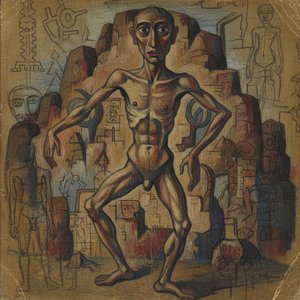
Henry Lamb: Reassessing Modern British Primitivism & the Poetics of Discomfort
Explore the compelling work of Henry Lamb, a key figure in British Primitivism. Discover his unsettling portraits, poignant war art & unique artistic vision. A deep dive into his life and legacy.

The Enduring Legacy of Oil on Canvas: Technique, History & Aesthetic Impact
Explore the rich history & techniques of oil painting – from Renaissance masters to Impressionism. Discover pigments, layering methods, and why this timeless medium endures. Expert insights for artists & art enthusiasts.

Oil on Canvas: A Historical & Technical Exploration of a Timeless Artistic Medium
Explore the rich history & enduring techniques of oil painting on canvas. Discover the science behind its longevity, conservation practices, and contemporary relevance. Expert insights for art enthusiasts.

The Enduring Power of Painting: A Historical & Contemporary Exploration of Form and Emotion
Explore the rich history & enduring techniques of oil painting with OriginalUniqueArt. Discover masterpieces, learn about art collecting, and find authentic handmade reproductions crafted by skilled artists.




