 Представи си го
 Изпрати
 Сподели
 Детайли

 Изтегляне
 Подобни
 Рентгенова снимка
 Слайдшоу
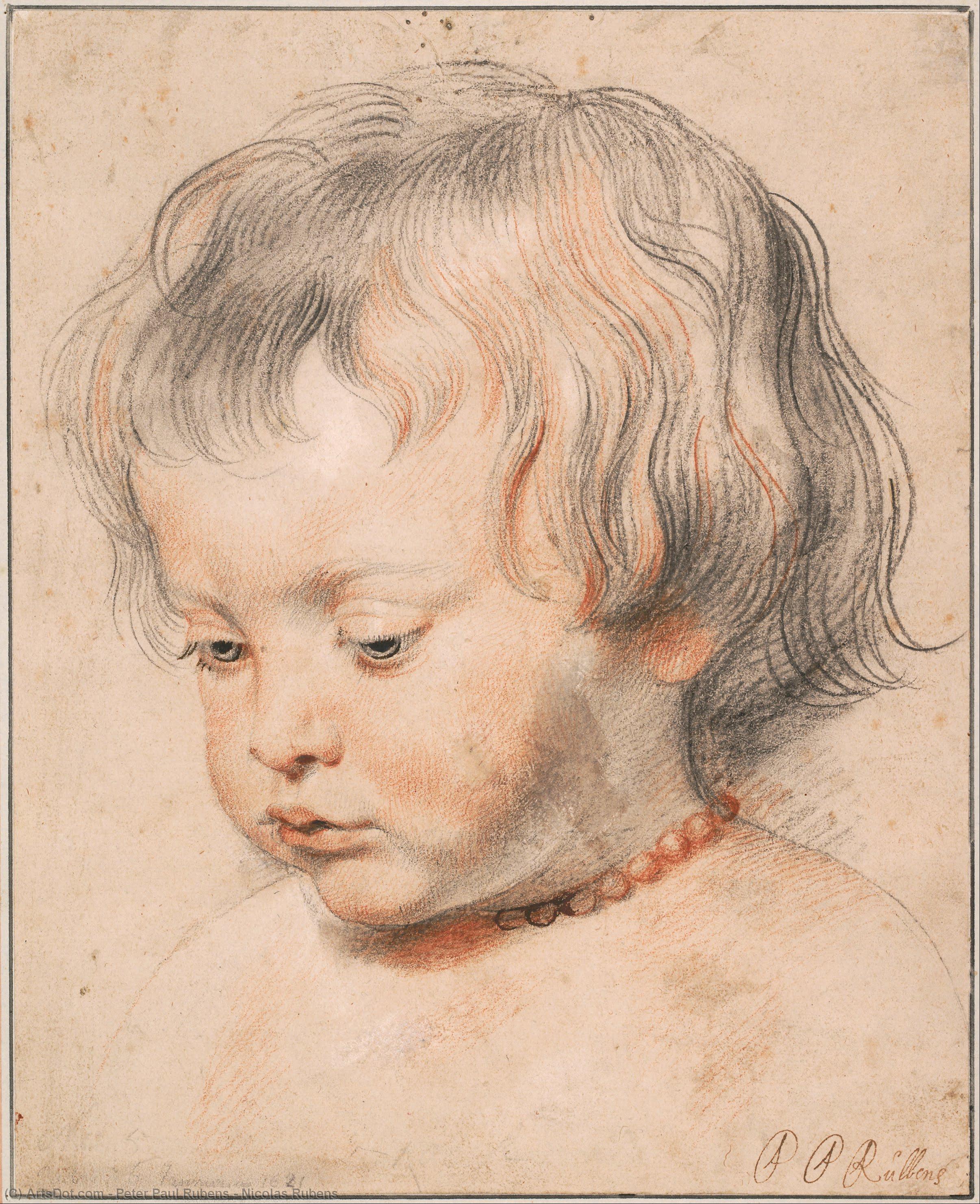
Nicolas Rubens
 Акрил върху платно
- Стени и декорация
- Baroque
 1619
1619- Ренесанс
 25.0 x 20.0 cm
 Прочетете повече
Жикле / Художествен принт
Giclée печат или принт върху платно с музейно качество, бързо производство и гъвкави опции за завършен вид. ( Купете ръчно рисувана картина Купете изображение)




P118B $10

P118H $10

P118W $10

P438Z $10

P508JH $12

P508YH $12

P805H $10

P805Z $10

P919BZ $10

P919G $10

P919XJ $10

P959ZH $10

P968JZ $12

W106C $8

W218G $10

W218JH $8

W218Y $10

W307PJ $10

W316G $10

W316PJ $8

W316Y $10

W398PJ $8

W4111J $10

W500HY $15

W500JH $15

W692G $12

W849H $8

W940BG $15

W953PJ $8




Изберете от предварително зададените размери, които съответстват на оригиналните пропорции на произведението.

Можете да въведете собствени размери, за да паснат на конкретна рамка или пространство. Ако избраният от Вас размер не съвпада с пропорциите на оригиналното изображение, ние ще изрежем произведението или ще разширим изображението с огледален или едноцветен ръб. Дигитален макет ще бъде изпратен за Ваше одобрение преди започването на производството.
Моля, имайте предвид, че предпрегледът на екрана не отразява реалното изрязване или разширяване. Само макетът ще покаже точно финалната композиция.
Въпреки че са налични персонализирани размери, препоръчваме да изберете размер от предварително дефинирания списък, за да запазите оригиналните пропорции.
Доставка по целия свят () в рамките на 2 седмици вместо стандартните 4/5 седмици. (18 Август)

Безплатна експресна доставка по целия свят

Висококачествено ленено платно

Пълно застраховане при доставка

Гаранция за възстановяване на митнически такси

Гаранция за цветова точност

60-Дневен период за връщане (Само при дефекти)

100% Гаранция за връщане на парите

Предложение за отстъпка при поръчка на едро
 Стъклото е налично само в размери под 110 см

Nicolas Rubens
Жикле / Художествен принт
Размер на репродукцията
-


Обща цена
$ 80
Описание на колекционерския предмет
Nicolas Rubens
The painting "Nicolas Rubens" by Peter Paul Rubens is a captivating example of Baroque portraiture, showcasing the artist’s mastery in capturing the essence of his subjects. Created in 1619, this chalk drawing measures 25 x 20 cm and is a testament to Rubens' skill in conveying emotion through subtle expressions.The Subject: Nicolas Rubens
Nicolas Rubens, the subject of the painting, was likely a young relative or family member of Peter Paul Rubens. The child’s serious expression and elegant attire suggest a sense of dignity and refinement, characteristic of Baroque portraiture. The pearl necklace around the child's neck adds an air of sophistication, highlighting the importance of detail in Rubens’ work.Artistic Style: Baroque
The painting is executed in the Baroque style, which emphasizes dramatic lighting, intense emotions, and highly realistic depictions. Rubens was a leading figure in this movement, known for his ability to infuse his subjects with life and energy. The use of chalk as the medium allows for delicate shading and texture, adding depth to the portrait. This technique—particularly Rubens’ masterful handling of tonal variations—creates an illusion of volume and realism that distinguishes Baroque art from its predecessors.Historical Context
During the 17th century, portraiture played a significant role in European art, particularly among the aristocracy. Paintings like "Nicolas Rubens" served not only as representations of individuals but also as symbols of status and wealth. The Kunstsammlungen Graf von Schönborn Pommersfelden, Germany, houses an extensive collection of Baroque art, including works by Peter Paul Rubens. These commissions reflected the patronage system prevalent at the time—rulers and wealthy families sought artists to commemorate their lineage and achievements.Relevance in Modern Art
The history of painting, as outlined on Kunstsammlungen Graf von Schönborn Pommersfelden, Germany demonstrates the continuous evolution of artistic styles and techniques. The Baroque period, with its emphasis on realism and emotion, laid the groundwork for subsequent art movements. Artists today often revisit Baroque principles—such as dramatic composition and expressive color—to achieve similar effects in contemporary works.Other Works by Peter Paul Rubens
Peter Paul Rubens was a prolific artist, creating numerous works that are now considered masterpieces of the Baroque era. Some notable paintings include:- Nicolaas Rubens Wearing a Coral Neckless
- Albert Rubens
- Nicolas Rubens
- Girl with Fan
Conclusion
“Nicolas Rubens” by Peter Paul Rubens is a remarkable example of Baroque portraiture, highlighting the artist’s ability to convey depth and emotion through subtle expressions. As part of the broader history of painting, this work demonstrates the enduring influence of Baroque art on subsequent artistic movements. For those interested in exploring more about the history of painting, visit Wikipedia's History of Painting for a comprehensive overview.Биография на художника
A Life Forged in Baroque Splendor
Sir Peter Paul Rubens, a name synonymous with the very essence of Baroque dynamism, was far more than simply a painter; he was a diplomat, a scholar, and a cultural architect who fundamentally reshaped the artistic landscape of 17th-century Europe. Born in Siegen, Germany, in 1577, his early life was marked by displacement—a formative experience that subtly permeated his later work with an undercurrent of drama and emotional depth. His father, Jan Rubens, a lawyer fleeing religious persecution for his Calvinist beliefs, uprooted the family from their native Antwerp, then under Spanish rule. This initial exile instilled in young Peter Paul a sense of resilience and adaptability, qualities that would serve him well throughout his multifaceted career. Following his father’s death in 1587, the family returned to Antwerp, where he received a humanist education before embarking on his artistic training around 1590, apprenticing under Tobias Verhaecht and Adam van Noort, honing foundational skills in drawing and painting techniques. However, it was his time with Otto van Veen that proved pivotal, exposing him to the rich legacy of Italian Renaissance art—a world he would soon embrace wholeheartedly.The Italian Awakening and Artistic Synthesis
In 1600, Rubens embarked on a transformative journey to Italy, a pilgrimage that irrevocably shaped his artistic vision. For eight years, he immersed himself in the masterpieces of Michelangelo, Raphael, and Titian, absorbing their mastery of form, color, and composition. The influence of these Renaissance giants is readily apparent in his early Italian works, characterized by classical themes and idealized figures. Yet, Rubens didn’t merely imitate; he synthesized these influences with his own innate talent, developing a distinctive style marked by vibrant hues, dynamic compositions, and a sensuous depiction of the human form. He studied anatomy meticulously, resulting in figures that possessed both physical realism and emotional power—robust bodies imbued with life and movement. This period wasn’t solely about artistic development; it was a profound intellectual awakening, fostering a deep appreciation for classical mythology and literature which would become recurring motifs throughout his oeuvre. Upon returning to Antwerp in 1608, Rubens swiftly established himself as the leading artist of his time, receiving a flood of commissions that testified to his burgeoning reputation and solidifying his position at the forefront of Flemish art.A Master of Many Forms: Painting Beyond Boundaries
Rubens’s artistic output was astonishingly diverse and prolific. He didn't confine himself to a single genre; instead, he excelled in history paintings, mythological scenes, portraits, landscapes, and religious works—a testament to his versatility and boundless creativity. His large-scale canvases, often intended for churches, palaces, and public spaces, were breathtaking displays of technical virtuosity and dramatic storytelling. The Descent from the Cross (c. 1616-1617) exemplifies his masterful use of light and shadow to create a scene of profound emotional intensity, drawing viewers into the heart of the narrative. The figures are not merely depicted; they are imbued with palpable grief and spiritual struggle. The Raising of the Cross (1610-1611), with its swirling figures and dynamic composition, showcases his ability to convey movement and energy—a hallmark of his Baroque style. Even in seemingly static subjects like The Judgement of Paris (c. 1636), Rubens infused a sense of life and vitality through his vibrant color palette and sensual depiction of the human form. His technique was equally remarkable – a masterful command of oil painting, employing impasto to create texture and depth, alongside delicate glazing techniques to achieve luminous effects. He frequently employed allegorical figures and symbolic imagery, layering narratives with complex meanings that invited contemplation and interpretation.Diplomacy, Legacy, and Enduring Influence
Rubens’s influence extended far beyond the realm of art. His diplomatic skills were highly sought after by the Southern Netherlands (modern-day Belgium), and he undertook numerous missions to England, France, and Spain, negotiating treaties and fostering political alliances—a unique dual role that afforded him a nuanced perspective on European affairs and further enhanced his reputation as a man of intellect and influence. In 1630, he married Hélène Fourment, who became both his muse and frequent subject in his paintings – her youthful beauty gracing many of his later works, embodying the sensuality and vitality that characterized his style. He continued to paint prolifically until his death in Antwerp in 1640, leaving behind a vast legacy that continues to inspire awe and admiration. His impact on subsequent generations of artists is immeasurable; painters like Anthony van Dyck, Jacob Jordaens, and Eugène Delacroix all drew inspiration from his dynamic compositions, vibrant colors, and sensuous figures. Rubens didn’t just define the Baroque style—he elevated painting to a new level of prestige and influence, solidifying Antwerp as a major center of artistic production during the 17th century. He remains, centuries later, a towering figure in the history of art, a testament to the power of human creativity and the enduring allure of Baroque splendor.Key Characteristics of Rubens’s Style
- Dynamic Composition: Rubens' paintings are known for their energetic and dramatic arrangements of figures.
- Vibrant Color Palette: He employed a rich, warm color scheme that brought his canvases to life.
- Sensuous Figures: His depictions of the human form were characterized by fullness, vitality, and often, overt sensuality.
- Masterful Use of Light and Shadow: Rubens skillfully manipulated light and shadow to create depth, drama, and emotional impact.
- Allegorical Symbolism: His works frequently incorporated allegorical figures and symbolic imagery, adding layers of meaning and complexity.

Рубенс
1577 - 1640 , Германия
Бързи факти
- Artistic Movement Or Style: Барокo
- Artists Or Movements Influenced By This Artist:
- Антони ван Дейк
- Якоб Йорданс
- Artists Who Influenced This Artist:
- Микеланджело
- Рафаел
- Тициан
- Date Of Birth: 1577
- Date Of Death: 1640
- Full Name: Sir Peter Paul Rubens
- Nationality: Фламандски
- Notable Artworks:
- Слизане от кръста
- Вдигане на кръста
- Портрет на Изабелла Брант
- Place Of Birth: Siegen, Германия
Всички статии

Топ 25 шедьовъра на Пол Клее: Изкуство за вашия дом от OriginalUniqueArt.com
Разгледайте топ 25 шедьовъра на Пол Клее – абстрактни картини, изпълнени с експресионизъм и кубистични форми. Вдъхновете се за вашия интериор с OriginalUniqueArt.com! Открийте всички произведения онлайн.

Peter Paul Rubens: A Baroque Master's Life, Legacy & Enduring Influence
Discover the life & art of Peter Paul Rubens, the most influential artist of the Flemish Baroque tradition. Explore his masterpieces, legacy, and impact on art history with OriginalUniqueArt.

Топ 25 шедьовъра на Пол Сезан: Открийте вечния гений в изкуството и декора
Открийте 25 шедьовъра на Пол Сезан – импресионизъм, постимпресионизъм и революционен стил! Разгледайте историите зад картините, техниките и вдъхновението. Купете висококачествени репродукции за вашия дом на OriginalUniqueArt.com.
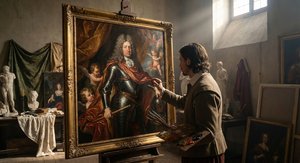
The Grandeur of Baroque Portraiture: Power, Emotion & Artistic Innovation
Explore the grandeur of Baroque portraiture! Discover Rubens, Van Dyck & the masters of 17th-century art. Uncover symbolism, techniques & lasting influence. Expert insights for collectors and enthusiasts.

Топ 10 шедьоври на Барока: История, артисти и великолепие за вашия дом
Разгледайте 10 шедьовъра на Барока от Караваджо, Рембрандт и Рубенс! Открийте историите зад тези емблематични картини и скулптури. Вдъхновете се за вашия интериор с OriginalUniqueArt.com – луксозни репродукции и изкуство за дома.