Представи си го
 Изпрати
 Сподели
 Детайли

 Изтегляне
 Подобни
 Рентгенова снимка
 Слайдшоу
 Статистика
James Coutts


 Прочетете повече
Жикле / Художествен принт
Giclée печат или принт върху платно с музейно качество, бързо производство и гъвкави опции за завършен вид. ( Купете ръчно рисувана картина Превключване към дигитално изображение)




P118B $10

P118H $10

P118W $10

P438Z $10

P508JH $12

P508YH $12

P805H $10

P805Z $10

P919BZ $10

P919G $10

P919XJ $10

P959ZH $10

P968JZ $12

W106C $8

W218G $10

W218JH $8

W218Y $10

W307PJ $10

W316G $10

W316PJ $8

W316Y $10

W398PJ $8

W4111J $10

W500HY $15

W500JH $15

W692G $12

W849H $8

W940BG $15

W953PJ $8




Изберете от предварително зададените размери, които съответстват на оригиналните пропорции на произведението.

Можете да въведете собствени размери, за да паснат на конкретна рамка или пространство. Ако избраният от Вас размер не съвпада с пропорциите на оригиналното изображение, ние ще изрежем произведението или ще разширим изображението с огледален или едноцветен ръб. Дигитален макет ще бъде изпратен за Ваше одобрение преди започването на производството.
Моля, имайте предвид, че предпрегледът на екрана не отразява реалното изрязване или разширяване. Само макетът ще покаже точно финалната композиция.
Въпреки че са налични персонализирани размери, препоръчваме да изберете размер от предварително дефинирания списък, за да запазите оригиналните пропорции.
Доставка по целия свят () в рамките на 2 седмици вместо стандартните 4/5 седмици. (12 Септември)

Безплатна експресна доставка по целия свят

Висококачествено ленено платно

Пълно застраховане при доставка

Гаранция за възстановяване на митнически такси

Гаранция за цветова точност

Политика за връщане в рамките на 100 дни (само при дефекти)

100% Гаранция за връщане на парите

Предложение за отстъпка при поръчка на едро
 Стъклото е налично само в размери под 110 см

James Coutts
Жикле / Художествен принт
Размер на репродукцията
-


Обща цена
$ 80
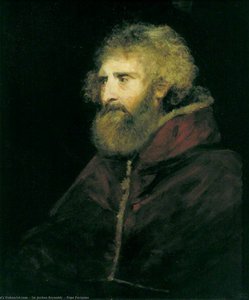
A Window into the Enlightenment Soul
In the quiet corridors of the Scottish National Gallery, there exists a portrait that does far more than merely record a face; it captures a moment of profound psychological depth. Sir Joshua Reynolds’ 1773 masterpiece, James Coutts, serves as an intimate gateway into the spirit of Enlightenment Britain. To gaze upon this oil on panel is to encounter a man caught in a state of quiet contemplation, perhaps even a flicker of inner distress. The subject, draped in a striking red shirt, appears momentarily withdrawn from the external world, his closed eyes inviting the viewer to wonder about the weight of the thoughts passing through his mind. It is this very vulnerability that elevates the work from a standard aristocratic commission to a hauntingly beautiful study of human emotion.
Reynolds, a titan of the eighteenth-century art world and the first president of the Royal Academy, possessed an unparalleled ability to weave the grandeur of classical tradition with the raw textures of reality. In James Coutts, we see the culmination of his "Grand Style"—a method that sought to imbue portraiture with the dignity of the Old Masters. While he drew inspiration from the anatomical precision of Michelangelo and the grace of Raphael, Reynolds was never a mere imitator. He infused his work with a dynamic physicality that makes the sitter feel vibrantly alive, even in his stillness.
The Mastery of Light and Texture
For the discerning collector or interior designer, the true allure of this piece lies in its exquisite technical execution. Reynolds was a pioneer in his use of impasto, the technique of applying paint in thick, palpable layers. This creates a surface that is not merely seen but felt; the light catches the ridges of the pigment, casting micro-shadows that dance across the canvas as one moves around it. In James Coutts, this texture is used to masterful effect, particularly in the way the light plays against the fabric of the red shirt and the subtle contours of the skin.
This tactile approach serves a deeper symbolic purpose. The interplay of light and shadow—the chiaroscuro—does not just define form; it mirrors the sitter’s internal landscape. The heavy, textured strokes lend an expressive quality to the work, suggesting that the subject's inner turmoil or peaceful reflection has a physical presence. For those looking to integrate such a piece into a curated space, the painting offers a sophisticated focal point that commands attention through its depth and complexity rather than through mere brightness.
A Timeless Addition to the Modern Collection
Beyond its historical significance, James Coutts possesses an enduring emotional resonance that transcends the era of its creation. It is a work that speaks to the universal human experience of introspection and the search for meaning amidst the chaos of life. This makes it an exceptional choice for high-quality reproductions intended for spaces that value intellectual depth and classical elegance.
Whether placed in a sunlit study, a formal library, or a contemporary living space, a reproduction of this Reynolds masterpiece brings with it a sense of historical gravity and artistic prestige. It offers more than just decoration; it provides a conversation piece that invites guests to pause, reflect, and engage with the profound beauty of the Enlightenment era. To own such a work is to hold a fragment of history, a testament to an age where art sought to bridge the gap between the physical world and the infinite reaches of the human spirit.
Биография на художника
A Luminary of the Enlightenment: The Life and Art of Sir Joshua Reynolds
Sir Joshua Reynolds, born in 1723 in the charming Devonshire town of Plympton, stands as a towering figure in the annals of British art. His life coincided with a period of profound cultural transformation – the Age of Enlightenment – and his artistic journey profoundly shaped the course of portraiture in England. Initially guided by his father, a respected clergyman, Reynolds’s early education fostered a love for learning and intellectual pursuits. However, an innate passion for art soon eclipsed these scholarly inclinations, leading him to an apprenticeship with Thomas Hudson in London at the tender age of seventeen. This formative experience provided him with a solid foundation in portraiture, a genre that would ultimately define his illustrious career and establish him as the foremost painter of his time. Hudson’s studio was more than just a workspace; it was a vibrant hub of fashionable society, exposing Reynolds to the intricate demands and expectations of aristocratic patrons – an environment that profoundly influenced both his technique and his understanding of the social landscape he so skillfully depicted. It wasn't merely about capturing likeness; it was about crafting an image that reflected status, taste, and aspiration, a subtle yet powerful form of communication within the elite circles of 18th-century England.Forging a ‘Grand Style’ for British Portraiture
Reynolds didn’t simply replicate the techniques he learned from Hudson. He embarked on a deliberate artistic exploration, deeply inspired by the masterpieces of the Old Masters – particularly Raphael, Michelangelo, and Titian. A pivotal moment in his development arrived with his sojourn to Rome in 1750. There, immersed in the heart of classical art, he absorbed the principles of the ‘Grand Style’ – an approach that prioritized idealized beauty, dramatic composition, and often incorporated historical or mythological allusions into his work. This wasn't a mere imitation; it was a conscious effort to elevate British portraiture beyond its traditional, anecdotal style, injecting it with a sense of dignity, intellectual weight, and a connection to the enduring values of antiquity. Reynolds believed that portraits should transcend simple representations of physical appearance, instead revealing the sitter’s character, social standing, and inner life. This ambitious vision led him to experiment with incorporating elements of history painting into his work – depicting his subjects in elaborate costumes, within grand settings reminiscent of classical narratives or historical events. He wasn't simply painting *people*; he was crafting enduring images that spoke to the ideals of power, intellect, and refinement—a deliberate attempt to establish a new standard for British art.The First President and Champion of the Royal Academy
Reynolds’s influence extended far beyond his own canvas. Recognizing the need for a dedicated institution to foster artistic talent and promote national identity, he played a crucial role in the establishment of the Royal Academy of Arts in 1768. He was unanimously elected its first president – a position he held with unwavering dedication until his death in 1792. This marked a watershed moment for British art, transforming it from a largely unregulated and competitive field into a structured environment supported by patronage and scholarly discourse. Reynolds tirelessly championed the importance of art education, advocating for the recognition of artists as professionals deserving of respect and financial support. His annual Discourses – lectures delivered to Academy students – became seminal texts on artistic theory and practice, outlining his vision for a distinctly British school of painting. He stressed the vital importance of studying nature meticulously, mastering technical skill with unwavering discipline, and cultivating an imaginative spirit—urging artists to strive for originality while remaining firmly rooted in tradition. Reynolds’s leadership fundamentally reshaped the landscape of British art, elevating its status within society and laying the groundwork for future generations of artistic innovation.Capturing an Era: Notable Works and Enduring Legacy
Reynolds' prolific output encompassed a vast array of portraits, each reflecting his exceptional skill and insightful understanding of human character. He painted portraits of some of the most prominent figures of 18th-century Britain – members of the aristocracy, literary luminaries, military heroes, and even children. His portrait of Duke of Devonshire, for example, exudes an air of aristocratic power and sophistication, while his depiction of Peter Darnell Muilman, Charles Crokatt and William Keable in a Landscape showcases his remarkable ability to seamlessly integrate figures into natural settings—a testament to his mastery of composition. Mr and Mrs William Lindow is another compelling example of his skill in capturing the intimacy and social dynamics of family life. Beyond individual portraits, Reynolds excelled at group compositions, skillfully arranging multiple figures within a single frame to create dynamic and engaging narratives that captured the spirit of an era. His works weren’t merely technical exercises; they were carefully constructed stories—expressions of power, wealth, and social standing, reflecting the values and aspirations of his time. Reynolds' impact on British art is immeasurable. He not only established portraiture as a respected genre but also profoundly shaped the cultural identity of a nation undergoing rapid social and political change. His emphasis on the ‘Grand Style’ inspired generations of artists, while his leadership of the Royal Academy laid the foundation for the development of a thriving artistic community. Today, his paintings continue to captivate audiences with their elegance, psychological depth, and historical significance—a testament to the enduring power of his vision and artistry. His works are proudly displayed in prestigious collections worldwide, including the Tate Britain in London and the Royal Collection at Hampton Court Palace, ensuring that his legacy will continue to inspire and inform for centuries to come.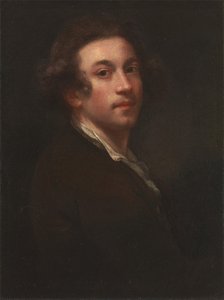
Сър Джошуа Рейнолдс
1723 - 1792 , Великобритания
Бързи факти
- Artistic Movement Or Style: Гранд стил портрети
- Artists Or Movements Influenced By This Artist: ['Томас Гейнсбъри']
- Artists Who Influenced This Artist: ['Томас Хъдсън']
- Date Of Birth: 1723
- Date Of Death: 1792
- Full Name: Sir Joshua Reynolds
- Nationality: Британски
- Notable Artworks:
- Портрет на лорд Девоншир
- Портрет на Уилям Линдов
- Place Of Birth: Плимут, Великобритания
Всички статии
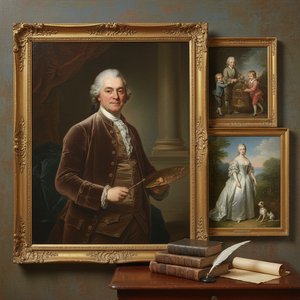
Sir Joshua Reynolds: Shaping British Art Through Grand Style & Societal Portraiture
Explore the life & work of Sir Joshua Reynolds, a master of British portraiture and founder of the Royal Academy. Discover his 'Grand Style,' techniques, and lasting influence on art history. Learn more at OriginalUniqueArt.
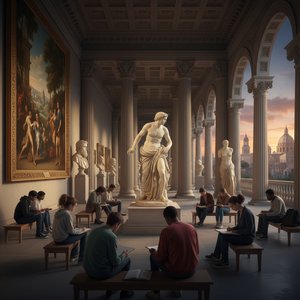
The Enduring Legacy of Classicism: Principles, Evolution & Influence in Western Art
Explore the enduring legacy of Classicism in Western art! Discover its historical context, key principles, iconic masterpieces & lasting influence. Learn about Renaissance and Neoclassical movements with OriginalUniqueArt.
Топ 10 шедьоври на Неокласицизма: Изкуство за вашия дом от OriginalUniqueArt.com
Разгледайте 10 шедьовъра на Неокласицизма с Давид, Енгр и Канова! Открийте историите зад класическите картини и скулптури. Вдъхновете се за интериорния дизайн с OriginalUniqueArt.com – репродукции с музейно качество.
Топ 25 шедьовъра на сър Джошуа Рейнолдс: Портрети, история и изкуство за вашия дом
Разгледайте топ 25 шедьовъра на сър Джошуа Рейнолдс – английски портрети, рококо и неокласицизъм. Историята зад всяка картина, техниките и емоциите. Купете висококачествени репродукции за вашия дом на OriginalUniqueArt.com!
Illuminating the Enlightenment: Art & Sociopolitical Context of the 18th Century
Explore the art of the Enlightenment! Discover Rococo's elegance, Neoclassicism’s virtue, & David’s revolutionary masterpieces. Uncover the sociopolitical context shaping 18th-century European painting.