
 Представи си го
 Изпрати
 Сподели
 Детайли

 Изтегляне
 Подобни
 Рентгенова снимка
 Слайдшоу
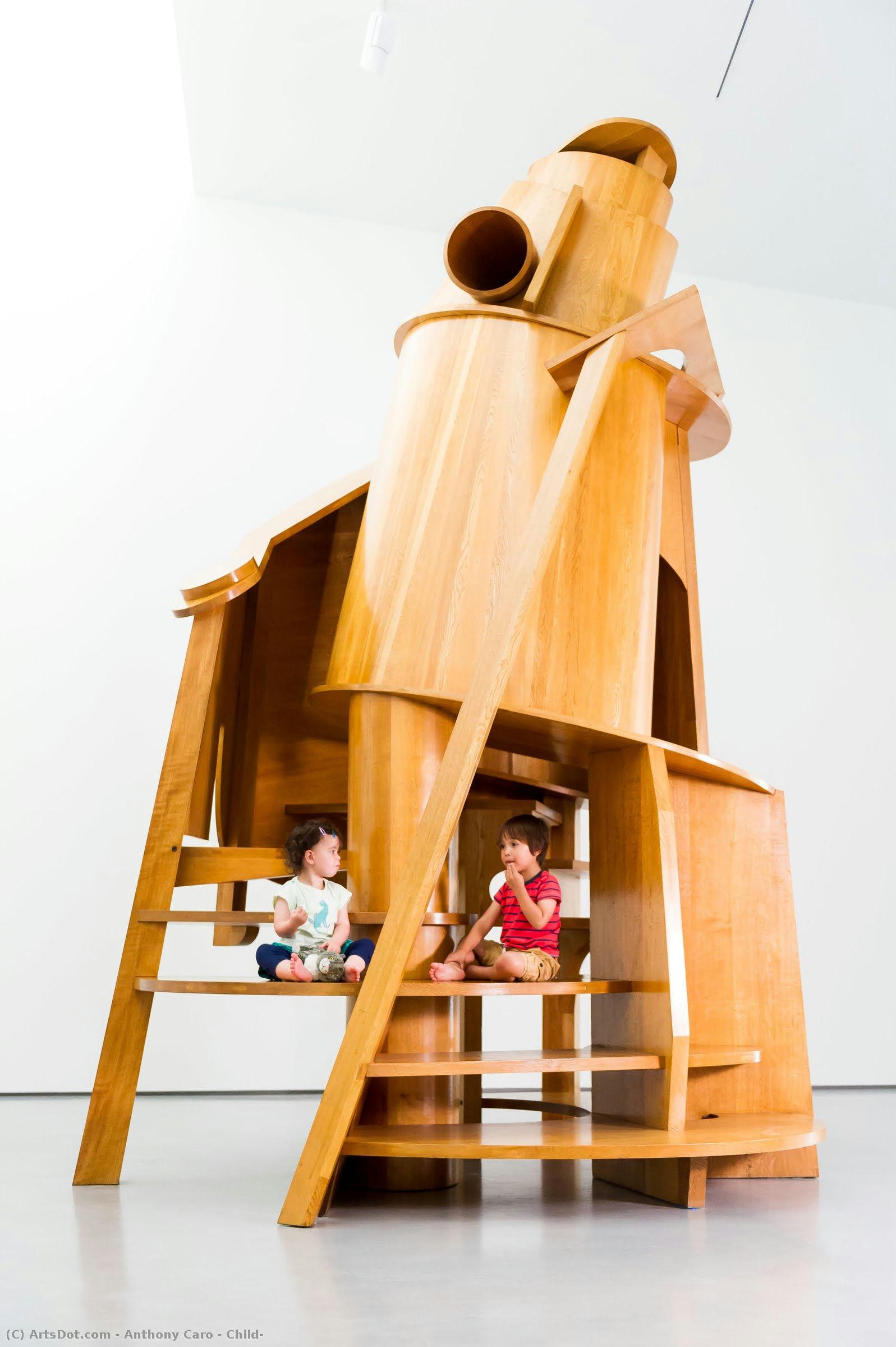
Child
 Contemporary Sculpture
 274.0 x 381.0 cm
 The Hepworth Wakefield
 Прочетете повече
Ръчно изработена маслена репродукция
Ръчно рисувана маслена картина върху платно във вашия размер и рамка, изработена по поръчка от нашите художници. ( Купете принт Купете изображение)




P118B $10

P118H $10

P118W $10

P438Z $10

P508JH $12

P508YH $12

P805H $10

P805Z $10

P919BZ $10

P919G $10

P919XJ $10

P959ZH $10

P968JZ $12

W106C $8

W218G $10

W218JH $8

W218Y $10

W307PJ $10

W316G $10

W316PJ $8

W316Y $10

W398PJ $8

W4111J $10

W500HY $15

W500JH $15

W692G $12

W849H $8

W940BG $15

W953PJ $8




Изберете от предварително зададените размери, които съответстват на оригиналните пропорции на произведението.

Можете да въведете свои собствени размери, за да пасне на конкретна рамка или пространство. Ако избраният от вас размер не съответства на пропорциите на оригиналното изображение, ние ще изрежем произведението или ще удължим картината с допълнителни ръчно рисувани елементи. Дигитален макет ще бъде изпратен за ваше одобрение преди започване на производството.
Моля, обърнете внимание, че прегледът на екрана не отразява действителното изрязване или разширяване. Само макетът ще покаже точно финалния състав.
Въпреки че са налични персонализирани размери, препоръчваме да изберете размер от предварително дефинирания списък, за да запазите оригиналните пропорции.
След поръчка, екипът на OriginalUniqueArt.com ще изпрати имейл на клиента за инструкции и ще предостави преглед на макет.
Доставка по целия свят () в рамките на 3/4 седмици вместо стандартните 5 седмици. (20 Август). Без компромис с качеството.

Безплатна експресна доставка по целия свят

Висококачествено ленено платно

Пълно застраховане при доставка

Гаранция за възстановяване на митнически такси

Гаранция за цветова точност

60-Дневен период за връщане (Само при дефекти)

100% Гаранция за връщане на парите

Предложение за отстъпка при поръчка на едро
 Стъклото е налично само в размери под 110 см

Child
Репродукционен метод
Размер на репродукцията
-


Обща цена
$ 325
Описание на произведението
A Monumental Embrace: Exploring ‘Child’ by Sir Anthony Caro
Sir Anthony Caro's “Child,” a monumental wooden sculpture measuring an impressive 274 x 381 cm, stands as a powerful meditation on childhood, architecture, and the very essence of human experience. Created in 1960, this work transcends mere representation, offering instead a deeply felt evocation of play, wonder, and the enduring spirit of youth. Situated within the starkly modern setting of a gallery space dominated by polished concrete floors – a deliberate contrast that amplifies the sculpture’s inherent drama – “Child” immediately commands attention with its scale and intricate construction.
The sculpture itself is a masterful assemblage of warm-toned wood, meticulously layered and geometrically arranged to create a towering vertical form. Two diminutive figures are nestled within this expansive structure, suggesting an intimate space for imaginative play. The deliberate use of interlocking platforms, ramps, and enclosed areas invites interaction, prompting viewers to consider the sculpture as more than just an object – it’s a constructed environment designed to be explored and inhabited. Caro's genius lies in his ability to transform industrial materials into objects of profound beauty and emotional resonance; here, he employs wood, a material traditionally associated with domesticity and nurturing, to create something both monumental and profoundly human.
The Seeds of Abstraction: Influences and Artistic Evolution
Caro’s journey as an artist was marked by a radical transformation in his approach. Initially influenced by the pioneering work of Henry Moore – particularly Moore's exploration of organic forms and psychological depth – Caro embarked on a path that ultimately led him away from figurative representation. A pivotal moment arrived in 1959 with a scholarship to the United States, an experience that fundamentally reshaped his artistic vision. Immersed in the vibrant energy of American Abstract Expressionism, he encountered artists like David Smith, whose dynamic sculptures utilizing industrial materials ignited a revolutionary shift within Caro’s own practice.
Smith's emphasis on embracing the inherent qualities of raw materials – steel, welding techniques, and the juxtaposition of geometric forms – profoundly impacted Caro. He began to dismantle his earlier focus on detailed human figures, instead prioritizing the exploration of form, space, and material itself. This move away from traditional representation was not a rejection of art but rather an evolution towards a more direct and visceral expression of ideas.
A Dialogue Between Scale and Intimacy
The sheer scale of “Child” is immediately arresting, creating a sense of both awe and vulnerability. The towering vertical form dwarfs the two small figures nestled within its structure, highlighting the contrast between the monumental and the intimate. This deliberate juxtaposition speaks to the inherent tension between childhood dreams and adult realities – the boundless possibilities of imagination versus the constraints of experience. The sculpture’s placement within a minimalist gallery space further emphasizes this dynamic, creating a visual dialogue between the organic forms of Caro's creation and the stark geometry of its surroundings.
Furthermore, the open-ended nature of the structure encourages interaction. Viewers are invited to approach the sculpture from all angles, stepping into the enclosed spaces and experiencing it as a living, breathing environment. This participatory element transforms “Child” from a static object into a dynamic space for contemplation and imaginative play – a testament to Caro’s belief that art should engage with its audience on a deeply emotional level.
Symbolism and Emotional Resonance
Beyond its formal qualities, “Child” is rich in symbolic meaning. The sculpture can be interpreted as an exploration of the human condition, capturing the essence of childhood innocence, curiosity, and wonder. The enclosed spaces evoke a sense of security and refuge, while the towering form suggests both protection and aspiration. Caro’s masterful use of wood – a material associated with warmth, nurturing, and domesticity – further reinforces this emotional resonance.
Ultimately, “Child” is not simply a depiction of children playing; it's an embodiment of the spirit of childhood itself—a celebration of imagination, exploration, and the enduring power of human connection. It’s a work that invites viewers to reconnect with their own inner child, prompting reflection on the joys and challenges of growing up and the importance of preserving the wonder and innocence of youth.
Биография на художника
Sir Anthony Caro: A Pioneer of Modern Sculpture
Early Life and Education
- Born: March 8, 1924, in New Malden, Surrey, England.
- Family Background: Caro was the youngest of three children to a Jewish family.
- Education: He attended Charterhouse School, where he was introduced to sculpture through his housemaster and Charles Wheeler. Further studies included Farnham School of Art, Christ's College Cambridge (Engineering degree), Regent Street Polytechnic, and the Royal Academy Schools (1947-1952).
Artistic Development and Influences
- Early Influences: Initially influenced by Henry Moore, with whom he worked as a studio assistant from 1951-1953. This early association instilled in him an appreciation for modernist sculpture.
- Turning Point: A 1959 Ford Foundation scholarship led to a transformative trip to the United States, where he encountered American Abstract Expressionism and met key figures like Clement Greenberg, Kenneth Noland, and David Smith. The work of David Smith was particularly influential.
- Shift in Style: Inspired by his experiences in America, Caro abandoned figurative sculpture and began creating abstract assemblages using welded steel and found industrial objects.
Key Characteristics and Style
- Assemblage & Materials: Caro is renowned for his innovative use of materials – often ‘found’ or industrial components like I-beams, steel plates, and mesh.
- Removing the Plinth: A defining characteristic of his work is removing sculptures from their traditional plinths, allowing viewers to engage with them directly on the floor and experience them in a more immersive way. This challenged conventional sculptural presentation.
- Abstract Forms & Spatial Exploration: His sculptures are characterized by dynamic abstract forms that explore spatial relationships and create a sense of openness and movement.
Notable Works and Exhibitions
- Twenty Four Hours (1960): An early example of his abstract steel sculptures, now in the Tate Britain collection.
- Leaf Pool (1967): Showcased at Paintings in Hospitals, demonstrating his unique style and approach to form.
- After Olympia (1982-87): A large-scale narrative work inspired by the Temple of Zeus at Olympia, showcasing his ability to create monumental pieces with complex narratives.
- Exhibitions: Caro exhibited extensively internationally, including solo shows in Milan and New York, and participated in major group exhibitions.
Awards and Legacy
- Order of the British Empire (CBE): Awarded for his services to art.
- Triangle Arts Trust: Co-founded the Triangle Arts Trust in 1982, providing a space for artists to collaborate and experiment.
- Historical Significance: Caro is considered one of the most important British sculptors of his generation. His work revolutionized sculpture by challenging traditional conventions and exploring new materials and forms. He profoundly influenced subsequent generations of sculptors and continues to inspire artists today.
Artistic Movements
- Modernism: A core influence, breaking from traditional artistic norms.
- Abstract Expressionism: Impacted his shift towards abstraction and emphasis on form and material.
- Neoclassicism: Later work showed influences of classical Greek and Roman styles, particularly in narrative pieces like 'After Olympia'.

sir anthony alfred caro
1924 - 2013 , United Kingdom
Бързи факти
- Birth Date: 1924-03-08
- Birth Place: New Malden, United Kingdom
- Death Date: 2013-10-23
- Influenced By:
- Henry Moore
- Charles Wheeler
- David Smith
- Movement:
- Modernism
- Abstract Expressionism
- Neoclassicism
- Name: Sir Anthony Alfred Caro
- Nationality: British
- Notable Works:
- Leaf Pool
- After Olympia
- Twenty Four Hours
Всички статии

Топ 10 Бронзови Скулптури, Променили Изкуството завинаги | OriginalUniqueArt.bg
Разгледайте топ 10 легендарни бронзови скулптури, променили изкуството! От Роден до Микеланджело – истории на гении и вечни шедьоври. Вдъхновете се за вашия дом с OriginalUniqueArt.bg. Разгледайте пълната колекция онлайн!

Contemporary Abstract Painting: A Professional Buyer's Guide to Modern Textures and Large-Scale Styles for Hospitality Interiors
A professional procurement guide for hotel designers and architects. Discover how to integrate large-scale contemporary abstract paintings, from geometric precision to textured impasto, into hospitality projects with custom sizing, multi-panel layouts, and reliable global logistics.

Sculpture Essentials: A Professional Guide to Materials, Techniques, and 3D Art for Large-Scale Interior Projects
A professional procurement guide for hotel designers on selecting sculpture materials and techniques. Master the integration of 3D art into hospitality spaces with expert insights on durability, scale, and large-scale project sourcing.

Contemporary Abstract Art: A Professional Buyer's Guide to Large-Scale Modern Decor for Hospitality and Corporate Interiors
A professional procurement guide for hotel designers and architects. Discover how to integrate large-scale contemporary abstract art into hospitality projects through high-volume, custom-sized oil reproductions, multi-panel layouts, and reliable global logistics.

The Enduring Form: Exploring Themes & Techniques in Sculpture Across Historical Periods
Explore the rich history of sculpture from ancient masterpieces to contemporary innovations. Discover key techniques, influential artists & investment potential for discerning art collectors.

