

 Представи си го
 Изпрати
 Сподели
 Детайли

 Изтегляне
 Подобни
 Рентгенова снимка
 Слайдшоу
Вид на църковен двор край морето, близо до Караре


 Прочетете повече
Ръчно изработена маслена репродукция
Ръчно рисувана маслена картина върху платно във вашия размер и рамка, изработена по поръчка от нашите художници. ( Купете принт Купете изображение)




P118B $10

P118H $10

P118W $10

P438Z $10

P508JH $12

P508YH $12

P805H $10

P805Z $10

P919BZ $10

P919G $10

P919XJ $10

P959ZH $10

P968JZ $12

W106C $8

W218G $10

W218JH $8

W218Y $10

W307PJ $10

W316G $10

W316PJ $8

W316Y $10

W398PJ $8

W4111J $10

W500HY $15

W500JH $15

W692G $12

W849H $8

W940BG $15

W953PJ $8




Изберете от предварително зададените размери, които съответстват на оригиналните пропорции на произведението.

Можете да въведете свои собствени размери, за да пасне на конкретна рамка или пространство. Ако избраният от вас размер не съответства на пропорциите на оригиналното изображение, ние ще изрежем произведението или ще удължим картината с допълнителни ръчно рисувани елементи. Дигитален макет ще бъде изпратен за ваше одобрение преди започване на производството.
Моля, обърнете внимание, че прегледът на екрана не отразява действителното изрязване или разширяване. Само макетът ще покаже точно финалния състав.
Въпреки че са налични персонализирани размери, препоръчваме да изберете размер от предварително дефинирания списък, за да запазите оригиналните пропорции.
След поръчка, екипът на OriginalUniqueArt.com ще изпрати имейл на клиента за инструкции и ще предостави преглед на макет.
Доставка по целия свят () в рамките на 3/4 седмици вместо стандартните 5 седмици. (26 Август). Без компромис с качеството.

Безплатна експресна доставка по целия свят

Висококачествено ленено платно

Пълно застраховане при доставка

Гаранция за възстановяване на митнически такси

Гаранция за цветова точност

60-Дневен период за връщане (Само при дефекти)

100% Гаранция за връщане на парите

Предложение за отстъпка при поръчка на едро
 Стъклото е налично само в размери под 110 см

Вид на църковен двор край морето, близо до Караре
Репродукционен метод
Размер на репродукцията
-


Обща цена
$ 300
Описание на произведението
Възход към Светлината и Спокойствието: Анализ на Картината „Вид на Клоитре Срещу Бръчките На Средиземноморието, Близко До Караре“ от Август Де Форбин
Картината „Вид на Клоитре Срещу Бръчките На Средиземноморието, Близко До Караре“ от френския художник Август Де Форбин е изключително красива и интригуваща творба, която предава атмосфера на спокойствие и хармония. Създадена през второто четвърт на XIX век (1830 г.), тази картина е част от колекцията на Лувъра и представлява забележително произведение на френската школа на живопис. Изложбата през 1831 г. е потвърждение за значимостта на творбата и мястото й в художествената история на времето си.- Тема и Композиция: Картината изобразява архитектурен пейзаж – клоитре (каньон) край морето близо до град Караре, Италия. Де Форбин умело използва перспектива и композиция, за да създаде дълбочина и динамика в изображението. Основният акцент е върху човешка фигура, която стои пред каньона и изглежда объркан към зрителя, което придава на картината елемент на интимност и размисъл.
- Стил и Техника: Картината е изпълнена в реалистичен стил, характерно за френската школа през този период. Де Форбин използва маслени бои върху платно с прецизно внимание към детайлите и използване на светлина и сянка за създаване на убедителна атмосфера. Използването на светли тонове и нюанси подчертава красотата на природната среда и добавя дълбочина към изображението.
- Исторически Контекст: Картината е създадена в контекста на романтизма, което се отразява във визуалния стил и тематиката й. Романтизмът търси красота и възхищение в природата и човешките чувства, както и изразяване на индивидуалност и емоционална дълбочина. Де Форбин е един от художниците, които успяват да уловят духа на времето си и да предадат неговите идеали и ценности в творбите си.
- Символизъм и Емоционален Ефект: Клоитрето символизира връзка между човек и природа, както и търсене на спокойствие и хармония. Фигурата на човека пред каньона може да бъде интерпретирана като символ на любопитство и желание за откриване на красотата и истината в света около нас. Картината предизвиква у зрителя чувство на възхищение и съзерцание, както и размисъл върху мястото на човека във Вселената.
- Съвременна Репродукция: За да оцените истинската красота и дълбочина на тази картина, ви предлагаме висококачествена репродукция от OriginalUniqueArt.com. Репродукцията е изцяло ръчно рисувана и предава автентичната атмосфера и цветове на оригинала с невероятна точност. Това е чудесен начин да внесете елемент от класическата френска живопис във вашия дом или офис.
Биография на художника
A Life Forged in the Crucible of Revolution
The life of Auguste de Forbin (1777–1841) was a dramatic tapestry woven from the threads of nobility, tragedy, and profound political transformation. Born into the aristocratic splendor of Château La Roque-d’Anthéron in Provence, Forbin’s early years were marked by an extraordinary precocity; it is said he possessed the ability to draw before he had even mastered the art of writing. This innate talent was nurtured through a lifelong bond with his contemporary, François Marius Granet, a friendship that would serve as a cornerstone for their shared artistic evolution. However, the tranquility of his noble upbringing was shattered by the violent tremors of the French Revolution. During the Lyon insurrection of 1793, Forbin suffered the devastating loss of both his father, the Marquis de Pont-à-Mousson, and his uncle. This early encounter with mortality and political upheaval left an indelible mark on his psyche, instilling a sensitivity to the ephemeral nature of power and the inevitable decay of even the most grand structures.
Despite the shadows cast by personal loss, Forbin’s ascent within the Parisian art world was nothing short of meteoric. The Directory provided him with the ultimate gateway to prestige: entry into the legendary studio of Jacques-Louis David. Within this neoclassical sanctuary, Forbin absorbed the rigorous discipline and formal precision that defined the era's dominant aesthetic. Collaborating closely with Granet, he refined a technique that balanced the structured ideals of Neoclassicism with an emerging, soulful Romanticism. His journey was not merely one of academic study but a physical pilgrimage through the heart of classical civilization, most notably during his transformative travels to Rome in 1804. In the vibrant, intellectual atmosphere of Roman society, Forbin immersed himself in the grandeur of antiquity, a period that would forever inform the spiritual and historical weight of his later compositions.
The Romantic Vision: Landscapes of Memory and Decay
As his style matured, Forbin’s work began to transcend mere topographical representation, moving toward a deeply emotive exploration of the sublime. His canvases became windows into a world where history and nature converged in moments of poignant melancholy. In masterpieces such as “Vue de Cazzafani, dans l'île de Chypre,” Forbin utilized a masterful blend of realism and evocative abstraction to capture the relentless passage of time. These landscapes were rarely just scenery; they were visceral encounters with the ghosts of bygone eras, where crumbling ruins served as metaphors for the fragility of human ambition. His ability to render the texture of decay—the way light falls upon weathered stone or how shadows cling to ancient walls—allowed him to communicate a sense of loss that resonated deeply with the Romantic movement's fascination with the ephemeral.
This preoccupation with historical narrative and spiritual grandeur is perhaps most evident in his depictions of the Levant and the Holy Land. In works like “Vue de Jérusalem, prise de la vallée de Josaphat,” painted in 1825, Forbin constructed meticulously crafted tableaus that sought to capture the sacred weight of the ancient city. Through a sophisticated use of light and composition, he invited viewers to contemplate the intersection of the divine and the earthly. Whether painting the sun-drenched ruins of Ascalon or the quiet cloisters of Aix-en-Provence, Forbin’s brushwork remained deeply informed by his early training under David, yet it was infused with a new, restless energy that sought to find beauty in the wreckage of history.
Legacy of a Curator and Antiquary
Beyond the canvas, Auguste de Forbin occupied a position of immense cultural significance within the French state. His expertise as an antiquary and his profound understanding of classical aesthetics led him to succeed the great Vivant Denon as the curator of the Musée du Louvre and other vital French museums. In this capacity, he was not merely a keeper of objects but a guardian of national heritage, navigating the complex responsibilities of managing one of the world's most significant collections during a period of intense political transition. His career, which intertwined military service, diplomatic missions, and museum administration, reflects the multifaceted nature of an intellectual caught between the pragmatic demands of the Napoleonic era and the idealistic pursuits of the Romantic age.
The historical significance of Forbin lies in his ability to bridge disparate worlds:
- Stylistic Synthesis: He successfully merged the disciplined, linear precision of Davidian Neoclassicism with the emotive, atmospheric depth of Romanticism.
- Cultural Stewardship: As a curator, he played a pivotal role in shaping the public's engagement with classical and historical art within the Louvre.
- Thematic Depth: His oeuvre remains a profound meditation on the themes of memory, the passage of time, and the enduring power of ruins.

Auguste de Forbin
1777 - 1841
Бързи факти
- Artistic Movement Or Style: Romanticism
- Artists Or Movements Influenced By This Artist: ['Neoclassicism']
- Artists Who Influenced This Artist: ['François Marius Granet']
- Date Of Birth: 1777
- Date Of Death: 1841
- Full Name: Auguste de Forbin
- Nationality: French
- Notable Artworks:
- Vue de Jérusalem, prise de la vallée de Josaphat
- Vue de Cazzafani, dans l’île de Chypre
- Vue d’un cloître sur les bords de la Méditerranée, près de Carrère
- Place Of Birth: Laroched'antheron, France
Всички статии
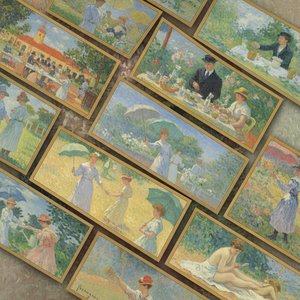
Топ 25 шедьовъра на Ренуар: Красота, светлина и импресионизъм за вашия дом
Разгледайте топ 25 шедьовъра на Ренуар – импресионизъм, светлина и красота във всяка картина! Историята зад творбите, техниките и емоциите. Купете висококачествени репродукции на картини от Ренуар за вашия дом в OriginalUniqueArt.com.

Топ 10 шедьовъра на Романтичния пейзаж: Изкуство за вашия дом от OriginalUniqueArt.com
Открийте 10 шедьовъра на Романтичния пейзаж – Фридрих, Търнър и други! Разгледайте историите зад картините, техниките и емоциите. Репродукции с музейно качество от OriginalUniqueArt.com. Вдъхновете се за вашия дом!

Топ 25 шедьоври на Франсиско Гоя: Изкуство, история и лукс за вашия дом
Разгледайте топ 25 шедьоври на Франсиско Гоя – от портрети до исторически картини. Открийте историите, техниките и емоциите зад неговите най-известни творби. Луксозни репродукции за вашия дом в OriginalUniqueArt.com!

Evocations of Place: A Historical Journey Through Landscape Art
Explore the rich history of landscape art with OriginalUniqueArt. Discover renowned artists, movements like Impressionism & Romanticism, and expert guidance for collecting timeless pieces. Find your perfect serene escape today!

Топ 25 шедьовъра на Джон Констабъл: Английски пейзажи за вашия дом | OriginalUniqueArt.com
Открийте топ 25 шедьовъра на Джон Констабъл – английски пейзажи, романтизъм и красотата на природата. Репродукции с музейно качество за вашия дом! Разгледайте пълната колекция онлайн на OriginalUniqueArt.com.


