

 Преглед в реален мащаб
 Сподели
 Сподели
 Подробности
 Ръководство

 Изтегляне
 Подобни артикули
 Рентгенова снимка
 Слайдшоу
 Статистика
Grass and Insects


 Разгърни целия текст
Ръчно изработена маслена репродукция
Ръчно рисувана маслена картина върху платно във вашия размер и рамка, изработена по поръчка от нашите художници. ( Избор на принт Превключване към дигитално изображение)




P118B €10

P118H €10

P118W €10

P438Z €10

P508JH €12

P508YH €12

P805H €10

P805Z €10

P919BZ €10

P919G €10

P919XJ €10

P959ZH €10

P968JZ €12

W106C €8

W218G €10

W218JH €8

W218Y €10

W307PJ €10

W316G €10

W316PJ €8

W316Y €10

W398PJ €8

W4111J €10

W500HY €15

W500JH €15

W692G €12

W849H €8

W940BG €15

W953PJ €8




Изберете от нашите предварително зададени размери, които съответстват на оригиналните пропорции на произведението.

Въведете необходимата ширина и височина, за да паснат на вашата рамка или стена. Тъй като това е ръчна работа, при избор на размер с различен формат, художникът може да нарисува малко повече около картината или да отреже малко от периферията — вие избирате. Преди да започне рисуването, ще ви изпратим дигитален мок업 за одобрение. Картината, показана на тази страница, не е реалният резултат — само мок업ът го показва.
След получаване на поръчка, екипът на OriginalUniqueArt.com ще изпрати имейл до клиента с инструкции и ще предостави примерен макет за преглед.
Доставка по целия свят () в рамките на 3-4 седмици вместо стандартните 5 седмици. (25 Октомври). Без компромис с качеството.

Безплатна експресна доставка по целия свят

Висококачествено ленено платно

Пълно застраховане на доставката

Гаранция за възстановяване на митнически такси

Гаранция за пълно съответствие на цветовете

Политика за връщане в рамките на 100 дни (само при дефекти)

100% Гаранция за връщане на сумата

Отстъпка при поръчка на повече произведения
 Опцията със стъкло е налична само за размери под 110 см

Grass and Insects
Техника на репродукция
Размер на репродукцията
-


Крайна цена
€ 263
Shin Saimdang’s “Grass and Insects”: A Symphony of Color and Quiet Observation
Shin Saimdang (1504–1551), a trailblazing female artist in Joseon dynasty Korea, stands as an emblem of intellectual curiosity and artistic prowess—a woman who defied societal constraints to pursue her passions for poetry, calligraphy, and painting. Her legacy resides not merely in the exquisite beauty of her artwork but also in its profound reflection of the era’s cultural values and philosophical ideals. This examination delves into “Grass and Insects,” one of her most celebrated panels from a monumental ten-panel folding screen—a masterpiece that encapsulates Saimdang's distinctive artistic vision and offers invaluable insight into Korean art history.A Window Into Joseon Aesthetic Principles
“Grass and Insects” exemplifies the dominant aesthetic sensibilities of the late 16th century, characterized by meticulous detail, harmonious color palettes, and a reverence for nature’s subtle grandeur. The screen embodies Neo-Confucian ideals—a belief system that prioritized moral cultivation alongside intellectual pursuits—reflected in Saimdang's careful composition and her masterful execution of brushstrokes. Unlike Western art traditions focused on dramatic narratives or idealized figures, Korean painting during this period favored contemplative scenes depicting landscapes and flora, intended to inspire serenity and contemplation. The screen’s overall design adheres to the principles of “Yonghwa,” meaning “harmonious beauty”—a concept central to Joseon artistic philosophy that sought to achieve balance between form and content.Technique and Material Considerations
Saimdang employed a technique rooted in meticulous observation and painstaking layering—a hallmark of Korean painting at the time. Using mineral pigments mixed with animal glue, she achieved remarkable luminosity and vibrancy, capturing the delicate textures of grass blades and the iridescent sheen of insects’ wings. The screen's surface is covered with thin layers of lacquer, providing protection while enhancing the colors and creating a tactile experience for the viewer. Furthermore, Saimdang skillfully utilized “Ma,” or negative space—a technique that deliberately leaves areas unfilled to create visual balance and emphasize the subject matter—demonstrating an understanding of compositional principles that transcended mere representation. The careful blending of pigments and meticulous brushwork contribute to the screen’s enduring beauty and artistic significance.Symbolism: Echoes of Confucian Thought
Beyond its technical brilliance, “Grass and Insects” resonates with deeper symbolic meanings rooted in Confucian cosmology—a worldview that viewed humanity as intrinsically linked to the natural world. The depiction of various insects—including beetles, dragonflies, cicadas, and moths—represents transformation and renewal—themes central to Confucian teachings concerning reincarnation and moral progress. Similarly, the inclusion of flowers like hibiscus, poppies, and lilies symbolizes purity and virtue—values upheld by Joseon society as markers of moral excellence. The meticulous rendering of grass blades underscores the importance of simplicity and humility—qualities considered essential for achieving inner harmony and cultivating compassion.Emotional Resonance: A Moment Frozen in Time
“Grass and Insects” transcends mere visual representation; it evokes a profound emotional response—a feeling of tranquility and appreciation for the beauty of the natural world. The screen’s muted color palette—dominated by greens, blues, and reds—creates an atmosphere of serenity and contemplation—inviting viewers to pause and reflect on the passage of time. Saimdang's masterful brushwork conveys a sense of quiet observation—capturing not just what is seen but also what is felt—a testament to her artistic sensitivity and her ability to communicate complex ideas through subtle visual cues. Viewing this artwork inspires contemplation about the interconnectedness of humanity and nature, reminding us of the enduring power of art to elevate our spirits and enrich our understanding of the human experience.Concluding Remarks: An Artistic Legacy Enduring Through Centuries
Shin Saimdang’s “Grass and Insects” remains a cornerstone of Korean art history—a testament to her artistic genius and her unwavering commitment to intellectual pursuits. Its harmonious composition, masterful technique, and evocative symbolism continue to captivate audiences today—serving as an enduring reminder of Joseon dynasty Korea's aesthetic ideals and its profound appreciation for the natural world. The screen’s legacy extends beyond its visual splendor; it embodies a spirit of contemplation and moral cultivation—values that resonate powerfully across cultures and generations—solidifying Saimdang’s place as one of Korea’s most celebrated artists and an inspiration to aspiring creatives everywhere.Въпроси и отговори
Колко добре е известна творбата „Grass and Insects“ на Шин Саимданг?
Записният ниво на популярност за „Grass and Insects“ на Шин Саимданг е Recognized.
В коя година е създадено „Grass and Insects“ на Шин Саимданг?
„Grass and Insects“ на Шин Саимданг е създадена през 1500.
Може ли изображението на „Grass and Insects“ на Шин Саимданг да се репродуцира свободно?
„Grass and Insects“ на Шин Саимданг е в в обществено достояние – авторското му право е изтекло. Този статус определя как може да бъде репродуцирано изображението на произведението.
Биография на художника
пионерна жена художничка в корейската династия чосон
шин саимданг, една многостранна творба от Южна Корея, живее по времете на периода чосон, оставяйки неизличима следа в историята на корейското изкуство. родена на 29 октомбър 1504 г. в гангнеунг, провинция гангвон, тя не е била само майстор на четката, но и писателка, калиграф и поет.ранен живот и художествени първи стъпки
художествените таланти на шин саимданг са били очевидни още от ранна възраст. на едва седем години тя вече е имитирала стила на рисуване на ан гьон, друг виден корейски художник. родната ѝ къща, оджукхон, която е и домът на нейното майчино семейство, остава прекрасно запазена и до днес.художествени приноси и стил
картините на шин саимданг, характеризиращи се с фини мазки и живи цветове, са част от десетпанелен сгъваем екран. нейните произведения, като например трева и насекоми, представят богат спектър от сюжети, включващи пъпеши, патладжани, макове, хибискус и различни насекоми. тези картини могат да бъдат открити в Националния музей на Корея (сеул, Южна Корея), където те продължават да вдъхновяват почитателите на изкуството.- разгледайте произведенията на шин саимданг в OriginalUniqueArt: https://OriginalUniqueArt.com/@/shin-saimdang
- разгледайте колекцията на Националния музей на Корея: /en/art/show/national-museum-of-korea-seoul/
- открийте повече за художественото движение по време на династията чосон: художественото движение на династията чосон
наследство и влияние
наследството на шин саимданг надхвърля нейните произведения, тъй като тя е известна и като майка на и и, прочут учен и политик от династията чосон. нейният живот и творчество служат като вдъхновение за мнозина, олицетворявайки същността на корейското изкуство по време на периода чосон. ключови произведения на шин саимданг:- трева и насекоми (Национален музей на Корея, сеул, Южна Корея)
- други забележителни творби с фини мазки и ясни, живи цветове, част от десетпанелен сгъваем екран.
- ан гьон, друг виден корейски художник от ранния период на династията чосон.

Шин Саимданг
1504 - 1551 , Южна Корея
Бързи факти
- Artistic Movement Or Style: Изкуствено движение или стил: Изкуство от династията Чосон
- Artists Or Movements Influenced By This Artist: Художници или движения, повлияни от този артист: Изкуство от династията Чосон
- Artists Who Influenced This Artist: Художници, повлияли на този артист: Ан Гьон
- Date Of Birth: Дата на раждане: 29 октомври 1504 г.
- Date Of Death: Дата на смърт: 1551 г.
- Full Name: Пълно име: Шин Саимданг
- Nationality: Националност: Корейска
- Notable Artworks: ['Бележки произведения: Трева и насекоми']
- Place Of Birth: Място на раждане: Каннеун, Южна Корея
Свързани статии
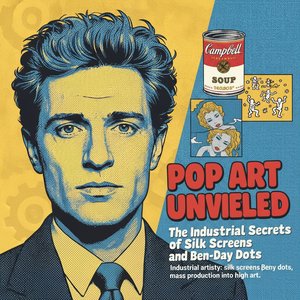
Pop Art Unveiled: The Industrial Secrets of Silk Screens and Ben-Day Dots
Explore the industrial artistry of Pop Art. Delve into the sophisticated history of Ben-Day dots and silk screen techniques that transformed mass media into high art, perfect for discerning collectors seeking deep historical insight and aesthetic excellence.
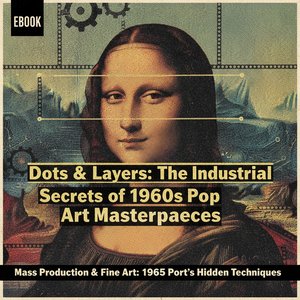
Dots & Screens: The Industrial Secrets Behind 1960s Pop Art Masterpieces
Explore the industrial secrets of 1960s Pop Art. Discover how Ben-Day dots and silk screening transformed mass media into masterpieces by Roy Lichtenstein. An in-depth look at the intersection of mechanical printing and fine art history for students and collectors.

Beyond the Screen: Transforming Personal Memories into Timeless AI-Driven Anime Masterpieces
Experience the magic of digital metamorphosis. Transform your cherished photos into stunning, hand-painted anime masterpieces using our proprietary AI technology and professional artists. Elevate your personal story with a timeless, high-quality oil painting on canvas.
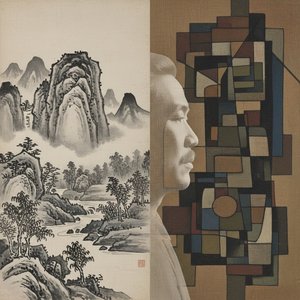
Yi Eungro: Bridging East & West in the Landscape of Korean Modernism
Explore the captivating world of Yi Eungro (Lee Ungno), a pivotal figure in Korean modernism. Discover his unique fusion of Eastern and Western artistic traditions, abstract masterpieces, and lasting legacy. A must-read for discerning art collectors.
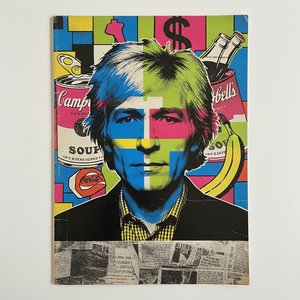
Andy Warhol: Deconstructing Pop Culture & Redefining Artistic Expression
Explore the revolutionary art of Andy Warhol & the Pop Art movement. Discover his iconic techniques, cultural impact, and investment potential. A guide for discerning collectors.