
 Представи си го
 Изпрати
 Сподели
 Детайли

 Изтегляне
 Подобни
 Рентгенова снимка
 Слайдшоу
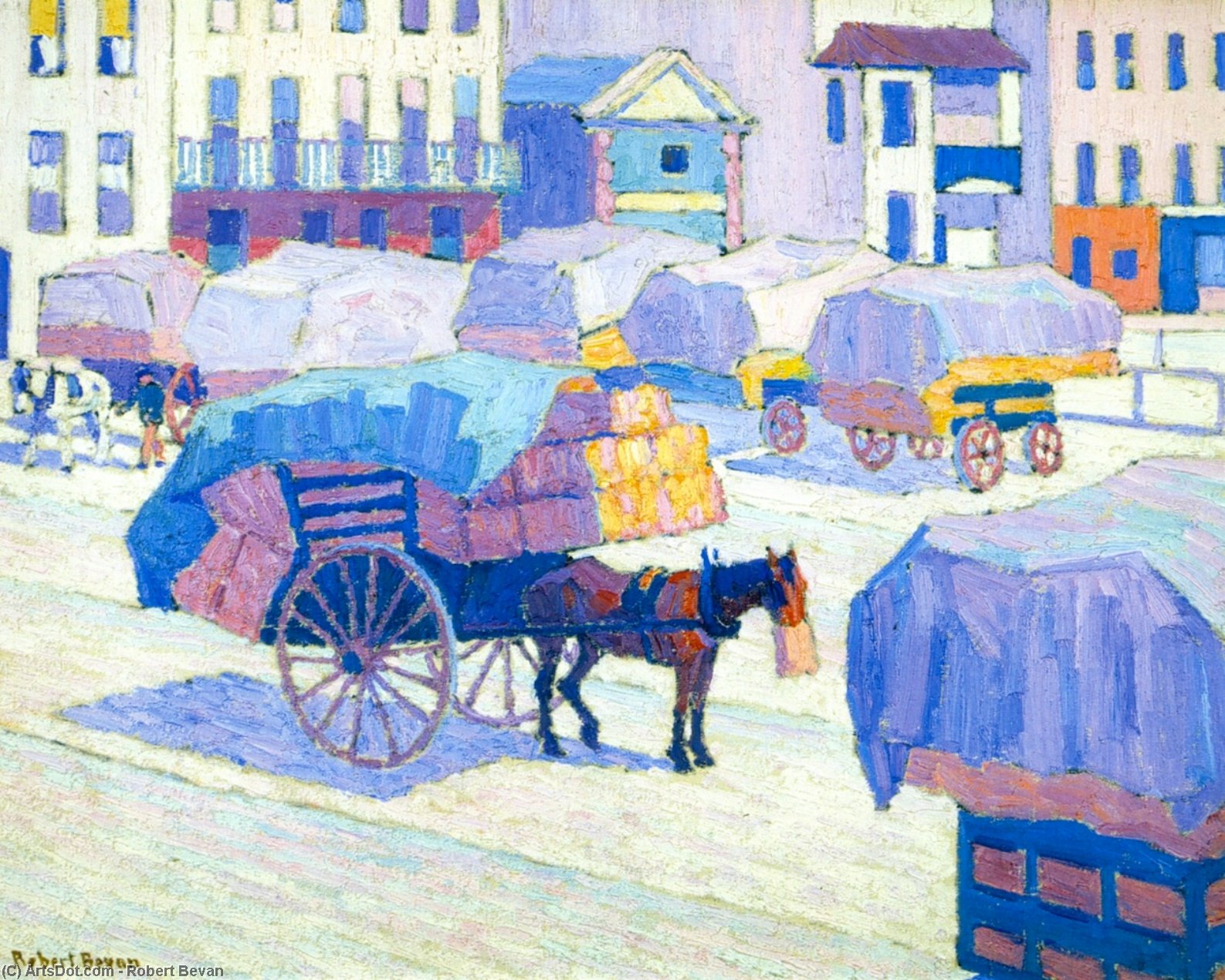
Hay Carts
 Oil On Canvas
- WallArt
- Fauvism
 1915
1915- Modern
 48.0 x 60.0 cm
 Прочетете повече
Закупете дигитално изображение с висока резолюция и подобрени характеристики, значително по-добро от онлайн прегледа.
Всеки файл е щателно подготвен от нашите специалисти с помощта на съвременни инструменти и експертна ръчна ретуш. Гарантираме, че всяко изображение има изключителна яснота, прецизна цветова точност и фини детайли.
Окончателният файл се доставя по имейл в рамките на 72 часа, оптимизиран за незабавна употреба в професионални, редакционни и печатни среди. Това е същото качество, на което се доверяват водещи дизайнерски студия, издатели и галерии.
Дигитално изображение
Изтеглете файл с висока резолюция за лично показване, принтиране и творчески проекти. ( Превключване към печат Превключване към ръчно рисувана картина)
Включено във всяка поръчка за дигитални изображения
Експресна дигитална доставка, гарантирана
Когато изберете OriginalUniqueArt.com, вие не получавате само изображение – вие получавате професионално подобрена дигитална творба, създадена с прецизност и подкрепена от гаранция за удовлетворение. Ето всичко, което автоматично се включва в вашата поръчка:

Бърза доставка по имейл
Вашето дигитално изображение с висока резолюция ще ви бъде изпратено по имейл в рамките на 72 часа от поръчката - готово за незабавно използване.

Дигитален файл с подобрено качество чрез изкуствен интелект
Вашата картина е професионално оптимизирана с помощта на усъвършенствани инструменти за изкуствен интелект и ръчна редакция, осигурявайки максимална детайлност, яснота и точност на цветовете.

Безплатна доживотна повторна доставка
Изгубили сте или сте премахнали файла си по погрешка? Не се притежнявайте – ще го изпратим отново на Вас по всяко време, безплатно.

Без такки за мито - никога
Всредите си веднага без мита, данъци или такси по доставка - дигителните приложения винаги са без данъчно освободени.

Гаранция за точност на цветовете
Гарантираме, че вашето дигитално изображение отразява оригиналните цветове възможно най-точно, използвайки професионални инструменти и управление на цветовете.

Гаранция за удовлетвореност от 60 дни
Ако не сте доволни от вашето дигилно изображение, ще го коригираме или ще възмедим 100% в рамките на 60 дни – без никакви въпроси.

100% Гаранция за връщане на пари.
Не сте удовлетворени? Получавате пълно възстановяване на сумата в рамките на 60 дни след получаването на вашия цифров файл – без никакви въпроси.

Отстъпки за големи поръчки
Купете 3 изображения, спестете 10% - Купете 5, спестете 15% - Купете 10+, спестете 20%. Отлично за творчески проекти, галерии и агенства.
Описание на колекционерския предмет
A Symphony of Motion: The Vibrant World of Robert Bevan’s Hay Carts
In the heart of 1915, amidst a world undergoing profound transformation, Robert Polhill Bevan captured a fleeting moment of rhythmic vitality in his masterpiece, "Hay Carts." This oil on canvas is far more than a mere depiction of a street scene; it is a sensory experience that invites the viewer to step into a bustling era of transition. The painting presents a lively tableau of horse-drawn carriages and wagons navigating a sunlit thoroughfare, where the heavy labor of the carts meets the casual stride of pedestrians. Through his masterful use of color and composition, Bevan breathes life into the inanimate, turning a routine moment of transport into a dynamic dance of light and movement.
The brilliance of this work lies in its ability to balance the weight of the subject matter with an almost weightless energy. The horses, serving as the focal points of the piece, are rendered with a keen eye for both anatomical presence and spirited character. As they pull their respective loads, there is a palpable sense of momentum that pulls the viewer’s gaze along the road, following the trajectory of the wagons. Bevan utilizes bold, confident brushstrokes that do not merely outline forms but suggest the very vibration of life on a busy street. This technique creates a textured surface where light seems to dance across the canvas, reflecting the shimmering atmosphere of a day in motion.
Modernist Vision and the Art of Everyday Life
As a pioneer of British Modernism and a founding member of the Camden Town Group, Bevan brought a revolutionary perspective to the depiction of everyday life. In "Hay Carts," we see the influence of Fauvism—a movement characterized by its use of intense, non-naturalistic colors to evoke emotion rather than strictly mimic reality. The palette is strikingly vibrant, utilizing rich tones that heighten the sense of warmth and activity. This approach allows the artist to transcend simple documentation, instead offering a psychological landscape where the interaction between humans, animals, and their environment feels deeply interconnected.
For the discerning collector or interior designer, "Hay Carts" offers a unique opportunity to introduce a piece of art history that is both intellectually stimulating and aesthetically pleasing. The painting’s composition—a sophisticated arrangement of diagonal lines and scattered figures—provides a sense of organized chaos that can serve as a captivating centerpiece in any curated space. Whether placed in a contemporary setting to provide a bold pop of color or within a more traditional gallery-style room to evoke a sense of nostalgia, the work radiates an enduring charm. It is a celebration of the beauty found in the mundane, reminding us that even the most routine street scenes hold the potential for profound artistic splendor.
Биография на художника
A Pioneer of British Modernism: The Life and Art of Robert Polhill Bevan
Robert Polhill Bevan, born in Hove in 1865, occupies a pivotal yet often understated position within the narrative of early 20th-century British art. Emerging from a Quaker background steeped in banking connections – his parents were Richard Alexander Bevan and Laura Maria Polhill – he defied conventional expectations to become a daring innovator, a key figure in the transition from Impressionism towards more radical explorations of color and form. His journey was one of constant experimentation, absorbing influences from across Europe while forging a distinctly personal artistic vision that would profoundly impact the development of modern art in Britain. Bevan’s early education at Westminster School of Art under Fred Brown provided a solid foundation, but it was his subsequent studies at the Académie Julian in Paris that truly ignited his creative spark. There, he encountered a constellation of rising stars – Paul Sérusier, Pierre Bonnard, Édouard Vuillard, and Maurice Denis – artists who were challenging academic conventions and embracing new approaches to painting. These encounters proved formative, exposing Bevan to the principles of synthetism and laying the groundwork for his future explorations.Early Influences and Artistic Formation
Bevan’s formative years instilled in him a deep appreciation for meticulous observation and disciplined technique—qualities that would characterize his entire artistic career. His upbringing within a Quaker family fostered values of integrity and social responsibility, shaping his worldview and informing his engagement with the broader cultural landscape. Recognizing his innate talent for drawing, Bevan benefited from private instruction with Arthur Earnest Pearce (1859–1934), who later became a designer for Doulton’s potteries—a connection that would prove invaluable in nurturing his artistic sensibilities. The Westminster School of Art under Frederick Brown provided him with a crucial grounding in traditional art training, equipping him with the skills necessary to master perspective and draughtsmanship. However, it was Paris – specifically the Académie Julian – where Bevan truly blossomed as an artist. Surrounded by fellow innovators like Sérusier, Bonnard, Vuillard, and Denis—artists who were actively dismantling established artistic hierarchies—he absorbed the revolutionary ideas of synthetism and embraced a bold new vision for painting. These encounters fundamentally altered his artistic trajectory, propelling him toward experimentation with color and form that would distinguish him from many of his peers.Brittany: The Catalyst for Color
The allure of Brittany exerted an irresistible influence on Bevan’s artistic development during the summers of 1890 and 1891. Drawn to Pont-Aven—a coastal town rapidly gaining renown as a haven for artists seeking respite from Parisian society—he immersed himself in the vibrant atmosphere fostered by Gauguin and his fellow Impressionists. The bold hues and simplified geometries championed by these pioneers resonated deeply with Bevan’s sensibilities, informing his early sketches and prints. He meticulously documented the landscape—the rugged coastline, the verdant hillsides, and the shimmering waters—capturing not merely visual accuracy but also an emotional response to the sublime beauty of nature. This fascination with Breton landscapes would endure throughout his life, serving as a constant source of inspiration for his paintings and lithographs. The influence of Gauguin’s expressive use of color is palpable in Bevan's early works, demonstrating a willingness to abandon naturalistic representation in favor of conveying subjective experience—a pivotal step toward embracing the tenets of Fauvism.The Emergence of Fauvist Expression
Around 1904, Bevan embarked on a path of experimentation with pure color that anticipated the burgeoning movement of Fauvism on the continent. His painting “Courtyard” stands as a testament to this transformative moment—a daring departure from Impressionistic subtlety in favor of intense chromatic vibrancy. Bevan deliberately rejected blending colors to create tonal gradations, opting instead for juxtaposing complementary hues—such as orange and blue—to generate visual impact and heighten emotional resonance. This stylistic choice aligns perfectly with the Fauvist aesthetic, which prioritized color above all else—a radical assertion that challenged prevailing artistic conventions and signaled a decisive break from academic tradition. Like Matisse and Derain, Bevan sought to liberate color from its descriptive role, harnessing it as an expressive tool to convey mood and emotion—a strategy that would become central to his oeuvre.Camden Town Group and Legacy
Bevan’s artistic endeavors extended beyond individual paintings; he actively participated in the formation of influential art collectives that reshaped British artistic culture. As a founding member of the Camden Town Group—alongside Gore, Ginner, Bell and Hepworth—he championed a vision of modern art rooted in urban life and informed by social consciousness. The group’s members deliberately rejected the prevailing aesthetic trends of their time, prioritizing bold color palettes and simplified forms to depict scenes from London’s industrial landscape. Bevan's involvement with Camden Town Group solidified his reputation as a trailblazer—a figure who dared to challenge artistic dogma and forge new paths for British art. His legacy continues to inspire artists today, demonstrating the enduring power of experimentation and conviction in shaping artistic innovation. Bevan’s paintings—particularly those depicting landscapes and urban vistas—remain treasured examples of early twentieth-century British art, embodying a commitment to both aesthetic beauty and social engagement. His contribution to the Camden Town Group ensured that British painting would continue to evolve in bold new directions.
Робърт Полихил Бевън
1865 - 1925 , Великобритания
Бързи факти
- Artistic Movement Or Style: Фавизъм, Дивионизм
- Artists Or Movements Influenced By This Artist: ['Модерна британска изкуство']
- Artists Who Influenced This Artist:
- Валтер Сикерт
- Паоло Гугенхайм
- Жозеф Кроуъл
- Date Of Birth: 1865
- Date Of Death: 1925
- Full Name: Robert Polhill Bevan
- Nationality: Британски
- Notable Artworks:
- Дъхът на полето
- Колесни карети
- Къща
- Place Of Birth: Hove, Великобритания

