

 Преглед в реален мащаб
 Сподели
 Сподели
 Подробности
 Ръководство

 Изтегляне
 Подобни артикули
 Рентгенова снимка
 Слайдшоу
 Статистика
Window


 Разгърни целия текст
Ръчно изработена маслена репродукция
Ръчно рисувана маслена картина върху платно във вашия размер и рамка, изработена по поръчка от нашите художници. ( Избор на принт Превключване към дигитално изображение)




P118B €10

P118H €10

P118W €10

P438Z €10

P508JH €12

P508YH €12

P805H €10

P805Z €10

P919BZ €10

P919G €10

P919XJ €10

P959ZH €10

P968JZ €12

W106C €8

W218G €10

W218JH €8

W218Y €10

W307PJ €10

W316G €10

W316PJ €8

W316Y €10

W398PJ €8

W4111J €10

W500HY €15

W500JH €15

W692G €12

W849H €8

W940BG €15

W953PJ €8




Изберете от нашите предварително зададени размери, които съответстват на оригиналните пропорции на произведението.

Въведете необходимата ширина и височина, за да паснат на вашата рамка или стена. Тъй като това е ръчна работа, при избор на размер с различен формат, художникът може да нарисува малко повече около картината или да отреже малко от периферията — вие избирате. Преди да започне рисуването, ще ви изпратим дигитален мок업 за одобрение. Картината, показана на тази страница, не е реалният резултат — само мок업ът го показва.
След получаване на поръчка, екипът на OriginalUniqueArt.com ще изпрати имейл до клиента с инструкции и ще предостави примерен макет за преглед.
Доставка по целия свят () в рамките на 3-4 седмици вместо стандартните 5 седмици. (19 Октомври). Без компромис с качеството.

Безплатна експресна доставка по целия свят

Висококачествено ленено платно

Пълно застраховане на доставката

Гаранция за възстановяване на митнически такси

Гаранция за пълно съответствие на цветовете

Политика за връщане в рамките на 100 дни (само при дефекти)

100% Гаранция за връщане на сумата

Отстъпка при поръчка на повече произведения
 Опцията със стъкло е налична само за размери под 110 см

Window
Техника на репродукция
Размер на репродукцията
-


Крайна цена
€ 261
A Symphony of Light and Geometry
In the early twentieth century, as the world stood on the precipice of profound transformation, Robert Delaunay captured a moment of pure, luminous transcendence in his 1912 masterpiece, "Window." This work is far more than a mere depiction of a windowpane; it is an invitation to witness the birth of Orphism, a movement that sought to liberate color from the constraints of representational form. To gaze upon this painting is to step into a realm where light does not simply illuminate objects but becomes the subject itself. Delaunay masterfully distills the sensory experience of perception, transforming a simple architectural element into a complex mosaic of interlocking rectangles and vibrant squares that seem to pulse with an internal energy.
The brilliance of "Window" lies in its ability to evoke a sense of rhythmic movement through static shapes. Through a sophisticated technique of layered paint application—often incorporating the rich, tactile quality of encaustic wax alongside traditional oils—Delaunay achieved a depth that feels almost ethereal. The subtle gradations of pigment within each geometric cell create a shimmering effect, reminiscent of sunlight filtering through stained glass. This meticulous manipulation of color density allows the viewer to experience a visual dynamism that transcends the flat surface of the canvas, making the piece feel as though it is breathing with light.
The Orphic Vision: Color as Emotion
At the heart of this composition lies the radical philosophy of Orphism. Moving away from the analytical fragmentation of Cubism, Delaunay and his contemporaries embraced a more lyrical approach, prioritizing the emotional resonance of pure color. In "Window," there is no attempt to replicate the naturalistic world; instead, the artist uses hues of deep blue, radiant yellow, and warm orange to communicate a sense of harmony and cosmic order. This focus on pure abstraction allows the painting to function as an emotional landscape, where the interplay of light and shadow serves as a metaphor for the clarity and chaos of human existence.
For the discerning collector or interior designer, this piece offers a unique opportunity to introduce a focal point of sophisticated energy into a space. The painting’s vibrant palette and structured composition make it an ideal centerpiece for modern, minimalist, or even classical interiors, providing a burst of intellectual and visual stimulation. It does not merely decorate a wall; it transforms the atmosphere of a room, inviting contemplation and a renewed appreciation for the beauty found in geometric precision.
A Legacy of Harmony Amidst Change
The historical context of "Window" adds a layer of profound poignancy to its visual splendor. Created during an era of significant societal upheaval, the painting serves as a radiant antidote to the anxieties of the pre-war period. While much of the art of this time grappled with the fragmentation of reality, Delaunay sought to synthesize it, finding a way to weave disparate elements into a cohesive, beautiful whole. This pursuit of geometric harmony reflects a deep-seated desire for stability and beauty amidst a changing world.
Owning a high-quality reproduction of this seminal work allows one to possess a fragment of art history—a piece that embodies the courage of innovation and the timeless allure of light. "Window" remains a testament to the power of abstraction to touch the human spirit, offering a window not just into a room, but into the very essence of light and color.
Въпроси и отговори
Какво е мястото на „Window“ на Робер Делане в историята на изкуството?
„Window“ на Робер Делане принадлежи към художественото течение Cubism, в рамките на епохата Modern. Заедно те определят мястото на произведението в историята на изкуството.
За какво се разказва в "Window"?
„Window“ на Робер Делане изобразява: abstract, geometric shapes, color palette, window motif, orphism influence, luminosity, composition.
Кой цвят доминира в композицията на „Window“ на Робер Делане?
Доминиращият цвят на „Window“ на Робер Делане е Espresso (#5f5945).
Биография на художника
Пионер на абстрактния цвят: Животът и изкуството на Робер Делане
Робер Делане, роден в Париж през 1885 г., се превръща в ключова фигура в радикалното артистично преобразяване на началото на двадесети век. Макар първоначално да е привлечен от по-традиционни форми на живопис, неговото пътешествие го води към изследване на цвета и светлината, което в крайна сметка ще дефинира неговото наследство и ще допринесе значително за раждането на абстрактното измуство. Делане не се интересува просто от представяне на света; той се стреми да улови самата му същност чрез жив език от геометрични форми и луминисцентни нюанси, съвместно със съпругата си Соня Делане и други визионери, създавайки движението Орфизъм. Ранният му живот е белязан от известна нестабилност – родителите му се разводят, когато е млад, и той е възпитан от роднини – но това вероятно е изградило независимия дух, който ще му послужи добре при предизвикателството на художествените конвенции. Първоначално той се занимава с декоративни изкуства, но бързо се насочва към живописта, излагайки в Salon des Indépendants още през 1904 г., демонстрирайки разцъфващ талант и амбиция.От дивизионизъм до зората на Орфизма
Артистичното развитие на Делане се характеризира с постоянно експериментиране. Първоначално той се ангажира с неоимпресионизма, или дивизионизма, абсорбирайки принципите му за прилагане на малки, отчетливи точки от цвят за създаване на трептящ ефект. Впрочем, скоро той надхвърля простото репликиране на оптични явления; той започва да изследва експресивното потенциал на самия цвят. Важната приятелска връзка с Жан Меценже се оказва определяща за този период, докато двамата изследват възможностите на фрагментираните форми и мозаичните композиции. Тези ранни сътрудничества полагат основите за по-къщото им участие в кубизма, въпреки че Делане в крайна сметка се отклонява от неговия по-аналитичен подход. Той не се интересува от разчленяването на обектите на геометрични компоненти; вместо това той се стреми да ги синтезира в динамични аранжименти от цвят и светлина. Тази промяна кулминира в развитието на Орфизма – термин, въведен от поета Гийом Аполонер – който има за цел да създаде чисто абстрактно изкуство, предизвикващо емоционални реакции чрез своята хроматична интензивност. Едновременни контрасти: Слънце и Луна е отличен пример за този подход, демонстриращ майсторското манипулирате на цвят от страна на Делане за предаване на усещане за енергия и движение.Силата на „Simultanéité“ и артистичното влияние
Централно място в художествената философия на Делане заема концепцията за „simultanéité“ (едновременност) – идеята, че цветовете взаимодействат помежду си, създавайки нови усещания и възприятия. Той вярва, че цветът не е просто описателен елемент, а активна сила, способна да оформя нашето преживяване на реалността. Това вярване се отразява в неговата серия от картини, изобразяващи Ейфеловата кула, където той деконструира иконичната структура в мрежа от пресичащи се равнини и жизнени нюанси. Тези творби не са просто изображения на кулата, а по-скоро изследвания на това как светлината и цветът трансформират външния ѝ вид. Теориите на Делане намират дълбок отзвук у други художници от неговото време, влияейки на фигури като Паул Клее, Франц Марк, Август Маке и дори на руските авангардни движения. Неговият акцент върху абстракцията и експресивната сила на цвета помага да се проложи път на ново поколение артисти, които отхвърлят репрезентативните конвенции в полза на чисто визуални форми. Той не просто създава картини; той разработва теоретична рамка за разбиране на връзката между цвета, светлината и възприятието.Последни години и вечно наследство
Избухването на Първата световна война принуждава Делане и съпругата му да потърсят убежище в Испания и Португалия, където продължават да работят и да излагат. След завръщането си в Париж през 20-те години на миналия век, той изследва широк спектър от теми, включително портрети и фигуративни сцени, но винаги остава верен на основните си принципи на цвят и абстракция. В по-късните си години Делане преразглежда ранните си теми, създавайки все по-сложни и динамични композиции. Той предприема и амбициозни проекти, като проектирането на мащабни цветни релефи за Международната експозиция в Париж през 1937 г., демонстрирайки способността си да пренася своята артистична визия в архитектурен контекст. Преждевременната смърт на Робер Делане през 1941 г. бе загуба за света на изкуството, но неговото влияние се усеща и днес. Неговата пионерска работа постави основите на много последващи развития в абстрактното изкуство, а неговото изследване на цвета остава източник на вдъхновение за творци от различни дисциплини. Неговото наследство не е само от естетическа иновация, но и от интелектуално търсене – свидетелство за силата на изкуството да трансформира разбирането ни за света около нас.Бележки творби
- Ейфеловата кула (1909-1911)
- Едновременни контрасти: Слънце и Луна (1913)
- Прозорци, отворени едновременно, 1-ва част, 3-ти мотив (1912)
- Път в Лаон (1910)
- Ритми (1934)

Робер Делане
1885 - 1941 , Франция
Бързи факти
- Artistic Movement Or Style: Орфизъм и Кубизъм
- Artists Or Movements Influenced By This Artist:
- Парк Кли
- Август Макке
- Artists Who Influenced This Artist: ['Жан Мецтингер']
- Date Of Birth: 12 април 1885 г.
- Date Of Death: 25 октомври 1941 г.
- Full Name: Robert Delaunay
- Nationality: Френски
- Notable Artworks:
- Турът на Айфела
- Симплици Контрасти: Слънце и Луна
- Прозорци Отваряват Се Симетрично
- Place Of Birth: Париж, Франция
Свързани статии
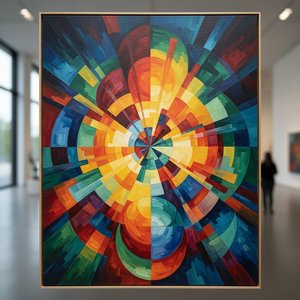
Orphism: A Symphony of Color and Form – Exploring the Abstract Roots of Modern Art
Explore Orphism, the vibrant abstract art movement pioneered by Robert & Sonia Delaunay. Discover its unique color theory, lasting influence on modern art, and how to bring this 'symphony of color' into your home with OriginalUniqueArt.
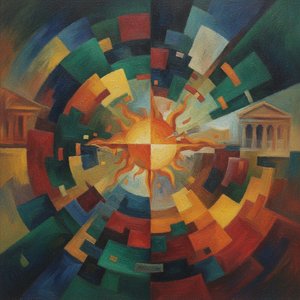
Orphism Unveiled: The Radiant Dance of Color and Light in the Evolution of Abstract Art
Discover the luminous world of Orphism. Explore how masters like Robert and Sonia Delaunay revolutionized art through a radiant dance of color, light, and geometric abstraction in this deep dive into modern art history.
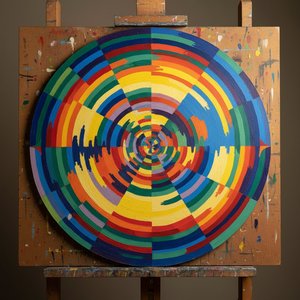
Sonia Delaunay: A Life in Color – Exploring the Rhythms of Abstraction and Synesthesia
Explore the vibrant world of Sonia Delaunay, a pioneer of abstract art and co-founder of Orphism. Discover her revolutionary use of color, geometric forms, and influence on modern design. A deep dive into her life & legacy.
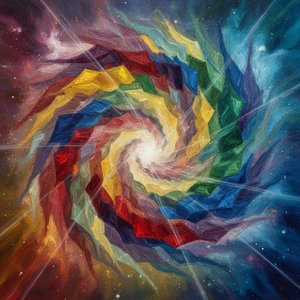
Orphism Unlocked: The High-Energy Color Revolution That Defined Abstract Art
Dive into the high-energy world of Orphism. Discover how this color revolution broke Cubism's rules to define modern abstraction through light, motion, and pure visual impact. Explore the legacy of the Delaunays and bring bold, vibrant energy to your contemporary space.

Топ 10 шедьовъра на геометричната абстракция за Вашия дом | OriginalUniqueArt.com
Разгледайте топ 10 шедьовъра на геометричната абстракция – Кандински, Мондриан и други! Открийте историите зад тези емблематични картини и добавете елегантност към дома си с репродукции от OriginalUniqueArt.com. Разгледайте пълната колекция онлайн!

