
 Представи си го
 Изпрати
 Сподели
 Детайли

 Изтегляне
 Подобни
 Рентгенова снимка
 Слайдшоу
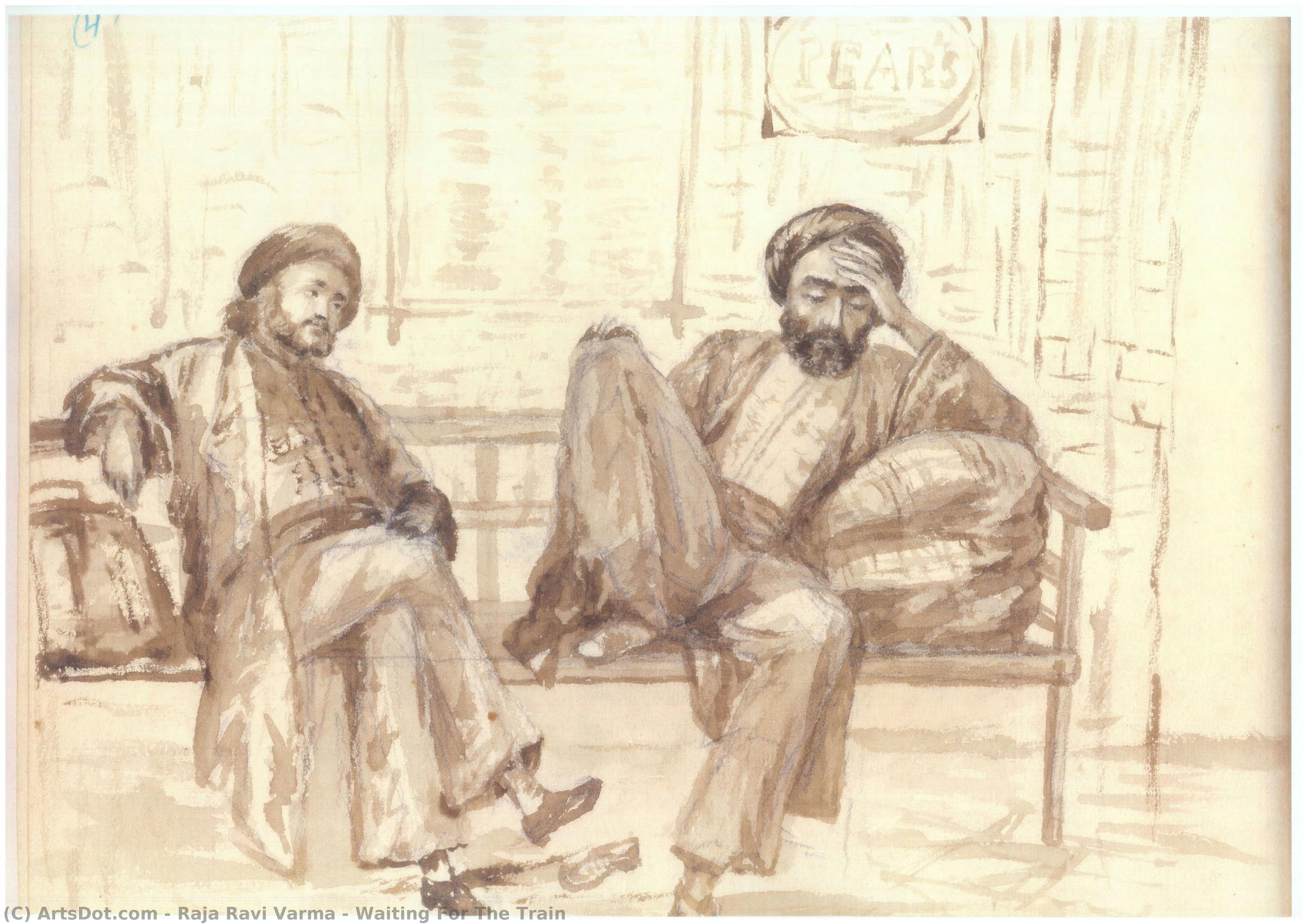
Waiting For The Train


 Прочетете повече
Закупете дигитално изображение с висока резолюция и подобрени характеристики, значително по-добро от онлайн прегледа.
Всеки файл е щателно подготвен от нашите специалисти с помощта на съвременни инструменти и експертна ръчна ретуш. Гарантираме, че всяко изображение има изключителна яснота, прецизна цветова точност и фини детайли.
Окончателният файл се доставя по имейл в рамките на 72 часа, оптимизиран за незабавна употреба в професионални, редакционни и печатни среди. Това е същото качество, на което се доверяват водещи дизайнерски студия, издатели и галерии.
Дигитално изображение
Изтеглете файл с висока резолюция за лично показване, принтиране и творчески проекти. ( Купете принт Купете ръчно рисувана картина)
Включено във всяка поръчка за дигитални изображения
Експресна дигитална доставка, гарантирана
Когато изберете OriginalUniqueArt.com, вие не получавате само изображение – вие получавате професионално подобрена дигитална творба, създадена с прецизност и подкрепена от гаранция за удовлетворение. Ето всичко, което автоматично се включва в вашата поръчка:

Бърза доставка по имейл
Вашето дигитално изображение с висока резолюция ще ви бъде изпратено по имейл в рамките на 72 часа от поръчката - готово за незабавно използване.

Дигитален файл с подобрено качество чрез изкуствен интелект
Вашата картина е професионално оптимизирана с помощта на усъвършенствани инструменти за изкуствен интелект и ръчна редакция, осигурявайки максимална детайлност, яснота и точност на цветовете.

Безплатна доживотна повторна доставка
Изгубили сте или сте премахнали файла си по погрешка? Не се притежнявайте – ще го изпратим отново на Вас по всяко време, безплатно.

Без такки за мито - никога
Всредите си веднага без мита, данъци или такси по доставка - дигителните приложения винаги са без данъчно освободени.

Гаранция за точност на цветовете
Гарантираме, че вашето дигитално изображение отразява оригиналните цветове възможно най-точно, използвайки професионални инструменти и управление на цветовете.

Гаранция за удовлетвореност от 60 дни
Ако не сте доволни от вашето дигилно изображение, ще го коригираме или ще възмедим 100% в рамките на 60 дни – без никакви въпроси.

100% Гаранция за връщане на пари.
Не сте удовлетворени? Получавате пълно възстановяване на сумата в рамките на 60 дни след получаването на вашия цифров файл – без никакви въпроси.

Отстъпки за големи поръчки
Купете 3 изображения, спестете 10% - Купете 5, спестете 15% - Купете 10+, спестете 20%. Отлично за творчески проекти, галерии и агенства.
Описание на колекционерския предмет
A Moment Suspended in Time: Analyzing "Waiting For The Train"
To gaze upon this evocative black and white drawing, "Waiting For The Train," is to be instantly transported to a liminal space—that charged moment between departure and arrival. It captures not merely two men on a bench, but the universal human experience of anticipation itself. The composition, rendered with careful draughtsmanship, places us at an outdoor station, a nexus point where journeys begin and end. The scattered suitcases are silent witnesses to untold stories, suggesting lives paused momentarily before the next great movement. One man, his hand raised near his face in a gesture that speaks volumes—is it contemplation, weariness, or deep thought? His companion watches him, an unspoken dialogue passing between them across the weathered wood of the bench.
The Artistry and Technique
While the original medium is a drawing, its enduring power lies in its narrative depth. The artist masterfully employs tonal contrast inherent to black and white work, allowing the subtle gradations of shadow and light to define mood as much as form. Notice the background detail: the visible clock face serves as a relentless, ticking reminder that time marches on, even when one wishes it would pause. Raja Ravi Varma, though known for his vibrant mythological scenes, demonstrates here a profound skill in capturing the mundane with such dramatic flair. The technique suggests an academic understanding of human anatomy and perspective, grounding the emotional weight of the scene within believable architectural and physical space.
Historical Echoes and Context
Dating to 1891, this piece emerges from a period of significant cultural confluence in India—a time when traditional artistic sensibilities were engaging with burgeoning European influences. The setting itself speaks to the railway age, an era that irrevocably changed human connection and movement across continents. For collectors today, owning a reproduction allows one to connect with this historical moment, appreciating how daily life was captured through the lens of grand technological shifts. It is a snapshot of transition, imbued with the weight of early 20th-century travel narratives.
Symbolism of Waiting and Connection
The symbolism here is rich and deeply resonant. The train itself represents destiny, change, and the unknown future. To wait for it is to confront one's own state of being—are we ready to move? Are we content to remain still? The interaction between the two figures suggests themes of companionship against the backdrop of individual journeys. They are together in this shared suspension, finding a quiet intimacy amidst the potential chaos of travel. This painting invites us to look inward: who are we waiting for, and what journey awaits us when the whistle finally blows?
Bringing the Scene Home
For interior design or personal contemplation, "Waiting For The Train" offers unparalleled atmospheric depth. Its monochromatic palette lends itself beautifully to sophisticated, moody interiors—think deep wood tones, aged metals, and rich textiles. It is not merely decoration; it is a conversation starter, an object that encourages pause. Owning this reproduction means curating a corner of your space dedicated to reflection, acknowledging the beauty found in the quiet moments between one chapter and the next.
Биография на художника
The Princely Brush: Raja Ravi Varma and the Dawn of Modern Indian Painting
Raja Ravi Varma, a name that echoes through the halls of Indian art history, was more than just a painter; he was a cultural architect who skillfully blended European academic techniques with the vibrant soul of Hindu mythology. Born in 1848 within the opulent confines of Kilimanoor Palace, nestled amidst the lush landscapes of Kerala, his life unfolded as a remarkable synthesis of aristocratic privilege and an unyielding creative spirit. He wasn’t merely capturing images; he was breathing life into ancient narratives, forging a new visual language for India that would resonate deeply with its people. His family's deep roots within the Travancore royal house – two of his daughters later becoming integral members of the royal family – provided him with an unparalleled understanding of Indian courtly traditions and values, profoundly shaping his artistic vision. From a young age, Ravi Varma displayed an extraordinary aptitude for art, nurtured by his uncle, Raja Raja Varma, who introduced him to the world of drawing and painting, primarily within the established framework of the Tanjore School. However, this was merely the foundation upon which he would build something truly revolutionary – a fusion of East and West that redefined Indian artistic expression.A Fusion of Worlds: Technique and Inspiration
Ravi Varma’s artistic journey took an extraordinary turn during his travels and interactions with British officials stationed in India. He became utterly captivated by the realism, precision, and technical mastery evident in European academic painting. He diligently studied its principles – perspective, anatomy, light, and shadow – not simply to imitate, but to understand how these elements could be harnessed to convey emotion and narrative depth within his own work. Crucially, unlike many of his contemporaries who merely adopted Western styles superficially, Varma ingeniously adapted these techniques to serve distinctly Indian subjects. His canvases transformed into vibrant stages for scenes from the Ramayana, the Mahabharata, and the Puranas, populated by gods and goddesses rendered with a newfound naturalism that was both startlingly lifelike and deeply evocative. He didn’t merely illustrate religious stories; he imbued them with human emotion, psychological complexity, and an almost palpable sense of drama. Consider his portrayal of *Hansa Damayanthi*, where the heroine's longing gaze and delicate posture convey a depth of feeling previously unseen in Indian art – a testament to Varma’s ability to transcend mere representation and capture the very essence of human experience. His mastery of oil painting, a relatively new medium in India at the time, allowed him to achieve an unprecedented level of detail, luminosity, and emotional intensity. The rich colors, subtle gradations of light, and meticulously rendered textures created a visual feast that captivated audiences and established him as a pioneer of modern Indian painting.Democratizing Art: Lithographs and Public Appeal
Recognizing that his exquisite paintings were largely confined to the elite circles of royalty and art connoisseurs, Raja Ravi Varma embarked on a bold initiative – establishing the Raja Ravi Varma Fine Arts Lithographic Press in 1894. This groundbreaking venture was nothing short of revolutionary. By utilizing lithography, a printing technique that allowed for the mass production of affordable images, he democratized access to his art like never before. Suddenly, scenes from Hindu mythology and religious narratives were no longer restricted to temples or palaces; they adorned homes across India, becoming objects of worship, cultural pride, and shared identity. The lithographs weren’t simply reproductions; they were carefully crafted interpretations that captured the essence of Varma's originals – a testament to his artistic vision and meticulous attention to detail. This act of “democratizing art” had a profound impact on Indian society, fostering a wider appreciation for visual culture and shaping popular perceptions of religious iconography. The lithographs became symbols of national identity, uniting people across social and economic divides through their shared connection to these iconic images.Royal Patronage and Artistic Development
Ravi Varma’s artistic development was significantly shaped by the patronage he received from various royal courts throughout India. He began his career as a court painter in Travancore, where he honed his skills under the guidance of Rama Swamy Naidu, a seasoned palace painter. Later, he served in the royal courts of Mewar, Baroda, and Mysore, each experience enriching his artistic repertoire and exposing him to diverse cultural influences. This constant interaction with royalty provided him with access to resources, materials, and opportunities for experimentation that would have otherwise been unavailable. The support of these royal patrons allowed him to travel extensively, study different artistic traditions, and develop a uniquely hybrid style – one that seamlessly blended European academic techniques with the rich tapestry of Indian mythology and aesthetics. His ability to navigate these diverse environments and adapt his art to suit different cultural contexts is a testament to his versatility and artistic genius.Legacy and Enduring Influence
Raja Ravi Varma passed away in 1906, leaving behind a legacy that continues to inspire and influence artists today. He wasn’t merely a painter; he was a visionary who fundamentally altered the course of Indian art history. His work not only transformed the landscape of Indian painting but also laid the foundation for modern Indian art by challenging conventional norms, embracing innovation, and skillfully blending tradition with modernity. His paintings remain powerful testaments to his genius – masterpieces that capture the beauty, spirituality, and cultural richness of India. He is rightly regarded as one of the most important figures in Indian art history, a pioneer who dared to forge a new path and inspire generations of artists to come. His influence can be seen in the works of subsequent generations of Indian artists who sought to create a distinctly national artistic identity, reflecting both their heritage and their aspirations for the future.- Explore artworks: Discover masterpieces like "Portrait of a Gentleman," "Hansa Damayanthi," and "The Maharani of Travancore" through online databases.
- Visit museums: Immerse yourself in Varma’s legacy at The Raja Ravi Varma Heritage Foundation, The Ganesh Shivaswamy Foundation, and the Kiran Nadar Museum of Art.
- Further research: Consult Wikipedia and Google Arts & Culture for detailed biographical information and scholarly insights.
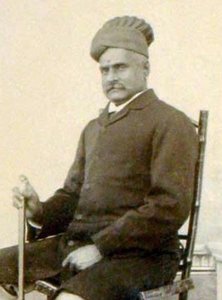
Раджа Рави Варма
1848 - 1906 , Индия
Бързи факти
- Artistic Movement Or Style: Академичен и индийски фюжън
- Artists Or Movements Influenced By This Artist: ['Съвременна индийска изкуство']
- Artists Who Influenced This Artist: ['Европейски майстори']
- Date Of Birth: 29 април 1848
- Date Of Death: 2 октомври 1906
- Full Name: Raja Ravi Varma
- Nationality: Индиец
- Notable Artworks:
- Ханса Дамаянти
- Махарани на Траванкоре
- Шакунтала
- Place Of Birth: Киламанавро, Индия

