

 Представи си го
 Изпрати
 Сподели
 Детайли

 Изтегляне
 Подобни
 Рентгенова снимка
 Слайдшоу
 Статистика
Nair Lady With A Mirror


 Прочетете повече
Жикле / Художествен принт
Giclée печат или принт върху платно с музейно качество, бързо производство и гъвкави опции за завършен вид. ( Купете ръчно рисувана картина Превключване към дигитално изображение)




P118B $10

P118H $10

P118W $10

P438Z $10

P508JH $12

P508YH $12

P805H $10

P805Z $10

P919BZ $10

P919G $10

P919XJ $10

P959ZH $10

P968JZ $12

W106C $8

W218G $10

W218JH $8

W218Y $10

W307PJ $10

W316G $10

W316PJ $8

W316Y $10

W398PJ $8

W4111J $10

W500HY $15

W500JH $15

W692G $12

W849H $8

W940BG $15

W953PJ $8




Изберете от предварително зададените размери, които съответстват на оригиналните пропорции на произведението.

Можете да въведете собствени размери, за да паснат на конкретна рамка или пространство. Ако избраният от Вас размер не съвпада с пропорциите на оригиналното изображение, ние ще изрежем произведението или ще разширим изображението с огледален или едноцветен ръб. Дигитален макет ще бъде изпратен за Ваше одобрение преди започването на производството.
Моля, имайте предвид, че предпрегледът на екрана не отразява реалното изрязване или разширяване. Само макетът ще покаже точно финалната композиция.
Въпреки че са налични персонализирани размери, препоръчваме да изберете размер от предварително дефинирания списък, за да запазите оригиналните пропорции.
Доставка по целия свят () в рамките на 2 седмици вместо стандартните 4/5 седмици. (17 Септември)

Безплатна експресна доставка по целия свят

Висококачествено ленено платно

Пълно застраховане при доставка

Гаранция за възстановяване на митнически такси

Гаранция за цветова точност

Политика за връщане в рамките на 100 дни (само при дефекти)

100% Гаранция за връщане на парите

Предложение за отстъпка при поръчка на едро
 Стъклото е налично само в размери под 110 см

Nair Lady With A Mirror
Жикле / Художествен принт
Размер на репродукцията
-


Обща цена
$ 80
A Moment Captured: The Intimacy of Self-Reflection
This exquisite portrait, titled Nair Lady With A Mirror, invites the viewer into an intimate, almost whispered moment of personal contemplation. It captures a lady caught in the gentle ritual of grooming—the act of brushing her hair while gazing into the reflective surface before her. Raja Ravi Varma, master chronicler of everyday Indian life imbued with classical grace, has gifted us more than just a likeness; he offers a window into domestic tranquility from the turn of the 20th century. The scene is richly composed, suggesting the private sanctuary of a well-appointed bedroom, complete with visible drapery at a nearby window and the soft presence of decorative vases flanking the space.
The Artistry of Raja Ravi Varma
To appreciate this work is to understand the genius of its creator. Raja Ravi Varma (1848–1906) stands as a monumental figure in Indian art history, celebrated for his unparalleled ability to synthesize the rigorous techniques of European academic painting with the vibrant narratives and deep cultural resonance of Indian aesthetics. His style is instantly recognizable: a seamless marriage of Western realism and indigenous romanticism. While he often painted mythological grandeur, as seen in his depictions of Hindu deities, works like this ground his mastery in the relatable human experience. He possessed an uncanny gift for rendering the feminine form with both dignity and delicate allure.
Symbolism and Setting: Domestic Grace
The mirror itself is a potent symbol throughout art history—it represents self-knowledge, vanity, and the boundary between the inner world and outward appearance. Here, combined with the act of combing hair, it speaks to a quiet moment of self-assessment. The setting, hinted at by the bed in the background and the patterned curtains, anchors the piece firmly within the realm of domesticity. These elements transform what could be a simple portrait into a narrative study of feminine poise. It is an ode to the rituals that define personal space and beauty.
Technique and Emotional Resonance for the Modern Collector
The painting’s execution, dating from 1894, showcases Varma's meticulous attention to detail—from the sheen on the comb to the soft folds of the fabric. The light seems to emanate naturally within the room, highlighting the subject’s features and lending an ethereal glow to the entire composition. For those seeking art that breathes history into a modern interior, this piece offers profound emotional depth without sacrificing elegance. Owning a reproduction allows one to curate a space filled with timeless romance and sophisticated cultural narrative, making it a breathtaking focal point for any drawing-room or master suite.
Биография на художника
The Princely Brush: Raja Ravi Varma and the Dawn of Modern Indian Painting
Raja Ravi Varma, a name that echoes through the halls of Indian art history, was more than just a painter; he was a cultural architect who skillfully blended European academic techniques with the vibrant soul of Hindu mythology. Born in 1848 within the opulent confines of Kilimanoor Palace, nestled amidst the lush landscapes of Kerala, his life unfolded as a remarkable synthesis of aristocratic privilege and an unyielding creative spirit. He wasn’t merely capturing images; he was breathing life into ancient narratives, forging a new visual language for India that would resonate deeply with its people. His family's deep roots within the Travancore royal house – two of his daughters later becoming integral members of the royal family – provided him with an unparalleled understanding of Indian courtly traditions and values, profoundly shaping his artistic vision. From a young age, Ravi Varma displayed an extraordinary aptitude for art, nurtured by his uncle, Raja Raja Varma, who introduced him to the world of drawing and painting, primarily within the established framework of the Tanjore School. However, this was merely the foundation upon which he would build something truly revolutionary – a fusion of East and West that redefined Indian artistic expression.A Fusion of Worlds: Technique and Inspiration
Ravi Varma’s artistic journey took an extraordinary turn during his travels and interactions with British officials stationed in India. He became utterly captivated by the realism, precision, and technical mastery evident in European academic painting. He diligently studied its principles – perspective, anatomy, light, and shadow – not simply to imitate, but to understand how these elements could be harnessed to convey emotion and narrative depth within his own work. Crucially, unlike many of his contemporaries who merely adopted Western styles superficially, Varma ingeniously adapted these techniques to serve distinctly Indian subjects. His canvases transformed into vibrant stages for scenes from the Ramayana, the Mahabharata, and the Puranas, populated by gods and goddesses rendered with a newfound naturalism that was both startlingly lifelike and deeply evocative. He didn’t merely illustrate religious stories; he imbued them with human emotion, psychological complexity, and an almost palpable sense of drama. Consider his portrayal of *Hansa Damayanthi*, where the heroine's longing gaze and delicate posture convey a depth of feeling previously unseen in Indian art – a testament to Varma’s ability to transcend mere representation and capture the very essence of human experience. His mastery of oil painting, a relatively new medium in India at the time, allowed him to achieve an unprecedented level of detail, luminosity, and emotional intensity. The rich colors, subtle gradations of light, and meticulously rendered textures created a visual feast that captivated audiences and established him as a pioneer of modern Indian painting.Democratizing Art: Lithographs and Public Appeal
Recognizing that his exquisite paintings were largely confined to the elite circles of royalty and art connoisseurs, Raja Ravi Varma embarked on a bold initiative – establishing the Raja Ravi Varma Fine Arts Lithographic Press in 1894. This groundbreaking venture was nothing short of revolutionary. By utilizing lithography, a printing technique that allowed for the mass production of affordable images, he democratized access to his art like never before. Suddenly, scenes from Hindu mythology and religious narratives were no longer restricted to temples or palaces; they adorned homes across India, becoming objects of worship, cultural pride, and shared identity. The lithographs weren’t simply reproductions; they were carefully crafted interpretations that captured the essence of Varma's originals – a testament to his artistic vision and meticulous attention to detail. This act of “democratizing art” had a profound impact on Indian society, fostering a wider appreciation for visual culture and shaping popular perceptions of religious iconography. The lithographs became symbols of national identity, uniting people across social and economic divides through their shared connection to these iconic images.Royal Patronage and Artistic Development
Ravi Varma’s artistic development was significantly shaped by the patronage he received from various royal courts throughout India. He began his career as a court painter in Travancore, where he honed his skills under the guidance of Rama Swamy Naidu, a seasoned palace painter. Later, he served in the royal courts of Mewar, Baroda, and Mysore, each experience enriching his artistic repertoire and exposing him to diverse cultural influences. This constant interaction with royalty provided him with access to resources, materials, and opportunities for experimentation that would have otherwise been unavailable. The support of these royal patrons allowed him to travel extensively, study different artistic traditions, and develop a uniquely hybrid style – one that seamlessly blended European academic techniques with the rich tapestry of Indian mythology and aesthetics. His ability to navigate these diverse environments and adapt his art to suit different cultural contexts is a testament to his versatility and artistic genius.Legacy and Enduring Influence
Raja Ravi Varma passed away in 1906, leaving behind a legacy that continues to inspire and influence artists today. He wasn’t merely a painter; he was a visionary who fundamentally altered the course of Indian art history. His work not only transformed the landscape of Indian painting but also laid the foundation for modern Indian art by challenging conventional norms, embracing innovation, and skillfully blending tradition with modernity. His paintings remain powerful testaments to his genius – masterpieces that capture the beauty, spirituality, and cultural richness of India. He is rightly regarded as one of the most important figures in Indian art history, a pioneer who dared to forge a new path and inspire generations of artists to come. His influence can be seen in the works of subsequent generations of Indian artists who sought to create a distinctly national artistic identity, reflecting both their heritage and their aspirations for the future.- Explore artworks: Discover masterpieces like "Portrait of a Gentleman," "Hansa Damayanthi," and "The Maharani of Travancore" through online databases.
- Visit museums: Immerse yourself in Varma’s legacy at The Raja Ravi Varma Heritage Foundation, The Ganesh Shivaswamy Foundation, and the Kiran Nadar Museum of Art.
- Further research: Consult Wikipedia and Google Arts & Culture for detailed biographical information and scholarly insights.
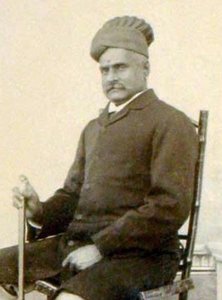
Раджа Рави Варма
1848 - 1906 , Индия
Бързи факти
- Artistic Movement Or Style: Академичен и индийски фюжън
- Artists Or Movements Influenced By This Artist: ['Съвременна индийска изкуство']
- Artists Who Influenced This Artist: ['Европейски майстори']
- Date Of Birth: 29 април 1848
- Date Of Death: 2 октомври 1906
- Full Name: Raja Ravi Varma
- Nationality: Индиец
- Notable Artworks:
- Ханса Дамаянти
- Махарани на Траванкоре
- Шакунтала
- Place Of Birth: Киламанавро, Индия
Всички статии

Raja Ravi Varma: Bridging Tradition & Modernity in 19th-Century Indian Art
Explore the life & art of Raja Ravi Varma, a pioneer who fused European techniques with Indian iconography. Discover his iconic paintings, lasting legacy, and influence on modern Indian art at OriginalUniqueArt.
Echoes of Olympus: Mythological Narratives in Western Art Through the Ages
Explore the captivating history of mythological narratives in Western art! From ancient Greece to modern masterpieces, discover iconic artworks & symbolism. Expert analysis and high-quality reproductions at OriginalUniqueArt.

Embrace the Drama: A Curated Guide to Victorian Romanticism for Sophisticated Home Decor
Transform your space with the dramatic elegance of Victorian Romanticism. Discover expert tips on incorporating Pre-Raphaelite art, rich textures, and moody palettes into your home decor to create a sophisticated, soulful sanctuary that celebrates historical grandeur.
Мариане Норт: Топ 25 шедьовъра на викторианската ботаническа живопис | OriginalUniqueArt.com
Открийте 25 шедьовъра на Мариане Норт – викторианската художничка, пленила красотата на екзотичните растения. Ботаническа живопис, тропически пейзажи и изкуство за дома с OriginalUniqueArt.com. Разгледайте колекцията онлайн!

Топ 25 шедьовъра на Данте Габриел Росети: Изкуство, символизъм и красота за вашия дом
Открийте 25 шедьовъра на Данте Габриел Росети! Потопете се в света на прерафаелитизма, символизма и викторианската красота. Висококачествени репродукции за вашия дом – купете картини онлайн на OriginalUniqueArt.com.

