Gongbi Landscape · 1530
Handscroll (Кю Ин, 1530)
Кю Ин (1494–1552) създаде Handscroll. Датира от 1530. Това произведение принадлежи към движението Gongbi Landscape. Изработено от Acrylic On Canvas. Съхранява се в Метрополитън Музей на изкуствата в Ню Йорк, United States of America.
- 1530
- Acrylic On Canvas
- Метрополитън Музей на изкуствата, Ню Йорк

 Преглед в реален мащаб

 Ръчно изработена маслена картина
 Изпрати
 Сподели
 Информационен лист


 Изтегляне
 Подобни артикули
 Рентгенова снимка
 Слайдшоу
 Въпроси и отговори

 Статистика
Handscroll накратко
- Заглавие
- Handscroll
- Художник
- Кю Ин (1494–1552)
- Роден в
- Тайкан, Китай
- Дата
- 1530
- Материал
- Acrylic On Canvas
- Къде може да се види
- Метрополитън Музей на изкуствата, Ню Йорк, United States of America
- Движение
- Gongbi Landscape
- Епоха
- Late Medieval
- Обект
- ming dynasty, landscape, scroll, qiu ying, luohans, chinese art
Какво е изобразено в Handscroll?
Qiu Ying’s “Up the River During Qingming”: A Masterpiece of Ming Dynasty Serenity
“Up the River During Qingming,” painted by Qiu Ying during the mid-16th century, is more than just a landscape; it's a carefully constructed meditation on harmony, leisure, and the enduring beauty of nature. Attributed to one of China’s Four Masters of the Ming Dynasty – alongside Shen Zhou, Tang Yin, and Wen Zhengming – this exquisite handscroll offers a rare glimpse into the refined aesthetic sensibilities of Suzhou during that era. The work, currently residing in the collection of the National Gallery of Canada, invites viewers into a tranquil scene brimming with subtle symbolism and masterful brushwork.
Qiu Ying’s artistic journey was remarkably unconventional for his time. Rather than pursuing formal training within established art circles, he began as a lacquer artisan, honing his skills in meticulous detail – a foundation that profoundly influenced the precision and control evident throughout “Up the River During Qingming.” This early experience instilled in him an unparalleled understanding of line and color, qualities he would later translate into his celebrated landscape paintings. His apprenticeship with Zhou Chen in Suzhou further solidified his technical abilities, exposing him to the techniques of the Wu School, known for its emphasis on ink washes and a more expressive approach to nature.
A Symphony of Detail: Technique and Style
The painting’s remarkable quality stems from Qiu Ying's mastery of the gongbi technique – a highly detailed, realistic style that was favored by court painters. Each element—from the meticulously rendered bamboo stalks to the delicate folds of the pavilions—is executed with painstaking precision, creating an illusion of incredible depth and texture. Notice the subtle gradations of color achieved through layering washes of ink and pigment; this creates a luminous quality that brings the scene to life. The composition is carefully balanced, drawing the eye across the landscape in a deliberate and engaging manner. The artist’s use of loose brushwork, particularly in depicting the distant mountains and flowing river, contrasts beautifully with the tightly controlled detail of the foreground elements, demonstrating Qiu Ying's versatility and his ability to seamlessly blend different artistic approaches.
Symbolism Woven into the Landscape
“Up the River During Qingming” is rich in symbolic meaning. The scene depicts a scholar leisurely enjoying a day by the river, surrounded by carefully arranged pavilions and gardens. This imagery reflects the Confucian ideals of scholarly pursuits, contemplation, and harmony with nature – values highly esteemed during the Ming Dynasty. The presence of the tavern and the farmer gathering water vegetables adds a touch of everyday life to the scene, reminding us that even amidst beauty and tranquility, human activity continues. The bamboo grove, a recurring motif in Chinese art, symbolizes resilience, integrity, and longevity—qualities admired in virtuous individuals. The distant mountains represent permanence and stability, while the flowing river embodies fluidity and change.
A Window into Ming Dynasty Culture
Beyond its aesthetic beauty, “Up the River During Qingming” offers a valuable insight into Ming Dynasty culture. It reflects the importance of gardens as spaces for contemplation, artistic expression, and social interaction. The lavish furnishings within the pavilions—including the exquisite celadon vase—demonstrate the wealth and sophistication of the era’s elite. The painting also reveals the influence of philosophical ideas, particularly those associated with Zhou Dunyi, whose “On the Love for the Lotus” inspired the scene's composition and symbolism. Qiu Ying’s ability to seamlessly integrate these diverse elements into a cohesive and harmonious whole is a testament to his artistic skill and cultural awareness.
Collecting a Legacy: Reproduction and Inspiration
Reproductions of “Up the River During Qingming” capture only a fraction of the painting's original impact. The subtle nuances of color, texture, and brushwork are difficult to replicate fully, but high-quality reproductions offer an accessible way to appreciate Qiu Ying’s artistry. This work serves as a powerful reminder of the enduring appeal of Chinese landscape painting—a genre that continues to inspire artists and captivate viewers with its beauty, symbolism, and profound sense of serenity.
В кой музей се намира Handscroll?
Метрополитън Музей на изкуствата
Ню Йорк, United States of America
Произход и история на Метрополитън Музей на изкуствата Метрополитън Музей на изкуствата започва своя път с визия, споделена от група предприемачи, финансисти, водещи художници и мислители. След официалното си основаване през 1870 г., институцията започва търсенето на постоянен дом, който да приюти нейните все по-големи колекции. Преди да се установи на сегашното си място, музеят прекарва кратък период в имението на Дъглас Мансън на Уест 14-та улица.


Изображения с висока резолюция на Handscroll

Обществено достояние: художникът е починал през 1552 г.
Други размери, кадриране и цитиране →Кю Ин, Handscroll (1530), Метрополитън Музей на изкуствата. Обществено достояние
Отговори на въпроси относно Handscroll
Къде може да бъде видяно „Handscroll“ на Кю Ин днес?
„Handscroll“ на Кю Ин е изложена в Метрополитън Музей на изкуствата, Ню Йорк, United States of America. Информацията за музея се отнася за оригиналното произведение, а не за репродукции.
Кога е създадено "Handscroll"?
„Handscroll“ на Кю Ин е създадена през 1530.
С каква техника е изпълнено „Handscroll“ на Кю Ин?
Кю Ин е използвал/а техниката Acrylic On Canvas за „Handscroll“. Тази техника определя материалната природа на оригиналното произведение.
Какви сюжети се появяват в „Handscroll“ на Кю Ин?
Темите, представени в „Handscroll“ на Кю Ин, включват ming dynasty, landscape, scroll, qiu ying, luohans, chinese art, gongbi. Заедно те обобщават съдържанието на произведението.
Свободен ли е от авторско право "Handscroll"?
Статусът на авторското право за „Handscroll“ на Кю Ин: произведението е в обществено достояние – авторското право е изтекло. Това определя дали могат да се правят свободно репродукции на изображението.
Кой е създал "Handscroll"?
„Handscroll“ е създадена от Кю Ин. Информацията на тази страница описва оригиналната творба на Кю Ин.
Към кое художествено направление принадлежи „Handscroll“ на Кю Ин?
„Handscroll“ на Кю Ин принадлежи към художественото направление Gongbi Landscape. Това движение определя стилистичния контекст на произведението.
Към кой период от кариерата на Кю Ин принадлежи „Handscroll“?
В рамките на кариерата на Кю Ин, „Handscroll“ принадлежи към периода Mid-16th Century. Тази фаза позволява да се направи сравнение с другите творби на художника.
На каква възраст Кю Ин създава „Handscroll“?
Кю Ин е бил на 36 години, когато създава „Handscroll“ през 1530. Възрастта е изчислена въз основа на годината на раждане на художника, 1494.
За художника Кю Ин
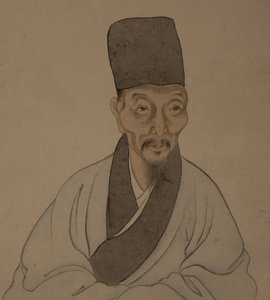
1494–1552, Китай
Кю Ин
Живот, изкован в мазки: Светът на Цю Ин Роден в скромни обстоятелства през 1494 г. в град Тайцан, близо до днешната провинция Цзянсу, Цю Ин се издига до едно от най-прославните имена в живописта на династията Мин. За разлика от мнозина художници от неговата епоха, които се ползват с предимствата на ученско възпитание и формално образование в утвърдени художествени кръгове, пътят на Цю Ин е изключително самонаучен. Той започва своето артистично пътешествие не по традиционните канали, а като ученик на майстор по лакиране, прецизирайки уменията си в детайлна декоративна работа – основа, която дълбоко ще повлияе на педантичната прецизност, характерна за неговите по-късни произведения.
Други творби на Кю Ин
 Up the River During Qingming1644
 Zhao Mengfu Writing the Heart (Hridaya) Sutra in Exchange for Tea1542
 Lady Su Hui and Her Verse Puzzle501
 The Seven sages of the bamboo grove1552

Есеи по темата Handscroll
 Understanding Chinese Painting: A Comparison of Gongbi and XieyiMaster the differences between Gongbi and Xieyi styles. Discover the history and techniques of Chinese ink painting now.
 25 Must-See Masterpieces at Berlin's Alte NationalgalerieExplore 25 iconic masterpieces from Berlin's Alte Nationalgalerie. From Romanticism to Impressionism, discover them all on OriginalUniqueAr…
 Understanding Chinese Art: Literati Painting and Song Academy PaintingMaster the distinction between Song Academy and Literati painting styles. Explore Chinese art history through expert analysis today.