

 Сподели
 Сподели
 Подробности
 Ръководство

 Изтегляне
 Подобни артикули
 Слайдшоу
 Статистика
Untitled


 Разгърни целия текст
Изкуството, представено на тази страница, е защитено от законите за авторско право, което означава, че не можем законно да създаваме или продаваме идентични репродукции. Тази защита се прилага съгласно международни споразумения като Бернска конвенция и от националното законодателство, включително разпоредбите на Закон за авторското право на САЩ – Раздел 17.
Като уважителна и законна алтернатива, ние предлагаме изработени по поръчка, ръчно рисувани произведения на изкуството, вдъхновени от оригинала. Нашите умени и професионални артисти внимателно изучават стила, настроението и артистичната същност на оригиналното произведение, за да създадат ново, уникално творческо произведение, което предизвиква същото чувство – оставайки в същото време самостоятелно оригинално творение.
Този метод е напълно съвместим с законите за авторско право, тъй като не включва копиране или дублиране на защитеното произведение. Вместо това става въпрос за творческа реинтерпретация – нова картина, която е вдъхновена от оригинала, но не е идентична с него.
Ръчно изработена маслена репродукция
Ръчно рисувана маслена картина върху платно във вашия размер и рамка, изработена по поръчка от нашите художници. ( Избор на принт Превключване към дигитално изображение)




































Изберете от нашите предварително зададени размери, които съответстват на оригиналните пропорции на произведението.

Въведете необходимата ширина и височина, за да паснат на вашата рамка или стена. Тъй като това е ръчна работа, при избор на размер с различен формат, художникът може да нарисува малко повече около картината или да отреже малко от периферията — вие избирате. Преди да започне рисуването, ще ви изпратим дигитален мок업 за одобрение. Картината, показана на тази страница, не е реалният резултат — само мок업ът го показва.
След получаване на поръчка, екипът на OriginalUniqueArt.com ще изпрати имейл до клиента с инструкции и ще предостави примерен макет за преглед.
Доставка по целия свят () в рамките на 3-4 седмици вместо стандартните 5 седмици. (22 Октомври). Без компромис с качеството.

Безплатна експресна доставка по целия свят

Висококачествено ленено платно

Пълно застраховане на доставката

Гаранция за възстановяване на митнически такси

Гаранция за пълно съответствие на цветовете

Политика за връщане в рамките на 100 дни (само при дефекти)

100% Гаранция за връщане на сумата

Отстъпка при поръчка на повече произведения
 Опцията със стъкло е налична само за размери под 110 см

Untitled
Техника на репродукция
Размер на репродукцията
-


Крайна цена
€ 263
The Soul of the Streets Captured on Paper
In the evocative work Untitled (1980), the legendary Purvis Young invites us into a kinetic, frenetic world where the boundaries between literature and life dissolve. This piece is not merely a drawing; it is an intervention. By utilizing the weathered pages of what appears to be a basketball textbook or reference manual, Young transforms static, instructional text into a living, breathing arena of movement. The choice of medium—found paper repurposed through raw, expressive strokes—is quintessential to Young’s autodidactic spirit. He does not seek the pristine canvas of the elite; instead, he finds his stage in the discarded and the everyday, turning the very tools of education into a playground for urban storytelling.
The subject matter captures the rhythmic pulse of community life through the lens of sport. Within the margins of the printed word, figures emerge in mid-action, locked in the intense, physical dialogue of a basketball game. There is a profound sense of motion as men leap, pivot, and compete against one another. These are not polished athletes of a professional league, but rather the spirited, gritty protagonists of Overtown and Liberty City. The drawings possess a raw, gestural energy that mirrors the heartbeat of Miami’s streets, where every movement is a testament to resilience and the shared joy found in communal play.
A Masterclass in Found-Object Expressionism
Technically, this work exemplifies Young’s unique ability to layer narrative over existing structures. The technique is one of beautiful disruption; the artist uses the pre-existing typography and layout of the book to provide a rhythmic backdrop for his figures. This creates a fascinating tension between the structured, authoritative voice of the printed text and the spontaneous, uninhibited energy of the ink and pigment. The way the figures interact with the edges of the pages and the columns of text suggests that the art is not just sitting on the page, but is erupting from within it.
For the discerning collector or interior designer, this piece offers a profound emotional depth that transcends simple decoration. It serves as a powerful conversation starter, embodying the concept of "art from nothing." The symbolism of using a textbook—a symbol of formal instruction—to host an unscripted, street-level narrative speaks to the triumph of lived experience over formal training. To hang a high-quality reproduction of this work is to bring a piece of authentic urban history into a space, offering a window into a world where creativity is an act of survival and every discarded scrap of paper holds the potential for greatness.
Въпроси и отговори
Каква емоция предава произведението от Contemporary Art „Untitled“?
Energetic емоцията на „Untitled“ допълва нейния Contemporary Art стил.
Коя палитра и доминиращ цвят определят "Untitled"?
Цветовата идентичност на „Untitled“ на Пурвис Юнг: палитра от Neutrals, доминирана от Khaki (#e6cf90).
Какво чувство създават цветовете на „Untitled“ на Пурвис Юнг?
В „Untitled“ цветовете на Neutrals придружават Energetic усещане.
Биография на художника
A Life Forged in Overtown: The Story of Purvis Young
Purvis Young’s art wasn't born in a sterile studio, but rather emerged from the vibrant, chaotic heart of Miami’s Overtown neighborhood—a place he didn’t merely depict, but truly *lived* and breathed. Born in Liberty City in 1943, his journey was one defined by self-discovery, fueled by hardship, keen observation, and an unwavering commitment to translating the soul of his community onto any surface available to him. He wasn't a formally trained artist; his education stemmed from immersing himself deeply within art books during a period of incarceration, followed by relentless study at Miami’s public libraries – a testament to his innate curiosity and self-directed learning. This autodidactic approach became the cornerstone of his artistic identity—a deliberate rejection of established norms, mirroring the remarkable resilience of Overtown itself. His early life was marked by significant challenges, including time spent incarcerated for breaking and entering, an experience that profoundly shaped his worldview and ignited a creative fire within him. Upon his release, he didn’t seek out galleries or the patronage of established dealers; instead, he turned inward, finding inspiration in the decaying beauty and the raw humanity surrounding him – transforming discarded materials into powerful expressions of his surroundings.The Alchemy of Found Objects
Purvis Young's artistic process was as unique and unconventional as his vision. He wasn’t driven by a desire for pristine canvases or expensive materials; rather, he scoured Overtown—a neighborhood undergoing dramatic transformation and decline – for discarded wood, scrap metal, old books, fragments of wallpaper, and anything else that caught his eye. These weren't simply *materials*; they were the very essence of the community he sought to represent, imbued with memories, stories, and a sense of forgotten history. He meticulously transformed these castoffs into powerful assemblages – layering drawings, paintings, and text in a deliberately chaotic yet strangely harmonious manner. This technique wasn’t merely about resourcefulness or ingenuity; it was a deliberate act of reclamation—a way of giving voice to the marginalized, the overlooked, and the discarded. His work frequently featured recurring motifs: horses symbolizing freedom and hope, angels representing spirituality and faith, and fragmented figures engaged in ritualistic acts – all rendered with an expressive rawness that conveyed both profound despair and unwavering optimism. The surfaces themselves were often textured, layered, and deliberately distressed, mirroring the physical and emotional landscape of Overtown—its beauty intertwined with its struggles. He didn’t just paint *about* the neighborhood; he painted *with* it, incorporating its very fabric into his art.Influences and a Singular Voice
While largely self-taught, Young wasn't entirely isolated from artistic currents. The mural movement of the 1960s profoundly influenced him, inspiring him to create large-scale works directly within Overtown—transforming dilapidated walls into vibrant canvases that documented the lives and struggles of its residents. He absorbed influences from a diverse range of sources – evident in his eclectic style – yet he never simply imitated or copied existing styles. His work possesses a distinct aesthetic – a raw energy, a chaotic beauty, and a poignant social commentary that sets him apart. Some critics have noted echoes of Expressionism and Surrealism within his imagery, but these are filtered through the unique lens of his personal experience and cultural context. He wasn’t interested in replicating established styles; he was intent on forging his own visual language—one that could capture the complexities of urban life and the resilience of the human spirit. His work often felt deeply rooted in folk art traditions, yet it possessed a distinctly modern sensibility.A Chronicle of a Community
Purvis Young's significance extends far beyond mere aesthetics; his work serves as an invaluable historical document, preserving the memory of Overtown during a period of profound transformation and social upheaval. He captured the essence of a community facing displacement, poverty, and systemic injustice – giving voice to those who were often marginalized and ignored by mainstream society. His paintings weren’t simply representations of people; they *were* portraits of individuals, imbued with personality, dignity, and a sense of lived experience. The recurring imagery—horses galloping towards the horizon, angels watching over the city—suggested themes of hope, faith, and the pursuit of freedom. His art became a visual chronicle of Overtown’s soul, documenting its triumphs and tribulations with unflinching honesty.Recognition and Lasting Legacy
For years, Young's work circulated primarily within a devoted local following – a testament to his talent and the genuine connection he forged with the people of Overtown. Collectors like Jane Fonda, Damon Wayans, Jim Belushi, and Dan Aykwood recognized the power and originality of his vision early on, providing crucial support during a time when mainstream art institutions largely overlooked him. The documentary *Purvis of Overtown* (2006) brought wider attention to his life and work, but it was ultimately the increasing recognition from prestigious museums – including the American Folk Art Museum, the Pérez Art Museum Miami, and the Smithsonian American Art Museum – that solidified his place in art history. In 2018, he was posthumously inducted into the Florida Artists Hall of Fame—a remarkable achievement for an artist who had largely operated outside the established art world. Today, his paintings are held in collections around the globe, serving as a powerful reminder of the transformative power of art and the enduring legacy of a truly unique and visionary artist.
Пурвис Юнг
1943 - 2010 , Съединени Американски Щати
Бързи факти
- Artistic Movement Or Style: Социално изразяване
- Date Of Birth: 4 февруари 1943 г.
- Date Of Death: 21 април 2010 г.
- Full Name: Purvis Young
- Nationality: Американски
- Notable Artworks:
- Неопределено (1980)
- Неопределено (1978)
- Place Of Birth: Либерти Сити, САЩ
Свързани статии

От Вандализъм към Визия: Историята на Съвременното Улично Изкуство
Разгледайте историята на уличното изкуство – от графити вандализъм до признат артистичен феномен. Открийте ключови фигури, социалния коментар и бъдещето на стрийт арта в България и по света.
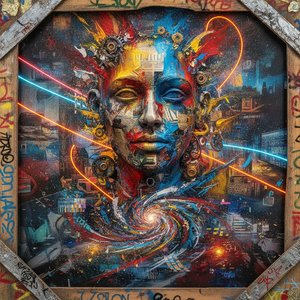
Mixed Media Magic: How to Layer Texture and Street Style for High-Impact Art
Master the art of high-impact decor with our trend forecast on mixed media. Discover how to layer street style textures and dimensional elements to create a bold, urban aesthetic for your modern space. Elevate your collection with professional insights into contemporary art trends.

Chalk Art Unlocked: Master the Bold, Dusty Texture of Street & Pop Style
Master the bold, dusty textures of street and pop art. Discover how chalk-inspired aesthetics and high-impact graphic styles are redefining modern urban interiors through tactile pigment and raw, energetic design.
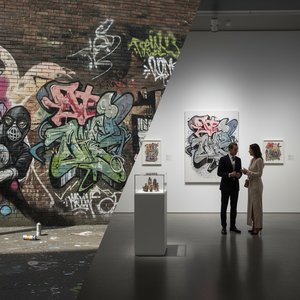
From Walls to Galleries: The Bold Evolution of Street Art and Its Rise into High-End Collectibles
Explore the captivating journey of street art from urban walls to prestigious galleries. Discover how contemporary graffiti has evolved into a high-end collectible movement, redefining modern interior design and global art culture.
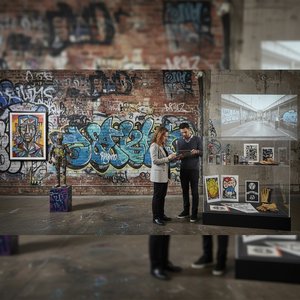
Beyond Graffiti: Exploring the Evolution & Cultural Impact of Street Art for Collectors
Explore the evolution of street art from rebellious origins to a respected fine art form. Discover key artists like Banksy & learn how to collect urban art with confidence. Expert insights for discerning investors.


