

 Сподели
 Сподели
 Подробности
 Ръководство

 Изтегляне
 Подобни артикули
 Слайдшоу
 Статистика
Rape of Proserpine
 Fresco
- Renaissance
 1509
1509- Renaissance
 79.0 x 81.0 cm
 Разгърни целия текст
Закупете дигитално изображение с висока резолюция и подобрени характеристики, значително по-качествено от онлайн прегледа.
Всеки файл е щателно подготвен от нашите специалисти с помощта на съвременни инструменти и експертен ръчен ретуш. Гарантираме, че всяко изображение притежава изключителна яснота, прецизна цветова точност и фини детайли.
Окончателният файл се доставя по имейл в рамките на 72 часа, оптимизиран за незабавна употреба в професионални, редакционни и печатни среди. Това е същото качество, на което се доверяват водещи дизайнерски студия, издатели и галерии.
Дигитално изображение
Изтеглете файл с висока резолюция за лично съхранение, принтиране и творчески проекти. ( Избор на принт Поръчайте ръчно рисувано репродукция на този колекционерски предмет)
Включено във всяка поръчка за дигитални изображения
Експертна дигитална доставка, гарантирана
Избирайки OriginalUniqueArt.com, вие не получавате просто изображение – вие придобивате професионално обработена дигитална творба, създадена с прецизност и подкрепена от гаранция за удовлетворение. Ето какво автоматично е включено във вашата поръчка:

Бърза доставка по имейл
Вашето дигитално изображение с висока резолюция ще бъде изпратено по имейл в рамките на 72 часа от поръчката – готово за незабавно използване.

Дигитален файл с подобрено качество чрез ИИ
Вашата картина е професионално оптимизирана с помощта на усъвършенствани инструменти за изкуствен интелект и ръчна редакция, осигурявайки максимална детайлност, яснота и точност на цветовете.

Безплатна доживотна повторна доставка
Изгубили сте или сте изтрили файла си по погрешка? Не се притеснявайте – ще го изпратим отново на Вас по всяко време, безплатно.

Без митнически такси – завинаги
Насладете се на вашето произведение незабавно, без мита, данъци или такси за доставка – дигиталните изтегляния винаги са освободени от данъци.

Гаранция за точност на цветовете
Гарантираме, че вашето дигитално изображение отразява оригиналните цветове възможно най-точно, чрез използването на професионални инструменти и системи за управление на цветовете.

100-дневна гаранция за удовлетвореност
Ако не сте доволни от вашето дигитално изображение, ще го преработим или ще възстановим 100% от сумата в рамките на 100 дни – без излишни въпроси.

100% Гаранция за връщане на сумата
Не сте доволни? Получете пълен възврат на сумата в рамките на 100 дни от получаването на вашия цифров файл – без излишни въпроси.

Отстъпки за големи поръчки
Купете 3 изображения, спестете 10% - Купете 5, спестете 15% - Купете 10+, спестете 20%. Идеално за творчески проекти, галерии и агенства.
A Celestial Drama in Fresco
In the delicate, sun-drenched fragments of Pinturicchio’s Rape of Proserpine, we encounter a moment of profound mythological upheaval captured with the exquisite grace of the Italian Renaissance. This fresco, once part of a magnificent ceiling within the Palazzo del Magnifico in Siena, serves as a breathtaking window into a world where the divine and the mortal collide. The scene depicts the harrowing abduction of Proserpine by Pluto, a narrative that vibrates with movement and tension. As the goddess is swept away by a group of men on horseback, the viewer is immediately struck by the dynamic composition; there is a palpable sense of urgency in the way the figures surge across the frame, their forms intertwined in a chaotic yet choreographed dance of power and distress.
The artistry of Pinturicchio lies in his ability to balance the raw emotion of the subject matter with a refined, decorative elegance. While the theme is one of violence and loss, the execution remains remarkably poised. The artist utilizes a vibrant palette that breathes life into the ancient story, using rich pigments to highlight the muscularity of the horses and the flowing drapery of the figures. Small, unexpected details—such as the presence of birds watching from the periphery—add a layer of naturalistic charm to the epic drama, grounding the mythological event in a world that feels both otherworldly and intimately real.
The Legacy of the Golden House
To understand the visual language of this masterpiece, one must look back to the shadows of Imperial Rome. Pinturicchio was an artist deeply enamored with antiquity, and in this work, he draws direct inspiration from the Golden House of Nero. The very structure of the composition, designed to mimic a vaulted ceiling, evokes the grandeur of Roman imperial splendor. By integrating motifs derived from ancient sarcophagi and classical architecture, Pinturicchio bridged the gap between the rediscovered glory of the past and the burgeoning humanism of his own era.
This piece was not merely an isolated creation but part of a larger, cohesive decorative program for Pandolfo Petrucci, the ruler of Siena. The room in which this fresco resided was a triumph of Renaissance luxury, featuring intricate stuccowork and majolica tile floors that complemented the narrative intensity of the walls. For the modern collector or interior designer, owning a reproduction of such a work means bringing more than just an image into a space; it means inviting a piece of historical continuity and architectural prestige into the home.
An Invitation to Timeless Elegance
For those seeking to curate an environment of intellectual depth and aesthetic splendor, the Rape of Proserpine offers unparalleled inspiration. The painting’s ability to command attention through its intricate details and emotional resonance makes it a centerpiece capable of transforming any room. Whether placed in a formal study or a grand living area, the work serves as a conversation starter, evoking the sophisticated tastes of the Italian Renaissance masters.
A high-quality reproduction of this fresco allows the delicate textures of the original stuccowork and the luminous quality of the pigments to be appreciated in a contemporary setting. It is an opportunity to surround oneself with the storytelling power of the 16th century, capturing the essence of Pinturicchio’s unique ability to blend Gothic delicacy with Renaissance strength. In every brushstroke of a faithful reproduction, one finds the enduring spirit of an age that celebrated beauty, myth, and the eternal drama of the human condition.
Въпроси и отговори
Какво приложение и какво пространство се препоръчват за „Rape of Proserpine“ на Пинтуричио?
„Rape of Proserpine“ на Пинтуричио се препоръчва за Focal, идеално в Restaurant. Начинът на използване и пространството заедно подсказват къде е най-подходящо да бъде поставена репродукцията.
Каква е техниката и размерите на „Rape of Proserpine“ на Пинтуричио?
Оригиналната творба „Rape of Proserpine“ на Пинтуричио е Fresco работа с размери 79 x 81 cm. Техниката и размерът описват оригиналния обект.
Колко хармонични са цветовете на „Rape of Proserpine“ на Пинтуричио?
Цветовете на „Rape of Proserpine“ на Пинтуричио показват Strong Color Unity хармония. Хармонията описва начина, по който цветовете се съотнасят един спрямо друг.
Биография на художника
Bernardino di Betto, Known as Pinturicchio
Bernardino di Betto, known to the world as Pinturicchio – a nickname affectionately bestowed upon him for his diminutive stature – emerged from the artistic heartland of Perugia in 1454. His life unfolded during a period of immense cultural ferment, the High Renaissance blossoming across Italy, yet Pinturicchio carved out a unique path, one that blended the lingering elegance of Gothic traditions with the burgeoning innovations of the era. While giants like Leonardo da Vinci and Michelangelo strove for anatomical perfection and dramatic realism, Pinturicchio cultivated a style characterized by refined grace, intricate detail, and a vibrant, decorative sensibility. His journey wasn’t one of revolutionary upheaval, but rather of exquisite refinement – a testament to his skill in transforming established forms into something uniquely captivating.Early Years and Training
Pinturicchio’s formative years remain somewhat shrouded in mystery, though it is believed he honed his skills under the guidance of lesser-known Perugian masters like Bonfigli and Fiorenzo di Lorenzo. These early influences undoubtedly instilled within him a deep appreciation for Gothic aesthetics—a preference for elongated figures, rich drapery, and symbolic ornamentation that would permeate much of his subsequent work. Giorgio Vasari recounts Pinturicchio’s association with Pietro Perugino, a pivotal collaboration that solidified Perugino's position as the dominant figure in Umbrian painting and profoundly shaped Pinturicchio’s artistic development. This connection ensured Pinturicchio secured a commission for the Sistine Chapel in Rome during the early 16th century—a project where he worked alongside some of the most celebrated artists of the time, including Botticelli, Ghirlandaio, and Signorelli. The Sistine Chapel was where it is believed that Pinturicchio was collaborating with Perugino to some extent.The Sistine Chapel Frescoes: A Lost Masterpiece
Pinturicchio’s contribution to the Sistine Chapel frescoes—specifically the *Assumption of Mary*—represents one of the most poignant losses in Renaissance art history. Tragically destroyed during renovations undertaken by Michelangelo in 1535, Pinturicchio's fresco was deemed unsuitable for the monumental grandeur envisioned by Michelangelo and sacrificed to the pursuit of artistic perfection. Despite its destruction, however, Pinturicchio’s work on the Sistine Chapel served as a crucial stepping stone, exposing him to new influences and solidifying his reputation as a master of decorative illusionism—a technique perfected by Perugino and embraced enthusiastically by Botticelli and Ghirlandaio. The fresco's delicate figures and luminous colors exemplify Pinturicchio’s signature style: an elegant blend of Gothic grace and Renaissance innovation.Rome and the Borgia Apartments
The years between 1484 and 1492 witnessed Pinturicchio’s artistic zenith in Rome, where he received commissions from influential families like the Della Rovere—adorning chapels within Santa Maria del Popolo with his distinctive style. These works showcased Pinturicchio's unparalleled mastery of fresco technique—characterized by meticulous attention to detail and a masterful command of color palettes. However, it was his involvement in decorating Pope Alexander VI’s Borgia Apartments that truly cemented Pinturicchio’s place in art history. Commissioned between 1492 and 1494, Pinturicchio created a suite of rooms lavishly adorned with frescoes depicting mythological scenes—portraits—and allegorical representations—reflecting the opulent ambition of the papal court. The use of gold leaf, vibrant hues, and sophisticated illusionistic techniques crafted an atmosphere of unparalleled splendor—a testament to Pinturicchio’s ability to synthesize classical motifs with his own unique aesthetic sensibility.Legacy and Enduring Influence
Pinturicchio's artistic legacy is one of refined elegance and unwavering craftsmanship. While he may not have achieved the widespread fame enjoyed by Leonardo da Vinci or Michelangelo, his influence on subsequent generations of artists remains undeniable—particularly in the realm of decorative painting. Pinturicchio demonstrated an exceptional aptitude for transforming established forms into something profoundly captivating—a hallmark of his distinctive style. His work in the Piccolomini Library in Siena—completed shortly before his death in 1513—continues to inspire admiration for its clarity of form and color—anticipating the stylistic developments of the High Renaissance. Pinturicchio’s art stands as a poignant reminder that beauty can reside in subtlety—a testament to the enduring power of “little painter”—Bernardino di Betto, who left an indelible mark on the artistic landscape of Italy.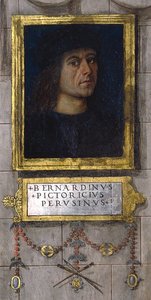
Пинтуричио
1454 - 1513 , Италия
Кратка информация
- Artistic Movement Or Style: Ренесанс
- Artists Or Movements Influenced By This Artist: ['Рафаел']
- Artists Who Influenced This Artist:
- Пиеро Перугино
- Бонфигли
- Фиренцо ди Лоренцо
- Date Of Birth: 1454
- Full Name: Bernardino di Betto
- Nationality: Италиански
- Notable Artworks:
- Фрески в Сикстинската капела
- Апартаменти Борджиа във Ватикана
- Place Of Birth: Perugia, Italy