
 Преглед в реален мащаб
 Сподели
 Сподели
 Подробности
 Ръководство

 Изтегляне
 Подобни артикули
 Рентгенова снимка
 Слайдшоу
 Статистика
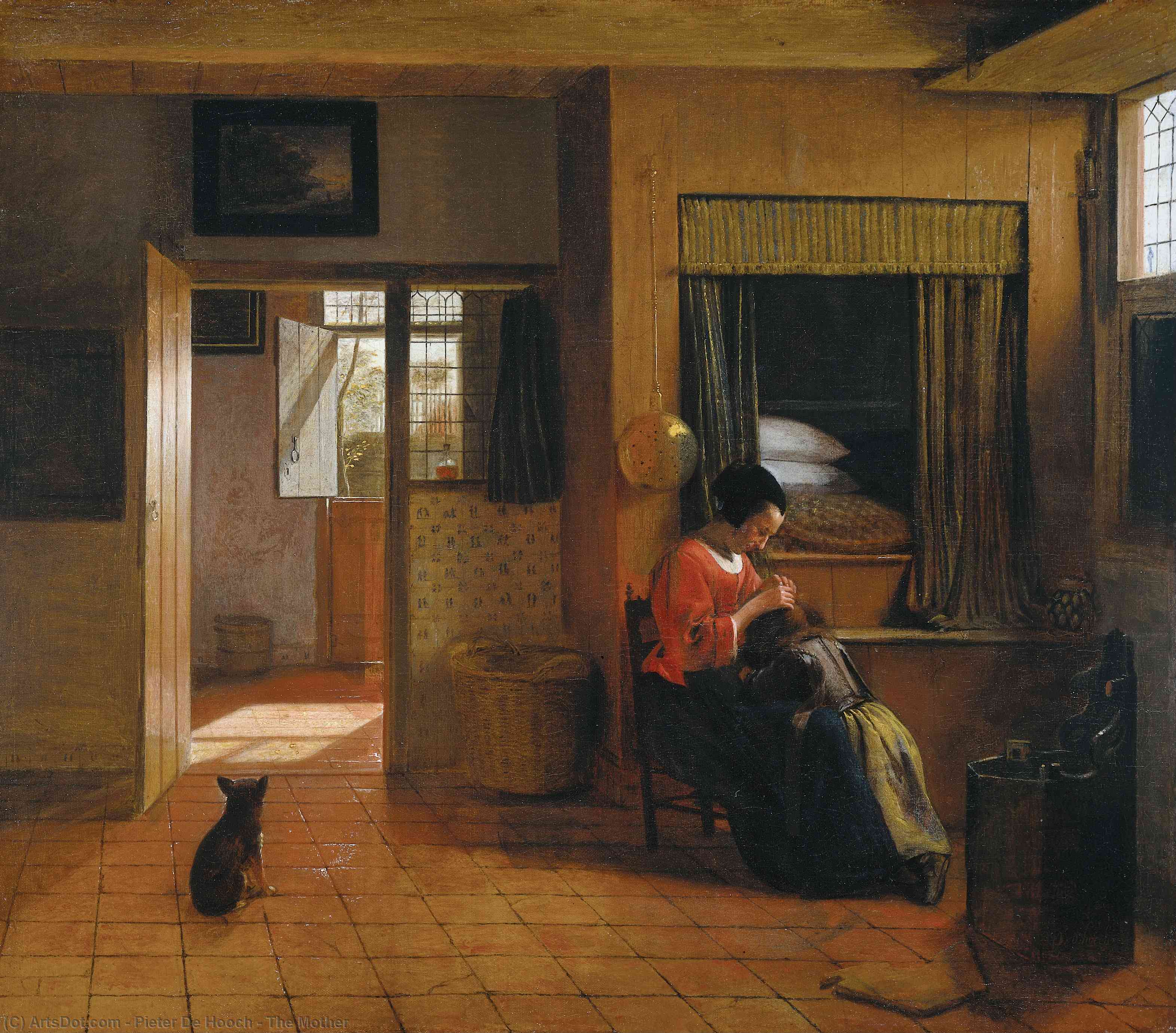
The Mother
 Oil On Canvas
- WallArt
- Dutch Golden Age
 1660
1660- Early Modern
 52.0 x 61.0 cm
 Рейксмюсеум
 Разгърни целия текст
Ръчно изработена маслена репродукция
Ръчно рисувана маслена картина върху платно във вашия размер и рамка, изработена по поръчка от нашите художници. ( Избор на принт Превключване към дигитално изображение)




P118B $10

P118H $10

P118W $10

P438Z $10

P508JH $12

P508YH $12

P805H $10

P805Z $10

P919BZ $10

P919G $10

P919XJ $10

P959ZH $10

P968JZ $12

W106C $8

W218G $10

W218JH $8

W218Y $10

W307PJ $10

W316G $10

W316PJ $8

W316Y $10

W398PJ $8

W4111J $10

W500HY $15

W500JH $15

W692G $12

W849H $8

W940BG $15

W953PJ $8




Изберете от нашите предварително зададени размери, които съответстват на оригиналните пропорции на произведението.

Можете да въведете свои собствени размери, за да паснат на конкретна рамка или пространство. Ако избраният от вас размер не съответства на пропорциите на оригиналното изображение, ние ще изрежем произведението или ще разширим картината с допълнителни ръчно рисувани елементи. Дигитален макет ще бъде изпратен за ваше одобрение преди започване на производството.
Моля, обърнете внимание, че предпрогледа на екрана не отразява действителното изрязване или разширяване. Само макетът ще покаже точно финалната композиция.
Въпреки че са налични персонализирани размери, препоръчваме да изберете размер от предварително дефинирания списък, за да запазите оригиналните пропорции.
След получаване на поръчка, екипът на OriginalUniqueArt.com ще изпрати имейл до клиента с инструкции и ще предостави примерен макет за преглед.
Доставка по целия свят () в рамките на 3-4 седмици вместо стандартните 5 седмици. (25 Септември). Без компромис с качеството.

Безплатна експресна доставка по целия свят

Висококачествено ленено платно

Пълно застраховане на доставката

Гаранция за възстановяване на митнически такси

Гаранция за пълно съответствие на цветовете

Политика за връщане в рамките на 100 дни (само при дефекти)

100% Гаранция за връщане на сумата

Отстъпка при поръчка на повече произведения
 Опцията със стъкло е налична само за размери под 110 см

The Mother
Техника на репродукция
Размер на репродукцията
-


Крайна цена
$ 300
A Window Into Domestic Tranquility
Pieter de Hooch's “The Mother” (circa 1660) stands as a quintessential emblem of Dutch Golden Age artistry—a serene tableau that transcends mere representation to embody the very values and sensibilities of its era. Captured on canvas with meticulous detail, this painting transports viewers into a softly lit bedroom interior where a woman diligently attends to her child’s care. More than just a portrait, it is an exploration of motherhood, quiet contemplation, and the subtle beauty found within everyday domestic life. The scene unfolds as a tender moment of intimacy, inviting the observer to step into a world where time seems to slow, and the frantic pace of the outside world is replaced by the rhythmic, peaceful motions of household devotion.
The composition is masterfully orchestrated to guide the eye through a narrative of light and shadow. De Hooch employs a pyramidal structure, a classical technique that provides stability to the scene while directing our gaze upward toward the window. This window serves as the painting's soul, acting as a crucial element in establishing a luminous, ethereal quality. Through its frame, natural light pours into the room, illuminating the textures of the space—from the delicate thread held by the mother to the smooth surfaces of the furniture. The artist’s use of chiaroscuro—the dramatic interplay between light and dark—sculpts the forms within the room, imbuing the simple act of sewing or tending to a child with an almost sacred emotional resonance.
The Artistry of the Dutch Golden Age
To understand the brilliance of “The Mother,” one must look at the technical mastery De Hooch brought to the genre of kamergezichten, or room-views. His style is characterized by a profound attention to detail and a naturalism that makes the atmosphere feel palpable. The brushstrokes are delicately blended to create soft shadows and highlights, enhancing the sense of depth and conveying an impression of stillness. Every element in the room—the presence of a cat resting near the woman, the placement of books in the corner, and the subtle glint of light on a ceramic bowl—is rendered with a precision that celebrates the material reality of seventeenth-century Holland.
This technical prowess was not merely for show; it served to ground the painting in a recognizable, lived-in reality. For collectors and lovers of fine art, the painting offers a masterclass in how light can be used to define space and mood. The way the sunlight interacts with the interior elements creates a sense of warmth and comfort, making the artwork not just a piece to be viewed, but an environment to be experienced. It is this ability to transform the mundane into the magnificent that makes De Hooch’s work so enduringly captivating for modern interiors.
A Reflection of Social Virtue and Stability
Beyond its aesthetic beauty, “The Mother” serves as a historical mirror, reflecting the significant social transformations occurring in the Netherlands during the mid-seventeenth century. As the Dutch middle class burgeoned, so too did a new set of values centered on family life, moral virtue, and domestic stability. De Hooch’s depiction of a woman engaged in quiet, productive work within the sanctuary of her home aligns perfectly with these cultural aspirations. The inclusion of fine details, such as the Delft blue tiles adorning the walls, speaks to the pride in Dutch craftsmanship and the burgeoning prosperity of the era.
For the discerning decorator or art enthusiast, this piece offers more than just visual elegance; it provides a sense of historical continuity and emotional depth. The painting evokes a longing for the "quiet" moments—the sanctity of the home and the dignity of daily labor. Whether placed in a sunlit study or a quiet corner of a living room, a high-quality reproduction of “The Mother” brings with it an aura of peace and a sophisticated connection to the rich heritage of the Dutch masters. It is an invitation to find beauty in the ordinary and to cherish the tranquil rhythms of life.
Биография на художника
Pieter de Hooch – Een Gouden Eeuwse Meisterwerk
Pieter Hendricksz. de Hooch (1629-1683) behoorde tot het meest prominente genootschap van Nederlandse kunstschilders tijdens de Gouden Eeuw, een periode gekenmerkt door ongekende economische groei en artistieke innovatie. Zijn werk staat bekend om zijn prachtige lichtschaduweffecten en zijn gedetailleerde weergaven van huiselijke scènes die een gevoel voor intimiteit en natuurlijke schoonheid oproepen – een stijl die hem vaak vergeleken wordt met Jan Vermeer, zij het met een iets andere gevoeligheid. Ondanks dat hij minder briljant was dan zijn collega Vermeer, werd de Hooch zonder twijfel een van de meest veelzijdige kunstenaars van zijn tijd en oefende hij een belangrijke invloed uit op latere generaties van kunstenaars, vooral binnen het Nederlandse lichtschouwschoolgenre.- Geboren: Rotterdam, Nederland (1629)
- Ouderdom bij overlijden: Onbekend (maar waarschijnlijk rond 1683)
- Nationaliteit: Nederlands
- Educatie: Hij studeerde kunst in Haarlem onder Nicolaes Berchem, samen met Jacob Ochtervelt. Deze opleiding legde de basis voor zijn toekomstige succes als schilder van rustige huiselijke tafels en een aandacht voor licht en atmosfeer die hem onderscheidt van vele andere kunstenaars van zijn tijd.
Artistieke Stijl en Thema’s
De Hooch's stijl werd gekenmerkt door een uitzonderlijke aandacht voor detail, natuurlijkheid en het gebruik van lichtschaduweffecten – een techniek die hij zelf ontwikkelde en waarvoor hij bekend stond als de *doorkirkjie*, of “zie-door-deur”-techniek. Hij creëerde prachtige huiselijke scènes waarin hij mensen en hun relaties op een subtiele manier weergaf, vaak gefocust op vrouwen en kinderen voor hun menselijkheid. Een belangrijk kenmerk van zijn werk was het gebruik van lichtschaduweffecten, waarbij hij een gevoel voor atmosfeer en ruimte wist te creëren dat een nieuwe standaard bepaalde voor het genre van huiselijke tafels. Zijn kunstenaarschap werd sterk beïnvloed door de stijl van Hendrick Sorgh, een oudere Rotterdamse kunstenaar die een bijzondere affiniteit had met het plaatsen van figuren in interieurs. Hij gebruikte vaak een eenvoudige aanpak bij zijn onderwerpen en vermeed moraliserende of symbolische overdrijvingen. Zijn werk werd beschouwd als een prachtige illustratie van de Nederlandse lichtschouwschool, een stijl die zou voortduren tot het Impressionisme.Bekende Werken
De Hooch schilderde een aantal iconische werken die nog steeds worden tentoongesteld in belangrijke musea wereldwijd, waaronder het Rijksmuseum Amsterdam en het Mauritshuis Den Haag. Een van zijn meest bekende kunstwerken is *De lege glas*, een huiselijke scène waarin een man en een vrouw aan tafel zitten terwijl een jongen een lege glas naar de vrouw geeft. De Hooch gebruikte een innovatieve techniek om lichtschaduweffecten te creëren, waardoor hij een gevoel voor ruimte en atmosfeer wist te bereiken dat een nieuwe standaard bepaalde voor het genre van huiselijke tafels. Een ander belangrijk werk is *De keuken*, waarin hij een prachtige afbeelding geeft van een eenvoudige keuken met een warme lichtkleur en een natuurlijke omgeving. Deze werken zijn een voorbeeld van de kunstenaar's aandacht voor detail en zijn vermogen om een gevoel voor ruimte en atmosfeer te creëren dat een nieuwe standaard bepaalde voor het genre van huiselijke tafels. Zijn werk wordt vaak vergeleken met Vermeer, maar hij onderscheidt zich door zijn iets andere gevoeligheid voor lichtschaduweffecten en zijn stijlvolle behandeling van kleur en compositie. Een prachtige afbeelding is ook *De tuin*, waarin hij een serene buitenruimte weergeeft die een gevoel voor natuurlijke schoonheid oproept. Zijn kunstenaarschap werd sterk beïnvloed door de stijl van Jacob Ochtervelt, een andere belangrijke kunstenaar van zijn tijd.Invloed en Erfgoed
Pieter de Hooch wordt beschouwd als een pionier binnen het Nederlandse lichtschouwschoolgenre en hij oefende een grote invloed uit op latere generaties van kunstenaars, waaronder Rembrandt Harmensz. Joselinck en Johannes Vermeer. Zijn stijl werd gekenmerkt door een uitzonderlijke aandacht voor detail, natuurlijkheid en het gebruik van lichtschaduweffecten – een techniek die hij zelf ontwikkelde en waarvoor hij bekend stond als de *doorkirkjie*, of “zie-door-deur”-techniek. Hij creëerde prachtige huiselijke scènes waarin hij mensen en hun relaties op een subtiele manier weergaf, vaak gefocust op vrouwen en kinderen voor hun menselijkheid. Zijn kunstenaarschap werd beschouwd als een prachtige illustratie van de Nederlandse lichtschouwschool, een stijl die zou voortduren tot het Impressionisme. Hij staat bekend om zijn innovatieve gebruik van lichtschaduweffecten en zijn stijlvolle behandeling van kleur en compositie. Zijn werk wordt vaak vergeleken met Vermeer, maar hij onderscheidt zich door zijn iets andere gevoeligheid voor lichtschaduweffecten en zijn stijlvolle behandeling van kleur en compositie. Een prachtige afbeelding is ook *De tuin*, waarin hij een serene buitenruimte weergeeft die een gevoel voor natuurlijke schoonheid oproept. Zijn kunstenaarschap werd beschouwd als een prachtige illustratie van de Nederlandse lichtschouwschool, een stijl die zou voortduren tot het Impressionisme."
Питер де Хоох
1629 - 1694 , Нидерландия
Бързи факти
- Artistic Movement Or Style: Голдън Ейд на Нидерландия
- Artists Or Movements Influenced By This Artist: ['Яан Вермер']
- Artists Who Influenced This Artist: ['Николаас Берхем']
- Date Of Birth: 20 декември 1629 г.
- Date Of Death: след 1683 г.
- Full Name: Pieter Hendricksz. de Hooch
- Nationality: Нидерландски
- Notable Artworks:
- Коортегарде
- Празен чаша
- Place Of Birth: Роттердам, Нидерландия
Свързани статии

Illuminating Innovation: Exploring the Dutch Golden Age of Painting
Explore the Dutch Golden Age of painting with OriginalUniqueArt. Discover Rembrandt, Vermeer & other Masters. Learn about key characteristics, iconic artworks, and lasting influence. Expert insights for collectors & enthusiasts.
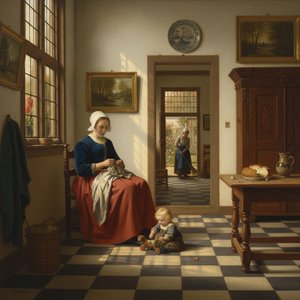
Pieter de Hooch: Illuminating Dutch Domestic Life & Golden Age Charm
Explore the captivating world of Pieter de Hooch, a master of Dutch Golden Age painting. Discover his innovative use of light, intimate domestic scenes, and lasting influence on art history. Learn more at OriginalUniqueArt.
Illuminating Realism: Exploring the Dutch Golden Age of Painting (1600-1700)
Explore the Dutch Golden Age of painting (1600-1700) with OriginalUniqueArt. Discover Rembrandt, Vermeer & other masters. Learn about techniques, history & find museum-quality reproductions.

Топ 10 шедьовъра на Златния век на нидерландското изкуство | OriginalUniqueArt.com
Потопете се в Златния век на нидерландското изкуство! Рембранд, Вермеер и други майстори – разкрийте историите зад 10 шедьовъра. Купете висококачествени репродукции на картини за вашия дом на OriginalUniqueArt.com.

Golden Age Reflections: Dutch Baroque Painting & Cultural Innovation
Explore the Dutch Golden Age of painting! Discover key artists like Vermeer & ter Borch, their innovative techniques, and the rich cultural context behind these Baroque masterpieces. Learn about collecting & appreciating this iconic art period.


