
 Преглед в реален мащаб
 Сподели
 Сподели
 Подробности
 Ръководство

 Изтегляне
 Подобни артикули
 Рентгенова снимка
 Слайдшоу
 Статистика
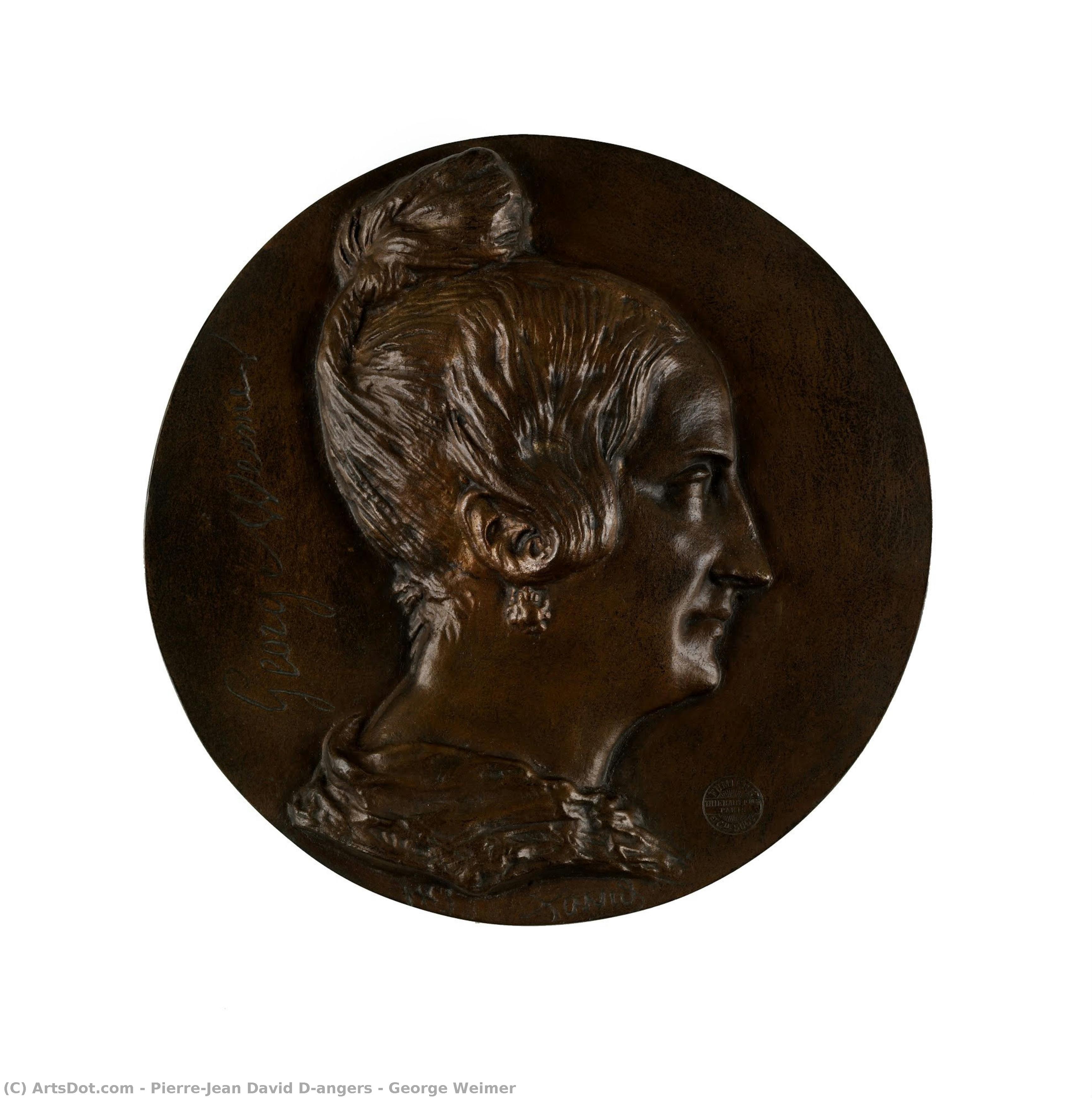
George Weimer


 Разгърни целия текст
Закупете дигитално изображение с висока резолюция и подобрени характеристики, значително по-качествено от онлайн прегледа.
Всеки файл е щателно подготвен от нашите специалисти с помощта на съвременни инструменти и експертен ръчен ретуш. Гарантираме, че всяко изображение притежава изключителна яснота, прецизна цветова точност и фини детайли.
Окончателният файл се доставя по имейл в рамките на 72 часа, оптимизиран за незабавна употреба в професионални, редакционни и печатни среди. Това е същото качество, на което се доверяват водещи дизайнерски студия, издатели и галерии.
Дигитално изображение
Изтеглете файл с висока резолюция за лично съхранение, принтиране и творчески проекти. ( Избор на принт Поръчайте ръчно рисувано репродукция на този колекционерски предмет)
Включено във всяка поръчка за дигитални изображения
Експертна дигитална доставка, гарантирана
Избирайки OriginalUniqueArt.com, вие не получавате просто изображение – вие придобивате професионално обработена дигитална творба, създадена с прецизност и подкрепена от гаранция за удовлетворение. Ето какво автоматично е включено във вашата поръчка:

Бърза доставка по имейл
Вашето дигитално изображение с висока резолюция ще бъде изпратено по имейл в рамките на 72 часа от поръчката – готово за незабавно използване.

Дигитален файл с подобрено качество чрез ИИ
Вашата картина е професионално оптимизирана с помощта на усъвършенствани инструменти за изкуствен интелект и ръчна редакция, осигурявайки максимална детайлност, яснота и точност на цветовете.

Безплатна доживотна повторна доставка
Изгубили сте или сте изтрили файла си по погрешка? Не се притеснявайте – ще го изпратим отново на Вас по всяко време, безплатно.

Без митнически такси – завинаги
Насладете се на вашето произведение незабавно, без мита, данъци или такси за доставка – дигиталните изтегляния винаги са освободени от данъци.

Гаранция за точност на цветовете
Гарантираме, че вашето дигитално изображение отразява оригиналните цветове възможно най-точно, чрез използването на професионални инструменти и системи за управление на цветовете.

100-дневна гаранция за удовлетвореност
Ако не сте доволни от вашето дигитално изображение, ще го преработим или ще възстановим 100% от сумата в рамките на 100 дни – без излишни въпроси.

100% Гаранция за връщане на сумата
Не сте доволни? Получете пълен възврат на сумата в рамките на 100 дни от получаването на вашия цифров файл – без излишни въпроси.

Отстъпки за големи поръчки
Купете 3 изображения, спестете 10% - Купете 5, спестете 15% - Купете 10+, спестете 20%. Идеално за творчески проекти, галерии и агенства.
A Portrait of Romanticism: George Weimer by Pierre-Jean David d'Angers
The image before you isn’t merely a depiction of a man; it’s a window into the heart of 19th-century France, a poignant study in melancholy and quiet dignity. This captivating portrait of Marguerite-Josephine Weimer, known as Mademoiselle George, is a masterful work by Pierre-Jean David d'Angers, executed around 1833, and now meticulously reproduced for discerning collectors and admirers of Romantic art. David’s skill lies not just in capturing likeness, but in imbuing his subject with an almost palpable sense of introspection – a quiet sorrow that resonates deeply even across the centuries.
The composition itself is deceptively simple. A close-up view focuses on Weimer's face, rendered with exquisite detail. The bronze coin serves as a compelling backdrop, its smooth surface and intricate design offering a subtle contrast to the softness of her features. Her gaze, directed downward, speaks volumes – it’s not a look of defiance or anger, but rather one of quiet resignation, perhaps reflecting the challenges faced by a woman navigating the demanding world of Parisian theatre in an era where female performers often struggled for recognition and respect. The pearl necklace, a symbol of elegance and status, hints at her past successes, while the hat adds a touch of formality, suggesting a life lived within the constraints of societal expectations.
The Artist and His Time
Pierre-Jean David d'Angers (1788-1856) was a pivotal figure in French art during a period of dramatic social and political change. Born in Angers, he initially trained as a woodcarver before being drawn to the burgeoning world of sculpture. His early apprenticeship with Jacques-Louis David, the celebrated neoclassical painter, provided him with a rigorous foundation in artistic technique and a deep understanding of classical ideals. However, David d’Angers quickly developed his own distinctive style, embracing the emotional intensity and dramatic narratives characteristic of the Romantic movement. His work frequently explored themes of heroism, tragedy, and the human condition – subjects that mirrored the turbulent times he inhabited.
The portrait itself was created during a period of intense artistic experimentation and social upheaval. The Napoleonic era had left France profoundly changed, and artists were grappling with questions of identity, national pride, and the role of art in shaping public opinion. David d’Angers's decision to adopt the name “David d’Angers” – a deliberate homage to his master while asserting his own artistic lineage – reflects this complex interplay between tradition and innovation.
Symbolism and Emotional Resonance
Beyond its technical brilliance, the portrait is rich in symbolic meaning. The downward gaze of Weimer suggests introspection and perhaps a sense of isolation—a common theme within Romantic art. The coin, with its intricate details, could represent fleeting beauty or the ephemeral nature of fame. It’s a subtle reminder that even the most celebrated figures are ultimately subject to time and decay. The choice of bronze as the medium further enhances this sense of permanence and timelessness – a material chosen for its durability and ability to capture both form and texture with remarkable fidelity.
The portrait's emotional impact is undeniable. It’s not a celebratory depiction of beauty, but rather a poignant exploration of human vulnerability. Weimer’s expression invites the viewer to contemplate her story – her struggles, her triumphs, and ultimately, her enduring legacy as a captivating performer in a world that often failed to recognize her worth.
A Legacy Reimagined
This meticulously crafted reproduction captures not only the visual details of David d’Angers's original masterpiece but also its profound emotional resonance. Whether adorning a grand salon or a more intimate space, this artwork offers a captivating glimpse into the heart of Romanticism – a testament to the enduring power of art to illuminate the human experience. The quality of the reproduction ensures that every nuance of the original is faithfully preserved, allowing you to appreciate the artist’s skill and the subject's story with unparalleled clarity.
Consider this piece as more than just decoration; it’s an investment in a timeless work of art—a conversation starter, a source of inspiration, and a beautiful addition to any collection.
Въпроси и отговори
Каква сюжетна линия и атмосфера съчетава „George Weimer“ на Жан Давид Д’Анж?
„George Weimer“ на Жан Давид Д’Анж съчетава french actress, romanticism, bronze coin, portrait, historical figure, 19th century, weimer с Romantic атмосфера.
За коя стая се препоръчва „George Weimer“ на Жан Давид Д’Анж?
Репродукция на „George Weimer“ се вписва отлично в Living Room.
Може ли изображението на „George Weimer“ на Жан Давид Д’Анж да се репродуцира свободно?
„George Weimer“ на Жан Давид Д’Анж е в в обществено достояние – авторското му право е изтекло. Този статус определя как може да бъде репродуцирано изображението на произведението.
Биография на художника
A Legacy Forged in Stone: The Life and Art of Pierre-Jean David d’Angers
Born in Angers, France, in 1789, Pierre-Jean David embarked on his artistic journey imbued in the republican fervor that would define much of his life and oeuvre. Initially apprenticed to a local wood carver – his father – young David swiftly demonstrated an aptitude for sculpting that propelled him toward ambitious aspirations. He arrived in Paris in 1808, a city pulsating with both classical tradition and revolutionary spirit, seeking tutelage under Philippe-Laurent Roland at the École des Beaux-Arts. This formative period instilled within him neoclassical principles while simultaneously exposing him to the burgeoning Romantic movement. A pivotal moment transpired in 1809 when he entered Jacques-Louis David’s studio, adopting “David d’Angers” not merely as a professional designation but as a deliberate assertion of lineage and artistic ambition – a distinction from his revered master. This adoption signaled a desire to forge his own path while acknowledging the profound influence of the era's foremost painter. Early hardships confronted him during his Parisian years, yet he persevered, garnering recognition with works like “Othryades” in 1810 and ultimately securing the prestigious Prix de Rome in 1811 for his sculpture "Epaminondas."From Roman Reverie to Neoclassical Mastery
David’s five-year sojourn in Rome, commencing in 1811 and concluding in 1816, proved transformative. Immersed in the world of classical antiquity and under the tutelage of masters such as Antonio Canova, his artistic vision matured. He absorbed the ideals of Greek sculpture – its unwavering focus on idealized form, heroic narrative, and restrained emotion – yet subtly infused these precepts with a distinctly personal sensibility. This period transcended mere academic study; it was also marked by burgeoning political awareness. The restoration of the Bourbon monarchy in France cast a shadow over his return, prompting a brief exile to England where he encountered both admiration and scrutiny stemming from his association with Jacques-Louis David, who had been linked to the revolutionary regime. Back in Paris, however, his talent swiftly gained favor. He became renowned for his portrait medallions – remarkably detailed and psychologically astute representations of prominent figures – as well as monumental sculptures that celebrated civic virtue and national heroes. His commissions on the Arc de Triomphe and the Louvre showcased an early mastery of large-scale projects, establishing him as a sculptor capable of tackling ambitious undertakings.A Sculptor of Heroes and Ideals
David’s artistic output encompassed statues, bas-reliefs, tombs, and, most notably, portrait medallions. He possessed an extraordinary capacity to capture not merely the physical likeness but also the inner essence of his subjects. His portraits weren't simply depictions; they were interpretations – imbued with dignity, intellect, and moral fortitude. Among his celebrated works are “Wounded Philopoemen,” housed in the Louvre, a poignant portrayal of the Greek general’s tragic fate, and "La Douleur," demonstrating his mastery of emotional expression. However, it was his monumental commissions that truly cemented his reputation. The pediment sculpture for the Panthéon in Paris stands as perhaps his most significant achievement – a sweeping allegorical representation of French patriotism and intellectual heritage. Other notable endeavors include the Gutenberg monument in Strasbourg and the equestrian statue of General Gobert in Père Lachaise Cemetery, both testament to his skill in conveying power and dynamism through sculpted form. He also crafted a bust of Goethe for the poet’s library, presenting it as a gesture of friendship.Political Engagement and Artistic Expression
David’s artistic endeavors were inextricably intertwined with his political convictions. A staunch republican, he actively opposed autocratic rule and championed liberal ideals throughout his life. His engagement extended beyond mere philosophical contemplation; he participated in clandestine activities aimed at furthering revolutionary aims. Furthermore, he cultivated relationships with influential writers and intellectuals – Balzac, Paganini, Goethe, Delacroix – fostering a vibrant intellectual milieu that enriched his artistic perspective. Despite facing periods of censure and controversy during his lifetime—primarily due to his association with Jacques-Louis David’s involvement in the coup d’état of December 1851—David remained steadfast in his commitment to artistic integrity and social justice. His unwavering belief in republican principles resonated deeply within him, shaping both his personal ethos and his creative output.A Lasting Influence: Legacy and Historical Significance
Pierre-Jean David d’Angers' legacy extends far beyond the confines of Parisian ateliers and museum halls. He remains a pivotal figure—a sculptor who not only captured the likenesses of heroes but also embodied the spirit of an era. His art reflects the tumultuous political landscape of 19th-century France, mirroring the fervor for liberty and the yearning for grandeur that characterized the period. David’s ability to blend neoclassical formalism with Romantic emotional intensity continues to captivate audiences today—a testament to his enduring artistic vision. His works are prominently displayed in institutions worldwide – including The Walters Art Museum in Baltimore and The Metropolitan Museum of Art in New York—preserving his legacy for posterity. The Musée David in Angers serves as a dedicated repository of his oeuvre, ensuring that future generations appreciate the profound impact of this singular sculptor on French art history. David d’Angers stands as an exemplar of artistic excellence coupled with unwavering moral conviction – a figure whose contribution to the visual arts and intellectual discourse remains indelible.
Жан Давид Д’Анж
1788 - 1856 , Франция
Кратка информация
- Artistic Movement Or Style: Неокласицизъм
- Artists Or Movements Influenced By This Artist: ['Романтизъм']
- Artists Who Influenced This Artist:
- Жак Луи Давид
- Филиче Лоран Роланд
- Date Of Birth: 1788
- Date Of Death: 1856
- Full Name: Pierre-Jean David d’Angers
- Nationality: Френски
- Notable Artworks:
- Врачесъ Филопомен
- Страдание
- Епаминанд
- Place Of Birth: Angers, Франция