- Начало

- Дигитално изображение
- pierre gouthière
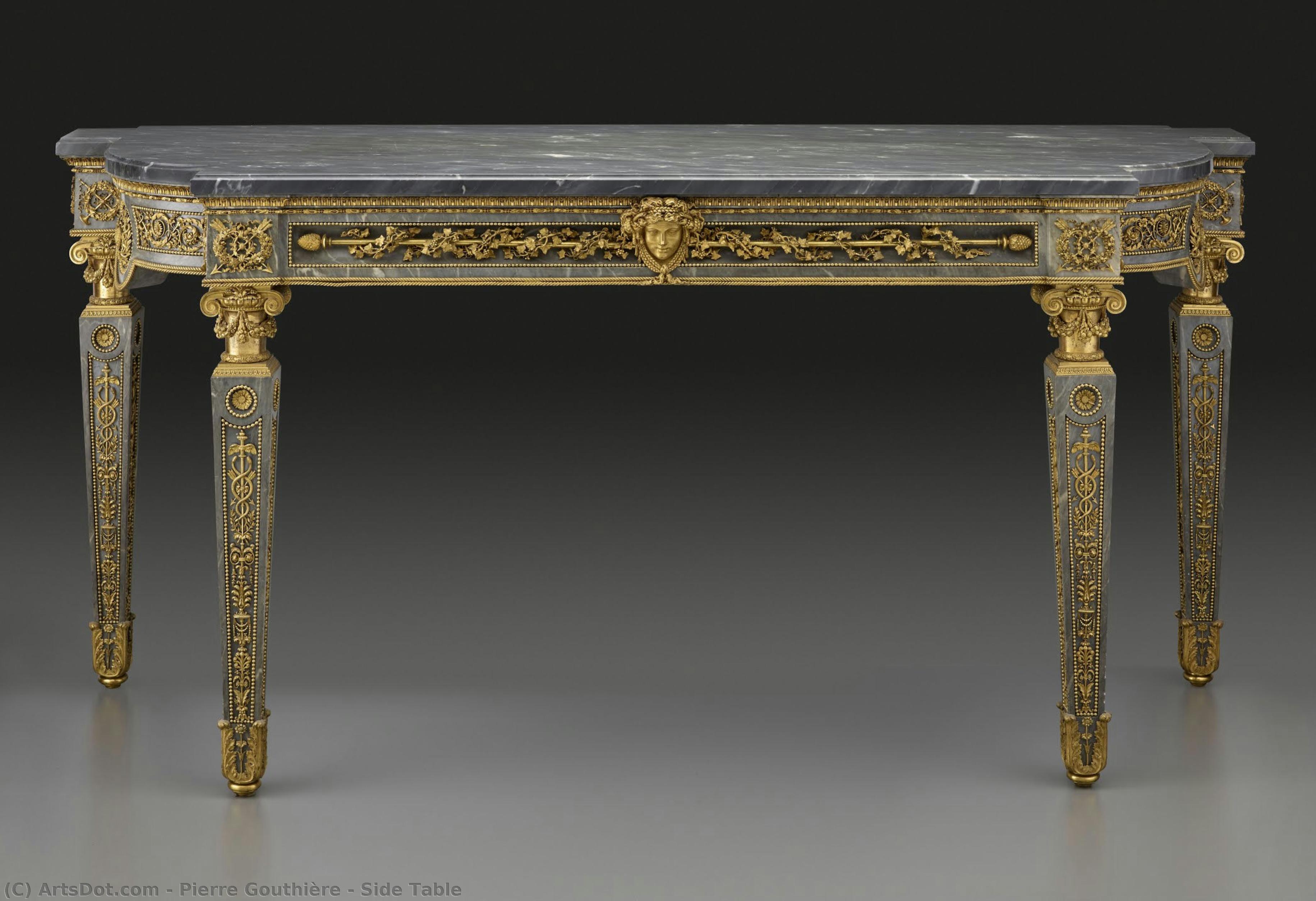
- Side Table
 Представи си го
 Изпрати
 Сподели
 Детайли

 Изтегляне
 Подобни
 Рентгенова снимка
 Слайдшоу
Side Table
 1781
1781 95.0 x 206.0 cm
 Фрик Коллекция
 Прочетете повече
Закупете дигитално изображение с висока резолюция и подобрени характеристики, значително по-добро от онлайн прегледа.
Всеки файл е щателно подготвен от нашите специалисти с помощта на съвременни инструменти и експертна ръчна ретуш. Гарантираме, че всяко изображение има изключителна яснота, прецизна цветова точност и фини детайли.
Окончателният файл се доставя по имейл в рамките на 72 часа, оптимизиран за незабавна употреба в професионални, редакционни и печатни среди. Това е същото качество, на което се доверяват водещи дизайнерски студия, издатели и галерии.
Дигитално изображение
Изтеглете файл с висока резолюция за лично показване, принтиране и творчески проекти. ( Превключване към печат Превключване към ръчно рисувана картина)
Включено във всяка поръчка за дигитални изображения
Експресна дигитална доставка, гарантирана
Когато изберете OriginalUniqueArt.com, вие не получавате само изображение – вие получавате професионално подобрена дигитална творба, създадена с прецизност и подкрепена от гаранция за удовлетворение. Ето всичко, което автоматично се включва в вашата поръчка:

Бърза доставка по имейл
Вашето дигитално изображение с висока резолюция ще ви бъде изпратено по имейл в рамките на 72 часа от поръчката - готово за незабавно използване.

Дигитален файл с подобрено качество чрез изкуствен интелект
Вашата картина е професионално оптимизирана с помощта на усъвършенствани инструменти за изкуствен интелект и ръчна редакция, осигурявайки максимална детайлност, яснота и точност на цветовете.

Безплатна доживотна повторна доставка
Изгубили сте или сте премахнали файла си по погрешка? Не се притежнявайте – ще го изпратим отново на Вас по всяко време, безплатно.

Без такки за мито - никога
Всредите си веднага без мита, данъци или такси по доставка - дигителните приложения винаги са без данъчно освободени.

Гаранция за точност на цветовете
Гарантираме, че вашето дигитално изображение отразява оригиналните цветове възможно най-точно, използвайки професионални инструменти и управление на цветовете.

Гаранция за удовлетвореност от 60 дни
Ако не сте доволни от вашето дигилно изображение, ще го коригираме или ще възмедим 100% в рамките на 60 дни – без никакви въпроси.

100% Гаранция за връщане на пари.
Не сте удовлетворени? Получавате пълно възстановяване на сумата в рамките на 60 дни след получаването на вашия цифров файл – без никакви въпроси.

Отстъпки за големи поръчки
Купете 3 изображения, спестете 10% - Купете 5, спестете 15% - Купете 10+, спестете 20%. Отлично за творчески проекти, галерии и агенства.
Описание на колекционерския предмет
Биография на художника
Pierre Gouthière: The Goldsmith of Kings
The name Pierre Gouthière (1732–1813) is synonymous with opulent artistry in 18th-century France, a testament to his extraordinary skill as a metalworker and gilder. Born in Bar-sur-Aube, a small village in Champagne, Gouthière’s early life offered little indication of the dazzling career that lay ahead. He apprenticed under Martin Cour in Paris, immersing himself in the techniques of chasing, engraving, and gilding – skills he would master with unparalleled precision and refinement. His journey wasn't one of solitary brilliance; it was deeply intertwined with the lavish tastes of a court obsessed with spectacle and the pursuit of beauty, ultimately shaping his legacy as a pivotal figure in French decorative arts.
Gouthière’s rise to prominence coincided with a period of extraordinary artistic flourishing under Louis XV and Louis XVI. He quickly established himself as a sought-after craftsman, catering to an elite clientele that included the Duc d'Aumont, the Duchess of Mazarin, Madame du Barry, and, most notably, Marie Antoinette herself. His reputation wasn’t built solely on royal patronage; it was forged through sheer artistic merit – his ability to transform rough metal into objects of breathtaking beauty and intricate detail. Unlike many artists of his time who focused on grand scale, Gouthière excelled in the creation of smaller, exquisitely crafted pieces, often adorning furniture, mirrors, and decorative objects with scenes from mythology, classical history, and everyday life.
The Techniques of a Master
Gouthière’s genius lay not just in his aesthetic sensibility but also in his mastery of technical skills. He was a true ‘fondeur-ciseleur,’ a term that encompassed both the casting and finishing processes involved in creating gilt bronze objects. His workshop, initially located on the Rue du Faubourg Saint-Martin, became a hub of activity, employing a team of skilled artisans who assisted him in realizing his ambitious designs. The process was painstaking, involving multiple stages: first, the creation of molds from wax models – often meticulously crafted by Gouthière himself; then, casting the metal in a furnace; and finally, the intricate work of chasing, engraving, and gilding to achieve the desired surface texture and finish.
Gouthière’s signature style was characterized by an extraordinary delicacy and subtlety. He employed a unique ‘soft gold’ technique – a burnished, lustrous gilding that set him apart from his contemporaries. This achieved through a complex process of polishing and applying multiple layers of gold leaf, it created a shimmering effect that seemed to radiate light. He also demonstrated remarkable skill in rendering natural forms, whether it was the rippled fur of a goat, the delicate veins of a leaf, or the flowing drapery of mythological figures. His ability to capture both texture and movement within a small space was truly exceptional.
Royal Patronage and Financial Ruin
The demand for Gouthière’s work soared during the reign of Louis XV and Marie Antoinette, fueled by their extravagant tastes and the desire to impress foreign dignitaries. His creations adorned the most opulent interiors in France, from the grand salons of Versailles to the private chambers of the royal family. The Duc d'Aumont’s collection, sold at auction in 1782, served as a spectacular showcase for Gouthière’s talents, cementing his reputation as one of the foremost artists of his time. However, this period of unparalleled success was tragically followed by financial ruin.
Gouthière's downfall stemmed from a series of unfortunate circumstances. His lavish spending habits, coupled with the death of two major clients – the Duc d’Aumont and the Duchess of Mazarin – left him deeply indebted. His attempts to secure commissions from the new revolutionary government were thwarted, and he was imprisoned for several months in 1794 on suspicion of counter-revolutionary activities. Despite his talent and reputation, Gouthière died in poverty in 1813, a poignant reminder of the precariousness of artistic success during turbulent times.
Legacy and Rediscovery
Despite his untimely demise, Gouthière’s legacy endures through the exquisite objects he created. His works are now treasured by museums and private collectors around the world, offering a glimpse into the opulent tastes of 18th-century France. The Wallace Collection in London houses an exceptional collection of Gouthière's bronzes, including a remarkable brûle-parfums (incense burner) that exemplifies his mastery of gilding techniques. Recent scholarship has shed new light on Gouthière’s life and work, revealing the depth of his artistic vision and the technical brilliance of his craft.
The Frick Collection's 2017 exhibition, “Pierre Gouthière: Virtuoso Gilder at the French Court,” marked a significant milestone in the rediscovery of this forgotten master. By bringing together a selection of his finest works and offering new insights into his creative process, the exhibit demonstrated that Gouthière remains one of the most important and influential figures in the history of French decorative arts – a testament to the enduring power of beauty, skill, and artistry.

pierre gouthière
1732 - 1813 , France
Бързи факти
- Artistic Movement Or Style: Baroque & Rococo
- Artists Or Movements Influenced By This Artist: ['Thomire']
- Artists Who Influenced This Artist: ['Martin Cour']
- Date Of Birth: 1732
- Date Of Death: 1813
- Full Name: Pierre Gouthière
- Nationality: French
- Notable Artworks:
- Medusa applique
- Brûle-parfum (bronze)
- Place Of Birth: Bar-sur-Aube, France

