
 Представи си го
 Изпрати
 Сподели
 Детайли

 Изтегляне
 Подобни
 Рентгенова снимка
 Слайдшоу
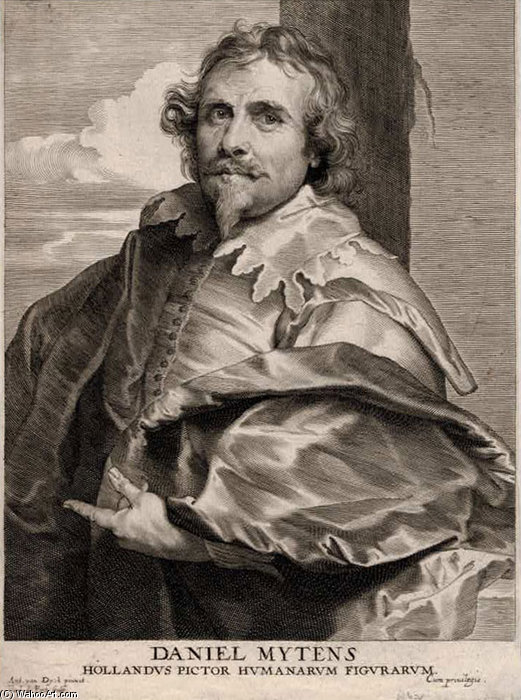
Daniel Mytens
 Прочетете повече
Закупете дигитално изображение с висока резолюция и подобрени характеристики, значително по-добро от онлайн прегледа.
Всеки файл е щателно подготвен от нашите специалисти с помощта на съвременни инструменти и експертна ръчна ретуш. Гарантираме, че всяко изображение има изключителна яснота, прецизна цветова точност и фини детайли.
Окончателният файл се доставя по имейл в рамките на 72 часа, оптимизиран за незабавна употреба в професионални, редакционни и печатни среди. Това е същото качество, на което се доверяват водещи дизайнерски студия, издатели и галерии.
Дигитално изображение
Изтеглете файл с висока резолюция за лично показване, принтиране и творчески проекти. ( Купете принт Купете ръчно рисувана картина)
Включено във всяка поръчка за дигитални изображения
Експресна дигитална доставка, гарантирана
Когато изберете OriginalUniqueArt.com, вие не получавате само изображение – вие получавате професионално подобрена дигитална творба, създадена с прецизност и подкрепена от гаранция за удовлетворение. Ето всичко, което автоматично се включва в вашата поръчка:

Бърза доставка по имейл
Вашето дигитално изображение с висока резолюция ще ви бъде изпратено по имейл в рамките на 72 часа от поръчката - готово за незабавно използване.

Дигитален файл с подобрено качество чрез изкуствен интелект
Вашата картина е професионално оптимизирана с помощта на усъвършенствани инструменти за изкуствен интелект и ръчна редакция, осигурявайки максимална детайлност, яснота и точност на цветовете.

Безплатна доживотна повторна доставка
Изгубили сте или сте премахнали файла си по погрешка? Не се притежнявайте – ще го изпратим отново на Вас по всяко време, безплатно.

Без такки за мито - никога
Всредите си веднага без мита, данъци или такси по доставка - дигителните приложения винаги са без данъчно освободени.

Гаранция за точност на цветовете
Гарантираме, че вашето дигитално изображение отразява оригиналните цветове възможно най-точно, използвайки професионални инструменти и управление на цветовете.

Гаранция за удовлетвореност от 60 дни
Ако не сте доволни от вашето дигилно изображение, ще го коригираме или ще възмедим 100% в рамките на 60 дни – без никакви въпроси.

100% Гаранция за връщане на пари.
Не сте удовлетворени? Получавате пълно възстановяване на сумата в рамките на 60 дни след получаването на вашия цифров файл – без никакви въпроси.

Отстъпки за големи поръчки
Купете 3 изображения, спестете 10% - Купете 5, спестете 15% - Купете 10+, спестете 20%. Отлично за творчески проекти, галерии и агенства.
Биография на художника
A Life Etched in Detail: The World of Paulus Pontius
Paulus Pontius, a name perhaps less immediately recognizable than those of his celebrated contemporaries like Rubens and Van Dyck, nonetheless occupies a pivotal position within the vibrant artistic landscape of 17th-century Flanders. Born in Antwerp in 1603, Pontius distinguished himself not as a painter of grand canvases, but as a master engraver – a translator of images whose meticulous skill disseminated the masterpieces of his era across Europe and beyond. His career was deeply interwoven with the leading artists of his time, serving first as an apprentice and then as a crucial collaborator, ultimately leaving behind a legacy defined by precision, artistry, and a profound understanding of light and form. Pontius wasn’t merely reproducing art; he was preserving it, democratizing access to visual culture in an age before widespread reproduction technologies.From Apprenticeship to Rubens' Inner Circle
Pontius’s artistic journey began within the traditional framework of a guild apprenticeship. He first trained under Osias Beert, a respected still life painter, gaining a foundational understanding of painting techniques and compositional principles. However, it was his subsequent tutelage under Lucas Vorsterman that truly set him on his defining path. Vorsterman, already established as Peter Paul Rubens’ primary printmaker, imparted the intricacies of engraving – a demanding art requiring both technical mastery and artistic sensibility. This rigorous training proved invaluable when, in 1624, Pontius stepped into Vorsterman's role within Rubens’ workshop following the latter’s departure for England. For seven years, he resided within the very heart of Rubens’ creative world, an unparalleled opportunity to study firsthand the master’s groundbreaking work. This proximity wasn’t simply about access; it was a period of intense immersion, allowing Pontius to absorb Rubens' dynamic compositions, his dramatic use of light and shadow, and his expressive figural style. In 1626-1627, he solidified his position within the Antwerp artistic community by becoming a master in the Guild of Saint Luke.The Engraver as Interpreter: Reproducing Masterpieces
Pontius’s most significant contribution lay in his ability to translate paintings into engravings with remarkable fidelity and artistry. He produced approximately 42 plates based on Rubens' works, a testament to both his skill and the demand for reproductions of the master’s creations. These weren’t simple copies; Pontius possessed an exceptional talent for capturing the *essence* of the original painting – its emotional weight, its dynamic energy, and its subtle nuances of color and texture – through the monochrome medium of engraving. His work extended beyond mere replication; he subtly interpreted the paintings, adding his own artistic touch while remaining true to the spirit of the original. This ability earned him commissions for official portrait engravings, most notably that of Gaspar de Gusman, Count of Olivares in 1626, a pivotal moment that established his reputation and led to numerous further prestigious assignments. He became, in effect, the visual chronicler of the Spanish Netherlands nobility, immortalizing their likenesses through his masterful engravings.A Legacy Beyond Rubens: Collaboration and Dissemination
Following Rubens’ death in 1640, Pontius broadened his artistic horizons, collaborating with other prominent Flemish artists such as Anthony van Dyck and Jacob Jordaens. He contributed significantly to several important publications of the era, including Van Dyck’s *Iconographie*, Johannes Meyssens’ *Images de divers hommes*, Cornelis de Bie's *Het Gulden Cabinet*, and Anselm van Hulle's *Icones legatorum*. These collaborative projects were instrumental in disseminating images of leading figures throughout Europe, fostering a wider appreciation for Flemish art and culture. Pontius wasn’t simply an engraver working in isolation; he was an integral part of a thriving artistic network, actively contributing to the exchange of ideas and the propagation of visual knowledge. He also trained a new generation of engravers, including Alexander Voet the Younger, Coenraet Waumans, and Frans van den Wyngaerde, ensuring that his techniques and legacy would endure within the Flemish artistic tradition. Paulus Pontius, though often working in the shadow of greater names, stands as a vital link in the chain of art history – a master craftsman whose skill ensured that the brilliance of the Baroque period reached a wider audience than ever before. His work remains a testament to the power of engraving not just as a reproductive technique, but as an art form in its own right—a delicate dance between observation, interpretation, and technical virtuosity.
Paulus Pontius
1603 - 1685 , Belgium
Бързи факти
- Artistic Movement Or Style: Baroque
- Artists Or Movements Influenced By This Artist:
- Alexander Voet the Younger
- Coenraet Waumans
- Frans van den Wyngaerde
- Artists Who Influenced This Artist:
- Peter Paul Rubens
- Lucas Vorsterman
- Anthony van Dyck
- Date Of Birth: 1603
- Date Of Death: 1685
- Full Name: Paulus Pontius
- Nationality: Flemish
- Notable Artworks:
- Gaspar de Gusman
- Henricus Steenwyck
- Alvaro De Bazan
- Paulus Pontius
- Place Of Birth: Antwerp, Belgium

