

 Представи си го
 Изпрати
 Сподели
 Детайли

 Изтегляне
 Подобни
 Рентгенова снимка
 Слайдшоу
Morphine Addicts
 Acrylic On Canvas
- WallArt
- Impressionism
 1887
1887 24.0 x 37.0 cm
 Метрополитън Музей на изкуствата
 Прочетете повече
Ръчно изработена маслена репродукция
Ръчно рисувана маслена картина върху платно във вашия размер и рамка, изработена по поръчка от нашите художници. ( Купете принт Купете изображение)




P118B $10

P118H $10

P118W $10

P438Z $10

P508JH $12

P508YH $12

P805H $10

P805Z $10

P919BZ $10

P919G $10

P919XJ $10

P959ZH $10

P968JZ $12

W106C $8

W218G $10

W218JH $8

W218Y $10

W307PJ $10

W316G $10

W316PJ $8

W316Y $10

W398PJ $8

W4111J $10

W500HY $15

W500JH $15

W692G $12

W849H $8

W940BG $15

W953PJ $8




Изберете от предварително зададените размери, които съответстват на оригиналните пропорции на произведението.

Можете да въведете свои собствени размери, за да пасне на конкретна рамка или пространство. Ако избраният от вас размер не съответства на пропорциите на оригиналното изображение, ние ще изрежем произведението или ще удължим картината с допълнителни ръчно рисувани елементи. Дигитален макет ще бъде изпратен за ваше одобрение преди започване на производството.
Моля, обърнете внимание, че прегледът на екрана не отразява действителното изрязване или разширяване. Само макетът ще покаже точно финалния състав.
Въпреки че са налични персонализирани размери, препоръчваме да изберете размер от предварително дефинирания списък, за да запазите оригиналните пропорции.
След поръчка, екипът на OriginalUniqueArt.com ще изпрати имейл на клиента за инструкции и ще предостави преглед на макет.
Доставка по целия свят () в рамките на 3/4 седмици вместо стандартните 5 седмици. (7 Септември). Без компромис с качеството.

Безплатна експресна доставка по целия свят

Висококачествено ленено платно

Пълно застраховане при доставка

Гаранция за възстановяване на митнически такси

Гаранция за цветова точност

Политика за връщане в рамките на 100 дни (само при дефекти)

100% Гаранция за връщане на парите

Предложение за отстъпка при поръчка на едро
 Стъклото е налично само в размери под 110 см

Morphine Addicts
Репродукционен метод
Размер на репродукцията
-


Обща цена
$ 325
Paul Albert Besnard - Morphine Addicts
Paul Albert Besnard (1849-1934) stands as a singular figure in French art of the late nineteenth and early twentieth centuries—a painter who stubbornly resisted categorization while simultaneously achieving remarkable success across diverse artistic mediums. Born in Paris, he possessed an innate talent nurtured by formal training at the École des Beaux-Arts under Jean Bremond and profoundly shaped by the pioneering spirit of Alexandre Cabanel, whose meticulous realism served as a cornerstone for Besnard’s initial artistic explorations. His academic grounding provided a disciplined foundation upon which he would later forge his own distinctive path, one characterized by an unwavering fascination with color and light—concepts championed by the Impressionists. Despite eschewing the overtly dramatic aesthetic favored by his contemporaries, Besnard skillfully adapted Impressionistic techniques to monumental decorative pro Besnard’s oeuvre is marked by a profound sensitivity to human emotion and psychological nuance, particularly evident in his portraits of women – figures rendered with exquisite detail and imbued with an aura of melancholy. “Morphine Addicts,” completed in 1887, exemplifies this artistic approach, presenting two women presented in a starkly lit laboratory setting—a juxtaposition that immediately invites contemplation on themes of illness, addiction, and the complexities of human experience. The artist’s masterful command of etching technique contributes significantly to the artwork's expressive power, capturing subtle tonal variations and textural nuances with remarkable precision. The composition itself is deliberately restrained, focusing intently on the faces and upper bodies of the subjects—a stylistic choice that underscores Besnard’s commitment to realism while simultaneously conveying a sense of intimacy. The figures are positioned slightly off-center, creating visual balance and drawing the viewer's gaze towards their expressive eyes. A table laden with scientific glassware serves as a grounding element, anchoring the scene within its clinical context and subtly hinting at the underlying narrative. Besnard’s meticulous hatching and crosshatching techniques—inherited from Cabanel’s influence—are employed to build up areas of shadow, enhancing depth and creating an atmosphere of quiet contemplation. Color plays a crucial role in conveying emotion, though Besnard eschews vibrant hues characteristic of Impressionism, opting instead for a monochrome palette dominated by shades of grey and white. This tonal scheme amplifies the artwork’s melancholic mood, emphasizing the vulnerability of the subjects and fostering a connection with the viewer on an emotional level. The artist skillfully utilizes light and shadow to sculpt the forms of the women's faces, highlighting their expressions and conveying subtle nuances of emotion—a testament to Besnard’s artistic prowess. Ultimately, “Morphine Addicts” transcends mere visual representation; it functions as a poignant meditation on human suffering and resilience. Besnard’s stylistic blend of academic realism with Impressionistic sensibilities captures the essence of his era—a period marked by intellectual curiosity and an exploration of psychological states. The artwork's enduring appeal lies in its ability to provoke reflection on themes of addiction, vulnerability, and the profound beauty found within moments of quiet introspection. It remains a compelling example of Besnard’s artistic vision and a testament to the power of art to communicate complex emotions with grace and subtlety.Биография на художника
Светлинното наследство на Пол Албер Беснар
Пол Албер Беснар (1849-1934) се издига като самотна и значима фигура в тъканта на френското изкуство – един разказвач с четка, който е прекосил променящите се течения на края на деветнадесети и началото на двадесети век с уникална, некласифицируема грация. Роден в Париж, неговото артистично пътешествие започва в строгите рамки на импресионизма. Макар и да не отхвърля напълно формата в името на чистата абстракция, той се превръща в майстор на цвета, използвайки палитра, която излъчва едновременно светлинност и дълбока емоция. Неговата творба се характеризира с непоколебимо очарование към начина, по който светлината взаимодейства с повърхностите – било то деликатната кожа в един портрет или необятните архитектурни пространства на неговите най-грандиозни поръчки. Тази способност да съчетава монументалното с интимното му позволява да надделее над епохата си, създавайки стил, който се усеща едновременно вечен и поразително съвременен.
Майстор на мащаба и духа
Истинският гений на Беснар е най-видим в способността му да пренесе модерните усещания върху грандиозен, декоративен мащаб. Той не просто рисува картини; той трансформира пространствата. Неговите амбициозни фрески, които украсяват някои от най-престижните институции във Франция, служат като свидетелство за неговото виждане за изкуството като публично, потапящо преживяване. Тези произведения могат да бъдат открити на места като:
- Сорбоната, където неговата техника вдъхва живот в академичния грандиозен стил.
- Факултета по фармация, демонстриращ способността му да интегрира изкуството с функционалната архитектура.
- Залата на науките в Комеди Франсез, триумф на декоративното разказване на истории.
- Ратуша (Hôtel de Ville), отразяваща гражданската гордост и естетическата изтънченост на Париж.
- Часовнята на болница Берк, където неговите „Кръстни пътища“ преосмислят религиозната иконография през модерна, хуманистична призма.
В тези масивни проекти Беснар избягва прекалено драматичната или театрална естетика, предпочитана от мнозина негови съвременници. Вместо това той използва по-субектен, атмосферен подход, който позволява на светлината да води окото на зрителя, гарантирайки, че дори най-мащабните композиции запазват усещане за поетична интимност и духовна дълбочина.
Портрет и интимност на формата
Отвъд разгърнатите панорами на неговите фрески, Беснар е плодотворен творец на много по-лични творби. Той притежава изключителната способност да улавя психологическата същност на своите субекти чрез масло, акварел, пастел и офорт. Неговите портрети се прославят не само заради своята техническа прецизност, но и заради дълбокия им емоционален резонанс. В неговото изображение на Мадам Жорж Роденбах се открива смело изследване на красотата, което предизвиква конвенционалните норми, демонстрирайки умението му да предаде текстура и характер с еднаква страст.
Неговата многостранност като график и рисуващ му позволява да експериментира с взаимодействието на сянката и светлината в много по-деликатен мащаб. Независимо дали улавя величественото присъствие на Краля и Кралицата на Белгия или спокойствието на един пейзаж, творчеството на Беснар остава закоренено в влияние, напомнящо за Томас Гейнсбъро – определена елегантност и ритмичен поток, които възвишават самата тема. В крайна сметка значението на Пол Албер Беснар се крие именно в тази дуалистичност: той е бил творец, който е могъл да владее най-големите зали на Франция, докато енодновременно улавя най-преходните, нежни шепоти на светлината.
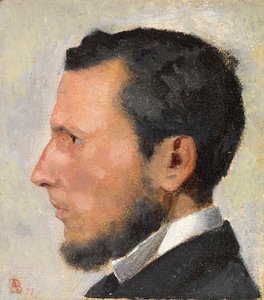
Пол Албер Бесард
1849 - 1934 , Франция
Бързи факти
- Artistic Movement Or Style: Импресионизъм
- Artists Or Movements Influenced By This Artist: ['Академична живопис']
- Artists Who Influenced This Artist:
- Александър Кабанел
- Томас Гейнсбъро
- Date Of Birth: Париж, Франция (1849)
- Date Of Death: 1934
- Full Name: Пол Албер Бесард
- Nationality: Френска
- Notable Artworks:
- Смъртта на Тимофан
- Мир чрез арбитраж
- Портрет на мадам Жорж Роденбах
- Place Of Birth: Париж
Всички статии
Топ 25 шедьовъра на Пол Клее: Изкуство за вашия дом от OriginalUniqueArt.com
Разгледайте топ 25 шедьовъра на Пол Клее – абстрактни картини, изпълнени с експресионизъм и кубистични форми. Вдъхновете се за вашия интериор с OriginalUniqueArt.com! Открийте всички произведения онлайн.

Топ 25 шедьовъра на Пол Сезан: Открийте вечния гений в изкуството и декора
Открийте 25 шедьовъра на Пол Сезан – импресионизъм, постимпресионизъм и революционен стил! Разгледайте историите зад картините, техниките и вдъхновението. Купете висококачествени репродукции за вашия дом на OriginalUniqueArt.com.

Топ 10 легендарни естампи, променили изкуството завинаги | OriginalUniqueArt.bg
Разгледайте топ 10 легендарни естампи от Рембранд, Гоя и Дюрер! Открийте историите зад тези шедьоври на изкуството и техния принос към графичните техники. Музейно качество репродукции на OriginalUniqueArt.bg – вдъхнете живот на вашия интериор!

Romantic Realism's Finest: 10 Masterpieces for Your Home | OriginalUniqueArt
Explore 10 defining masterpieces of Romantic Realism! Discover Courbet, Millet & Daumier's powerful paintings—capturing emotion and social realities. Find museum-quality reproductions for your home at OriginalUniqueArt.com.

Etching: A Historical Survey of Technique, Aesthetic Qualities & Enduring Artistic Significance
Explore the rich history of etching, from its origins to Rembrandt's masterful innovations. Discover the technique, aesthetic qualities & enduring legacy of this captivating art form. Expert insights for collectors and enthusiasts.