

 Преглед в реален мащаб
 Изпрати
 Сподели
 Детайли
 Ръководство

 Изтегляне
 Подобни артикули
 Рентгенова снимка
 Слайдшоу
 Статистика
Evening Rendezvous
 Painting
- WallArt
- Abstract Expressionism
 1962
1962- Modern
 127.0 x 163.0 cm
 Smithsonian American Art Museum
 Прочети повече
Изкуството, представено на тази страница, е защитено от законите за авторско право, което означава, че не можем законно да създаваме или продаваме идентични репродукции. Тази защита се прилага съгласно международни споразумения като Бернска конвенция и от националното законодателство, включително разпоредбите на Закон за авторското право на САЩ – Раздел 17.
Като уважителна и законна алтернатива, ние предлагаме изработени по поръчка, ръчно рисувани произведения на изкуството, вдъхновени от оригинала. Нашите умени и професионални артисти внимателно изучават стила, настроението и артистичната същност на оригиналното произведение, за да създадат ново, уникално творческо произведение, което предизвиква същото чувство – оставайки в същото време самостоятелно оригинално творение.
Този метод е напълно съвместим с законите за авторско право, тъй като не включва копиране или дублиране на защитеното произведение. Вместо това става въпрос за творческа реинтерпретация – нова картина, която е вдъхновена от оригинала, но не е идентична с него.
Ръчно изработена маслена репродукция
Ръчно рисувана маслена картина върху платно във вашия размер и рамка, изработена по поръчка от нашите художници. ( Превключване към принт Превключване към дигитално изображение)




P118B €10

P118H €10

P118W €10

P438Z €10

P508JH €12

P508YH €12

P805H €10

P805Z €10

P919BZ €10

P919G €10

P919XJ €10

P959ZH €10

P968JZ €12

W106C €8

W218G €10

W218JH €8

W218Y €10

W307PJ €10

W316G €10

W316PJ €8

W316Y €10

W398PJ €8

W4111J €10

W500HY €15

W500JH €15

W692G €12

W849H €8

W940BG €15

W953PJ €8




Изберете от нашите предварително зададени размери, които съответстват на оригиналните пропорции на произведението.

Въведете необходимата ширина и височина, за да паснат на вашата рамка или стена. Тъй като това е ръчна работа, при избор на размер с различен формат художникът може да нарисува малко повече около картината или да отреже малко от периферията — вие избирате. Преди да започне рисуването, ще ви изпратим дигитален мок업 за одобрение. Картината, показана на тази страница, не е реалният резултат — само мок업ът го показва.
След получаване на поръчка, екипът на OriginalUniqueArt.com ще изпрати имейл до клиента с инструкции и ще предостави примерен макет за преглед
Доставка по целия свят () в рамките на 3-4 седмици вместо стандартните 5 седмици. (27 Октомври). Без компромис с качеството.

Безплатна експресна доставка по целия свят

Висококачествено ленено платно

Пълно застраховане на доставката

Гаранция за възстановяване на митнически такси

Гаранция за пълно съответствие на цветовете

Политика за връщане в рамките на 100 дни (само при дефекти)

100% Гаранция за връщане на сумата

Оферта за отстъпка при поръчка на повече бройки
 Опцията със стъкло е налична само за размери под 110 см

Evening Rendezvous
Вид репродукция
Размер на репродукцията
-


Обща цена
€ 264
A Nocturnal Symphony of Color and Connection
In the mesmerizing depths of "Evening Rendezvous," created in 1962, we are invited into a world where the boundaries between abstraction and reality dissolve into a rhythmic dance of light and shadow. The painting serves as a breathtaking window into a social tapestry, capturing the ephemeral magic of a gathering under the cover of night. Through a masterful use of a vibrant red and blue color scheme, Norman Lewis orchestrates a visual symphony that resonates with both warmth and mystery. The deep, velvety blues suggest the encroaching twilight, while the energetic splashes of crimson evoke the pulse of life, conversation, and the shared heat of human connection. It is a piece that does not merely depict a scene; it captures the very atmosphere of an encounter.
The composition is a masterclass in depth and movement, drawing the eye through a crowded yet harmonious landscape. As one gazosts upon the canvas, figures emerge from the periphery—some standing in the immediate foreground, their presence felt through gestural strokes, while others recede into a nebulous, atmospheric background. This layering creates an immersive experience, making the viewer feel less like a distant observer and more like a guest caught in the flow of the evening's festivities. The technique employed by Lewis allows for a sense of kinetic energy; the brushwork is deliberate yet fluid, ensuring that even the most static elements of the scene seem to vibrate with the latent energy of the jazz age and the urban pulse of Harlem.
The Intersection of Abstraction and Social Reality
Beyond its aesthetic splendor, "Evening Rendezvous" carries profound historical and emotional weight. As a pivotal figure in American Abstract Expressionism, Lewis possessed a unique ability to weave social realism into abstract forms. This work stands as a testament to his skill in translating the cultural vibrancy of mid-century urban life into a universal language of shape and hue. While the painting leans toward the abstract, it is deeply rooted in the experience of the African American community. The piece belongs to a series of works that examine the complexities of social dynamics; indeed, some interpretations suggest that the white figures within the composition may represent the hooded members of hate groups, adding a layer of haunting tension to the otherwise rhythmic dance of color.
For the discerning collector or interior designer, this painting offers more than just visual beauty. It provides a profound narrative depth that can anchor a room with both sophistication and soul. The way the light seems to flicker within the crimson strokes invites long periods of contemplation, making it an ideal centerpiece for spaces dedicated to thought, creativity, or intimate conversation. To possess a reproduction of this caliber is to hold a fragment of mid-century history—a piece that celebrates the resilience, rhythm, and enduring spirit of urban connection.
Въпроси и отговори
Какъв е препоръчаният размер на печат за „Evening Rendezvous“ на Norman Lewis?
За произведението „Evening Rendezvous“ се препоръчва печат с размер Large. Налични са и други размери със същите пропорции.
Присъства ли „Evening Rendezvous“ на Norman Lewis сред търсените произведения на Abstract Expressionism?
В рамките на движението Abstract Expressionism, произведението „Evening Rendezvous“ има Recognized ниво на популярност.
С каква техника е изпълнено „Evening Rendezvous“ на Norman Lewis?
Техниката на „Evening Rendezvous“ на Norman Lewis е Painting. Репродукциите са предназначени да предадат визуалния ефект на тази техника.
Биография на художника
Early Life and Artistic Beginnings
Norman Wilfred Lewis, born in Harlem, New York City, in 1909, emerged as a pivotal figure in the American art landscape of the mid-20th century. His journey to becoming an Abstract Expressionist was far from conventional, rooted instead in the social realities and vibrant cultural tapestry of his upbringing. Raised on Lenox Avenue between 7th and 8th Avenues, Lewis’s early life was shaped by parents who had immigrated from Bermuda—his father a fisherman turned dock foreman, his mother a baker and later a domestic worker. While his older brother found acclaim as a jazz musician, Norman initially felt overshadowed, yet harbored a deep-seated passion for art that he pursued through self-education. He voraciously consumed books on art history, compensating for limited formal training with dedicated study. This early commitment led him to the Savage Studio of Arts and Crafts in Harlem, where Augusta Savage, a pioneering sculptor and teacher, became a crucial mentor. Savage provided not only studio space but also a vital community and encouragement during the challenging years of the Depression. Lewis’s involvement with the Works Progress Administration (WPA) further solidified his artistic foundation, bringing him into contact with contemporaries like Jackson Pollock and exposing him to diverse artistic approaches. These formative experiences instilled in him a profound sense of social responsibility alongside an evolving aesthetic sensibility.From Social Realism to Abstraction
The 1930s saw Lewis initially embrace social realism, powerfully depicting the hardships of the era—bread lines, evictions, and police brutality. His early paintings were overtly figurative, serving as direct commentaries on the struggles faced by African Americans and marginalized communities in Harlem. Works like *Meeting Place* (1930) and *Dispossessed* (1940) stand as stark reminders of this period, imbued with a raw emotional intensity. However, Lewis found himself increasingly frustrated by the limitations of purely representational art to fully convey the complexities of his experiences. He grappled with expressing social conflict through visual means, ultimately shifting towards abstraction in the 1950s. This wasn’t an abandonment of his concerns but rather a search for a more universal language—a way to evoke emotion and meaning beyond specific narratives. Lewis believed that “the goal of the artist must be aesthetic development,” striving to contribute to culture through purely visual means, even as his work remained deeply informed by his community's struggles. This transition was not immediate or easy; it involved a deliberate exploration of form, color, and gesture.The Influence of Community and Travel
Lewis’s artistic evolution was profoundly shaped by both his deep connection to Harlem and his experiences beyond its borders. He remained a lifelong resident of the neighborhood, deeply invested in its cultural life and social fabric. This commitment is reflected in works like *Jazz Musicians* (1948), which visually captures the energy and innovation of bebop music—a defining sound of Harlem’s postwar era. However, Lewis also sought broader perspectives through extensive travel during his years working on ocean freighters. These journeys to South America and the Caribbean exposed him to diverse cultures and artistic traditions, expanding his visual vocabulary and challenging his preconceived notions. He absorbed new forms, colors, and patterns, which subtly infused his later abstract work. This combination of local engagement and global exploration became a hallmark of his unique style.Recognition and Historical Significance
Despite his significant contributions, Norman Lewis remained largely overlooked during much of his career. He occupied a complex position within the art world—too “political” for some white collectors and gallery owners, yet not fitting neatly into established categories within the African-American art community. He was one of the first generation of Abstract Expressionists, but his work often defied easy categorization. In 1956, Lewis achieved a notable milestone by being selected to represent the United States at the Venice Biennale, showcasing his painting *Cathedral*. However, he continued to face challenges in gaining widespread recognition. It wasn’t until later in his life, and particularly after his death in 1979, that his work began to receive the critical attention it deserved. Today, Norman Lewis is celebrated as a pioneering figure who bridged the gap between abstraction and social commentary, paving the way for future generations of African-American artists. His legacy lies not only in his striking paintings but also in his unwavering commitment to aesthetic innovation and his profound engagement with the complexities of American life.A Lasting Aesthetic Impact
- Abstract Expressionism’s Unsung Hero: Lewis's work challenges conventional narratives surrounding Abstract Expressionism, highlighting the diversity within the movement and the contributions of artists often marginalized by mainstream art history.
- Blending Form and Content: His paintings demonstrate a unique ability to fuse abstract forms with subtle references to social realities, creating works that are both visually compelling and intellectually stimulating.
- Influence on Subsequent Generations: Lewis’s work has inspired countless artists to explore the intersection of abstraction, identity, and social commentary, leaving an enduring mark on contemporary art.
- The Power of Monochromatic Exploration: His sustained engagement with black as a compositional element pushed boundaries and challenged conventional notions of color in abstract painting.

Бърза информация
- Artistic Movement Or Style: Abstract Expressionism
- Artists Who Influenced This Artist: ['Augusta Savage']
- Date Of Birth: July 23, 1909
- Date Of Death: August 27, 1979
- Full Name: Norman Wilfred Lewis
- Nationality: American
- Notable Artworks:
- Hence We Come
- Metropolitan Crowd
- Migrating Birds
- Cathedral
- Seachange Series
- Place Of Birth: New York City, USA
Свързани статии

Топ 25 шедьоври на Василий Кандински: Абстрактно изкуство за вашия дом | OriginalUniqueArt.com
Разгледайте топ 25 шедьоври на Василий Кандински – пионер на абстрактното изкуство и експресионизма. Открийте историите зад цветните композиции, техниките и вдъхновението му. Купете висококачествени репродукции на картини Кандински за вашия дом на OriginalUniqueArt.com!

Топ 10 шедьовъра на геометричната абстракция за Вашия дом | OriginalUniqueArt.com
Разгледайте топ 10 шедьовъра на геометричната абстракция – Кандински, Мондриан и други! Открийте историите зад тези емблематични картини и добавете елегантност към дома си с репродукции от OriginalUniqueArt.com. Разгледайте пълната колекция онлайн!

Топ 10 шедьовъра в нюансите на синьото: Изкуство за вашия дом от OriginalUniqueArt.com
Разгледайте топ 10 шедьовъра в нюансите на синьото – от Моне до Ван Гог! Открийте историите зад картините, техниките и значението им. Купете висококачествени репродукции на OriginalUniqueArt.com и превърнете дома си в галерия.

Топ 10 шедьовъра на абстрактния експресионизъм – изкуство за вашия дом от OriginalUniqueArt.com
Разгледайте топ 10 шедьовъра на абстрактния експресионизъм – Полък, Ротко, де Кунинг и други. Открийте историите зад тези емблематични картини и преобразете дома си с изкуство от OriginalUniqueArt.com! Разгледайте пълната колекция онлайн.
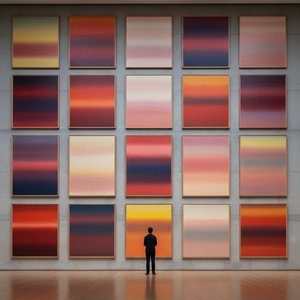
Топ 25 шедьовъра на Марк Ротко: Емоционални пейзажи за вашия дом | OriginalUniqueArt.com
Разгледайте топ 25 шедьовъра на Марк Ротко – емоционални абстрактни живописи, определящи експресионизма. Историята зад всяка картина, техники и цветове. Купете репродукции с музейно качество за вашия дом на OriginalUniqueArt.com!