

 Представи си го
 Изпрати
 Сподели
 Детайли

 Изтегляне
 Подобни
 Рентгенова снимка
 Слайдшоу
Psyche

 Прочетете повече
Жикле / Художествен принт
Giclée печат или принт върху платно с музейно качество, бързо производство и гъвкави опции за завършен вид. ( Купете ръчно рисувана картина Купете изображение)




































Изберете от предварително зададените размери, които съответстват на оригиналните пропорции на произведението.

Можете да въведете собствени размери, за да паснат на конкретна рамка или пространство. Ако избраният от Вас размер не съвпада с пропорциите на оригиналното изображение, ние ще изрежем произведението или ще разширим изображението с огледален или едноцветен ръб. Дигитален макет ще бъде изпратен за Ваше одобрение преди започването на производството.
Моля, имайте предвид, че предпрегледът на екрана не отразява реалното изрязване или разширяване. Само макетът ще покаже точно финалната композиция.
Въпреки че са налични персонализирани размери, препоръчваме да изберете размер от предварително дефинирания списък, за да запазите оригиналните пропорции.
Доставка по целия свят () в рамките на 2 седмици вместо стандартните 4/5 седмици. (18 Август)

Безплатна експресна доставка по целия свят

Висококачествено ленено платно

Пълно застраховане при доставка

Гаранция за възстановяване на митнически такси

Гаранция за цветова точност

60-Дневен период за връщане (Само при дефекти)

100% Гаранция за връщане на парите

Предложение за отстъпка при поръчка на едро
 Стъклото е налично само в размери под 110 см

Psyche
Жикле / Художествен принт
Размер на репродукцията
-


Обща цена
$ 80
Биография на художника
Nikolaos Gyzis – A Life Bridging Tinos and Munich
Nikolaos Gyzis, a name synonymous with the vibrant spirit of 19th-century Greek art, emerged from the sun-drenched island of Tinos in 1842. His early life, steeped in the traditions of this Cycladic gem – its stark landscapes, fervent religious practices, and rich folk culture – would profoundly shape his artistic sensibilities, laying the foundation for a career that ultimately spanned continents and bridged two distinct cultural worlds. Born in the small village of Sklavochori, Gyzis’s formative years were marked by an intimate connection to the land and its people, experiences that would later infuse his paintings with a palpable sense of authenticity and emotional depth. The family's relocation to Athens in 1850 proved crucial, opening doors to formal artistic training at the School of Fine Arts – a pivotal step towards realizing his burgeoning talent. Initially enrolled as an auditor, he quickly absorbed the knowledge imparted by esteemed instructors like Ludwig Thiersch, immersing himself in the fundamentals of draftsmanship and composition before officially joining the institution and benefiting from their guidance. This early academic grounding provided him with the technical skills necessary to navigate the complexities of artistic expression that lay ahead.The Munich School: A Crucible for Artistic Transformation
In 1865, a remarkable opportunity presented itself – a scholarship awarded by the Evangelistria Foundation of Tinos, enabling Gyzis to pursue advanced studies at the prestigious Academy of Fine Arts in Munich. This move marked a dramatic shift in his artistic trajectory, propelling him into the heart of Europe’s burgeoning art scene. Munich, with its vibrant intellectual and artistic atmosphere, quickly became both his adopted home and the crucible where his unique style began to take shape. He rapidly integrated himself into the influential “Munich School,” a movement characterized by its commitment to academic realism blended seamlessly with genre painting – scenes from everyday life imbued with narrative depth and psychological insight. This wasn’t merely a stylistic imitation; it represented a conscious effort to forge a distinctly Greek artistic identity within the broader European context, acknowledging both the legacy of classical antiquity and the influence of contemporary trends emanating from Bavaria due to historical ties between the two nations. The Munich School fostered an environment of collaboration and experimentation, encouraging artists to push the boundaries of traditional techniques while retaining a deep respect for established conventions. Gyzis’s time in Munich was further enriched by his close friendship with fellow Greek artist Nikephoros Lytras, who also studied at the Academy, fostering a dynamic exchange of ideas and mutual support.Themes and Techniques: From Genre to Orientalism
Gyzis's artistic output spanned a diverse range of subjects, reflecting both his personal experiences and the broader cultural currents of his time. Initially focused on genre painting – capturing scenes from rural Greece, portraying the dignity and resilience of its people – he gradually expanded his repertoire to encompass orientalist themes, drawing inspiration from his travels and incorporating elements of Eastern light, color, and symbolism into his work. His depictions of Middle Eastern landscapes and figures were not simply exoticized representations; they revealed a nuanced understanding of different cultures and a willingness to challenge conventional European perceptions. A significant journey to Anatolia with Lytras in 1873 broadened his artistic horizons, introducing him to new light conditions, exotic subjects, and a richer palette that subtly infused his later work with an orientalist flair. Throughout his career, Gyzis demonstrated remarkable technical versatility, transitioning from meticulous realism to more impressionistic compositions characterized by looser brushwork and a greater emphasis on capturing fleeting moments of light and atmosphere. His masterful use of color, combined with his keen eye for detail and psychological insight, created paintings that were both visually stunning and emotionally resonant.Masterpieces and Recognition: Eros, Victory, and the Destruction of Psara
Among Gyzis’s most celebrated works are Eros and the Painter (1879), a captivating allegory exploring the transformative power of inspiration; News of Victory (1871), a poignant depiction of the Franco-Prussian War that transcends mere historical documentation to convey the profound impact of conflict on human emotion; and, perhaps most powerfully, After the Destruction of Psara (circa 1896-1898). This monumental painting serves as a searing elegy for the victims of the tragic massacre on the island of Psara during the Greek War of Independence – an event that deeply resonated with the Greek national consciousness. Far from simply illustrating a historical tragedy, Gyzis’s masterpiece captures the profound sense of loss and shattered hopes that permeated the nation following this devastating event, rendered with a haunting beauty that transcends mere documentation. These works, along with numerous other paintings depicting scenes from Greek history, mythology, and everyday life, solidified Gyzis's reputation as one of Greece’s most important 19th-century painters. He garnered international recognition through gold medals at prestigious exhibitions in Munich and Madrid, and was appointed professor at the Academy of Fine Arts in Munich in 1888, where he generously shared his knowledge and expertise with a new generation of artists.Legacy and Enduring Influence
Nikolaos Gyzis’s legacy extends far beyond the confines of his own artistic output. He played a pivotal role in defining Greek art during the late 19th century, establishing a distinct national identity while simultaneously engaging with broader European artistic currents. His iconic work *The Secret School* was featured on the reverse of the Greek 200 drachmas banknote (1996-2001), a testament to his enduring cultural impact and recognition by the nation he served. The Athenian neighborhood Gyzi is named in his honor, further cementing his place as a significant figure in Greek history and culture. Even in his final years, Gyzis remained deeply connected to his homeland, expressing a poignant longing to return – a wish that was tragically unfulfilled upon his death in Munich in 1901. Today, his works are exhibited in museums and private collections across Greece, Germany, and beyond, ensuring that his artistic vision continues to inspire and captivate audiences worldwide. Nikolaos Gyzis stands as a foundational figure of modern Greek painting, bridging European academic mastery with a distinctly Greek sensibility – a legacy that will undoubtedly endure for generations to come.
Николаос Гизис
1842 - 1901 , Гърция
Бързи факти
- Artistic Movement Or Style: Мюнхенска школа, импресионизъм
- Artists Or Movements Influenced By This Artist: ['Мюнхенска школа']
- Artists Who Influenced This Artist:
- Херман Аншутц
- Карл фон Пилоти
- Date Of Birth: 1 март 1842 г.
- Date Of Death: 4 януари 1901 г.
- Full Name: Николаос Гизис
- Nationality: Гръцки
- Notable Artworks:
- Ерос и художника
- След разрушението на Сара
- Place Of Birth: Тинос, Гърция
Всички статии
The Soft Power of Pastel: A Connoisseur's Guide to History, Technique, and the Art of Texture
Explore the ethereal beauty of pastel art. From Renaissance origins to Impressionist mastery, discover the history, technique, and velvety textures that define this luminous medium in our expert guide for art connoisseurs.

The Subtleties of Pastel: A Comprehensive Exploration of Technique, History & Emotional Resonance
Explore the captivating world of pastel art! Discover its rich history, Impressionistic masters like Degas, emotional power & unique techniques. Find museum-quality reproductions at OriginalUniqueArt.

The Subdued Radiance of Pastel: Exploring Nuance & Emotion in Art
Explore the nuanced world of pastel art! Discover its history, techniques & emotional power with expert insights from OriginalUniqueArt.com. Find museum-quality reproductions and learn about collecting this delicate medium.

The Magic of Pastel Art: A Guide to Soft Colors and Velvately Textures in Impressionist Masterpieces
Explore the ethereal beauty of pastel art. Discover how Impressionist masters used soft hues and velvety textures to capture light. A professional guide for art enthusiasts seeking to understand, collect, and appreciate the delicate magic of this timeless medium.
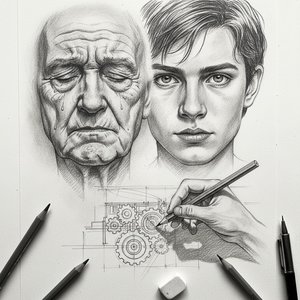
The Nuances of Graphite: Exploring Emotional Depth & Technical Mastery in Pencil Drawing
Explore the captivating world of graphite drawing! Discover its rich history, master essential techniques like chiaroscuro, and learn how artists evoke emotion through this timeless medium. Expert insights for art enthusiasts.


