

 Преглед в реален мащаб
 Сподели
 Сподели
 Подробности
 Ръководство

 Изтегляне
 Подобни артикули
 Рентгенова снимка
 Слайдшоу
 Статистика
Studies for a double tomb wall
 Acrylic On Paper
- WallArt
- Renaissance
 1520
1520 26.0 x 19.0 cm
 Британски музей
 Разгърни целия текст
Изкуството, представено на тази страница, е защитено от законите за авторско право, което означава, че не можем законно да създаваме или продаваме идентични репродукции. Тази защита се прилага съгласно международни споразумения като Бернска конвенция и от националното законодателство, включително разпоредбите на Закон за авторското право на САЩ – Раздел 17.
Като уважителна и законна алтернатива, ние предлагаме изработени по поръчка, ръчно рисувани произведения на изкуството, вдъхновени от оригинала. Нашите умени и професионални артисти внимателно изучават стила, настроението и артистичната същност на оригиналното произведение, за да създадат ново, уникално творческо произведение, което предизвиква същото чувство – оставайки в същото време самостоятелно оригинално творение.
Този метод е напълно съвместим с законите за авторско право, тъй като не включва копиране или дублиране на защитеното произведение. Вместо това става въпрос за творческа реинтерпретация – нова картина, която е вдъхновена от оригинала, но не е идентична с него.
Ръчно изработена маслена репродукция
Ръчно рисувана маслена картина върху платно във вашия размер и рамка, изработена по поръчка от нашите художници. ( Избор на принт Превключване към дигитално изображение)




P118B €10

P118H €10

P118W €10

P438Z €10

P508JH €12

P508YH €12

P805H €10

P805Z €10

P919BZ €10

P919G €10

P919XJ €10

P959ZH €10

P968JZ €12

W106C €8

W218G €10

W218JH €8

W218Y €10

W307PJ €10

W316G €10

W316PJ €8

W316Y €10

W398PJ €8

W4111J €10

W500HY €15

W500JH €15

W692G €12

W849H €8

W940BG €15

W953PJ €8




Изберете от нашите предварително зададени размери, които съответстват на оригиналните пропорции на произведението.

Въведете необходимата ширина и височина, за да паснат на вашата рамка или стена. Тъй като това е ръчна работа, при избор на размер с различен формат, художникът може да нарисува малко повече около картината или да отреже малко от периферията — вие избирате. Преди да започне рисуването, ще ви изпратим дигитален мок업 за одобрение. Картината, показана на тази страница, не е реалният резултат — само мок업ът го показва.
След получаване на поръчка, екипът на OriginalUniqueArt.com ще изпрати имейл до клиента с инструкции и ще предостави примерен макет за преглед.
Доставка по целия свят () в рамките на 3-4 седмици вместо стандартните 5 седмици. (24 Октомври). Без компромис с качеството.

Безплатна експресна доставка по целия свят

Висококачествено ленено платно

Пълно застраховане на доставката

Гаранция за възстановяване на митнически такси

Гаранция за пълно съответствие на цветовете

Политика за връщане в рамките на 100 дни (само при дефекти)

100% Гаранция за връщане на сумата

Отстъпка при поръчка на повече произведения
 Опцията със стъкло е налична само за размери под 110 см

Studies for a double tomb wall
Техника на репродукция
Размер на репродукцията
-


Крайна цена
€ 285
A Glimpse into Renaissance Design: Studies for a Double Tomb Wall
Michelangelo Morlaiter’s “Studies for a Double Tomb Wall” (1520) isn't merely a preparatory sketch; it’s a profound window into the creative process of one of history’s most celebrated artists. This deceptively simple drawing, rendered in delicate pencil on paper, reveals the meticulous thought and architectural vision that underpinned Michelangelo’s monumental commissions for the Medici family. Far from being a preliminary draft, it stands as a testament to his mastery of disegno – the fundamental principles of Italian Renaissance art, emphasizing observation, proportion, and the illusion of depth.
The drawing depicts an elaborate architectural structure, heavily influenced by classical Roman forms yet imbued with a distinctly Florentine sensibility. Columns, pilasters, and decorative elements coalesce into a grand façade, hinting at the imposing tombs it was destined to grace. Notice how Morlaiter doesn’t shy away from depicting the process of design itself – numerous smaller sketches surround the central composition, illustrating alternative arrangements and refinements. These aren't discarded ideas; they represent an iterative exploration, showcasing Michelangelo’s willingness to experiment and refine his vision through a series of evolving studies.
The Language of Line: Technique and Composition
What immediately captivates the viewer is Morlaiter’s masterful use of line. The drawing is dominated by precise, confident pencil strokes, varying in thickness to create a remarkable sense of volume and texture. Hatching – the technique of using closely spaced parallel lines to build up tone – is employed subtly yet effectively, suggesting shadows and highlighting architectural details. The composition itself is carefully balanced, utilizing a vertical format that draws the eye upwards towards the central structure. The overlapping lines and diminishing size of figures in the background create an illusion of depth, pulling the viewer into the world of the design.
- Linear Perspective: A rudimentary attempt at linear perspective is evident, though not fully developed – a characteristic of preparatory sketches rather than finished works.
- Hatching and Cross-hatching: These techniques skillfully render shading and texture, adding depth and realism to the architectural forms.
- Detailed Linework: The meticulous execution of each line demonstrates Morlaiter’s exceptional draftsmanship and attention to detail.
A Medici Legacy: Historical Context and Symbolism
This drawing is inextricably linked to the patronage of the Medici family, one of Florence's most powerful and influential dynasties. The commission for a double tomb wall was intended as a monumental tribute to Lorenzo de’Medici and his brother Giuliano, both prominent figures in Florentine politics. The architectural style reflects the prevailing trends of the High Renaissance – a revival of classical forms combined with innovative design elements. The inclusion of figures within the structure suggests a desire for both grandeur and narrative, potentially depicting scenes from their lives or allegorical representations of their virtues.
Furthermore, the drawing’s creation coincided with a period of intense artistic experimentation in Florence. Michelangelo Morlaiter was working alongside giants like Leonardo da Vinci and Raphael, absorbing their ideas and contributing to the vibrant intellectual atmosphere of the city. The tomb itself would have been a significant undertaking, showcasing the wealth and power of the Medici family while serving as a lasting monument to their legacy.
Echoes of Eternity: Emotional Impact and Reproduction
Despite its technical precision, “Studies for a Double Tomb Wall” possesses a profound emotional resonance. It speaks to the human desire for remembrance, the pursuit of beauty, and the enduring power of art to transcend time. The drawing’s quiet dignity and meticulous detail invite contemplation on themes of mortality, legacy, and the relationship between architecture and spirituality. Reproductions of this remarkable work offer an accessible way to experience the genius of Michelangelo Morlaiter and appreciate the intricate beauty of Renaissance design. They serve as a tangible connection to a bygone era, allowing us to glimpse into the creative mind of one of history’s greatest artists.
Въпроси и отговори
За какво се препоръчва използването на принт от "Studies for a double tomb wall"?
Препоръчителното приложение за „Studies for a double tomb wall“ на Michelangelo Morlaiter е Reflective. Може да се използва и за други цели също.
Коя палитра и доминиращ цвят определят "Studies for a double tomb wall"?
„Studies for a double tomb wall“ се определя от палитра в Pastels, водена от Putty (#cdc5b7).
Каква техника и стил характеризират „Studies for a double tomb wall“ на Michelangelo Morlaiter?
"Studies for a double tomb wall" е изработена в Acrylic On Paper, в стил Renaissance.
Биография на художника
Michelangelo Morlaiter: Venetian Sculptor and Fresco Artist
Michelangelo Morlaiter (1766 – Present) stands as a testament to the enduring legacy of Venetian artistic tradition, particularly within the School of Athens. Born into a family steeped in sculpture—his father, Giovanni Maria Morlaiter, was himself a celebrated sculptor—Michelangelo inherited not only talent but also an unwavering dedication to mastering the craft of disegno, the foundational principles of Renaissance art. His formative years were spent absorbing the artistic atmosphere of Venice, a city renowned for its patronage of the arts and its commitment to preserving classical ideals.- Early Life & Training: Giovanni Maria Morlaiter’s influence was paramount in shaping Michelangelo's early artistic sensibilities. He honed his skills under Giovanni Battista Falconetti, a master sculptor known for his meticulous attention to detail and anatomical accuracy. This rigorous training instilled in Morlaiter a profound understanding of sculptural technique—a skill he would later translate into breathtaking frescoes that adorn prominent Venetian churches.
The Accademia di Scoltura, Pittura, ed Architettura Civile: A Crucible of Artistic Innovation
Michelangelo Morlaiter’s contribution to Venetian art extends far beyond individual masterpieces. He was a founding member and professor at the Accademia di Scoltura, Pittura, ed Architettura Civile in Venice (established 1766), an institution dedicated to reviving classical artistic ideals and fostering excellence in sculpture, painting, and architecture. This academy served as a vital hub for disseminating knowledge and nurturing talent—producing generations of artists who would shape the visual landscape of Venice and beyond. Morlaiter’s role as educator ensured that Venetian artistic traditions continued to flourish into the 19th century.- Notable Commissions & Artistic Style: Morlaiter gained renown for his monumental sculptures, notably ‘Ignudo,’ a stunning nude study reflecting the influence of Michelangelo Buonarroti and embodying the humanist spirit of the Renaissance. His frescoes within Chiesa dell'Angelo Raffaele—particularly “The Study of Adam”—demonstrate masterful fresco technique, characterized by layering pigments onto wet plaster to achieve luminous colors and unparalleled textural depth. These works exemplify Venetian Rococo art’s elegance and grace.
Influences & Artistic Legacy
Morlaiter's artistic vision was deeply rooted in the humanist ideals of the Renaissance, mirroring the broader cultural movement that championed reason, observation, and human dignity. He drew inspiration from Michelangelo Buonarroti’s sculptural achievements—particularly his David—and embraced the stylistic conventions of Venetian Rococo art, prioritizing decorative splendor and emotional expression alongside technical virtuosity. His enduring legacy resides in his contribution to Venetian artistic heritage and his role as a pivotal figure in shaping the aesthetic sensibilities of his time.- Major Achievements: Morlaiter’s sculptures are celebrated for their anatomical precision and expressive dynamism, capturing the human form with remarkable realism. His frescoes—particularly “The Study of Adam”—are considered masterpieces of Venetian fresco painting, showcasing unparalleled color palettes and textural nuances. He cemented his place in art history as a champion of classical ideals and a pivotal voice within Venice’s artistic community.
Historical Significance
Michelangelo Morlaiter's work represents more than just aesthetic beauty; it embodies the spirit of Venetian Renaissance culture—a commitment to reviving classical art forms and upholding humanist values. His influence extended beyond his immediate circle, shaping artistic trends throughout Venice and contributing to the preservation of Venetian artistic traditions for centuries to come. He stands as a symbol of Venetian artistic excellence and a testament to the enduring power of disegno.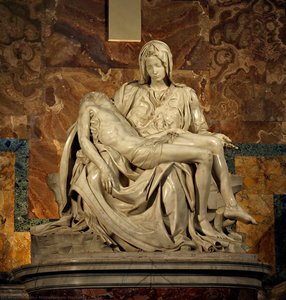
Бързи факти
- Full Name: Michelangelo Morlaiter
- Nationality: Italian
- Place Of Birth: Venice
- Notable Artworks:
- Ignudo
- Studies for a double tomb wall
- The Study of Adam
- Artistic Movement Or Style: Rococo Art
- Artists Who Influenced This Artist: ['Giovanni Morlaiter']
- Artists Or Movements Influenced By This Artist: ['Renaissance Venice']
Свързани статии

OriginalUniqueArt.com F.A.Q.: Elevating Interiors with Bespoke Wall Murals & Masterpiece Frescoes
Discover the pinnacle of bespoke interior transformation with OriginalUniqueArt.com. Our master fresco artists create exquisite, hand-painted wall murals and ceiling masterpieces tailored to your estate. Elevate your architectural space with timeless, museum-quality artistry.


