
 Преглед в реален мащаб
 Изпрати
 Сподели
 Детайли
 Ръководство

 Изтегляне
 Подобни артикули
 Рентгенова снимка
 Слайдшоу
 Въпроси и отговори
 Статистика
Peacocks

- 190.0 x 135.0 cm


 Прочети повече
Жикле / Художествен принт
Giclée печат или принт върху платно с музейно качество, бързо производство и гъвкави опции за завършен вид. ( Купете ръчно рисувана картина Превключване към дигитално изображение)




P118B €10

P118H €10

P118W €10

P438Z €10

P508JH €12

P508YH €12

P805H €10

P805Z €10

P919BZ €10

P919G €10

P919XJ €10

P959ZH €10

P968JZ €12

W106C €8

W218G €10

W218JH €8

W218Y €10

W307PJ €10

W316G €10

W316PJ €8

W316Y €10

W398PJ €8

W4111J €10

W500HY €15

W500JH €15

W692G €12

W849H €8

W940BG €15

W953PJ €8




Изберете от нашите предварително зададени размери, които съответстват на оригиналните пропорции на произведението.

Въведете необходимата ширина и височина, за да паснат на вашата рамка или стена. Принтовете могат само да се изрязват, но никога не могат да бъдат по-големи от оригиналната картина, така че при размер с различен формат част от изображението ще бъде загубена. Преди да започнем печат, ще ви изпратим дигитален мок업 за одобрение. Изображението, показано на тази страница, не показва реалното изрязване — само мок업ът го показва.
Доставка по целия свят () в рамките на 2 седмици вместо стандартните 4/5 седмици. (8 Ноември)

Безплатна експресна доставка по целия свят

Висококачествено ленено платно

Пълно застраховане на доставката

Гаранция за възстановяване на митнически такси

Гаранция за пълно съответствие на цветовете

Политика за връщане в рамките на 100 дни (само при дефекти)

100% Гаранция за връщане на сумата

Оферта за отстъпка при поръчка на повече бройки
 Опцията със стъкло е налична само за размери под 110 см

Peacocks
Жикле / Художествен принт
Размер на репродукцията
-


Обща цена
€ 72
Melchior de Hondecoetter’s “Peacocks” – A Symphony of Baroque Detail
The Dutch Golden Age witnessed an unparalleled flourishing of artistic innovation, and Melchior de Hondecoetter stands as a towering figure within this era's remarkable canon. His mastery of animalier painting—a genre dedicated to meticulously capturing the beauty and dynamism of animals—reached its zenith in works like “Peacocks,” completed around 1683, now housed at The Metropolitan Museum of Art. This stunning canvas transcends mere representation; it embodies the Baroque spirit’s obsession with dramatic lighting, opulent textures, and an emotional intensity rarely achieved by his contemporaries.A Celebration of Exotic Beauty: Subject Matter and Composition
Hondecoetter's fascination with birds extended far beyond scientific observation. He sought to convey not just their physical appearance but also their inherent character—their grace, nobility, and even their subtle expressions of emotion. “Peacocks” exemplifies this approach perfectly. The centerpiece is a magnificent peacock, rendered in exquisite detail against a backdrop of lush foliage. Its iridescent plumage shimmers with an array of colors – emerald green, sapphire blue, ruby red – achieved through masterful layering of pigments and meticulous brushwork. Surrounding the peacock are several smaller peacocks and birds—including parrots—creating a dynamic composition that captures the vibrancy of nature. The artist’s careful placement of these figures contributes to a sense of depth and spatial illusion characteristic of Baroque art.Technique and Style: Baroque Precision Meets Emotional Resonance
Hondecoetter's technique is undeniably Baroque, prioritizing realism combined with expressive artistry. He employed oil paint on canvas—a medium favored during the period for its ability to produce rich colors and luminous effects—and utilized glazing techniques to build up layers of pigment gradually, resulting in a velvety surface texture that enhances the visual impact of the painting. The artist’s meticulous attention to detail is evident throughout “Peacocks,” from the individual feathers of the peacock to the delicate veins of the leaves. However, Hondecoetter didn't merely aim for photographic accuracy; he infused his work with emotion—a palpable sense of wonder and admiration for the natural world. This emotional resonance distinguishes him from other animaliers of his time who focused primarily on documenting specimens.Historical Context: The Baroque Aesthetic in Dutch Art
“Peacocks” emerged during a period of immense artistic creativity in Holland, coinciding with the reign of William III—a monarch deeply invested in fostering cultural excellence. The Baroque style, originating in Italy, had gained considerable traction across Europe, influencing artists and shaping aesthetic sensibilities. Hondecoetter’s embrace of this style reflects broader trends within Dutch art, where painters sought to convey grandeur, drama, and spiritual fervor. Furthermore, the painting speaks to the burgeoning interest in scientific exploration during the seventeenth century—a fascination with observing and representing the natural world that fueled artistic endeavors like “Peacocks.”Symbolism: Peacock as Emblem of Royalty and Virtue
The peacock’s inclusion in “Peacocks” is laden with symbolic significance. Throughout European art history, the peacock has served as an emblem of royalty—specifically the Holy Roman Emperor—due to its magnificent plumage resembling imperial robes. More broadly, it represents virtue, pride, and immortality—qualities highly valued during the Baroque era. Hondecoetter’s depiction captures not only the visual splendor of the bird but also its spiritual essence, elevating “Peacocks” beyond a mere botanical illustration into a profound meditation on beauty and nobility.Conclusion: An Enduring Legacy
Melchior de Hondecoetter's "Peacocks" remains an extraordinary testament to Baroque artistry—a painting that continues to captivate viewers centuries later. Its masterful technique, evocative composition, and symbolic richness exemplify the genre’s ambition to elevate art beyond mere representation, achieving instead a powerful emotional impact. It stands as a cornerstone of Dutch Golden Age art, securing Hondecoetter's place among the most celebrated animaliers of his time and ensuring that “Peacocks” will forever inspire admiration for its exquisite beauty and artistic brilliance.Въпроси и отговори
Как мога да разгледам „Peacocks“ на Melchior De Hondecoetter като слайдшоу?
Налична е галерия със снимки: страницата Слайдшоу на „Peacocks“ на Melchior De Hondecoetter.
Какъв е форматът на "Peacocks"?
„Peacocks“ на Melchior De Hondecoetter е Portrait композиция. Пропорциите си заслужават да бъдат проверени преди избор на размер на принта.
Как да открия произведения, подобни на „Peacocks“ на Melchior De Hondecoetter?
Страницата Подобни произведения на „Peacocks“ на Melchior De Hondecoetter представя свързани произведения на изкуството.
Биография на художника
The Avian Majesty of Melchior de Hondecoeter
In the golden twilight of the Dutch Golden Age, few artists captured the vibrant pulse of the natural world as vividly as Melchior de Hondecoeter. A master of the Baroque era, his brush possessed a rare alchemy, capable of transforming mere pigment into the iridescent sheen of a peacock’s plume or the delicate, translucent down of a songbird. Born in Utrecht around 1636, Hondecoetter emerged not merely as a painter of animals, but as a storyteller of the exotic and the magnificent. His work serves as a window into a century defined by global exploration, where the arrival of rare species from distant lands ignited a profound fascination with the wonders of the natural order.
The foundation of his extraordinary talent was laid through rigorous discipline and an unwavering commitment to anatomical truth. Apprenticeship under the esteemed Willem van Royen provided him with the technical scaffolding necessary to master the complexities of light and shadow. Yet, Hondecoetter’s genius lay in his ability to transcend mere scientific documentation. While he approached his subjects with the precision of a naturalist—studying musculature and skeletal structure with almost clinical devotion—he infused every composition with a theatrical energy characteristic of the Baroque movement. His canvases are never static; they are stages where birds interact, preen, and take flight amidst lush, atmospheric landscapes.
A Symphony of Color and Motion
To gaze upon a Hondecoeter masterpiece is to experience a sensory deluge. He rejected the muted, somber palettes that often characterized much of Dutch genre painting, opting instead for a bold, expressive use of color that commands the viewer's attention. His technique was a sophisticated balance of precise observation and expressive bravura. Through masterful rendering of texture, he could differentiate between the heavy, waxy surface of a waterfowl’s wing and the soft, airy lightness of a forest dweller. This tactile quality creates an immersive experience, pulling the observer into a world where the rustle of feathers feels almost audible.
The development of his style saw him move toward increasingly complex and dynamic compositions. He became renowned for his ability to arrange multiple subjects within a single frame, creating a sense of organized chaos that mirrors the untamed beauty of nature. These works often featured:
- Exoticism: The inclusion of rare, brightly colored birds that symbolized wealth, discovery, and the expanding horizons of the Dutch Republic.
- Dramatic Lighting: A use of chiaroscuro that highlighted the intricate details of plumage while casting deep, mysterious shadows in the surrounding foliage.
- Narrative Depth: Scenes that suggested a larger story, whether it be a moment of predatory tension or a peaceful interlude in a sun-drenched garden.
Legacy and Historical Significance
Melchior de Hondecoeter’s influence extended far beyond the borders of the Netherlands. As an animalier, he helped establish a specialized genre that would captivate collectors across Europe, from the courts of kings to the homes of wealthy merchants. His ability to marry scientific accuracy with high art ensured that his work was valued both for its aesthetic splendor and its contribution to the era's burgeoning interest in natural history.
Though his life ended in 1695, his artistic footprint remains indelible. He did not simply paint birds; he elevated them to subjects of profound dignity and drama. In an age of discovery, Hondecoeter acted as a visual chronicler of the earth's splendor, leaving behind a legacy of canvases that continue to breathe with life, color, and an eternal sense of wonder. His work remains a testament to the power of art to bridge the gap between the observed world and the human imagination.

Melchior De Hondecoetter
1636 - 1695
Бърза информация
- Full Name: Melchior de Hondecoetter
- Nationality: Dutch
- Date Of Birth: 1636
- Date Of Death: 1695
- Place Of Birth: Utrecht, Netherlands
- Notable Artworks:
- A Cock
- The Menagerie
- Birds, Butterflies and a Frog Among Plants and Fungi
- Artistic Movement Or Style: Baroque
- Artists Who Influenced This Artist: ['None Known']
- Artists Or Movements Influenced By This Artist: ['William Hendrik Wilhemus van Royen']
Свързани статии

Топ 25 шедьоври на Франсиско Гоя: Изкуство, история и лукс за вашия дом
Разгледайте топ 25 шедьоври на Франсиско Гоя – от портрети до исторически картини. Открийте историите, техниките и емоциите зад неговите най-известни творби. Луксозни репродукции за вашия дом в OriginalUniqueArt.com!

Относно нас
Открийте нашата история! Ние внасяме световнокласно изкуство във вашия живот чрез експертен подбор, персонализирани творения и безплатни прегледи. Одобрено от частни лица и фирми от 2000 г. насам.
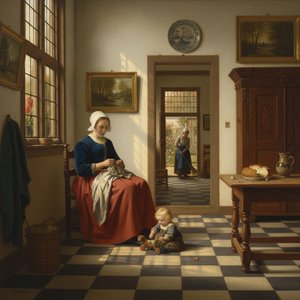
Pieter de Hooch: Illuminating Dutch Domestic Life & Golden Age Charm
Explore the captivating world of Pieter de Hooch, a master of Dutch Golden Age painting. Discover his innovative use of light, intimate domestic scenes, and lasting influence on art history. Learn more at OriginalUniqueArt.

Топ 10 шедьоври на нидерландския барок: Изкуство за вашия дом от OriginalUniqueArt
Разгледайте топ 10 шедьоври на нидерландския барок – Рембранд, Вермеер и други. Открийте историите зад картините, техниките и влиянието им върху изкуството. Музейно качество репродукции на OriginalUniqueArt.com! Разгледайте пълната колекция онлайн.

Golden Age Reflections: Dutch Baroque Painting & Cultural Innovation
Explore the Dutch Golden Age of painting! Discover key artists like Vermeer & ter Borch, their innovative techniques, and the rich cultural context behind these Baroque masterpieces. Learn about collecting & appreciating this iconic art period.