
 Представи си го
 Изпрати
 Сподели
 Детайли

 Изтегляне
 Подобни
 Рентгенова снимка
 Слайдшоу
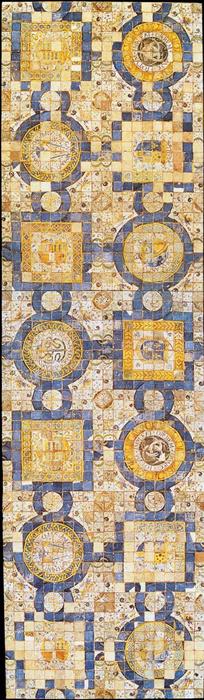
Ceramic Floor


 Прочетете повече
Закупете дигитално изображение с висока резолюция и подобрени характеристики, значително по-добро от онлайн прегледа.
Всеки файл е щателно подготвен от нашите специалисти с помощта на съвременни инструменти и експертна ръчна ретуш. Гарантираме, че всяко изображение има изключителна яснота, прецизна цветова точност и фини детайли.
Окончателният файл се доставя по имейл в рамките на 72 часа, оптимизиран за незабавна употреба в професионални, редакционни и печатни среди. Това е същото качество, на което се доверяват водещи дизайнерски студия, издатели и галерии.
Дигитално изображение
Изтеглете файл с висока резолюция за лично показване, принтиране и творчески проекти. ( Превключване към печат Превключване към ръчно рисувана картина)
Включено във всяка поръчка за дигитални изображения
Експресна дигитална доставка, гарантирана
Когато изберете OriginalUniqueArt.com, вие не получавате само изображение – вие получавате професионално подобрена дигитална творба, създадена с прецизност и подкрепена от гаранция за удовлетворение. Ето всичко, което автоматично се включва в вашата поръчка:

Бърза доставка по имейл
Вашето дигитално изображение с висока резолюция ще ви бъде изпратено по имейл в рамките на 72 часа от поръчката - готово за незабавно използване.

Дигитален файл с подобрено качество чрез изкуствен интелект
Вашата картина е професионално оптимизирана с помощта на усъвършенствани инструменти за изкуствен интелект и ръчна редакция, осигурявайки максимална детайлност, яснота и точност на цветовете.

Безплатна доживотна повторна доставка
Изгубили сте или сте премахнали файла си по погрешка? Не се притежнявайте – ще го изпратим отново на Вас по всяко време, безплатно.

Без такки за мито - никога
Всредите си веднага без мита, данъци или такси по доставка - дигителните приложения винаги са без данъчно освободени.

Гаранция за точност на цветовете
Гарантираме, че вашето дигитално изображение отразява оригиналните цветове възможно най-точно, използвайки професионални инструменти и управление на цветовете.

Гаранция за удовлетвореност от 60 дни
Ако не сте доволни от вашето дигилно изображение, ще го коригираме или ще възмедим 100% в рамките на 60 дни – без никакви въпроси.

100% Гаранция за връщане на пари.
Не сте удовлетворени? Получавате пълно възстановяване на сумата в рамките на 60 дни след получаването на вашия цифров файл – без никакви въпроси.

Отстъпки за големи поръчки
Купете 3 изображения, спестете 10% - Купете 5, спестете 15% - Купете 10+, спестете 20%. Отлично за творчески проекти, галерии и агенства.
Биография на художника
The Renaissance Potter of Rouen: Masséot Abaquesne and the Brilliance of French Faience
Masséot Abaquesne, a name perhaps unfamiliar to many outside the circles of ceramic history, represents a pivotal figure in the development of French faience during the 16th century. Born around 1500 in Cherbourg, Normandy, and passing away in 1564 in Sotteville-lès-Rouen, Abaquesne wasn’t merely a potter; he was an innovator who brought a new level of artistry and technical skill to earthenware production in France. His work emerged at a time when French decorative arts were increasingly looking towards Italy for inspiration, and he became instrumental in translating Italian Renaissance aesthetics into the distinctly French medium of tin-glazed pottery.Early Life and the Rise of Rouen Ceramics
Details surrounding Abaquesne’s early life remain somewhat scarce, a common challenge when studying artisans from this period. However, it is known that he established himself in Rouen by 1538, quickly becoming a leading figure in the burgeoning ceramic industry of the city. Rouen, strategically located and with access to essential raw materials, was poised to become a center for faience production. Abaquesne’s arrival coincided with a growing demand for decorative ceramics among the French nobility and wealthy merchant class, who were eager to emulate the sophisticated tastes of Italy. He rapidly rose through the ranks, eventually becoming director of the Rouen factory, solidifying his position as a master craftsman. His early work demonstrated a keen understanding of Italian maiolica techniques, but he wasn’t simply an imitator; he began to develop a unique style that blended Italian influences with French sensibilities.A Master of Technique and Design
Abaquesne's mastery lay in his skillful application of *grand feu* technique – firing the glaze and metallic oxides at a high temperature, resulting in a limited but vibrant palette of blues, yellows, browns, and greens. This contrasted with later *petit feu* methods that allowed for greater color variation but required more complex firing processes. His most celebrated achievement is undoubtedly the ceramic pavement created for the Château d'Écouen in 1542 for Anne de Montmorency, Constable of France. This remarkable floor, a veritable “earthenware carpet,” showcased his ability to create large-scale decorative schemes with intricate designs and narrative scenes. The subject matter often drew from mythology, heraldry, and grotesque motifs – popular themes during the Renaissance. Beyond the Écouen pavement, Abaquesne became renowned for his *albarello* jars—pharmacy vessels adorned with faces and floral wreaths. He produced over 4,000 of these jars for Pierre Dubosc, a Rouen apothecary, demonstrating both his technical capacity and the commercial success of his workshop.Influences and Legacy
The artistic lineage of Abaquesne is complex. While Luca della Robbia’s sculptural ceramics undoubtedly influenced his early style, particularly in the use of relief decoration and expressive faces, he also drew inspiration from Bernard Palissy, another pioneering French potter who experimented with innovative glazing techniques. However, Abaquesne predated much of Palissy's most famous work, establishing himself as a key figure *before* Palissy’s rise to prominence. His studio became a hub for ceramic innovation, and his influence extended beyond Rouen. The tiles he created for Claude d'Urfé’s chapel in the Loire Valley, though later dispersed, further attest to his widespread reputation and patronage. Abaquesne’s work paved the way for the flourishing of French faience in the 17th and 18th centuries, influencing generations of potters and contributing significantly to the development of a distinctly French ceramic tradition. His legacy is not merely one of technical skill but also of artistic vision—a testament to his ability to transform humble earthenware into objects of beauty and enduring cultural significance.Rediscovering Abaquesne: Modern Appreciation
For centuries, Abaquesne’s contributions were often overshadowed by the fame of later ceramicists like Palissy. However, recent scholarship and exhibitions – such as the retrospective organized by the National Renaissance Museum in partnership with the Rouen Museum of Fine Arts and Ceramics – have brought renewed attention to his work. Museums worldwide, including The Metropolitan Museum of Art, now showcase examples of his tiles and *albarello* jars, allowing a wider audience to appreciate his artistry. The brilliance of Abaquesne’s faience lies not only in its aesthetic qualities but also in its historical context. He represents a crucial moment in the French Renaissance—a time when artistic influences converged, and new techniques were embraced, leading to the creation of uniquely beautiful and culturally significant objects. His story serves as a reminder that even seemingly modest crafts can embody profound artistic innovation and lasting cultural impact. His work continues to inspire contemporary artists and collectors alike.
masséot abaquesne
1500 - 1564 , France
Бързи факти
- Artistic Movement Or Style: Faience, Rouen ceramics
- Artists Or Movements Influenced By This Artist: ['Anne de Montmorency']
- Artists Who Influenced This Artist:
- Luca della Robbia
- Bernard Palissy
- Date Of Birth: 1500
- Date Of Death: 1564
- Full Name: Masséot Abaquesne
- Nationality: French
- Notable Artworks:
- The Flood
- Ceramic Floor (Ecouen)
- Albarello
- Place Of Birth: Cherbourg, France

