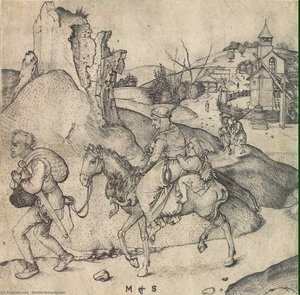
Преглед в реален мащаб
 Сподели
 Сподели
 Подробности
 Ръководство

 Изтегляне
 Подобни артикули
 Рентгенова снимка
 Слайдшоу
 Статистика
Nativity
 Oil On Canvas
- WallArt
- Northern Renaissance
 1480
1480- Renaissance
 37.0 x 28.0 cm
 Държавни музеи в Берлин
 Разгърни целия текст
Жикле / Художествен принт
Giclée печат или принт върху платно с музейно качество, бързо производство и гъвкави опции за завършен вид. ( Поръчайте ръчно рисувано репродукция на този колекционерски предмет Превключване към дигитално изображение)




P118B €10

P118H €10

P118W €10

P438Z €10

P508JH €12

P508YH €12

P805H €10

P805Z €10

P919BZ €10

P919G €10

P919XJ €10

P959ZH €10

P968JZ €12

W106C €8

W218G €10

W218JH €8

W218Y €10

W307PJ €10

W316G €10

W316PJ €8

W316Y €10

W398PJ €8

W4111J €10

W500HY €15

W500JH €15

W692G €12

W849H €8

W940BG €15

W953PJ €8




Изберете от нашите предварително зададени размери, които съответстват на оригиналните пропорции на произведението.

Можете да въведете собствени размери, за да паснат на конкретна рамка или пространство. Ако избраният от Вас размер не съвпада с пропорциите на оригиналното изображение, ние ще изрежем произведението или ще разширим изображението с огледален или едноцветен ръб. Дигитален макет ще бъде изпратен за Ваше одобрение преди започването на производството.
Моля, имайте предвид, че предпрегледът на екрана не отразява реалното изрязване или разширяване. Само макетът ще покаже точно финалната композиция.
Въпреки че са налични персонализирани размери, препоръчваме да изберете размер от предварително дефинирания списък, за да запазите оригиналните пропорции.
Доставка по целия свят () в рамките на 2 седмици вместо стандартните 4/5 седмици. (12 Октомври)

Безплатна експресна доставка по целия свят

Висококачествено ленено платно

Пълно застраховане на доставката

Гаранция за възстановяване на митнически такси

Гаранция за пълно съответствие на цветовете

Политика за връщане в рамките на 100 дни (само при дефекти)

100% Гаранция за връщане на сумата

Отстъпка при поръчка на повече произведения
 Опцията със стъкло е налична само за размери под 110 см

Nativity
Жикле / Художествен принт
Размер на репродукцията
-


Крайна цена
€ 69
A Moment of Divine Grace: Martin Schongauer's Nativity
Martin Schongauer’s “Nativity,” painted around 1480, is more than just a depiction of the biblical story; it’s a profound meditation on faith, humility, and the quiet majesty of the divine. Executed in meticulous detail with the characteristic precision of Northern Renaissance art, this work offers a deeply moving glimpse into the heart of Christian belief. Measuring 37 x 28 cm, its intimate scale invites viewers to contemplate the scene with focused attention, drawing them into the sacred narrative.
- The Scene: The painting portrays the traditional Nativity – Mary kneeling in reverence before Joseph, who cradles the infant Jesus. The presence of animals—two cows and three horses—is not merely decorative; it’s laden with symbolic weight. Animals were often associated with Christ's humility and sacrifice, mirroring the creatures present at his crucifixion.
- Schongauer’s Technique: Schongauer was a master printmaker, and this painting reflects his extraordinary skill in engraving. His meticulous attention to detail is evident in every brushstroke, from the delicate folds of Mary’s robes to the textured fur of the animals. The use of oil paint allowed for subtle gradations of tone and color, creating a remarkable sense of realism and depth.
A Window into the Northern Renaissance
Schongauer's work stands as a pivotal example of the artistic currents flowing through the Northern Renaissance. Influenced by Early Netherlandish masters like Rogier van der Weyden, he embraced a style characterized by its realism, emotional intensity, and meticulous observation of nature. Unlike the idealized forms often found in Italian art of the period, Schongauer’s figures possess a tangible humanity – their expressions conveying a sense of vulnerability and devotion. The painting's composition reflects the influence of panel painting traditions prevalent at the time, emphasizing narrative clarity and symbolic resonance within a carefully structured space.
- Historical Context: Created around 1480, this “Nativity” emerged during a period of significant religious and intellectual ferment. The rise of humanism was challenging traditional dogma, while simultaneously fostering a renewed appreciation for classical learning and artistic achievement. Schongauer’s work embodies this tension – a devout expression of Christian faith rendered with the highest standards of technical skill.
- The Artist's Background: Born in Augsburg, Germany, Martin Schongauer inherited his father’s goldsmithing skills, which profoundly shaped his artistic approach. This training instilled in him an unparalleled ability to render intricate detail and texture, a hallmark of his work. His early apprenticeship with Caspar Isenmann further honed his technical abilities and exposed him to the prevailing artistic trends of the time.
Symbolism and Emotional Resonance
Beyond its technical brilliance, “Nativity” resonates deeply through its carefully considered symbolism. The arrangement of figures—Mary’s kneeling posture, Joseph’s protective embrace of Jesus—evokes a sense of reverence and guardianship. The animals, representing innocence and humility, underscore the central themes of the Nativity: the arrival of the Messiah as a humble servant. The painting's emotional impact is palpable – it invites viewers to contemplate the miracle of birth, the promise of salvation, and the profound love at the heart of the Christian faith. It’s a scene brimming with quiet dignity and spiritual significance.
A Timeless Masterpiece
This hand-painted reproduction captures the essence of Schongauer's masterpiece, offering an exceptional opportunity to bring this iconic work of art into your home or office. Its dimensions (37 x 28 cm) make it suitable for a variety of spaces, while its enduring beauty and profound symbolism ensure that it will remain a cherished addition to any collection. A testament to Schongauer’s genius, this reproduction allows you to experience the power and grace of this timeless depiction of the Nativity.
Въпроси и отговори
Налична ли е възможност за изтегляне на "Nativity"?
„Nativity“ на Мартин Шонгхуаер може да бъде изтеглен от страницата за Изтегляне на произведението, като дигитално изтегляне на изображение с висока резолюция.
Каква е техниката и размерите на „Nativity“ на Мартин Шонгхуаер?
Оригиналната творба „Nativity“ на Мартин Шонгхуаер е Oil On Canvas работа с размери 37 x 28 cm. Техниката и размерът описват оригиналния обект.
Какво е общото настроение на „Nativity“ на Мартин Шонгхуаер?
„Nativity“ на Мартин Шонгхуаер се описва като произведение с Calm настроение. Тази класификация може да помогне за съчетаването на творбата с подходяща обстановка.
В кое художествено направление и в коя епоха се поставя „Nativity“ на Мартин Шонгхуаер?
В „Nativity“ на Мартин Шонгхуаер изкуството от направлението Northern Renaissance се среща с епохата на Ренесанс.
Къде мога да намеря информация за "Nativity"?
Налична е страница с Ръководство за „Nativity“ на Мартин Шонгхуаер: предназначен за печат информация за произведението, създадена за ученици и учебни цели.
Кой е художникът зад "Nativity"?
„Nativity“ е създадена от Мартин Шонгхуаер. Информацията на тази страница описва оригиналната творба на Мартин Шонгхуаер.
Кой размер на репродукцията се препоръчва за „Nativity“ на Мартин Шонгхуаер?
За „Nativity“ на Мартин Шонгхуаер се препоръчва репродукция с размер Medium. Размерът може да бъде променен, като се запазят пропорциите.
Какво настроение и емоция се преплитат в "Nativity"?
„Nativity“ на Мартин Шонгхуаер предава Spiritual усещане в една общо Calm атмосфера.
Биография на художника
Мартин Шонгхуер: Живот и наследство
Ранен живот и обучение
Мартин Шонгхуер, роден около 1450 г. в Колмар, Елзас (днешна Франция), е ключова фигура в развитието на гравюрата по време на Северното ренесансово Възраждане. Той произхожда от семейство на занаятчии; баща му, Каспар Шонгмуер, е бил златник, който се е преместил в Колмар от Аугсбург, Германия, около 1440 г. Тази семейна среда оказва значително влияние върху ранното художествено обучение на Мартин, тъй като златарството е осигурило здрава основа в прецизния детайл и техниките за обработка на метал – умения, които са директно приложими към гравюрата.
Образование и художествено развитие
През 1465 г. Шонгхуер прекарва кратко време в Лейпцигския университет, но скоро изоставя академичните стремежи, за да се посвети изцяло на изкуството. Първоначално той се обучава като живописец под ръководството на Каспар Изенман, местен майстор, повлиян от ранната фламандска живопис, по-специално от творбите на Рогиер ван дер Вейден. Това ранно докосване до фламандския реализъм и вниманието към детайла се превръщат в емблематични черти на собствения стил на Шонгхуер.
Художествен стил и влияния
Художественият стил на Шонгхуер се характеризира с ясна, организирана готическа естетика, смесена с възникващите влияния на Северното ренесансово Възраждане. Той забележително липсва директно италианско влияние, черпейки вместо това вдъхновение от германските и ранните фламандски традиции. Неговата работа демонстрира прецизен детайл, експресивни фигури и изтънчено разбиране на композицията.
- Ключови характеристики: Прецизна гравюра, реалистични изображения, драматични разказвания, готическа структура
- Влияния: Рогиер ван дер Вейден, Каспар Изенман, германски готически традиции
Големи постижения и произведения
Шонгхуер е най-известен със своите 116 гравюри, всяка от които е идентифицирана с неговия монограм. Тези отпечатъци са широко разпространени из цяла Европа, оказвайки значително влияние върху развитието на техниките за гравюра и художествените стилове. Неговите гравюри често са изобразявали религиозни сцени, портрети и алегорични сюжети.
- Мадона в розовата градина (1473): Значителна картина, демонстрираща неговото умение да изобразява деликатни детайли и емоционална дълбочина.
- Гравюри: Включително „Искушението на свети Антоний“, „Поклонението на пастирите“ и множество други, демонстриращи неговото майсторство в техниката на гравюрата.
Историческа значимост и наследство
Влиянието на Мартин Шонгхуер върху света на изкуството е огромно. Той е един от първите германски художници, постигнали международно признание като гравер. Неговите отпечатъци са били силно търсени и широко копирани, разпространявайки неговия художествен стил из цяла Европа. Дори е документирано, че самият Микеланджело е изучавал и е копирал една от гравюрите на Шонгхуер – „Съдът на свети Антоний“ – което доказва високото уважение, с което Шонгхуер е бил почитан от по-късните майстори.
Творчеството на Шонгхуер преодоля пропастта между готическото изкуство и Ренесанса, проправяйки път за художници като Албрехт Дюрер. Неговата иновативна употреба на техниките за гравюра и неговото посвещаване на художествения детайл оставят трайно наследство в историята на гравюрата и Северноевропейското изкуство.
Смърт
Мартин Шонгхуер умира в Брайзах на 2 февруари 1491 г., оставяйки след себе си забележителен корпус от творби, които продължават да се възхваляват заради своята художествена стойност и историческа значимост.

Мартин Шонгхуаер
1450 - 1491 , Франция
Бързи факти
- Artistic Movement Or Style: Gothic art & Northern Renaissance
- Artists Or Movements Influenced By This Artist: ['Albrecht Dürer']
- Artists Who Influenced This Artist:
- Rogier van der Weyden
- Caspar Isenmann
- Date Of Birth: c. 1450–53
- Date Of Death: February 2, 1491
- Full Name: Martin Schongauer
- Nationality: Alsatian
- Notable Artworks:
- Madonna in the Rose Bower
- The Temptation of Saint Anthony
- Place Of Birth: Colmar, Alsace (France)
Свързани статии
High Medieval Art: 10 Masterpieces That Shaped an Era | OriginalUniqueArt
Journey through High Medieval Art! Explore 10 iconic masterpieces – from Giotto's frescoes to stunning Gothic cathedrals. Discover the stories behind these timeless paintings, sculptures & illuminated manuscripts. Find museum-quality art reproductions at OriginalUniqueArt.com.

The Intricate World of Engraving: A Historical Survey of Technique, Artistic Expression & Enduring Legacy
Explore the rich history of engraving with OriginalUniqueArt. Discover techniques, iconic artists like Dürer & Callot, collecting tips, and expert guidance for preserving your art investment. Learn about intaglio printing & more!

Engraving: A Historical Survey of Technique, Artistic Expression & Enduring Legacy
Explore the rich history of engraving with OriginalUniqueArt. Discover techniques, iconic artists like Dürer & Callot, collecting tips, and expert guidance for preserving your art investment. Learn about intaglio printing & more!
Топ 10 легендарни гравюри, променили изкуството завинаги | OriginalUniqueArt.com
Разгледайте топ 10 легендарни гравюри от Dürer, Rembrandt и Goya! Открийте историите зад шедьоврите на ренесанса, барока и романтизма. Висококачествени репродукции за вашия дом – OriginalUniqueArt.com

The Northern Renaissance: A Flourishing of Realism, Religious Reform & Artistic Innovation
Explore the Northern Renaissance! Discover Jan van Eyck's innovations, religious shifts, & key artists of this influential period. Expert analysis and insights into Early Netherlandish painting at OriginalUniqueArt.