

 Преглед в реален мащаб
 Изпрати
 Сподели
 Детайли
 Ръководство

 Изтегляне
 Подобни артикули
 Рентгенова снимка
 Слайдшоу
 Q&A
Q&A Статистика
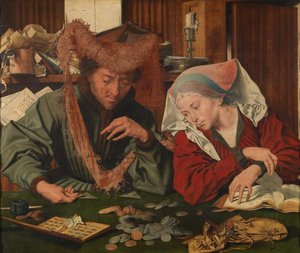
The Misers


 Прочети повече
Получете файл, готов за печат, който предлага много по-високо качество от уеб прегледа. Всяко дигитално изображение, което предлагаме, е извлечено от висококачествен оригинал в нашата база данни — обикновено с ширина между 5 000 и 15 000 пиксела — така че със сигурност да можете да принтирате в голям формат, да кадрирате тесно или да възпроизведете фините детайли.
Нито един файл не напуска нашето студио без внимание. Дигитален експерт проверява цветовете спрямо оригиналната картина и ги коригира при необходимост, след което подобрява яснотата и детайлите с професионални инструменти за ретуш — винаги оставайки верен на мазките и стила на художника. Резултатът е изображение, което изглежда като самата картина, а не като сканиран образ с филтър.
Одобрявате преди финализиране: нашият експерт ще изпрати изображението по имейл в рамките на 72 часа за ваш преглед. Не сте доволни? Можете да поискате подобрения или корекции, или пълно възстановяване на сумата, ако качеството не отговаря на очакванията ви.
Това е качеството, на което разчитат издателства, дизайн студиа, галерии и печатници.
Дигитално изображение
Изтеглете файл с висока резолюция за лично съхранение, принтиране и творчески проекти. ( Превключване към принт Купете ръчно рисувана картина)
Включено във всяка поръчка за дигитални изображения
Гарантирана експертна дигитална доставка
Избирайки OriginalUniqueArt.com, вие не получавате просто изображение – вие придобивате професионално обработена дигитална творба, създадена с прецизност и подкрепена от гаранция за удовлетворение. Ето какво автоматично е включено във вашата поръчка:

Бърза доставка по имейл
Вашето дигитално изображение с висока резолюция ще бъде изпратено по имейл в рамките на 72 часа от поръчката – готово за незабавно използване.

Дигитален файл с подобрено качество чрез ИИ
Вашата картина е професионално оптимизирана чрез усъвършенствани инструменти с изкуствен интелект и ръчна редакция, което гарантира максимална детайлност, яснота и точност на цветовете.

Безплатна доживотна повторна доставка
Изгубили сте или сте изтрили файла си по погрешка? Не се притеснявайте – ще го изпратим отново на Вас по всяко време, безплатно.

Без митнически такси – завинаги
Насладете се на вашето произведение незабавно, без мита, такси или разходи за доставка – дигиталните изтегляния винаги са освободени от данъци.

Гаранция за цветово съответствие
Гарантираме, че вашето дигитално изображение отразява оригиналните цветове възможно най-точно чрез използването на професионални инструменти и системи за управление на цветовете.

100-дневна гаранция за удовлетвореност
Ако не сте доволни от вашето дигитално изображение, ще го преработим или ще възстановим 100% от сумата в рамките на 100 дни – без излишни въпроси.

100% Гаранция за връщане на сумата
Не сте доволни? Получете пълен възврат на сумата в рамките на 100 дни от получаването на вашия цифров файл – без излишни въпроси.

Отстъпки за големи поръчки
Купете 3 изображения, спестете 10% - Купете 5, спестете 15% - Купете 10+, спестете 20%. Идеално за творчески проекти, галерии и агенства.
Биография на художника
The Enigmatic Master of Antwerp's Shadows
In the bustling, mercantile heart of the sixteenth-century Low Countries, a painter emerged whose brush captured the profound tension between spiritual devotion and worldly greed. Marinus van Reymerswaele, an artist whose very name evokes the coastal town of Reimerswaal where he was born, remains one of the most fascinating enigmas of the Dutch Renaissance. His life followed the typical trajectory of a skilled craftsman; after studying in Leuven, he found professional footing within the prestigious Antwerp Guild of Saint Luke. Registered as a pupil of the glass painter Symon van Daele, Reymerswaele possessed an eye for detail and light that would later define his mastery of texture and atmosphere.
As he established himself in Antwerp, the epicenter of European trade, his work began to mirror the city's own complex identity. He operated a prolific workshop, a bustling studio capable of producing numerous versions of his most celebrated themes. This industriousness allowed his specific visual language—a blend of meticulous realism and biting social commentary—to permeate the collections of the era. His paintings did not merely depict scenes; they staged moral dramas that reflected the anxieties of an era caught between medieval piety and the rising tide of capitalism.
A Gallery of Greed and Grace
To look upon a work attributed to Reymerswaele is to enter a space where the sacred and the profane collide. He was a master of a very specific, recurring iconography that captured the imagination of the sixteenth-century public. His compositions often centered on four pivotal themes that explored the human condition through various lenses:
- The intense study of St. Jerome, representing scholarly devotion and religious contemplation.
- The bustling activity of tax collectors, serving as a satirical commentary on greed and corruption.
- A money changer and his wife, capturing the intersection of domestic life and commerce.
- The legal world, such as a lawyer in his office, reflecting the growing complexity of civic bureaucracy.
His masterpiece, Two Tax Gatherers, stands as a striking example of Northern Renaissance art. Through the use of oil on oak wood, he achieved a sense of depth and texture that brought his subjects to life. The painting serves as a vivid commentary on the corruption of tax officials, using the detailed depiction of clothing and surroundings to ground his satire in a recognizable reality. In these works, the heavy, old-fashioned garments of his characters add a layer of social critique, reminding the viewer of the era's shifting moral landscape.
Legacy and Artistic Influence
The stylistic development of Marinus van Reymerswaele shows the profound influence of the Antwerp painter Quentin Matsys. This connection helped shape his ability to blend elements of realism with a sharp, often caricatural sense of humor. His work is characterized by an attention to detail that allows the viewer to witness the minute textures of manuscripts, legal documents, and coins, all of which serve as symbols of the era's preoccupation with wealth and law.
While he worked extensively in Antwerp, his journey eventually led him back to the Northern Netherlands. After working in Antwerp until at least 1540, he moved to Goes, where his life reached its conclusion. Though many of his panels are known through attribution rather than signature, his impact on the genre scene remains undeniable. He left behind a visual legacy that continues to captivate, offering a profound glimpse into the mind of an artist grappling with faith, scholarship, and the ever-present shadows of human avarice.
Маринус Ван Реймерсвале
1490 - 1546 , Нидерландия