
 Представи си го
 Изпрати
 Сподели
 Детайли

 Изтегляне
 Подобни
 Рентгенова снимка
 Слайдшоу
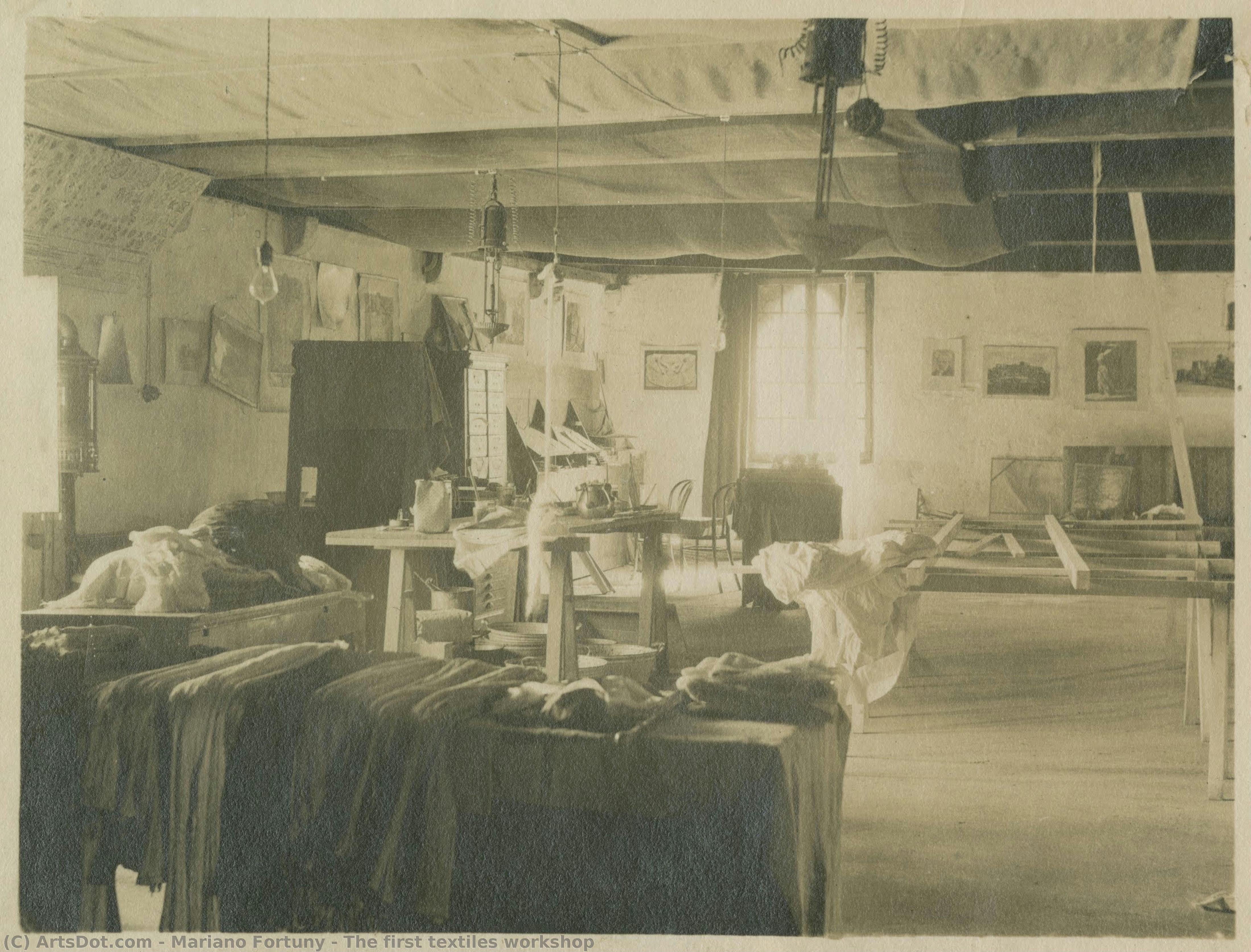
The first textiles workshop
 Acrylic On Canvas
- WallArt
- Orientalist Painting
 1907
1907- 19th Century
 9.0 x 12.0 cm
 Palazzo Fortuny
 Прочетете повече
Закупете дигитално изображение с висока резолюция и подобрени характеристики, значително по-добро от онлайн прегледа.
Всеки файл е щателно подготвен от нашите специалисти с помощта на съвременни инструменти и експертна ръчна ретуш. Гарантираме, че всяко изображение има изключителна яснота, прецизна цветова точност и фини детайли.
Окончателният файл се доставя по имейл в рамките на 72 часа, оптимизиран за незабавна употреба в професионални, редакционни и печатни среди. Това е същото качество, на което се доверяват водещи дизайнерски студия, издатели и галерии.
Дигитално изображение
Изтеглете файл с висока резолюция за лично показване, принтиране и творчески проекти. ( Купете принт Купете ръчно рисувана картина)
Включено във всяка поръчка за дигитални изображения
Експресна дигитална доставка, гарантирана
Когато изберете OriginalUniqueArt.com, вие не получавате само изображение – вие получавате професионално подобрена дигитална творба, създадена с прецизност и подкрепена от гаранция за удовлетворение. Ето всичко, което автоматично се включва в вашата поръчка:

Бърза доставка по имейл
Вашето дигитално изображение с висока резолюция ще ви бъде изпратено по имейл в рамките на 72 часа от поръчката - готово за незабавно използване.

Дигитален файл с подобрено качество чрез изкуствен интелект
Вашата картина е професионално оптимизирана с помощта на усъвършенствани инструменти за изкуствен интелект и ръчна редакция, осигурявайки максимална детайлност, яснота и точност на цветовете.

Безплатна доживотна повторна доставка
Изгубили сте или сте премахнали файла си по погрешка? Не се притежнявайте – ще го изпратим отново на Вас по всяко време, безплатно.

Без такки за мито - никога
Всредите си веднага без мита, данъци или такси по доставка - дигителните приложения винаги са без данъчно освободени.

Гаранция за точност на цветовете
Гарантираме, че вашето дигитално изображение отразява оригиналните цветове възможно най-точно, използвайки професионални инструменти и управление на цветовете.

Гаранция за удовлетвореност от 60 дни
Ако не сте доволни от вашето дигилно изображение, ще го коригираме или ще възмедим 100% в рамките на 60 дни – без никакви въпроси.

100% Гаранция за връщане на пари.
Не сте удовлетворени? Получавате пълно възстановяване на сумата в рамките на 60 дни след получаването на вашия цифров файл – без никакви въпроси.

Отстъпки за големи поръчки
Купете 3 изображения, спестете 10% - Купете 5, спестете 15% - Купете 10+, спестете 20%. Отлично за творчески проекти, галерии и агенства.
Описание на колекционерския предмет
A Studio of Dreams: The First Textiles Workshop by Mariano Fortuny
Captured in a striking black and white photograph, “The First Textiles Workshop” offers an intimate window into the creative heart of Mariano Fortuny y Madrazo’s studio. Dating back to 1907, this image isn't merely documentation; it’s a portal to a world where artistry seamlessly blended with industry, where the echoes of ancient cultures resonated within the walls of Venice’s Palazzo Pesaro degli Orfei. The scene is immediately arresting – a room brimming with the tangible evidence of a dedicated craft: bolts of fabric draped across walls, meticulously arranged bottles hinting at a vibrant palette of dyes, and a simple wooden table anchoring the space. Yet, it's more than just a workshop; it’s a testament to Fortuny’s revolutionary approach to design – one that sought to fuse historical inspiration with contemporary aesthetics.
- The Setting: The photograph places us within the third floor of Palazzo Pesaro degli Orfei, Venice, a location steeped in artistic history and serving as the nucleus for Fortuny’s groundbreaking textile enterprise.
- A Symphony of Materials: The abundance of fabric speaks volumes about the scale of operations – a full-fledged factory dedicated to producing luxurious textiles. The bottles suggest an extensive range of dyes, reflecting Fortuny's commitment to capturing and replicating the rich colors found in ancient cultures.
- Simplicity and Functionality: The arrangement is deliberately understated, emphasizing the practical nature of the space while hinting at the artistic vision taking shape within its confines.
Fortuny’s Revolutionary Techniques – A Legacy of Innovation
Mariano Fortuny was a true innovator, not just as a painter but as a designer and inventor. His textile workshop wasn't simply about creating beautiful fabrics; it represented a radical departure from traditional methods. He pioneered techniques that allowed him to reproduce the intricate patterns and textures inspired by civilizations like Minoan Crete, ancient Egypt, and the Islamic world – motifs previously inaccessible through conventional printing processes. His meticulous research into these cultures, combined with his own artistic sensibility, resulted in designs of unparalleled beauty and sophistication.
Key Innovations:- Direct Printing: Fortuny initially employed a direct printing method using wooden matrices, creating outlines that allowed the dye to seep through capillary action.
- Rotary Printing System (1910): His most significant invention was a mechanized rotary system for large-scale fabric printing, dramatically increasing production speed while maintaining the quality and artistry of his designs.
Echoes of Antiquity – Symbolism and Inspiration
The photograph itself is laden with symbolism. The hanging fabrics represent not just finished products but also the ongoing process of creation—a continuous dialogue between past and present. Fortuny’s fascination with ancient cultures wasn't merely academic; it was a deeply felt desire to recapture the beauty, elegance, and spiritual richness he perceived in these civilizations. His designs weren’t simply imitations; they were reinterpretations, infused with his own artistic vision and a profound respect for their origins. The bottles of dyes are particularly evocative, representing the transformative power of color – a key element in Fortuny's ability to evoke the atmosphere and spirit of distant lands.
A Timeless Vision – Fortuny’s Enduring Influence
“The First Textiles Workshop” offers a rare glimpse into the mind of a visionary artist. It reveals not just a working space but a crucible where historical research, technical innovation, and artistic passion converged. Fortuny's legacy extends far beyond his beautiful textiles; he fundamentally changed the way we think about design, demonstrating that inspiration can be found in the most unexpected places – and that beauty can be achieved through a synthesis of tradition and modernity. Reproductions of this photograph capture not only the physical space but also the spirit of experimentation and artistic exploration that defined Fortuny’s remarkable career.
Биография на художника
Early Life and Inspiration
Mariano Fortuny, a name synonymous with theatrical innovation and opulent textiles, was born in Granada, Spain, on May 11, 1871. His early life was marked by profound loss – his father, Mariano Fortuny y Marsal, a respected genre painter, tragically died when the young boy was just three years old. This event profoundly shaped his family’s trajectory, leading them to relocate to Paris, France, where his mother, Cecilia de Madrazo, sought solace and opportunity for her son. It was in this vibrant Parisian environment that Mariano's artistic talents began to blossom, nurtured by exposure to diverse fabrics and materials – a crucial element that would later deeply influence his creative vision. From a young age, he demonstrated remarkable skill across various mediums: painting, photography, sculpting, architecture, etching, and even theatrical stage lighting design. His family’s own collection of textiles, amassed through travels and trade, served as an invaluable source of inspiration, fueling his fascination with color, texture, and the transformative power of fabric. The legacy of his father, a genre painter known for capturing everyday life, also played a significant role in shaping Mariano's artistic sensibilities.Artistic Talents and Revolutionary Inventions
Mariano Fortuny quickly established himself as a multifaceted artist, showcasing an extraordinary range of skills that defied conventional categorization. He wasn’t simply a painter; he was a visionary inventor, a meticulous designer, and a master of illusion. His early years in Paris were dedicated to honing his artistic abilities, but it was during this period that he began experimenting with innovative techniques aimed at revolutionizing the world of theatrical design. Fortuny's most celebrated achievement is undoubtedly the *fortuny cyclorama dome*, a groundbreaking invention that fundamentally altered stage lighting and set design. This ingenious structure, constructed from plaster or cloth, utilized indirect lighting to create seamless transitions between scenes, eliminating harsh shadows and fostering a sense of depth and realism previously unattainable on stage. His treatise, “Eclairage Scenique” (1904), meticulously documented his discoveries regarding the manipulation of reflected light – how changing the surface it bounced off could alter its color, intensity, and overall effect. Fortuny’s inventive spirit didn't stop there; he patented over twenty inventions between 1901 and 1934, demonstrating a relentless pursuit of innovation across various fields, including stage machinery, lighting systems, and even specialized paints and dyes.Collaborations and Recognition
Fortuny’s work gained widespread recognition in the 1920s, largely thanks to his collaborations with prominent figures who recognized his unique vision. He forged a particularly close relationship with Richard Wagner, the German composer, whose operas deeply inspired him. Fortuny meticulously recreated scenes from Wagner's grand operas for the famous opera house, La Scala of Milan, adapting his dome system to accommodate the theater’s vast scale and even inventing a sophisticated suction fan mechanism to maintain the dome’s taut structure – a testament to his engineering prowess. His work was also celebrated by Marcel Proust, the renowned French novelist, who found in Fortuny's creations an embodiment of the elusive beauty and atmosphere of Venice. The Countesse de Bearn commissioned him for lavish sets for her private theatre, further solidifying his reputation as a leading designer. Fortuny’s influence extended beyond the stage; he was also involved in designing costumes for opera singers like Eleonora Duse and Isadora Duncan, showcasing his versatility and artistic sensibility.Legacy and Venetian Influence
Mariano Fortuny passed away on May 3, 1949, in Venice, Italy, leaving behind a legacy that continues to resonate today. His work profoundly influenced French novelist Marcel Proust, who described Fortuny’s creations as capturing the essence of Venice itself. His life and artistic endeavors were depicted in Pere Gimferrer's novel "Fortuny," offering a literary exploration of his complex personality and creative process. Fortuny’s innovations in theatrical lighting revolutionized the stagecraft industry, while his textiles – particularly the iconic “Knossos” design – became highly sought after by fashion designers and collectors alike. His studio in Venice, Palazzo Pesaro degli Orfei, remains a testament to his artistic vision, now housing the Museo Mariano Fortuny y Madrazo, where visitors can explore his extraordinary creations and delve deeper into his remarkable life. Fortuny’s enduring influence is evident not only in the world of art and design but also in the continued fascination with Venice as a source of inspiration – a city that he so profoundly captured through his unique artistic lens.
Мариано Фортуни
1871 - 1949 , Испания
Бързи факти
- Artistic Movement Or Style: Ориентализъм
- Artists Or Movements Influenced By This Artist: ['Марсел Пруст']
- Artists Who Influenced This Artist: ['Ричард Вагнер']
- Date Of Birth: 11 май 1871
- Date Of Death: 3 май 1949
- Full Name: Mariano Fortuny y Marsal
- Nationality: Испанец
- Notable Artworks:
- Теагвон
- Портрет на Енерите Фортуни
- Place Of Birth: Гранада, Испания

