 Преглед в реален мащаб
 Изпрати
 Сподели
 Детайли
 Ръководство

 Изтегляне
 Подобни артикули
 Рентгенова снимка
 Слайдшоу
 Въпроси и отговори
 Статистика
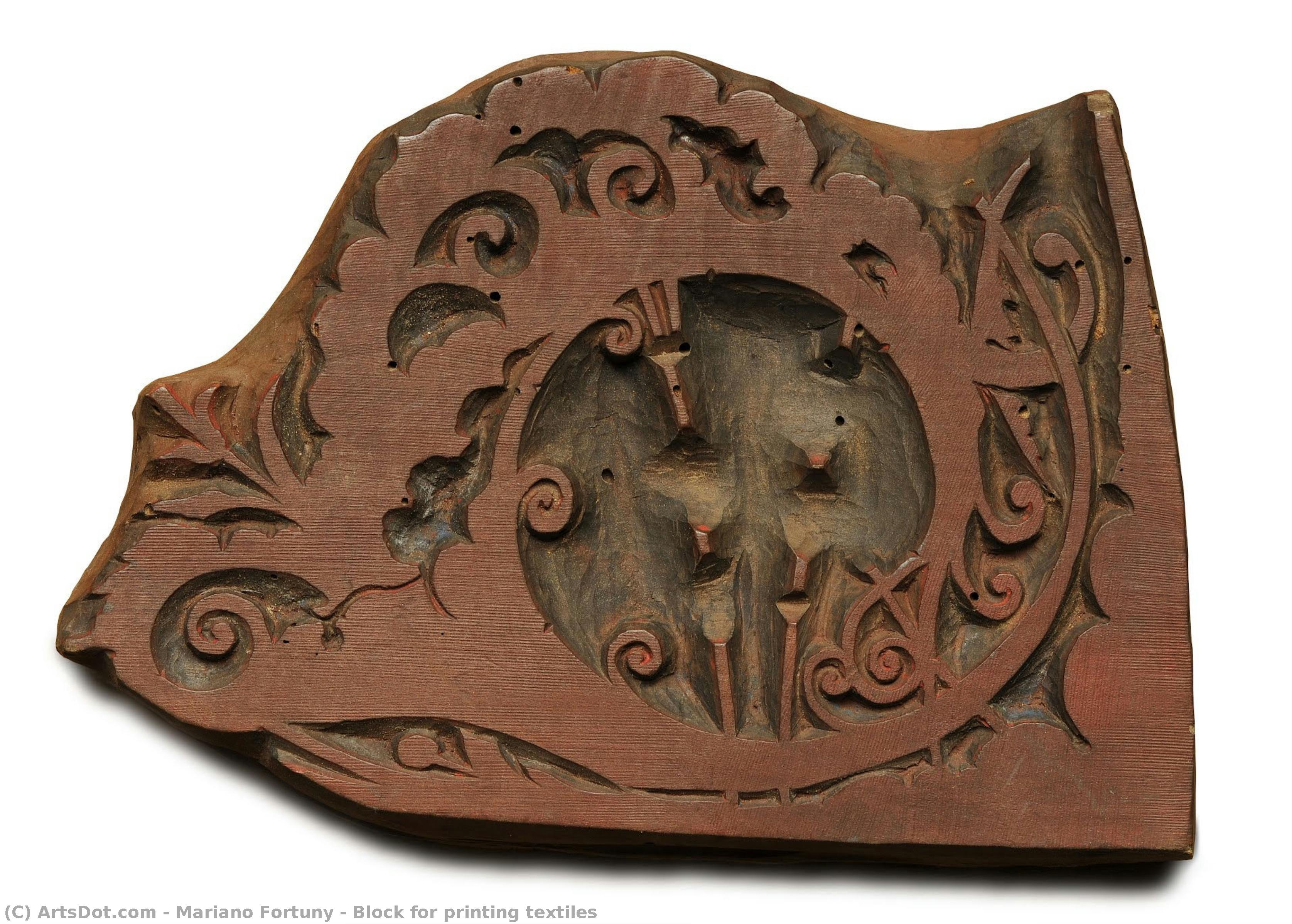
Block for printing textiles


 Прочети повече
Жикле / Художествен принт
Giclée печат или принт върху платно с музейно качество, бързо производство и гъвкави опции за завършен вид. ( Купете ръчно рисувана картина Превключване към дигитално изображение)




P118B €10

P118H €10

P118W €10

P438Z €10

P508JH €12

P508YH €12

P805H €10

P805Z €10

P919BZ €10

P919G €10

P919XJ €10

P959ZH €10

P968JZ €12

W106C €8

W218G €10

W218JH €8

W218Y €10

W307PJ €10

W316G €10

W316PJ €8

W316Y €10

W398PJ €8

W4111J €10

W500HY €15

W500JH €15

W692G €12

W849H €8

W940BG €15

W953PJ €8




Изберете от нашите предварително зададени размери, които съответстват на оригиналните пропорции на произведението.

Въведете необходимата ширина и височина, за да паснат на вашата рамка или стена. Принтовете могат само да се изрязват, но никога не могат да бъдат по-големи от оригиналната картина, така че при размер с различен формат част от изображението ще бъде загубена. Преди да започнем печат, ще ви изпратим дигитален мок업 за одобрение. Изображението, показано на тази страница, не показва реалното изрязване — само мок업ът го показва.
Доставка по целия свят () в рамките на 2 седмици вместо стандартните 4/5 седмици. (6 Ноември)

Безплатна експресна доставка по целия свят

Висококачествено ленено платно

Пълно застраховане на доставката

Гаранция за възстановяване на митнически такси

Гаранция за пълно съответствие на цветовете

Политика за връщане в рамките на 100 дни (само при дефекти)

100% Гаранция за връщане на сумата

Оферта за отстъпка при поръчка на повече бройки
 Опцията със стъкло е налична само за размери под 110 см

Block for printing textiles
Жикле / Художествен принт
Размер на репродукцията
-


Обща цена
€ 72
A Whisper of Geometry: Unveiling Mariano Fortuny’s ‘Block for Printing Textiles’
Mariano Fortuny y Madrazo, a name synonymous with the opulent elegance of 19th-century Spain and beyond, wasn't merely a painter; he was a revolutionary designer, a master craftsman, and an inventor who fundamentally reshaped the world of theatrical lighting and textile production. His ‘Block for Printing Textiles’ (1905), now meticulously reproduced by OriginalUniqueArt.com, offers a rare glimpse into this multifaceted genius – a tangible embodiment of his fascination with geometry, Celtic motifs, and the interplay of light and shadow. This isn't simply a decorative block; it’s a concentrated distillation of Fortuny’s artistic vision, a testament to his meticulous hand, and a window into a period of intense experimentation and innovation.
The Language of Form: Geometry and Celtic Echoes
At first glance, the block’s surface appears deceptively simple – a dense arrangement of swirling lines and geometric shapes rendered in shades of reddish-brown. However, closer inspection reveals a complex tapestry of interlocking patterns, echoing the intricate designs found in Celtic knotwork. Fortuny was deeply influenced by Orientalist art, particularly the decorative motifs of Morocco, but he also possessed a profound appreciation for ancient European traditions, evident in this subtle homage to the Celtic aesthetic. The precise execution suggests a deliberate attempt to capture not just visual form, but also the inherent dynamism and interconnectedness of these patterns – a concept central to Fortuny’s broader artistic philosophy.
A Legacy Forged in Light: Technique and Innovation
The creation of this block represents a pivotal moment in Fortuny's career. He was actively experimenting with new techniques for creating theatrical lighting, particularly his ‘cyclorama dome,’ a revolutionary device that utilized reflected light to create seamless transitions between scenes in grand opera houses. This block is believed to be a prototype or working model for these larger-scale installations – a miniature representation of the complex systems he devised to manipulate and control light. The meticulous carving demonstrates an extraordinary level of skill, requiring not only artistic vision but also a deep understanding of materials and their properties. Fortuny’s inventive spirit extended beyond lighting; his patents reveal a relentless pursuit of innovation in various fields, including textiles, ceramics, and even furniture design.
Beyond Decoration: Symbolism and the Fortuny Aesthetic
While undeniably beautiful, ‘Block for Printing Textiles’ transcends mere decorative function. It embodies Fortuny's broader aesthetic – one characterized by a harmonious blend of geometry, asymmetry, and a subtle sense of mystery. The swirling patterns evoke movement and dynamism, while the restrained color palette creates an atmosphere of sophisticated elegance. Fortuny sought to capture not just the appearance of reality but also its underlying essence—a pursuit reflected in his meticulous attention to detail and his innovative use of light and shadow. This block is a tangible manifestation of that quest – a miniature world brimming with artistic intention.
Collecting a Masterpiece: Reproduction and Preservation
OriginalUniqueArt.com offers high-quality, hand-painted reproductions of this extraordinary work by Mariano Fortuny. Each reproduction meticulously recreates the original block’s intricate details, capturing its unique texture and color palette. Choosing a reproduction allows you to bring this captivating piece into your home or office, celebrating Fortuny's legacy while preserving the integrity of his artistic vision. Explore our selection today and experience the enduring beauty of ‘Block for Printing Textiles.’
Въпроси и отговори
Кога е създадено "Block for printing textiles" и към кое художествено направление принадлежи?
„Block for printing textiles“ е създадена през 1905 като част от движението Art Nouveau.
Има ли наръчник за „Block for printing textiles“ на Мариано Фортуни?
Налична е страница с Информационен лист за „Block for printing textiles“ на Мариано Фортуни: предназначен за печат информационен лист за произведението, създаден за ученици и учебни цели.
С каква техника е изпълнено „Block for printing textiles“ на Мариано Фортуни?
Мариано Фортуни е използвал/а техниката Woodblock Print за „Block for printing textiles“. Тази техника определя материалната природа на оригиналното произведение.
Биография на художника
Early Life and Inspiration
Mariano Fortuny, a name synonymous with theatrical innovation and opulent textiles, was born in Granada, Spain, on May 11, 1871. His early life was marked by profound loss – his father, Mariano Fortuny y Marsal, a respected genre painter, tragically died when the young boy was just three years old. This event profoundly shaped his family’s trajectory, leading them to relocate to Paris, France, where his mother, Cecilia de Madrazo, sought solace and opportunity for her son. It was in this vibrant Parisian environment that Mariano's artistic talents began to blossom, nurtured by exposure to diverse fabrics and materials – a crucial element that would later deeply influence his creative vision. From a young age, he demonstrated remarkable skill across various mediums: painting, photography, sculpting, architecture, etching, and even theatrical stage lighting design. His family’s own collection of textiles, amassed through travels and trade, served as an invaluable source of inspiration, fueling his fascination with color, texture, and the transformative power of fabric. The legacy of his father, a genre painter known for capturing everyday life, also played a significant role in shaping Mariano's artistic sensibilities.Artistic Talents and Revolutionary Inventions
Mariano Fortuny quickly established himself as a multifaceted artist, showcasing an extraordinary range of skills that defied conventional categorization. He wasn’t simply a painter; he was a visionary inventor, a meticulous designer, and a master of illusion. His early years in Paris were dedicated to honing his artistic abilities, but it was during this period that he began experimenting with innovative techniques aimed at revolutionizing the world of theatrical design. Fortuny's most celebrated achievement is undoubtedly the *fortuny cyclorama dome*, a groundbreaking invention that fundamentally altered stage lighting and set design. This ingenious structure, constructed from plaster or cloth, utilized indirect lighting to create seamless transitions between scenes, eliminating harsh shadows and fostering a sense of depth and realism previously unattainable on stage. His treatise, “Eclairage Scenique” (1904), meticulously documented his discoveries regarding the manipulation of reflected light – how changing the surface it bounced off could alter its color, intensity, and overall effect. Fortuny’s inventive spirit didn't stop there; he patented over twenty inventions between 1901 and 1934, demonstrating a relentless pursuit of innovation across various fields, including stage machinery, lighting systems, and even specialized paints and dyes.Collaborations and Recognition
Fortuny’s work gained widespread recognition in the 1920s, largely thanks to his collaborations with prominent figures who recognized his unique vision. He forged a particularly close relationship with Richard Wagner, the German composer, whose operas deeply inspired him. Fortuny meticulously recreated scenes from Wagner's grand operas for the famous opera house, La Scala of Milan, adapting his dome system to accommodate the theater’s vast scale and even inventing a sophisticated suction fan mechanism to maintain the dome’s taut structure – a testament to his engineering prowess. His work was also celebrated by Marcel Proust, the renowned French novelist, who found in Fortuny's creations an embodiment of the elusive beauty and atmosphere of Venice. The Countesse de Bearn commissioned him for lavish sets for her private theatre, further solidifying his reputation as a leading designer. Fortuny’s influence extended beyond the stage; he was also involved in designing costumes for opera singers like Eleonora Duse and Isadora Duncan, showcasing his versatility and artistic sensibility.Legacy and Venetian Influence
Mariano Fortuny passed away on May 3, 1949, in Venice, Italy, leaving behind a legacy that continues to resonate today. His work profoundly influenced French novelist Marcel Proust, who described Fortuny’s creations as capturing the essence of Venice itself. His life and artistic endeavors were depicted in Pere Gimferrer's novel "Fortuny," offering a literary exploration of his complex personality and creative process. Fortuny’s innovations in theatrical lighting revolutionized the stagecraft industry, while his textiles – particularly the iconic “Knossos” design – became highly sought after by fashion designers and collectors alike. His studio in Venice, Palazzo Pesaro degli Orfei, remains a testament to his artistic vision, now housing the Museo Mariano Fortuny y Madrazo, where visitors can explore his extraordinary creations and delve deeper into his remarkable life. Fortuny’s enduring influence is evident not only in the world of art and design but also in the continued fascination with Venice as a source of inspiration – a city that he so profoundly captured through his unique artistic lens.
Мариано Фортуни
1871 - 1949 , Испания
Бърза информация
- Artistic Movement Or Style: Ориентализъм
- Artists Or Movements Influenced By This Artist: ['Марсел Пруст']
- Artists Who Influenced This Artist: ['Ричард Вагнер']
- Date Of Birth: 11 май 1871
- Date Of Death: 3 май 1949
- Full Name: Mariano Fortuny y Marsal
- Nationality: Испанец
- Notable Artworks:
- Теагвон
- Портрет на Енерите Фортуни
- Place Of Birth: Гранада, Испания
Свързани статии

Mariano Fortuny: A Fusion of Art, Fashion & Design – Exploring a Venetian Innovator's Legacy
Explore the captivating world of Mariano Fortuny – artist, designer & innovator. Discover his revolutionary textiles, iconic Delphos gown, and lasting influence on art, fashion & interiors. A collector's guide to a Venetian master.

The Enduring Legacy of Woodblock Printmaking: Technique, History & Artistic Expression
Explore the rich history of woodblock printmaking – from ancient techniques to Ukiyo-e masterpieces. Discover expert insights on collecting, preserving & appreciating this enduring art form.

Giclée Prints: Archival Quality & Aesthetic Nuances for the Discerning Collector
Explore the world of giclée prints with OriginalUniqueArt. Learn about archival quality, aesthetic nuances & investment potential. Expert guidance for discerning art collectors seeking museum-quality reproductions and lasting value.

Echoes of Time: Exploring the Enduring Appeal & Historical Context of Vintage Art Prints
Explore the captivating world of vintage art prints! Discover their history, collecting tips & enduring appeal. Expert insights on chromolithography and building a legacy collection with OriginalUniqueArt.

The Enduring Legacy of Fine Art Prints: Technique, History & Aesthetic Impact
Explore the rich history & techniques of fine art prints. Discover investment potential, assess authenticity, and learn how to preserve your collection with expert guidance. Trusted insights for discerning collectors.
