
 Преглед в реален мащаб
 Изпрати
 Сподели
 Детайли
 Ръководство

 Изтегляне
 Подобни артикули
 Рентгенова снимка
 Слайдшоу
 Въпроси и отговори
 Статистика
The Lovers


 Прочети повече
Жикле / Художествен принт
Giclée печат или принт върху платно с музейно качество, бързо производство и гъвкави опции за завършен вид. ( Купете ръчно рисувана картина Превключване към дигитално изображение)




P118B €10

P118H €10

P118W €10

P438Z €10

P508JH €12

P508YH €12

P805H €10

P805Z €10

P919BZ €10

P919G €10

P919XJ €10

P959ZH €10

P968JZ €12

W106C €8

W218G €10

W218JH €8

W218Y €10

W307PJ €10

W316G €10

W316PJ €8

W316Y €10

W398PJ €8

W4111J €10

W500HY €15

W500JH €15

W692G €12

W849H €8

W940BG €15

W953PJ €8




Изберете от нашите предварително зададени размери, които съответстват на оригиналните пропорции на произведението.

Въведете необходимата ширина и височина, за да паснат на вашата рамка или стена. Принтовете могат само да се изрязват, но никога не могат да бъдат по-големи от оригиналната картина, така че при размер с различен формат част от изображението ще бъде загубена. Преди да започнем печат, ще ви изпратим дигитален мок업 за одобрение. Изображението, показано на тази страница, не показва реалното изрязване — само мок업ът го показва.
Доставка по целия свят () в рамките на 2 седмици вместо стандартните 4/5 седмици. (11 Ноември)

Безплатна експресна доставка по целия свят

Висококачествено ленено платно

Пълно застраховане на доставката

Гаранция за възстановяване на митнически такси

Гаранция за пълно съответствие на цветовете

Политика за връщане в рамките на 100 дни (само при дефекти)

100% Гаранция за връщане на сумата

Оферта за отстъпка при поръчка на повече бройки
 Опцията със стъкло е налична само за размери под 110 см

The Lovers
Жикле / Художествен принт
Размер на репродукцията
-


Обща цена
€ 72
A Symphony of Rococo Romance
In the soft, luminous glow of 1744, Jean-Marc Nattier captured more than just a moment; he immortalized an ideal. “The Lovers” stands as a breathtaking testament to the Rococo era, a period where the heavy, dramatic shadows of the Baroque gave way to a world of pastel light, grace, and intimate connection. As one gazes upon this oil on canvas masterpiece, there is an immediate sense of being transported to an age of refined elegance. The painting depicts a tender interaction between two figures, where the man’s protective presence and the woman’s gentle vulnerability create a narrative of profound devotion. It is not merely a portrait of two individuals, but a window into the very soul of 18th-century French romanticism, making it an irresistible centerpiece for any collection seeking to evoke warmth and sophistication.
The technical mastery of Nattier is evident in every fluid brushstroke and carefully curated hue. Eschewing the rigid structures of his predecessors, Nattier employed a delicate color palette dominated by soothing blues, creamy whites, and soft skin tones. This choice of color serves to unify the composition, creating an atmosphere of tranquility that invites the viewer to linger. The artist utilizes a subtle pyramidal structure—a classic technique that provides a sense of stability—yet he softens this geometry through the organic positioning of the subjects. The woman rests her head with effortless grace, a movement that guides the eye across the canvas in a rhythmic dance of light and shadow. For the interior designer, such a composition offers a balanced visual weight that complements both classical and contemporary settings, bringing a sense of historical prestige to a modern room.
Symbolism and the Art of Connection
Beyond its surface beauty, “The Lovers” is a rich tapestry of symbolic language. Nattier was a master of the allegorical portrait, often imbuing his subjects with qualities of mythological figures. In this work, the subtle gestures speak volumes: the man’s hand holding the woman’s, and his gaze fixed upon her, act as emblems of masculine strength and steadfast devotion. Conversely, her posture suggests a serene trust, embodying the idealized feminine grace celebrated in the court of Louis XV. The inclusion of elements such as the wine glass and the scattered fruit on the table adds a layer of sensory depth, suggesting a celebration of life’s pleasures and the timeless connection between love and abundance.
To possess a reproduction of this work is to invite a conversation about enduring human emotions into one's home. The painting does not shout; it whispers of companionship, legacy, and the beauty of a shared moment. Whether placed in a sunlit library or a formal dining area, “The Lovers” serves as an emotional anchor, reminding all who behold it of the profound beauty found in tenderness and the timeless allure of the Rococo spirit. It is an investment in atmosphere, offering a piece of art history that continues to breathe life into the spaces it inhabits.
Въпроси и отговори
Какъв е емоционалният тон на „The Lovers“ на Marc Nattier?
„The Lovers“ на Marc Nattier предава Romantic емоционален тон.
Към кое художествено течение принадлежи „The Lovers“ на Marc Nattier?
„The Lovers“ е произведение от Rococo. Това направление определя художествената традиция, към която принадлежи творбата.
На кой етап от кариерата на Marc Nattier принадлежи „The Lovers“ (1744)?
Създадена през 1744, „The Lovers“ принадлежи към Mature на Marc Nattier.
Биография на художника
Jean-Marc Nattier (1685–1766): A Brushstroke of Elegance
Jean-Marc Nattier stands as a towering figure in the annals of French Rococo art, an artist whose canvases shimmered with aristocratic grace and whose portraits captivated audiences across Europe. Born in Paris on March 17, 1685, into a lineage steeped in artistic tradition—his father, Marc Nattier, was a celebrated portrait painter, and his mother, Marie Courtois, excelled as a miniaturist—Nattier’s formative years were marked by immersion in the visual arts. From an early age, he honed his skills under the tutelage of his father and uncle Jean Jouvenet, a history painter who instilled in him a profound understanding of artistic composition and narrative. This grounding proved invaluable when he enrolled in the Royal Academy in 1703, where he diligently copied masterpieces by Rubens at the Luxembourg Gallery—a practice that cemented his grasp of Baroque techniques and foreshadowed his own distinctive style. A pivotal decision shaped Nattier’s career trajectory: rejecting the invitation to study at the French Academy in Rome, despite its prestige. Recognizing that Paris offered a more fertile environment for independent artistic exploration, he remained steadfast in his conviction—a choice that allowed him to forge a path divergent from the prevailing academic currents of the time and ultimately cemented his reputation as an innovator. This independence fueled his ambition to become a history painter, though he skillfully redirected his energies toward portraiture, which proved to be more lucrative and afforded him greater creative freedom.The Court Painter Extraordinaire
Nattier swiftly ascended to prominence within Louis XV’s court, becoming the favored artist for the ladies of Versailles—a position that demanded unparalleled sensitivity to fashion, demeanor, and psychological nuance. Unlike many artists of his era who merely documented appearances, Nattier transformed his sitters into idealized figures—often imbued with mythological symbolism—creating illusions that transcended mere likenesses. His groundbreaking revival of the allegorical portrait genre—depicting women as goddesses like Diana or Hebe—was a hallmark of his artistic vision and distinguished him from his contemporaries. Consider Madame Le Fèvre de Caumartin as Hebe, housed in the National Gallery of Art: this masterpiece exemplifies Nattier’s masterful manipulation of light and color to convey an aura of ethereal beauty and sophistication. The composition itself—a carefully constructed tableau designed to elevate its subject—demonstrates his profound understanding of artistic principles. His meticulous attention to detail extended beyond mere visual representation; he captured the subtle expressions on his sitters' faces, conveying emotions with remarkable accuracy. This ability to imbue portraits with psychological depth was particularly noteworthy given the prevailing stylistic conventions of the Rococo period. The success of Nattier’s work stemmed from his capacity to harmonize realism with imaginative embellishment—a feat that secured him a place among the most celebrated artists of his time and ensured his enduring legacy as a champion of elegance and refinement.Influences and Artistic Technique
Nattier's artistic development was profoundly shaped by several key influences. The Baroque master Peter Paul Rubens served as an inspiration, prompting him to adopt Rubens’ dynamic compositions and expressive palette—though Nattier tempered Rubens’ exuberance with his own refined aesthetic sensibilities. He absorbed Rubens’ energy and dynamism, adapting them to his distinctive style. This fusion of artistic traditions resulted in a technique characterized by luminous color palettes, subtle gradations of light, and meticulous rendering of textures—elements that contribute to the captivating beauty of his paintings. Furthermore, Nattier's dedication to copying masterpieces at the Luxembourg Gallery honed his observational skills and instilled in him a deep appreciation for classical art principles. ## Notable Achievements and Legacy Nattier’s contribution to French art history is undeniable. He solidified his reputation as a court painter by securing commissions from Louis XV—a position that afforded him unparalleled access to the artistic tastes and sensibilities of the royal family. His portraits not only documented the appearance of aristocratic women but also conveyed their status, grace, and inner lives—providing invaluable insights into the social dynamics of the Rococo era. Beyond his individual accomplishments, Nattier’s revival of the allegorical portrait genre represented a significant artistic innovation—demonstrating his ability to reimagine established genres while maintaining stylistic coherence. His paintings continue to be admired for their beauty, sophistication, and psychological depth—a testament to his enduring legacy as one of France's greatest artists. His works are now treasured possessions of prestigious museums worldwide, including the Louvre, The Wallace Collection, and the Alte Pinakothek Museum, Munich—a tangible manifestation of his artistic influence and a celebration of his remarkable talent. Jean-Marc Nattier’s art endures as a symbol of Rococo elegance—a brushstroke of brilliance that continues to captivate viewers centuries after its creation.
Marc Nattier
1685 - 1766 , Франция
Бърза информация
- Artistic Movement Or Style: Рококо
- Artists Or Movements Influenced By This Artist: ['По-късни рококови художници']
- Artists Who Influenced This Artist:
- Жан Жувене
- Питер Пауъл Рубенс
- Date Of Birth: 17 март 1685
- Date Of Death: 7 ноември 1766
- Full Name: Jean-Marc Nattier
- Nationality: Френски
- Notable Artworks:
- Художник заобиколен от семейството си
- Мария Лечиньска
- Магдалена
- Графиня дьо Тилье и Мадмоазелин де Клермон като Султанка
- Place Of Birth: Париж, Франция
Свързани статии

Топ 10 шедьоври на Рококото: Изкуство за вашия дом от OriginalUniqueArt.com
Разгледайте топ 10 шедьоври на Рококото – Вато, Буше, Фрагонар и други! Открийте историите зад тези емблематични картини и вдъхнете елегантност във вашия дом с репродукции от OriginalUniqueArt.com. Разгледайте пълната колекция онлайн.

Jean-Marc Nattier: Rococo Portraiture & Aristocratic Patronage
Explore the exquisite Rococo portraits of Jean-Marc Nattier, favored by French aristocracy. Discover his artistic techniques, patronage network, and lasting legacy – a guide for discerning collectors.
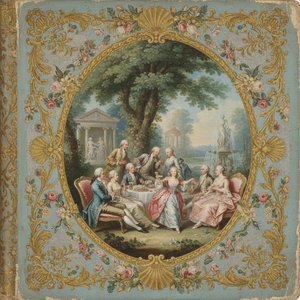
The Rococo Style: Aristocratic Leisure & the Pursuit of Delight in 18th-Century Art
Explore the opulent world of Rococo art! Discover Watteau, Boucher & Nattier's masterpieces. Expert insights for collectors seeking museum-quality reproductions and custom portraits at OriginalUniqueArt.

The Rococo Aesthetic: Opulence, Rebellion & the Pursuit of Pleasure in 18th-Century Art
Explore the opulent world of Rococo art! Discover its origins, key artists like Watteau & Boucher, and lasting influence on design. Expert insights for collectors & enthusiasts.
Топ 10 произведения на изкуството за дълбоки романтични чувства | OriginalUniqueArt.com
Открийте топ 10 произведения на изкуството, които възбуждат дълбоки романтични чувства! Разгледайте историите зад класически картини от Ренесанса до Импресионизма. Вдъхновете се за интериорен дизайн с OriginalUniqueArt.com – музейно качество репродукции и изкуство за вашия дом.

