

 Представи си го
 Изпрати
 Сподели
 Детайли

 Изтегляне
 Подобни
 Рентгенова снимка
 Слайдшоу
King David's Tower
 Oil On Canvas
- WallArt
- Naive Art / Primitivism
 1971
1971 117.0 x 90.0 cm
 Прочетете повече
Ръчно изработена маслена репродукция
Ръчно рисувана маслена картина върху платно във вашия размер и рамка, изработена по поръчка от нашите художници. ( Купете принт Купете изображение)




































Изберете от предварително зададените размери, които съответстват на оригиналните пропорции на произведението.

Можете да въведете свои собствени размери, за да пасне на конкретна рамка или пространство. Ако избраният от вас размер не съответства на пропорциите на оригиналното изображение, ние ще изрежем произведението или ще удължим картината с допълнителни ръчно рисувани елементи. Дигитален макет ще бъде изпратен за ваше одобрение преди започване на производството.
Моля, обърнете внимание, че прегледът на екрана не отразява действителното изрязване или разширяване. Само макетът ще покаже точно финалния състав.
Въпреки че са налични персонализирани размери, препоръчваме да изберете размер от предварително дефинирания списък, за да запазите оригиналните пропорции.
След поръчка, екипът на OriginalUniqueArt.com ще изпрати имейл на клиента за инструкции и ще предостави преглед на макет.
Доставка по целия свят () в рамките на 3/4 седмици вместо стандартните 5 седмици. (5 Септември). Без компромис с качеството.

Безплатна експресна доставка по целия свят

Висококачествено ленено платно

Пълно застраховане при доставка

Гаранция за възстановяване на митнически такси

Гаранция за цветова точност

60-Дневен период за връщане (Само при дефекти)

100% Гаранция за връщане на парите

Предложение за отстъпка при поръчка на едро
 Стъклото е налично само в размери под 110 см

King David's Tower
Репродукционен метод
Размер на репродукцията
-


Обща цена
$ 300
King David's Tower – A Dreamscape of Faith and Remembrance
Marc Chagall’s “King David’s Tower,” completed in 1971 during his residency in Saint-Paul-de-Vence, France, stands as a testament to the artist’s enduring fascination with biblical narratives and his mastery of Naïve Art (Primitivism). Measuring 117 x 90 cm, this monumental oil on canvas transcends mere representation; it plunges viewers into a realm of ethereal beauty and profound spiritual contemplation. The artwork's stylistic lineage traces back to Chagall’s early explorations of Cubism and Fauvism, yet he ultimately forged his own distinctive path—one firmly rooted in the expressive freedom championed by Primitivism.- Style & Influences: Chagall’s artistic vision was profoundly shaped by movements like Cubism, which revolutionized painting with its fragmented perspectives and geometric forms. However, he skillfully blended these influences with Fauvist color palettes—bold, non-naturalistic hues—creating a visual language that anticipates Surrealism's dreamlike imagery.
- Composition & Symbolism: The central figure of King David dominates the canvas, playing a harp amidst a congregation of individuals. Above him float luminous angelic forms and intertwined figures, symbolizing divine grace and interconnectedness. The tower itself—a reference to Jerusalem’s Citadel—represents resilience and spiritual fortitude.
- Technique & Materials: Chagall employed thick impasto brushstrokes, layering pigment onto the canvas with deliberate physicality. This technique lends texture and depth to the painting, enhancing its emotional resonance and capturing the artist's palpable sense of movement and atmosphere.
Historical Context – Vitebsk’s Legacy & The Spirit of Primitivism
Born Moishe Shagal in 1887 in Vitebsk, Belarus—a town steeped in Jewish tradition and Orthodox Christianity—Chagall's formative years instilled within him a unique artistic sensibility. Vitebsk served as an ongoing inspiration throughout his life, appearing repeatedly in his paintings as a symbol of memory and homeland. The Naïve Art movement, which gained prominence in the early 20th century, provided Chagall with a framework for expressing his inner vision—one liberated from academic conventions and driven by intuition. Artists like Chagall sought to recapture the spirit of childhood innocence and folklore, rejecting rationalism in favor of emotive visual storytelling.Emotional Impact – A Symphony of Color & Dreamlike Atmosphere
“King David’s Tower” isn't merely a depiction of biblical iconography; it’s an invitation to enter into Chagall’s dreamscape—a space where logic yields to imagination and color reigns supreme. The artist’s masterful use of hues—ranging from vibrant greens and blues to luminous yellows and reds—creates an immersive experience that evokes feelings of joy, reverence, and melancholy. The ethereal figures and swirling forms contribute to a palpable sense of movement and transcendence, reminding viewers of the enduring power of faith and artistic vision.Notable Comparisons & Artistic Resonance
Considered alongside Chagall’s other celebrated works—such as “Moses Receiving the Tablets of Law,” “The Walk,” and “Wedding”—“King David's Tower” exemplifies his unwavering commitment to exploring themes of spirituality, memory, and the human condition. Like these pieces, it embodies the spirit of Primitivism, prioritizing emotional expression over meticulous realism. Its enduring appeal lies in its ability to transport viewers beyond the confines of everyday life into a realm where dreams intertwine with reality—a testament to Chagall’s unparalleled artistic legacy.Биография на художника
Marc Chagall – Зашеметяващо произведение на изкуството от Марк Шагал
Марк Шагал е роден Моиш Шagal през 1887 г. в малкото беларуско градче Лиозна близо до Витебск, където сега се намира Белорусия. Той не беше просто художник; той беше поет на цвета, тъкач на сънища и хроникуващ паметта. Животът му продължи почти цял век и отразява буйните течения на XX век, но изкуството му остана непоклатимо вкоренено във вътрешно личен образ – един изпълнен с фолклора на хасидското си еврейско възпитание и безкомпромисна вяра в силата на въображението. Витебск не беше просто родно място; то стана емоционален център на неговия художествен свят, рециклиран мотив населен с летящи фигури, забавни животни и ярките нюанси на спомените пейзажи. Уникалната комбинация от култури във Витебск – руски православни църкви до съчетанието с оживени еврейски пазари – оформи естетична чувствителност, която ще предизвика лесна категоризация през целия му дълъг живот. Въпреки че първоначално получава формално обучение от местен търговец на знаци и по-късно в Санкт Петербург под влиянието на Леон Бакст и след това в Париж при Академията „Ла Гран Шьомьер“, Шагал никога не се съгласява да приеме една единствена художествена школа. Той усвоява елементи от кубизма, символизма и фувизъм, но винаги ги филтрира през собствения си интензивен личен поглед, създавайки стил, който е уникален и незаменно Шагал.Ранни години и обучение
Ранните творби на Шагал вече подсказваха отличителния език, който той ще развие. Картини като „Аз и селото“ (1911 г.) не са просто изображения на място; те са изследвания на идентичността, паметта и връзката между индивида и общността. Селото не се рисува реалистично, а е фрагментирана колекция от спомени, изпълнена със символично значение. Тази способност да преобразувате личен опит в универсални теми стана отличителен белег на изкуството му. Палитрата му беше смела и експресивна, често използвайки ярки, нереалистични цветове за предаване на емоция вместо буквална репрезентация. Фигури летят и танцуват по платното, отказвайки се от гравитацията и логиката, създавайки мечтателен атмосфера, която кани зрителя да се потопи в неговия вътрешен свят. Този художествен подход не беше случаен; той произтича от желание да премине отвъд простото копиране на реалността и да улови същността на чувството, тежестта на паметта и силата на фолклора. Ранното му обучение включваше работа с местен търговец на знаци и по-късно в Санкт Петербург под ръководството на Леон Бакст, където той изучава различни художествени стилове и техники. Това му даде солидна основа за развитието на неговия уникален творчески подход.Еволюция на художествения стил
Въпреки че Шагал не се привързва към една конкретна художествена школа, той усвоява елементи от кубизма и символизма, които оказват значително влияние върху неговото изкуство. Кубизмът му дава възможност да разгледа света от различни перспективи и да използва геометрични форми за създаване на сложни композиции. Симболизмът го насърчава да използва цветове и образи за предаване на емоционални състояния и идеи, като се фокусира върху вътрешния свят на художника и неговите мисли. Тези влияния се сливат в единствено изкуство, което е изпълнено с мечтателни елементи и символично значение. Шагал използва ярки цветове и нереалистични изображения за създаване на картини, които са както красиви от гледна точка на естетиката, така и дълбоко смислени от гледна точка на съдържанието. Той е известен със своите фантастични пейзажи и фигури, които често изглеждат като пренесени от други светове.Известни произведения и признание
Най-известните творби на Шагал включват „Аз и селото“ (1911 г.), „Преображение“ (1912 г.) и „Морски пейзаж с лебеди“ (1914 г.). Тези произведения демонстрират неговата способност да предава емоции и идеи по начин, който е както оригинален и въздействащ, така и същевременно дълбоко свързан със собствения му опит. Шагал получава международно признание през 20 век и се превръща в един от най-влиятелните модернистични художници на времето си. Той е известен със своите интелигентни идеи за изкуството и неговото умение да използва различни художествени форми и техники за създаване на произведения, които са както красиви от гледна точка на естетиката, така и дълбоко смислени от гледна точка на съдържанието. Шагал е смятан за един от най-големите художници на XX век и неговото творчество продължава да вдъхновява и провокира зрителите по целия свят. Той остави след себе си огромно наследство, което включва множество картини, литографии и други произведения на изкуството, както и значителен принос към развитието на модерния изкуство и култура. ## Последни години и наследство Въпреки възрастта си Шагал продължава да работи активно до смъртта си през 1985 г., когато е на 97 години. Той създава няколко забележителни произведения на изкуството през този период, включително огромния витраж „Америка“ за Операта в Париж и множество други инсталации и декоративни обекти. Тези творби демонстрират неговата непреклонна вяра във въображението и неговото желание да предава красотата и смисъла на живота чрез изкуството. Шагал е смятан за един от най-големите художници на XX век и неговото творчество продължава да вдъхновява и провокира зрителите по целия свят. Той остави след себе си огромно наследство, което включва множество картини, литографии и други произведения на изкуството, както и значителен принос към развитието на модерния изкуство и култура. Музеят Марк Шагал в Ница е свидетелство за неговото трайно влияние и предлага възможност на посетителите да се потопят във вътрешния свят на този невероятен художник. Изкуството му продължава да ни кара да мислим и да мечтаем, като гарантира, че неговата ярка и фантастична енергия ще живее в бъдещето.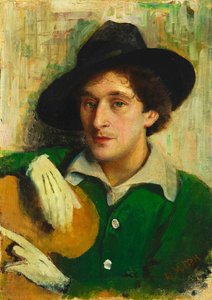
Марк Шагал
1887 - 1985 , Беларусь
Бързи факти
- Artistic Movement Or Style: Модернизъм, Кубизъм
- Artists Or Movements Influenced By This Artist: ['Сюрреализъм']
- Artists Who Influenced This Artist:
- Леон Бакст
- Георг Сеорат
- Date Of Birth: 6 юли 1887 г.
- Date Of Death: 28 март 1985 г.
- Full Name: Marc Chagall
- Nationality: Руски и по-късно френски
- Notable Artworks:
- I и селото
- От Витебск
- Бяла кръстоносенство
- Place Of Birth: Льозна, Белорусия
Всички статии

The Pure Charm of Naïve Art: Finding Beauty in Simplicity, Soul, and the Unfiltered Vision
Discover the profound beauty of Naïve Art. Explore how self-taught masters bypass academic tradition to capture raw emotional truth through vibrant color and soulful simplicity. A cultural journey for the true art lover seeking depth beyond convention.
Raw, Bold, Unfiltered: Why Naive Art is the Ultimate Vibe for Your Space
Ditch the boring decor. Discover why Naive Art's raw, bold, and unfiltered aesthetic is the ultimate trend for modern urban spaces. Learn how to use vibrant colors and unstudied sincerity to create a high-impact, authentic vibe in your home or studio.

Jacques-Louis David: Neoclassical Ideals & Revolutionary Witness
Explore the life & art of Jacques-Louis David, leading Neoclassical painter of the French Revolution. Discover iconic works like 'The Death of Marat' and his lasting impact on art history. Expert analysis & high-quality reproductions at OriginalUniqueArt.
Gerard David: Bridging Late Medieval Tradition with Early Renaissance Humanism
Explore the captivating world of Gerard David, a pivotal figure bridging late medieval artistry with the Early Renaissance. Discover his innovative techniques, religious masterpieces, and enduring legacy – a must-read for discerning art collectors.
The Unconventional Vision: Exploring the Characteristics, History & Enduring Appeal of Naïve Art
Explore the captivating world of naïve art! Discover its history, characteristics, key artists & collecting tips from OriginalUniqueArt's experts. Find your perfect piece today.



