
 Преглед в реален мащаб
 Изпрати
 Сподели
 Детайли
 Ръководство

 Изтегляне
 Подобни артикули
 Рентгенова снимка
 Слайдшоу
 Q&A
Q&A Статистика
Boxeur

- 45.0 x 43.0 cm


 Прочети повече
Получете файл, готов за печат, който предлага много по-високо качество от уеб прегледа. Всяко дигитално изображение, което предлагаме, е извлечено от висококачествен оригинал в нашата база данни — обикновено с ширина между 5 000 и 15 000 пиксела — така че със сигурност да можете да принтирате в голям формат, да кадрирате тесно или да възпроизведете фините детайли.
Нито един файл не напуска нашето студио без внимание. Дигитален експерт проверява цветовете спрямо оригиналната картина и ги коригира при необходимост, след което подобрява яснотата и детайлите с професионални инструменти за ретуш — винаги оставайки верен на мазките и стила на художника. Резултатът е изображение, което изглежда като самата картина, а не като сканиран образ с филтър.
Одобрявате преди финализиране: нашият експерт ще изпрати изображението по имейл в рамките на 72 часа за ваш преглед. Не сте доволни? Можете да поискате подобрения или корекции, или пълно възстановяване на сумата, ако качеството не отговаря на очакванията ви.
Това е качеството, на което разчитат издателства, дизайн студиа, галерии и печатници.
Дигитално изображение
Изтеглете файл с висока резолюция за лично съхранение, принтиране и творчески проекти. ( Превключване към принт Купете ръчно рисувана картина)
Включено във всяка поръчка за дигитални изображения
Гарантирана експертна дигитална доставка
Избирайки OriginalUniqueArt.com, вие не получавате просто изображение – вие придобивате професионално обработена дигитална творба, създадена с прецизност и подкрепена от гаранция за удовлетворение. Ето какво автоматично е включено във вашата поръчка:

Бърза доставка по имейл
Вашето дигитално изображение с висока резолюция ще бъде изпратено по имейл в рамките на 72 часа от поръчката – готово за незабавно използване.

Дигитален файл с подобрено качество чрез ИИ
Вашата картина е професионално оптимизирана чрез усъвършенствани инструменти с изкуствен интелект и ръчна редакция, което гарантира максимална детайлност, яснота и точност на цветовете.

Безплатна доживотна повторна доставка
Изгубили сте или сте изтрили файла си по погрешка? Не се притеснявайте – ще го изпратим отново на Вас по всяко време, безплатно.

Без митнически такси – завинаги
Насладете се на вашето произведение незабавно, без мита, такси или разходи за доставка – дигиталните изтегляния винаги са освободени от данъци.

Гаранция за цветово съответствие
Гарантираме, че вашето дигитално изображение отразява оригиналните цветове възможно най-точно чрез използването на професионални инструменти и системи за управление на цветовете.

100-дневна гаранция за удовлетвореност
Ако не сте доволни от вашето дигитално изображение, ще го преработим или ще възстановим 100% от сумата в рамките на 100 дни – без излишни въпроси.

100% Гаранция за връщане на сумата
Не сте доволни? Получете пълен възврат на сумата в рамките на 100 дни от получаването на вашия цифров файл – без излишни въпроси.

Отстъпки за големи поръчки
Купете 3 изображения, спестете 10% - Купете 5, спестете 15% - Купете 10+, спестете 20%. Идеално за творчески проекти, галерии и агенства.
Boxeur: A Portrait of Resilience in Black & White
Malick Sidibé’s “Boxeur,” created in 1966, stands as an iconic testament to the spirit of Bamako and a cornerstone of African documentary photography. This striking black and white portrait captures a moment frozen in time—a boxer mid-stance, radiating focused intensity against a minimalist backdrop. More than just a depiction of athletic prowess, it embodies a broader narrative of aspiration and determination within a rapidly changing landscape.- Subject Matter: The photograph centers on a young man engaged in boxing – a sport that symbolizes strength, discipline, and overcoming obstacles.
- Style & Composition: Sidibé’s signature style is characterized by its stark realism and deliberate simplicity. The tight framing draws immediate attention to the subject's physique and posture, emphasizing his presence within the frame. Lines are defined primarily by musculature and shadows, creating a dynamic interplay of form and light.
- Technique: Executed in gelatin silver print, “Boxeur” exemplifies Sidibé’s mastery of traditional photographic methods. The grainy texture of the image lends an authenticity that speaks to the immediacy of the scene—a snapshot captured with patience and observation.
Historical Context & Influence
Sidibé's work emerged during a period of significant social transformation in Mali – the aftermath of independence from French colonial rule. He documented the vibrant youth culture of Bamako, capturing scenes of music, fashion, and youthful exuberance. “Boxeur” reflects this broader context, symbolizing hope for a brighter future amidst challenges faced by young people navigating a new era. It aligns with the burgeoning movement of African photography that sought to portray everyday life with dignity and nuance—challenging Western representations and asserting cultural identity.Symbolism & Emotional Resonance
Beyond its visual elements, “Boxeur” carries profound symbolic weight. The boxer’s stance represents resilience – a willingness to confront adversity head-on and strive for excellence. His gaze directs outwards, conveying determination and ambition. Simultaneously, the photograph evokes vulnerability—a quiet acknowledgment of struggle alongside unwavering resolve. Sidibé's masterful use of light and shadow amplifies these emotions, creating an image that lingers in the viewer’s mind long after viewing it.A Legacy of Quiet Power
“Boxeur” continues to resonate with audiences today as a symbol of perseverance and youthful idealism. Its enduring appeal lies in Sidibé's ability to distill complex narratives into deceptively simple compositions—a testament to the power of visual storytelling. It serves as an inspiring reminder that beauty can be found even amidst hardship, and that capturing authentic moments remains paramount to artistic expression.Въпроси и отговори
В коя част от дома би изглеждала добре репродукцията на "Boxeur"?
„Boxeur“ на Малик Сидибе е препоръчано за Living Room. Тази препоръка се основава на темата, цветовете и настроението на произведението.
Как се препоръчва да бъде отпечатана творбата "Boxeur" – какъв размер и каква ориентация?
За „Boxeur“ препоръчителният формат за печат е размер Large и ориентация Portrait.
Как "Boxeur" се вписва в темите и стила на Малик Сидибе?
В творчеството на Малик Сидибе, „Boxeur“ е създадена в стила на Contemporary Realism, съчетавайки се с темите за documentary realism, african influence, post-colonial joy, bamako life, youth culture, social commentary.
Биография на художника
A Chronicler of Joy: The Life and Legacy of Malick Sidibé
Malick Sidibé emerged from the rural heartland of Mali to become one of Africa’s most celebrated photographers, a visual poet who captured a nation in transition with an unparalleled eye for intimacy and dynamism. Born in 1936 in Sologo, his early life was steeped in traditional Malian existence – herding animals, working the land, far removed from the burgeoning urban center of Bamako. This formative period instilled within him a deep connection to his cultural roots, a sensibility that would profoundly shape his artistic vision. A pivotal moment arrived when he was selected by the village chief to attend school in Yanfolila, an opportunity that opened doors to education and ignited a nascent passion for art. His talent for drawing quickly became apparent, leading to commissions for official events and ultimately securing his acceptance into the Institut National des Arts de Bamako. It was there he encountered Gérard Guillat-Guignard, a French photographer who served as his mentor, guiding him through the technical intricacies of the medium not through formal instruction, but through observation and practical experience. This apprenticeship laid the foundation for Sidibé’s distinctive approach – one that prioritized capturing life as it unfolded, rather than staging contrived scenes.Bamako in Bloom: Documenting a Generation
In 1952, Sidibé relocated to Bamako, a city pulsating with energy and undergoing rapid transformation as Mali approached independence. He began his formal photographic training under Guillat-Guignard at the Gégé la Pellicule photo service boutique in 1955, honing his skills before acquiring his first camera, a Brownie Flash, in 1956. By 1957, he had established Studio Malick, becoming a fixture in Bamako’s social landscape. Sidibé didn't merely document the city; he immersed himself within it, drawn to the vibrant youth culture that was blossoming in the wake of colonial rule. His lens found its focus on sporting events, lively beach gatherings, pulsating nightclubs, and intimate moments of courtship – scenes that encapsulated a generation’s newfound freedoms and aspirations. He eschewed the formality of traditional studio portraiture, preferring instead to capture his subjects in candid moments, amidst the energetic backdrop of Bamako's social life. This approach resulted in striking black-and-white images imbued with an immediacy and authenticity that resonated deeply within Malian society and would eventually captivate audiences worldwide. His work wasn’t simply about *what* was being photographed, but *how* it felt to be alive during this exhilarating period of change.Style and Substance: A Unique Photographic Vision
Sidibé's artistic style is characterized by a remarkable blend of technical skill and empathetic observation. His background in drawing profoundly influenced his approach to portraiture; he carefully considered composition, posing subjects not for static representation but to convey a sense of life and movement. He possessed an innate ability to connect with his subjects, fostering a relaxed atmosphere that allowed their personalities to shine through. This intimacy is palpable in his photographs, creating a powerful connection between the viewer and those depicted. A recurring theme throughout his work is the celebration of post-colonial joy and the burgeoning youth culture of Mali during the 1960s and 70s. Music played an integral role in this era, and Sidibé’s images frequently depict scenes of dancing and revelry, capturing the liberating spirit of a generation embracing newfound freedoms. His photographs are inextricably linked to music – not merely as a backdrop, but as a driving force that united people and expressed their collective identity. Nuit de Noël (Christmas Eve), perhaps his most iconic image, exemplifies this perfectly: a smiling couple lost in dance, radiating an infectious energy that transcends cultural boundaries.Studio Malick: A Hub of Creativity
Alongside Malick Sidibé’s celebrated documentary photographs of the Bamako nightlife, he created iconic portraits within his studio, named ‘Studio Malick’ and operating in the popular neighborhood of Bagadadji. The studio functioned as an important meeting place for the city youth – a space where young people could gather, socialize, and have their portraits taken. “The studio was like no other,” he recalls: “It was… relaxed. I did formal family shots, too, but often it was like a party. People would drop by, stay, eat. I slept in the developing room.” The studio became a microcosm of Bamako’s social life, reflecting the city's dynamism and its embrace of modernity. Sidibé’s portraits reflect the changes that were happening in society. Unlike the official photographs created during the French rule that were used predominantly in the identification documents, on Sidibé’s images Malians were able to represent themselves freely. According to Candace M. Kelle, a specialist in modern African art and photography, in the newly independent country “photography provided Malians with a new medium and venue in which to invent and preserve personal and collective identities.” Through incorporating particular commodities onto the images: cars, cameras, radios, or Western clothing, the subjects were seeking to stress their position as successful and modern. Photography functioned as an important tool in expressing the belonging (actual or desired) to particular social and economic class, allowing people to reclaim the agency over their image and to construct their identities.International Recognition and Lasting Impact
Malick Sidibé’s work gained international recognition in the 1990s thanks to the efforts of photographer Françoise Haguier and curator André Magnin, who were dispatched by collector Jean Pigozzi to explore West African art. His photographs began appearing in exhibitions around the globe, garnering critical acclaim and establishing him as a major figure in contemporary photography. He received numerous prestigious awards throughout his career, culminating in the Golden Lion Award for Lifetime Achievement at the Venice Biennale in 2007 – a historic moment that made him both the first photographer and the first African to receive this honor. Other accolades included the Hasselblad Award, the International Center of Photography Infinity Award, and a World Press Photo Award. His work is now held in prominent collections worldwide, including the Contemporary African Art Collection (CAAC), the J. Paul Getty Museum, and the Museum of Modern Art in New York. Sidibé’s influence extends beyond the art world; his distinctive style has been acknowledged in popular culture, most notably inspiring Janet Jackson's 1997 music video "Got 'Til It's Gone," and Inna Modja’s 2015 video for “Tombouctou,” filmed within Studio Malick itself.A Legacy of Cultural Preservation
Malick Sidibé passed away in April 2016, leaving behind a profound legacy as one of Mali's most important photographers and a pivotal figure in the history of African art. His work provides an invaluable visual record of post-colonial Malian society, offering a unique perspective on a period of rapid social and cultural change. He elevated documentary photography to new heights, demonstrating that powerful storytelling could emerge from seemingly ordinary moments. He wasn’t simply taking pictures; he was preserving memories, celebrating life, and documenting the evolution of a nation. His photographs serve as a testament to the resilience, joy, and creativity of the Malian people, ensuring that their stories are told and remembered for generations to come. Sidibé's enduring influence continues to inspire contemporary artists and photographers, solidifying his position as a master chronicler of Malian culture and a celebrated figure in the global art landscape.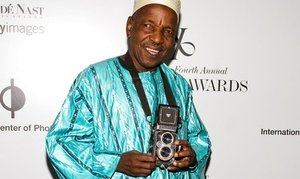
Малик Сидибе
1936 - 2016 , Мали
Бърза справка
- Artistic Movement Or Style: Документална фотография
- Artists Or Movements Influenced By This Artist: ['Ина Моджа']
- Artists Who Influenced This Artist: ['Гердар Гилят-Гиняр']
- Date Of Birth: 1936
- Date Of Death: 2016
- Full Name: Malick Sidibé
- Nationality: Малиански
- Notable Artworks:
- James Brown Fans
- Rosita - Club
- Nuit de Noël
- Place Of Birth: Sologo, Мали