
 Преглед в реален мащаб
 Изпрати
 Сподели
 Детайли
 Ръководство

 Изтегляне
 Подобни артикули
 Рентгенова снимка
 Слайдшоу
 Въпроси и отговори
 Статистика
James Anthony Froude

- 76.0 x 64.0 cm


 Прочети повече
Получете файл, готов за печат, който предлага много по-високо качество от уеб прегледа. Всяко дигитално изображение, което предлагаме, е извлечено от висококачествен оригинал в нашата база данни — обикновено с ширина между 5 000 и 15 000 пиксела — така че със сигурност да можете да принтирате в голям формат, да кадрирате тесно или да възпроизведете фините детайли.
Нито един файл не напуска нашето студио без внимание. Дигитален експерт проверява цветовете спрямо оригиналната картина и ги коригира при необходимост, след което подобрява яснотата и детайлите с професионални инструменти за ретуш — винаги оставайки верен на мазките и стила на художника. Резултатът е изображение, което изглежда като самата картина, а не като сканиран образ с филтър.
Одобрявате преди финализиране: нашият експерт ще изпрати изображението по имейл в рамките на 72 часа за ваш преглед. Не сте доволни? Можете да поискате подобрения или корекции, или пълно възстановяване на сумата, ако качеството не отговаря на очакванията ви.
Това е качеството, на което разчитат издателства, дизайн студиа, галерии и печатници.
Дигитално изображение
Изтеглете файл с висока резолюция за лично съхранение, принтиране и творчески проекти. ( Превключване към принт Купете ръчно рисувана картина)
Включено във всяка поръчка за дигитални изображения
Гарантирана експертна дигитална доставка
Избирайки OriginalUniqueArt.com, вие не получавате просто изображение – вие придобивате професионално обработена дигитална творба, създадена с прецизност и подкрепена от гаранция за удовлетворение. Ето какво автоматично е включено във вашата поръчка:

Бърза доставка по имейл
Вашето дигитално изображение с висока резолюция ще бъде изпратено по имейл в рамките на 72 часа от поръчката – готово за незабавно използване.

Дигитален файл с подобрено качество чрез ИИ
Вашата картина е професионално оптимизирана чрез усъвършенствани инструменти с изкуствен интелект и ръчна редакция, което гарантира максимална детайлност, яснота и точност на цветовете.

Безплатна доживотна повторна доставка
Изгубили сте или сте изтрили файла си по погрешка? Не се притеснявайте – ще го изпратим отново на Вас по всяко време, безплатно.

Без митнически такси – завинаги
Насладете се на вашето произведение незабавно, без мита, такси или разходи за доставка – дигиталните изтегляния винаги са освободени от данъци.

Гаранция за цветово съответствие
Гарантираме, че вашето дигитално изображение отразява оригиналните цветове възможно най-точно чрез използването на професионални инструменти и системи за управление на цветовете.

100-дневна гаранция за удовлетвореност
Ако не сте доволни от вашето дигитално изображение, ще го преработим или ще възстановим 100% от сумата в рамките на 100 дни – без излишни въпроси.

100% Гаранция за връщане на сумата
Не сте доволни? Получете пълен възврат на сумата в рамките на 100 дни от получаването на вашия цифров файл – без излишни въпроси.

Отстъпки за големи поръчки
Купете 3 изображения, спестете 10% - Купете 5, спестете 15% - Купете 10+, спестете 20%. Идеално за творчески проекти, галерии и агенства.
A Portrait of Reflection: James Anthony Froude by Lowes Cato Dickinson
Lowes Cato Dickinson’s 1890 portrait of James Anthony Froude is more than a simple likeness; it's a carefully constructed tableau of Victorian intellect and understated melancholy. The painting, housed within the hallowed halls of the University of Oxford, immediately draws the viewer in with its formal composition and rich palette – a testament to Dickinson’s mastery of oil paint and his ability to capture both physical presence and inner character.
Dickinson, a prominent figure in Victorian portraiture and a committed Christian socialist, was deeply embedded within the artistic and social currents of his time. His work often reflected these influences, as seen here in Froude’s dignified bearing and the subtle suggestion of contemplative thought. The painting wasn't merely commissioned; it felt like an attempt to immortalize a significant public figure, reflecting the esteem held for Froude’s historical writings and intellectual contributions.
The Anatomy of Form: Technique and Style
Dickinson’s technique is characterized by a meticulous attention to detail and a skillful manipulation of light and shadow. The portrait utilizes a one-point perspective, directing the viewer's gaze directly onto Froude’s face – an element that immediately establishes intimacy despite the formal setting. Notice how Dickinson builds up layers of paint to create texture in the fabric of Froude’s suit, subtly suggesting its weight and quality. The use of directional lighting, originating from the upper left, casts dramatic shadows across his features, emphasizing the lines of age and wisdom while simultaneously lending a sense of depth and volume.
The brushstrokes themselves are remarkably controlled, creating a smooth surface that reflects light beautifully. Dickinson’s choice of muted browns for the background provides a grounding element, preventing the focus from being solely on Froude himself. The overall effect is one of quiet dignity and restrained emotion – hallmarks of Dickinson's style.
Symbolism and Context: A Victorian Mind
Froude’s posture—slightly turned away, a hand resting loosely in his pocket—suggests a man lost in thought. He embodies the intellectual rigor of the late 19th century, grappling with complex historical questions and philosophical inquiries. The painting speaks to the era's fascination with history, morality, and the role of the individual within society – themes that were central to Froude’s own work.
Furthermore, the portrait is situated within a broader context of Victorian social reform movements. Dickinson was a staunch supporter of Christian socialism, advocating for improved working conditions and greater opportunities for the less fortunate. His decision to paint Froude, a prominent historian and public figure, could be interpreted as an attempt to elevate these ideals through artistic representation.
Emotional Resonance: A Glimpse into the Soul
Despite its formal presentation, “James Anthony Froude” possesses a profound emotional resonance. There’s a subtle melancholy in the subject's gaze, hinting at the weight of years and the complexities of human experience. The painting isn’t simply a record of appearance; it’s an invitation to contemplate the inner life of a man who shaped the intellectual landscape of his time. It is a poignant reminder of the enduring power of portraiture to capture not just likeness, but also spirit.
Въпроси и отговори
Възможно ли е да се прегледа „James Anthony Froude“ чрез добавена реалност?
Можете да прегледате „James Anthony Froude“ на Лоуэс Като Диксон върху вашата собствена стена чрез страницата за Преглед с AR на произведението, използвайки добавена реалност на съвместимо устройство.
Каква техника е използвана за "James Anthony Froude" и кога е създадено произведението?
Техниката на „James Anthony Froude“ на Лоуэс Като Диксон е Oil On Canvas, а произведението е датирано с 1890.
С каква наситеност на цветовете се отличава „James Anthony Froude“ на Лоуэс Като Диксон?
„James Anthony Froude“ на Лоуэс Като Диксон е заснето с Subtle Color наситеност.
Биография на художника
A Life Etched in Portraits: The World of Lowes Cato Dickinson
Lowes Cato Dickinson, born in Kilburn, London, in 1819, was a figure deeply embedded within the artistic and social currents of Victorian England. Coming from a family intimately connected to the art world—his father, Joseph Dickinson, being a respected lithographer and publisher on Bond Street—Dickinson’s path seemed preordained. Yet, his journey wasn't merely one of inheritance but of active engagement with the evolving aesthetic sensibilities and progressive social movements of his time. One of eleven siblings, he received his early education at Topsham School and Dr Lord's School in Tooting, grounding him in a solid foundation before fully immersing himself within the family business following his father’s death in 1849. He then joined forces with his brothers, Gilbert Bell Dickinson and William Robert Dickinson, to continue the legacy of Dickinson Brothers on Bond Street, a firm that quickly became synonymous with quality art publishing and photography. This early exposure wasn't simply about commerce; it was an apprenticeship in visual culture, shaping his eye for detail and composition—qualities that would define his later work as a portraitist.The Pre-Raphaelite Circle and the Call of Social Reform
Dickinson’s artistic development took a significant turn with a three-year sojourn in Italy around 1850. This period proved formative, exposing him to the masterpieces of the Renaissance and influencing his evolving style. He absorbed the stylistic principles championed by Dante Gabriel Rossetti and John Ruskin—a fervent desire for truth to nature combined with an emotional intensity that would permeate his subsequent paintings. The Pre-Raphaelite Brotherhood’s emphasis on rejecting academic conventions and celebrating medieval art profoundly impacted Dickinson's artistic vision. His correspondence with fellow artists reveals a shared belief in the importance of capturing inner life alongside external appearance—a characteristic that distinguishes his portraits from more conventional depictions of his era. Furthermore, Dickinson actively participated in the burgeoning Christian socialist movement, recognizing the moral imperative to address social injustices and uplift the underprivileged. This conviction fueled his involvement in establishing the Working Men's College in London, where he served as a lecturer alongside prominent figures like Ruskin and Rossetti, imparting artistic principles alongside ethical considerations. The college’s walls bear witness to Dickinson’s dedication—his portraits of Gladstone, Kingsley, Hughes, and others stand as emblems of Victorian idealism and social reform.A Portraitist of Victorian Society
Dickinson honed his craft in Langham Chambers, establishing a studio that became renowned for its meticulous attention to detail and its ability to convey profound psychological insight. He developed a distinctive technique—often focusing solely on rendering the faces of his subjects with remarkable accuracy—leaving the depiction of clothing and accessories to other artists. This deliberate choice allowed him to concentrate on capturing the essence of character, distilling it into subtle expressions and nuanced shading. His subject matter spanned across diverse spheres of Victorian life—literary figures, scientists, statesmen, and philanthropists—reflecting his intellectual curiosity and his desire to document the achievements of his time. He meticulously studied anatomy and optics, mastering techniques that enabled him to achieve unprecedented realism in his portraits. The resulting images are not merely representations of individuals but windows into their souls—testaments to Dickinson’s artistic skill and his humanist sensibility.Notable Works and Recognition
Dickinson's prolific output produced a substantial body of work encompassing over 300 paintings, many of which hang prominently in institutions such as the National Portrait Gallery in London and Cambridge University. Among his most celebrated portraits are those of Queen Victoria, Prince Edward VII, Alice Maud Montgomery (later Princess Alexandra), Lord Kelvin, Gladstone’s Cabinet Room portrait, and numerous depictions of prominent members of Parliament and scientific luminaries. His posthumous portrait of General Gordon at Khartoum remains an iconic image—a testament to his ability to convey heroism and resilience through masterful composition and tonal gradation. Dickinson's portraits are recognized for their exceptional quality and their enduring aesthetic appeal, securing his place as one of the foremost portrait painters of the Victorian era.Legacy and Enduring Influence
Lowes Cato Dickinson’s legacy extends far beyond the canvases he adorned with faces. He championed the Working Men’s College, fostering educational opportunities for disadvantaged communities—a testament to his unwavering commitment to social justice. His meticulous documentation of Victorian society provides invaluable insight into the intellectual and artistic landscape of the period. Moreover, his dedication to capturing inner life through visual art continues to inspire artists today. Dickinson's influence can be seen in the stylistic innovations of subsequent generations of portrait painters—his emphasis on psychological realism and his masterful use of tonal shading establishing precedents that endure to this day. He remains a symbol of Victorian artistic excellence and humanist compassion, securing his place as an enduring figure within British art history.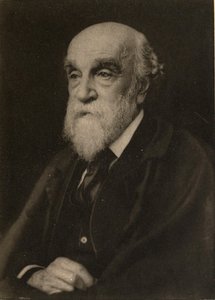
Лоуэс Като Диксон
1819 - 1908 , Великобритания
Бърза справка
- Artistic Movement Or Style: Прерафаелити
- Artists Or Movements Influenced By This Artist: ['Християнска социалистика']
- Artists Who Influenced This Artist:
- Дж. Рускън
- Дж. Д. Росети
- Date Of Birth: Нов. 27, 1819
- Date Of Death: 1908
- Full Name: Lowes Cato Dickinson
- Nationality: Британски
- Notable Artworks: ['Кабинетът на Гадсбърг']
- Place Of Birth: Кенсал Грин