
 Представи си го
 Изпрати
 Сподели
 Детайли

 Изтегляне
 Подобни
 Рентгенова снимка
 Слайдшоу
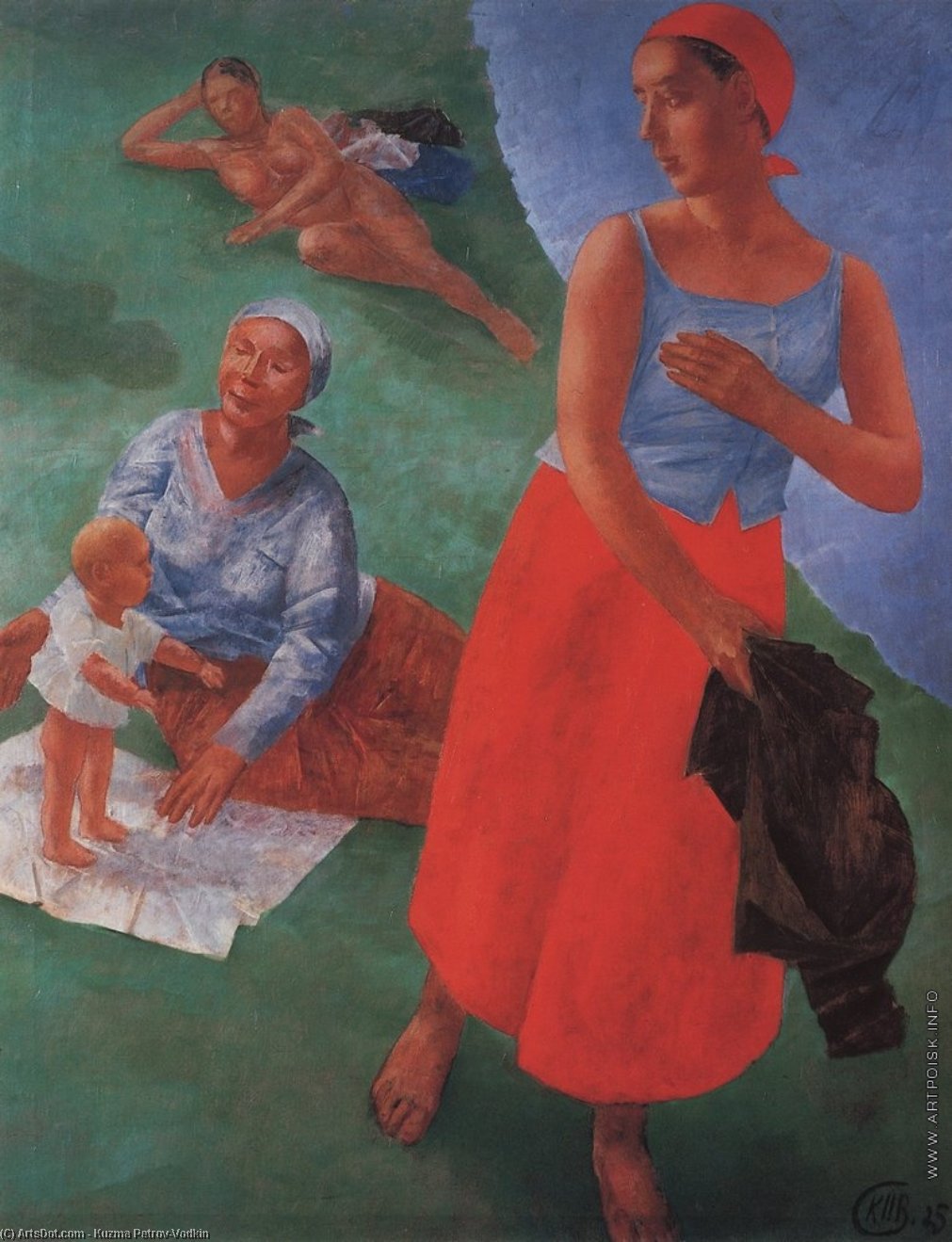
First Steps


 Прочетете повече
Жикле / Художествен принт
Giclée печат или принт върху платно с музейно качество, бързо производство и гъвкави опции за завършен вид. ( Купете ръчно рисувана картина Купете изображение)




































Изберете от предварително зададените размери, които съответстват на оригиналните пропорции на произведението.

Можете да въведете собствени размери, за да паснат на конкретна рамка или пространство. Ако избраният от Вас размер не съвпада с пропорциите на оригиналното изображение, ние ще изрежем произведението или ще разширим изображението с огледален или едноцветен ръб. Дигитален макет ще бъде изпратен за Ваше одобрение преди започването на производството.
Моля, имайте предвид, че предпрегледът на екрана не отразява реалното изрязване или разширяване. Само макетът ще покаже точно финалната композиция.
Въпреки че са налични персонализирани размери, препоръчваме да изберете размер от предварително дефинирания списък, за да запазите оригиналните пропорции.
Доставка по целия свят () в рамките на 2 седмици вместо стандартните 4/5 седмици. (13 Август)

Безплатна експресна доставка по целия свят

Висококачествено ленено платно

Пълно застраховане при доставка

Гаранция за възстановяване на митнически такси

Гаранция за цветова точност

60-Дневен период за връщане (Само при дефекти)

100% Гаранция за връщане на парите

Предложение за отстъпка при поръчка на едро
 Стъклото е налично само в размери под 110 см

First Steps
Жикле / Художествен принт
Размер на репродукцията
-


Обща цена
$ 80
Биография на художника
A Visionary of Spherical Space: The Life and Art of Kuzma Petrov-Vodkin
Kuzma Sergeevich Petrov-Vodkin, a name that resonates deeply within the annals of Russian art, was far more than simply a painter; he was a philosophical explorer of form, a master weaver of symbolism, and a poignant chronicler of his nation’s tumultuous soul. Born in 1878 in Khvalynsk, a small, unassuming town nestled along the banks of the Volga River, Petrov-Vodkin's artistic journey began not within the imposing walls of prestigious academies, but rather amidst the vibrant, profoundly spiritual world inherited from Russian icon painting and the skilled hands of local signmakers. These formative influences instilled in him an unwavering reverence for line, color, and narrative—qualities that would ultimately define his uniquely captivating aesthetic throughout his prolific career. His formal artistic education commenced at the Baron Stieglitz School in Saint Petersburg between 1895 and 1897, providing a crucial foundation upon which he meticulously constructed his distinctive style – one that deliberately diverged from prevailing artistic currents of the time. It wasn’t merely an absorption of techniques; it was a deliberate synthesis of tradition with a burgeoning modern sensibility, forging a path marked by innovation and profound introspection.The Genesis of a Singular Style: Spherical Perspective and Symbolic Resonance
Petrov-Vodkin's most enduring legacy—and the element that instantly distinguishes his work—is undoubtedly his groundbreaking development of “spherical perspective.” Rejecting the rigid, linear perspective championed by Renaissance masters, he embraced a radically different approach – one that sought to represent not just what the eye *sees*, but how space *feels*. This wasn’t simply an aesthetic choice; it was deeply rooted in his philosophical convictions and spiritual inclinations. He envisioned creating compositions that drew the viewer into a swirling vortex of emotion and meaning—a sense of immersion far beyond the limitations of traditional representation. The iconic painting, The Dream (1910), became a focal point for intense debate within Russian artistic circles. Alexandre Benois, a prominent figure in the Society for Preservation of Traditional Art, championed its innovative approach, while Ilya Repin, a celebrated realist painter, voiced critical reservations. Despite the controversy, the painting undeniably sparked a vital conversation about the possibilities—and indeed, the necessity—of embracing modern techniques within the realm of art. The dreamlike quality achieved through flattened planes and carefully orchestrated symbolic figures powerfully conveys a sense of psychological depth and invites profound contemplation. Bathing of a Red Horse (1912), arguably his most recognizable masterpiece, solidified Petrov-Vodkin’s reputation as a visionary artist. This arresting image—depicting a group of peasant youths bathing a crimson horse against the backdrop of rolling hills—is often interpreted as a potent premonition of the social upheaval that would soon engulf Russia. The vibrant color palette and unconventional composition are hallmarks of his style, signaling a deliberate departure from traditional realism towards a more symbolic and emotionally charged form of artistic expression.Beyond the Canvas: Literary Pursuits and Reflections on Life
Petrov-Vodkin’s creative spirit extended far beyond the confines of the canvas. Following a debilitating bout of pulmonary tuberculosis in 1927, he turned his considerable intellect to literature, embarking on a remarkable writing career that served as both a reflection and an expansion upon his artistic explorations. He produced three meticulously crafted semi-autobiographical volumes—Khvalynsk, Euclid’s Space, and Samarkandia—which offered intimate glimpses into his childhood memories, philosophical musings, and the very process of his artistic creation. These literary works weren't merely autobiographical accounts; they were profound explorations of memory, perception, and the enduring human quest for meaning within a world undergoing rapid transformation. They provide invaluable insight into the intellectual and spiritual foundations that underpinned his artistic vision—a vision characterized by both intense emotion and a deep sense of philosophical inquiry.Influences and Artistic Development
Petrov-Vodkin’s artistic development was shaped by a confluence of influences, ranging from traditional Russian iconography to European Symbolism and the burgeoning avant-garde movements of the early 20th century. His early exposure to icon painting instilled in him a deep appreciation for line, color, and narrative—qualities that he skillfully integrated into his own work. The influence of Symbolism is readily apparent in his use of symbolic imagery and his exploration of dreamlike states. He was particularly drawn to the works of artists such as Gustav Klimt and Edvard Munch, whose emphasis on emotion and subjective experience resonated deeply with his own artistic sensibilities. Furthermore, Petrov-Vodkin’s travels throughout Europe—particularly his time spent in Paris—exposed him to a wide range of artistic styles and techniques, broadening his creative horizons and contributing to the evolution of his unique aesthetic.Legacy and Enduring Significance
Kuzma Petrov-Vodkin's influence extends far beyond the confines of his own prolific output. He left an indelible mark on subsequent generations of Russian artists, inspiring them to explore new avenues of symbolism, perspective, and emotional expression. His distinctive approach to spherical space continues to captivate art historians and practitioners alike, prompting ongoing debates about the nature of representation and the role of the artist in society. His paintings are now housed in prestigious collections such as the Kramskoy Museum of Fine Arts in Voronezh and the Krasnoyarsk Art Museum, ensuring that his artistic legacy remains accessible for generations to come. Petrov-Vodkin’s life and work serve as a poignant reminder of the enduring power of art—its ability to transcend time, culture, and circumstance, and to speak directly to the deepest recesses of the human soul. He died in Leningrad in 1939, but his artistic spirit continues to resonate powerfully, solidifying his place as one of the most significant figures in Russian art history.Museums Featuring Petrov-Vodkin’s Work
- Kramskoy Museum of Fine Arts (Voronezh, Russia)
- Krasnoyarsk Art Museum (Krasnoyarsk, Russia)

Кузмо Петров-Водкин
1878 - 1939 , Русия
Бързи факти
- Artistic Movement Or Style: Пост-импресионизъм
- Artists Or Movements Influenced By This Artist: ['Руски иконопис']
- Date Of Birth: 5 ноември 1878 г.
- Date Of Death: 15 февруари 1939 г.
- Full Name: Кузма Сергеевич Петров-Водкин
- Nationality: Руски
- Notable Artworks:
- Мечта
- Кървав кон
- Place Of Birth: Хвалънск, Русия

