- Начало

- Възпроизведение на маслена картина
- Хокусай
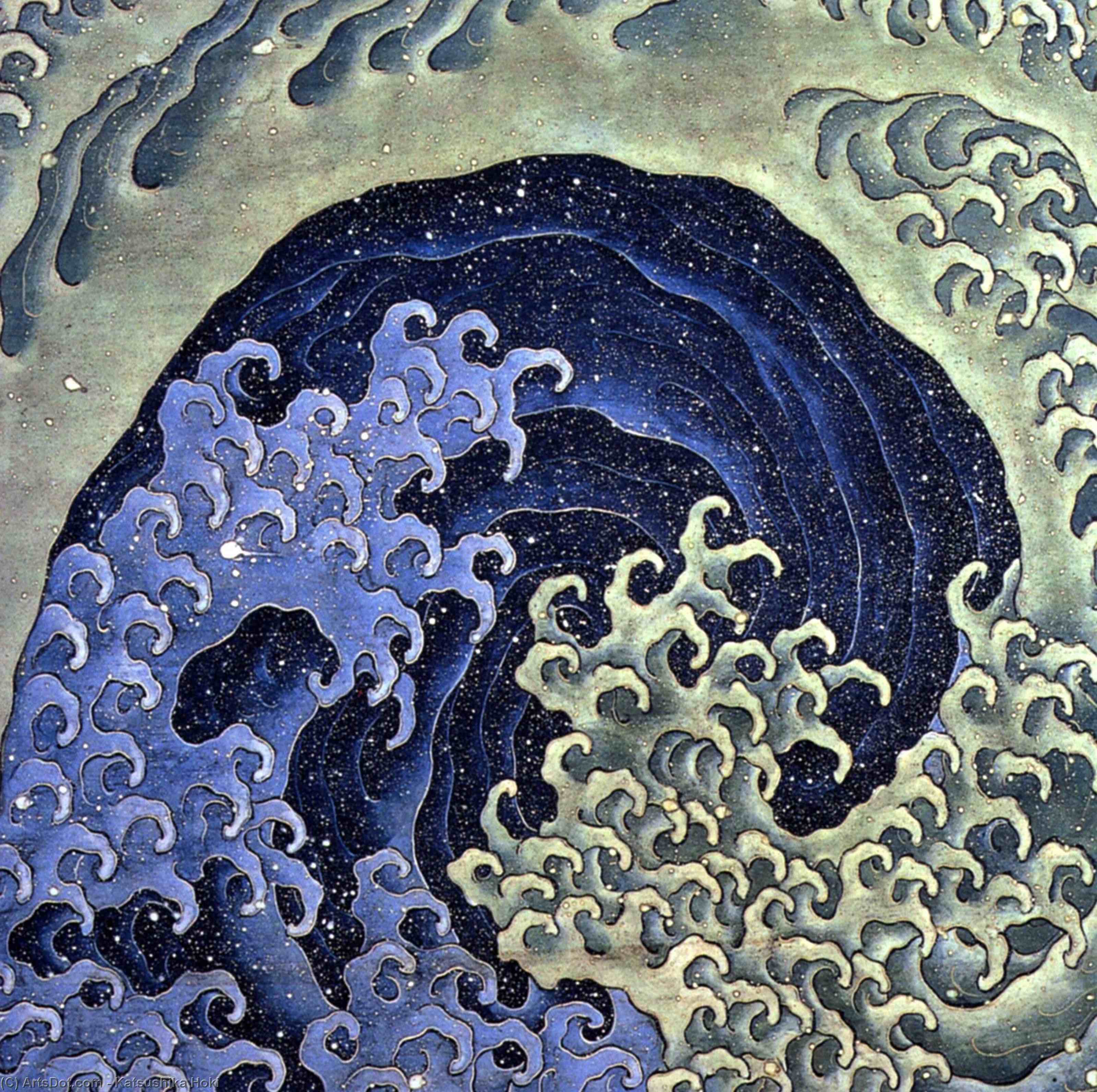
- Femenine wave
 Купи принт Купи изображение
 Изпрати
 Сподели
 Детайли
 Добавяне към любими

 Изтегляне
 Подобни
 Рентгенова снимка
 Слайдшоу
Femenine wave


 Прочетете повече
Ръчно изработена маслена репродукция
Ръчно рисувана маслена картина върху платно във вашия размер и рамка, изработена по поръчка от нашите художници.




P118B $10

P118H $10

P118W $10

P438Z $10

P508JH $12

P508YH $12

P805H $10

P805Z $10

P919BZ $10

P919G $10

P919XJ $10

P959ZH $10

P968JZ $12

W106C $8

W218G $10

W218JH $8

W218Y $10

W307PJ $10

W316G $10

W316PJ $8

W316Y $10

W398PJ $8

W4111J $10

W500HY $15

W500JH $15

W692G $12

W849H $8

W940BG $15

W953PJ $8




Изберете от предварително зададените размери, които съответстват на оригиналните пропорции на произведението.

Можете да въведете свои собствени размери, за да пасне на конкретна рамка или пространство. Ако избраният от вас размер не съответства на пропорциите на оригиналното изображение, ние ще изрежем произведението или ще удължим картината с допълнителни ръчно рисувани елементи. Дигитален макет ще бъде изпратен за ваше одобрение преди започване на производството.
Моля, обърнете внимание, че прегледът на екрана не отразява действителното изрязване или разширяване. Само макетът ще покаже точно финалния състав.
Въпреки че са налични персонализирани размери, препоръчваме да изберете размер от предварително дефинирания списък, за да запазите оригиналните пропорции.
След поръчка, екипът на OriginalUniqueArt.com ще изпрати имейл на клиента за инструкции и ще предостави преглед на макет.
Доставка по целия свят () в рамките на 3/4 седмици вместо стандартните 5 седмици. (16 Юли). Без компромис с качеството.

Безплатна експресна доставка по целия свят

Висококачествено ленено платно

Пълно застраховане при доставка

Гаранция за възстановяване на митнически такси

Гаранция за цветова точност

60-Дневен период за връщане (Само при дефекти)

100% Гаранция за връщане на парите

Предложение за отстъпка при поръчка на едро
 Стъклото е налично само в размери под 110 см

Femenine wave
Репродукционен метод
Размер на репродукцията
-


Обща цена
-
Описание на произведението
The Breath of the Ocean – An Encounter with Hokusai’s Masterpiece
Katsushika Hokusai's “Feminine Wave,” a cornerstone of Japanese ukiyo-e art, isn’t merely a depiction of a seascape; it’s an immersive experience. Painted during the late Edo period (circa 1830), this woodblock print transcends its medium to capture the raw power and ethereal beauty of nature—specifically, the relentless dance between ocean and sky. More than just a visual record, “Feminine Wave” is a meditation on dynamism, impermanence, and the profound connection between humanity and the natural world. It’s a piece that continues to resonate with viewers centuries later, inviting contemplation and a sense of awe.
(Image courtesy of The History of Art)
A Study in Contrasts – Composition and Technique
Hokusai’s genius lies not just in his subject matter, but in the masterful execution. The composition is a carefully orchestrated balance of elements. A towering wave dominates the foreground, its crest sculpted with an almost sculptural precision—a swirling vortex of blues and whites that seems to defy gravity. Beneath this colossal force, smaller waves ripple outwards, creating a sense of depth and movement. The use of Prussian blue pigment, imported from Europe during this period, contributes significantly to the print’s striking color palette – a vibrant contrast against the pale sky above. The artist employed *mokusatsu* (bold outlines) to define shapes and create a dramatic effect, further emphasizing the wave's imposing presence. The subtle gradations of tone within each element—the foam, the water, the clouds—demonstrate Hokusai’s meticulous attention to detail and his ability to capture the nuances of light and shadow.
- Color Palette: Primarily Prussian blue, white, and shades of grey.
- Technique: Woodblock printing with *mokusatsu* (bold outlines) and layered washes.
- Composition: Dynamic balance between the colossal wave and the expansive sky.
Symbolism Woven into the Waves – Meaning and Interpretation
The title, “Feminine Wave,” adds a layer of intriguing interpretation. While initially appearing straightforward, it invites speculation about the symbolism embedded within the image. Some scholars suggest that the wave’s form—its rounded crest and gentle curves—evokes feminine imagery, representing fertility, nurturing, and the cyclical nature of life. The bird soaring above the wave could symbolize freedom, transcendence, or perhaps even a connection between the earthly realm and the heavens. Hokusai himself was known for his exploration of themes related to women and nature in his work, often portraying them as powerful forces of change and renewal. It’s important to note that Hokusai's art is rich with ambiguity, encouraging viewers to bring their own experiences and perspectives to bear on its meaning.
A Legacy of Influence – From Edo to the Modern World
“Feminine Wave” stands as a testament to Hokusai’s artistic vision and his enduring legacy. It profoundly influenced Western artists, particularly Impressionists like Claude Monet and Vincent van Gogh, who were captivated by its dynamic composition, vibrant colors, and masterful use of perspective. The print's impact can be seen in their own seascapes and landscapes, which often echoed Hokusai’s bold brushstrokes and evocative imagery. Today, “Feminine Wave” remains one of the most recognizable and beloved works of Japanese art, a timeless masterpiece that continues to inspire awe and wonder in audiences around the world. Reproductions offer an accessible way to experience this iconic image, bringing its beauty and power into any space.
Биография на художника
Katsushika Hokusai: A Life Etched in Ink
Katsushika Hokusai, a name that resonates deeply within the world of art and inextricably linked to the iconic image of *The Great Wave off Kanagawa*, was far more than simply a master printmaker. Born in Edo (modern-day Tokyo) around 1760, his life unfolded as an extraordinary journey—a relentless pursuit of artistic mastery characterized by constant evolution, shifting names, and an insatiable curiosity about the world around him. From humble beginnings as the son of a mirror maker, Hokusai’s early inclination towards art wasn't immediately nurtured; however, he pursued it with unwavering dedication, reportedly beginning to draw at the tender age of six. This steadfast commitment would ultimately define a career spanning nearly nine decades, leaving behind a legacy that continues to captivate and inspire audiences globally. His father, Nakajima Ise, while not himself an artist, recognized and perhaps fostered this nascent talent, providing the initial spark for a transformative journey that reshaped Japanese visual culture. Hokusai’s early life was marked by simplicity rather than privilege—a steady climb fueled by ambition and a profound passion to capture the essence of existence in all its fleeting beauty.From Apprenticeship to Innovation: The Blossoming of a Style
Hokusai's formal artistic training commenced at the age of twelve when he entered the prestigious studio of Katsukawa Shunshō, a leading luminary within the *ukiyo-e* (pictures of the floating world) tradition. This genre, immensely popular during the Edo period, served as a vibrant mirror reflecting the daily lives of people in Japan—depicting actors performing at Kabuki theaters, elegant courtesans, captivating landscapes, and glimpses into the bustling urban culture of the time. Under Shunshō’s tutelage, Hokusai honed his skills in woodblock printing – a demanding craft requiring exceptional precision and artistic flair. However, he possessed an innate restlessness, a spirit that yearned to transcend mere replication; even in his early works, evidence of this desire for innovation was apparent—a yearning to push boundaries and explore new avenues of expression. He experimented with diverse subjects, venturing beyond the traditional confines of *ukiyo-e* to include book illustrations and single-sheet prints, constantly refining his techniques and developing a uniquely recognizable visual language. This period also witnessed the first in a series of name changes – a common practice among Japanese artists of the era signifying shifts in artistic focus or affiliations with different schools. Initially, he focused on illustrating books, providing him with valuable experience and solidifying his compositional skills.Mount Fuji and the Floating World: Defining Masterpieces
Hokusai’s artistic output was astonishingly prolific—tens of thousands of woodblock prints, paintings, and illustrated books bear his signature. While he explored a vast array of subjects, it was his series *Thirty-Six Views of Mount Fuji* (circa 1831) that cemented his enduring fame. This collection, featuring the instantly recognizable *The Great Wave off Kanagawa*, wasn’t simply a depiction of a landscape; it was a masterful exploration of perspective, composition, and the raw power of nature. The wave itself—a towering, dynamic force poised to crash down upon tiny boats – embodies both the breathtaking beauty and the underlying terror inherent in the sea. Beyond *Fuji*, works such as *Fireworks at Ryōgoku Bridge* (1790) demonstrated his remarkable ability to capture the energy and dynamism of everyday life with incredible detail and immediacy. His *Hokusai Manga*—a collection of sketches and studies encompassing people, animals, landscapes, and fantastical creatures – was groundbreaking in its scope and influence, foreshadowing the development of modern manga as an art form. These works weren’t isolated achievements; they were milestones in a continuous artistic journey, each building upon the last to create a body of work that is both deeply rooted in Japanese tradition and remarkably innovative.A Legacy Beyond Borders: Hokusai's Enduring Influence
Hokusai’s impact extended far beyond Japan’s borders. As Japan cautiously opened its doors to the West during the late 19th century, *ukiyo-e* prints flooded European markets, sparking a phenomenon known as *Japonisme*. Artists such as Claude Monet, Edgar Degas, and Vincent van Gogh were profoundly captivated by Hokusai’s bold compositions, vibrant colors, and unconventional perspectives. Van Gogh, in particular, was deeply influenced by *The Great Wave*, even recreating it in his own paintings, imbuing it with a sense of turbulent emotion. Hokusai's influence wasn't limited to Impressionism; it permeated various modern art movements, shaping the way artists approached composition, color palettes, and subject matter. His emphasis on capturing fleeting moments, his dynamic use of line, and his ability to find beauty in the mundane resonated with a generation of artists seeking new forms of expression. Even today, Hokusai’s work continues to inspire and challenge artists around the world, solidifying his place as one of the most significant figures in art history. He continued painting until his death in 1849 at the age of 89, leaving behind a vast body of work that stands as a testament to his unwavering dedication and artistic genius.The Old Man Mad About Painting
Hokusai’s life was one of constant reinvention, marked by numerous name changes—over thirty throughout his career—each reflecting a new phase in his artistic development. He often referred to himself as “Gakyō Rōjin,” or "Old Man Crazy to Paint," a fitting title for an artist who remained passionately devoted to his craft well into his eighties. This relentless pursuit of perfection, coupled with his innovative spirit and profound understanding of both Japanese tradition and the wider world, cemented Hokusai’s legacy as a true master of *ukiyo-e* and a pivotal figure in the history of art. His work continues to captivate audiences, reminding us of the power of art to transcend cultural boundaries and connect us to something larger than ourselves.- Major Influences: Ukiyo-e traditions, Chinese landscape painting, everyday life in Edo.
- Key Characteristics: Bold lines, vibrant colors, dynamic compositions, keen observation of nature.

Хокусай
1760 - 1849 , Япония
Бързи факти
- Artistic Movement Or Style: *Ukiyo-e*
- Artists Or Movements Influenced By This Artist: ['Импресионизъм']
- Artists Who Influenced This Artist: ['Китайски пейзажисти']
- Date Of Birth: 1760-10-31
- Full Name: Katsushika Hokusai
- Nationality: Японски
- Notable Artworks:
- Вълната от Канагава
- Тридесет и шест гледки на Фуджи
- Хобукай манга
- Place Of Birth: Токио, Япония
Всички статии
Ukiyo-e's Poetic Visionary: Hiroshige Ando & the Transformation of Landscape in 19th-Century Japan
Explore the life & art of Ando Hiroshige, Japan's last great ukiyo-e master. Discover his iconic landscapes, poetic style, and profound influence on Western Impressionism. Learn about The Fifty-Three Stations & more!
Tōshūsai Sharaku: A Fleeting Glimpse into Edo Period Kabuki – Life, Art, and the Enigma of a Ukiyo-e Master
Explore the captivating world of Tōshūsai Sharaku, the enigmatic Edo period ukiyo-e master. Discover his iconic Kabuki actor portraits and unravel the mystery behind this fleeting artistic genius. Learn about his unique style & lasting legacy.
Ukiyo-e's Greatest Hits: 10 Masterpieces That Shaped a Movement | OriginalUniqueArt
Journey into Japan's 'Floating World'! Explore 10 Ukiyo-e masterpieces by Hokusai, Hiroshige & more. Discover the stories behind these iconic woodblock prints and bring timeless Japanese art to your home with OriginalUniqueArt.com. Explore the full collection online.
Ukiyo-e: Exploring Japan's Floating World & Enduring Artistic Legacy
Explore the captivating world of Ukiyo-e – Japan's iconic woodblock prints! Discover masters like Hokusai & Hiroshige, learn about Edo period culture, and find expert art collecting guidance at OriginalUniqueArt.
Utagawa Kuniyoshi: A Master of Japanese Ukiyo-e – Narrative Innovation & the Fusion of Tradition with Popular Culture
Explore the captivating world of Utagawa Kuniyoshi, a master of Japanese ukiyo-e woodblock prints. Discover his innovative warrior scenes, vibrant landscapes & lasting legacy in 19th-century art history.