
 Преглед в реален мащаб
 Изпрати
 Сподели
 Детайли
 Ръководство

 Изтегляне
 Подобни артикули
 Рентгенова снимка
 Слайдшоу
 Въпроси и отговори
 Статистика
Päsesick-Kaskutäu

- 23.0 x 30.0 cm


 Прочети повече
Получете файл, готов за печат, който предлага много по-високо качество от уеб прегледа. Всяко дигитално изображение, което предлагаме, е извлечено от висококачествен оригинал в нашата база данни — обикновено с ширина между 5 000 и 15 000 пиксела — така че със сигурност да можете да принтирате в голям формат, да кадрирате тесно или да възпроизведете фините детайли.
Нито един файл не напуска нашето студио без внимание. Дигитален експерт проверява цветовете спрямо оригиналната картина и ги коригира при необходимост, след което подобрява яснотата и детайлите с професионални инструменти за ретуш — винаги оставайки верен на мазките и стила на художника. Резултатът е изображение, което изглежда като самата картина, а не като сканиран образ с филтър.
Одобрявате преди финализиране: нашият експерт ще изпрати изображението по имейл в рамките на 72 часа за ваш преглед. Не сте доволни? Можете да поискате подобрения или корекции, или пълно възстановяване на сумата, ако качеството не отговаря на очакванията ви.
Това е качеството, на което разчитат издателства, дизайн студиа, галерии и печатници.
Дигитално изображение
Изтеглете файл с висока резолюция за лично съхранение, принтиране и творчески проекти. ( Превключване към принт Купете ръчно рисувана картина)
Включено във всяка поръчка за дигитални изображения
Гарантирана експертна дигитална доставка
Избирайки OriginalUniqueArt.com, вие не получавате просто изображение – вие придобивате професионално обработена дигитална творба, създадена с прецизност и подкрепена от гаранция за удовлетворение. Ето какво автоматично е включено във вашата поръчка:

Бърза доставка по имейл
Вашето дигитално изображение с висока резолюция ще бъде изпратено по имейл в рамките на 72 часа от поръчката – готово за незабавно използване.

Дигитален файл с подобрено качество чрез ИИ
Вашата картина е професионално оптимизирана чрез усъвършенствани инструменти с изкуствен интелект и ръчна редакция, което гарантира максимална детайлност, яснота и точност на цветовете.

Безплатна доживотна повторна доставка
Изгубили сте или сте изтрили файла си по погрешка? Не се притеснявайте – ще го изпратим отново на Вас по всяко време, безплатно.

Без митнически такси – завинаги
Насладете се на вашето произведение незабавно, без мита, такси или разходи за доставка – дигиталните изтегляния винаги са освободени от данъци.

Гаранция за цветово съответствие
Гарантираме, че вашето дигитално изображение отразява оригиналните цветове възможно най-точно чрез използването на професионални инструменти и системи за управление на цветовете.

100-дневна гаранция за удовлетвореност
Ако не сте доволни от вашето дигитално изображение, ще го преработим или ще възстановим 100% от сумата в рамките на 100 дни – без излишни въпроси.

100% Гаранция за връщане на сумата
Не сте доволни? Получете пълен възврат на сумата в рамките на 100 дни от получаването на вашия цифров файл – без излишни въпроси.

Отстъпки за големи поръчки
Купете 3 изображения, спестете 10% - Купете 5, спестете 15% - Купете 10+, спестете 20%. Идеално за творчески проекти, галерии и агенства.
The Enigmatic Figure of Päsesick-Kaskutäu
Karl Bodmer’s “Päsesick-Kaskutäu” isn't merely a portrait; it’s a meticulously rendered snapshot of a fleeting moment in the vast, untamed landscape of 19th-century North America. Painted in 1833 during Prince Maximilian zu Wied-Neuwied’s expedition along the Missouri River, the image captures an Assiniboine man – identified as Päsesick-Kaskutäu – standing atop a windswept hill, rifle in hand, against a dramatic backdrop of towering mountains. The painting immediately draws the viewer into a scene brimming with both stoic resilience and quiet contemplation. Bodmer’s skill lies not just in his technical proficiency but in his ability to imbue this single figure with an almost palpable sense of history and cultural significance.
A Chronicle of the Maximilian Expedition
The context surrounding “Päsesick-Kaskutäu” is crucial to understanding its profound impact. Prince Maximilian’s expedition, a grand undertaking funded by the German aristocracy, aimed to document the natural history and indigenous cultures of the American West. Bodmer was tasked with visually recording this journey, creating a series of watercolors, drawings, and later, lithographs that would serve as a lasting testament to the era. The painting reflects the meticulous approach of the expedition – every detail, from the man’s weathered clothing to the rugged terrain, is rendered with painstaking accuracy. It's important to note that Bodmer wasn’t simply an observer; he was actively engaged in building relationships with the Native American tribes they encountered, fostering a degree of trust and respect that allowed him to capture authentic representations of their lives.
The title itself, “Päsesick-Kaskutäu,” offers a tantalizing glimpse into the complexities of communication between cultures. It’s likely a name given by the Assiniboine people, reflecting their own linguistic and cultural framework – a reminder that Bodmer's work is not just a European interpretation but a dialogue across vastly different worlds.
Technique and Artistic Style
Bodmer’s artistic style is characterized by a remarkable blend of realism and Romanticism. His watercolors, executed on paper, possess a luminous quality, capturing the play of light and shadow with exquisite sensitivity. The use of graphite adds depth and texture to the landscape, emphasizing its scale and grandeur. The composition is carefully balanced, drawing the eye towards the central figure while simultaneously immersing the viewer in the vastness of the surrounding wilderness. Notice the subtle details – the folds of the man’s clothing, the glint of sunlight on his rifle, the intricate patterns of the mountains – all contribute to a sense of immediacy and realism.
The painting's palette is restrained yet evocative, dominated by earthy tones—ochres, browns, and grays—that mirror the colors of the landscape. This muted color scheme reinforces the feeling of ruggedness and timelessness, suggesting that this scene could have unfolded centuries ago.
Symbolism and Emotional Resonance
“Päsesick-Kaskutäu” transcends a simple portrait; it embodies themes of exploration, cultural encounter, and the enduring spirit of the American West. The man’s posture – upright, alert, yet seemingly contemplative—suggests both resilience and wisdom. He is not merely a hunter or warrior but a representative of his people, standing as a silent witness to the changing landscape. The painting invites us to reflect on the complexities of westward expansion, the impact of European contact on indigenous cultures, and the enduring beauty of the natural world. It’s a poignant reminder of a pivotal moment in American history—a moment captured with remarkable artistry and lasting significance.
Въпроси и отговори
Откъде мога да изтегля „Päsesick-Kaskutäu“ на Карл Бодмер?
За "Päsesick-Kaskutäu" е налично сваляне: страницата за Изтегляне на дигитален файл на произведението предлага дигитално изтегляне на изображение с висока резолюция.
Коя палитра и доминиращ цвят определят "Päsesick-Kaskutäu"?
Цветовата идентичност на „Päsesick-Kaskutäu“ на Карл Бодмер: палитра от Neutrals, доминирана от Putty (#e6e2d4).
Как мога да прегледам репродукция на „Päsesick-Kaskutäu“ на Карл Бодмер?
Предварителен преглед на „Päsesick-Kaskutäu“ на Карл Бодмер можете да видите на страницата за преглед на произведението Преглед на произведението.
Биография на художника
A Swiss Eye on the American West: The Life and Art of Karl Bodmer
Johann Carl Bodmer, better known as Karl Bodmer, was born in Zurich, Switzerland, in 1809 – a city that would profoundly shape his artistic sensibilities. His early life wasn’t one of grand ambition, but rather nurtured by the steady hand of his uncle, Johann Jakob Meier, a respected engraver and watercolorist. This apprenticeship instilled within Bodmer an unparalleled attention to detail, a mastery of draughtsmanship, and a deep appreciation for capturing the nuances of light and shadow – qualities that would become instantly recognizable in his later work. Initially gaining recognition through picturesque depictions of the Rhine and Moselle valleys, meticulously etched and published as travel albums catering to the burgeoning tourist trade, Bodmer’s talent quickly caught the eye of Prince Maximilian zu Wied-Neuwied, a German aristocrat driven by both scientific curiosity and a romantic fascination with the unexplored frontiers. This encounter irrevocably altered the course of his life, propelling him on an extraordinary journey into the heart of North America.The Missouri River Expedition: A Chronicle of Disappearing Worlds
In 1832, Bodmer joined Prince Maximilian on a daring expedition up the Missouri River – a venture fueled by the ambitious goal of documenting the Native American tribes and landscapes of the vast American West. This wasn’t merely an artistic commission; it was a meticulously planned scientific endeavor. Bodmer's role extended far beyond that of a simple illustrator; he became a visual chronicler, tasked with capturing not just the beauty of the land but also the essence of cultures on the brink of profound transformation. For two years, he tirelessly recorded his observations in over 400 drawings and watercolors – an astonishing output reflecting both his artistic skill and his unwavering dedication to preserving this rapidly vanishing world. His work stands apart due to its remarkable accuracy and a surprising sensitivity; Bodmer didn’t simply portray these people as exotic subjects but sought to understand their customs, beliefs, and daily lives with genuine respect and empathy. The harsh realities of frontier life – disease, conflict, and the relentless pressure of westward expansion – are subtly woven into his artistic record, lending a poignant weight to his visual testament. He meticulously documented the Mandan, Hidatsa, Sioux, Omaha, and Blackfeet tribes, capturing their elaborate ceremonies, intricate clothing, and profound connection to the land. Päsesick-Kaskutäu, a particularly evocative watercolor depicting a young Hidatsa man, exemplifies Bodmer’s ability to convey both physical detail and an underlying sense of dignity and humanity.Romanticism Meets Ethnographic Precision
Bodmer's artistic style is deeply rooted in the Romantic tradition – characterized by an emphasis on emotion, individualism, and a profound reverence for nature. However, his work transcends mere aesthetic beauty; it’s infused with a keen ethnographic sensibility. He wasn’t simply painting landscapes or portraits—he was creating visual documents of cultures facing imminent transformation. His compositions often feature carefully observed details of clothing, tools, and ceremonial objects – providing invaluable insights into the material culture of these tribes. The influence of earlier landscape painters like Caspar David Friedrich is evident in his dramatic skies and evocative use of light and shadow, while his portraiture reveals a sensitivity to human expression reminiscent of artists such as Jean-Auguste-Dominique Ingres. The combination of Romantic aesthetics with ethnographic precision makes Bodmer’s work truly unique – a rare synthesis of artistic vision and scientific rigor. He skillfully balanced artistic license with meticulous observation, creating images that are both visually compelling and historically significant.Legacy and Rediscovery: A Lasting Impact
Despite the immense effort invested in the expedition and the subsequent publication of Prince Maximilian's *Travels in the Interior of North America*, illustrated with Bodmer’s aquatints, the work initially received a lukewarm reception. The book was expensive and failed to gain widespread popularity, leading to financial hardship for both men. Bodmer eventually settled in Barbizon, France, joining the ranks of artists associated with the Barbizon school, known for their plein air painting and realistic depictions of rural life. While he continued to paint and exhibit his work, his contributions to American history were largely overlooked for many years. It wasn’t until the 20th century that Bodmer's art began to receive the recognition it deserved – a testament to the enduring value of his meticulous documentation and artistic skill. Today, his paintings and watercolors are celebrated as invaluable historical documents and masterpieces of Romantic art, displayed with pride in museums across Europe and North America. His work serves as a poignant reminder of a world lost, offering a rare and intimate glimpse into the lives of Native American tribes on the cusp of profound change.- His images provide a crucial visual record of Native American cultures before they were irrevocably altered by colonization.
- Bodmer’s meticulous attention to detail and artistic skill continue to inspire artists and scholars alike.
- He stands as a testament to the power of art to document, preserve, and illuminate the human experience.
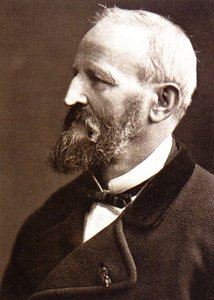
Карл Бодмер
1809 - 1893 , Швейцария
Бърза справка
- Artistic Movement Or Style: Романтизъм
- Artists Or Movements Influenced By This Artist: ['Клод Леблан']
- Artists Who Influenced This Artist: ['Жан-Аугуст-Доминик Дрейопол']
- Date Of Birth: 1809
- Date Of Death: 1893
- Full Name: Karl Bodmer
- Nationality: Швейцарец
- Notable Artworks:
- Пäсесик-Каскутау
- Остров Шванлау
- Place Of Birth: Цюрих, Швейцария