

 Преглед в реален мащаб
 Сподели
 Сподели
 Подробности
 Ръководство

 Изтегляне
 Подобни артикули
 Рентгенова снимка
 Слайдшоу
 Статистика
COMBAT DU SIG.1ER DECEMBRE 1835
 Разгърни целия текст
Жикле / Художествен принт
Giclée печат или принт върху платно с музейно качество, бързо производство и гъвкави опции за завършен вид. ( Поръчайте ръчно рисувано репродукция на този колекционерски предмет Превключване към дигитално изображение)




































Изберете от нашите предварително зададени размери, които съответстват на оригиналните пропорции на произведението.

Можете да въведете собствени размери, за да паснат на конкретна рамка или пространство. Ако избраният от Вас размер не съвпада с пропорциите на оригиналното изображение, ние ще изрежем произведението или ще разширим изображението с огледален или едноцветен ръб. Дигитален макет ще бъде изпратен за Ваше одобрение преди започването на производството.
Моля, имайте предвид, че предпрегледът на екрана не отразява реалното изрязване или разширяване. Само макетът ще покаже точно финалната композиция.
Въпреки че са налични персонализирани размери, препоръчваме да изберете размер от предварително дефинирания списък, за да запазите оригиналните пропорции.
Доставка по целия свят () в рамките на 2 седмици вместо стандартните 4/5 седмици. (26 Септември)

Безплатна експресна доставка по целия свят

Висококачествено ленено платно

Пълно застраховане на доставката

Гаранция за възстановяване на митнически такси

Гаранция за пълно съответствие на цветовете

Политика за връщане в рамките на 100 дни (само при дефекти)

100% Гаранция за връщане на сумата

Отстъпка при поръчка на повече произведения
 Опцията със стъкло е налична само за размери под 110 см

COMBAT DU SIG.1ER DECEMBRE 1835
Жикле / Художествен принт
Размер на репродукцията
-


Крайна цена
$ 80
Биография на художника
Joseph Beaume (1796–1885): A Master of Dramatic History
Joseph Beaume (1796–1885) stands as a significant figure in French Neoclassical painting, particularly renowned for his monumental historical canvases that powerfully conveyed emotion and grandeur. Born in Paris, Beaume’s artistic journey unfolded against the backdrop of Napoleon III's reign, shaping his oeuvre with themes of patriotism, familial devotion, and poignant depictions of human suffering—subjects favored by Antoine-Jean Gros, whose influence can be discerned in Beaume’s stylistic choices.- Early Life & Training: Little is known about Beaume’s formative years beyond confirmation that he studied under Jacques-Louis David, the celebrated sculptor and painter who championed Neoclassical ideals. This tutelage instilled in him a meticulous attention to detail and an unwavering commitment to classical principles of composition and execution.
- Salon Career & Artistic Style: Beaume achieved considerable acclaim during his lifetime through participation in the Parisian Salon exhibitions—a cornerstone of artistic discourse for decades. His canvases consistently showcased dramatic narratives, often centered on biblical or mythological subjects rendered with meticulous realism and bathed in atmospheric light. He skillfully employed chiaroscuro techniques to heighten emotional impact, mirroring Gros’s approach and elevating Beaume's works beyond mere visual representation.
Notable Works & Recurring Themes
Beaume’s artistic output is characterized by a preoccupation with emotionally charged scenes—particularly those depicting familial grief and devotion. “Les Derniers Moments du Grand Père” (1864), arguably his most celebrated painting, captures the heartbreaking farewell between a father and son as the patriarch succumbs to illness. The canvas exemplifies Beaume’s mastery of tonal gradation and anatomical accuracy, conveying profound pathos with understated elegance. Similarly, "Henri III À Son Lit De Mort" portrays King Henry III's final days, capturing the solemn dignity of death alongside palpable sorrow—a testament to Beaume’s ability to distill complex emotions into visual form.- “Les Derniers Moments du Grand Père” – Demonstrates masterful tonal rendering and anatomical precision, conveying deep emotional resonance.
- “Henri III À Son Lit De Mort” – Exemplifies regal solemnity alongside palpable grief, showcasing Beaume’s ability to capture psychological depth.
Influence & Legacy
Beaume's artistic sensibilities align closely with those of Gros, whose dramatic depictions of Napoleonic battles established a precedent for monumental historical painting. Like Gros, Beaume prioritized conveying moral and emotional truths over mere visual spectacle—a distinction that cemented his place within the broader canon of 19th-century art history. Although Beaume’s output remained relatively modest compared to some contemporaries, his paintings continue to resonate with viewers today due to their unwavering commitment to realism and their profound exploration of human experience. His works are housed in institutions like St Joseph Chapel in Hungary and Brodsky House Museum in Russia, ensuring that his artistic legacy persists across geographical boundaries.Further Exploration
For a deeper understanding of Beaume’s artistic contributions, consider examining “Joseph Highmore: Moral Tales & Domestic Genre in 18th-Century British Art” which explores the broader context of Rococo painting and its impact on European art movements. Also, delve into "Joseph Henry Sharp: Capturing the Spirit of the Plains – Life, Art & Legacy" to appreciate Beaume’s influence on American landscape painting and his engagement with themes of identity and cultural representation.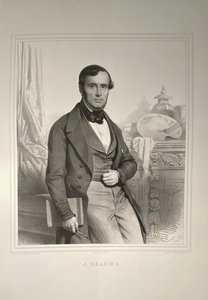
joseph beaume
1796 - 1885
Бързи факти
- Artistic Movement Or Style: Neoclassical
- Artists Or Movements Influenced By This Artist: ['Romanticism']
- Artists Who Influenced This Artist: ['Antoine-Jean Gros']
- Date Of Death: 1885
- Full Name: Joseph Beaume
- Nationality: French
- Notable Artworks:
- Les Derniers Moments du grand père
- HENRI III A SON LIT DE MORT
- Place Of Birth: France