
 Представи си го
 Изпрати
 Сподели
 Детайли

 Изтегляне
 Подобни
 Рентгенова снимка
 Слайдшоу
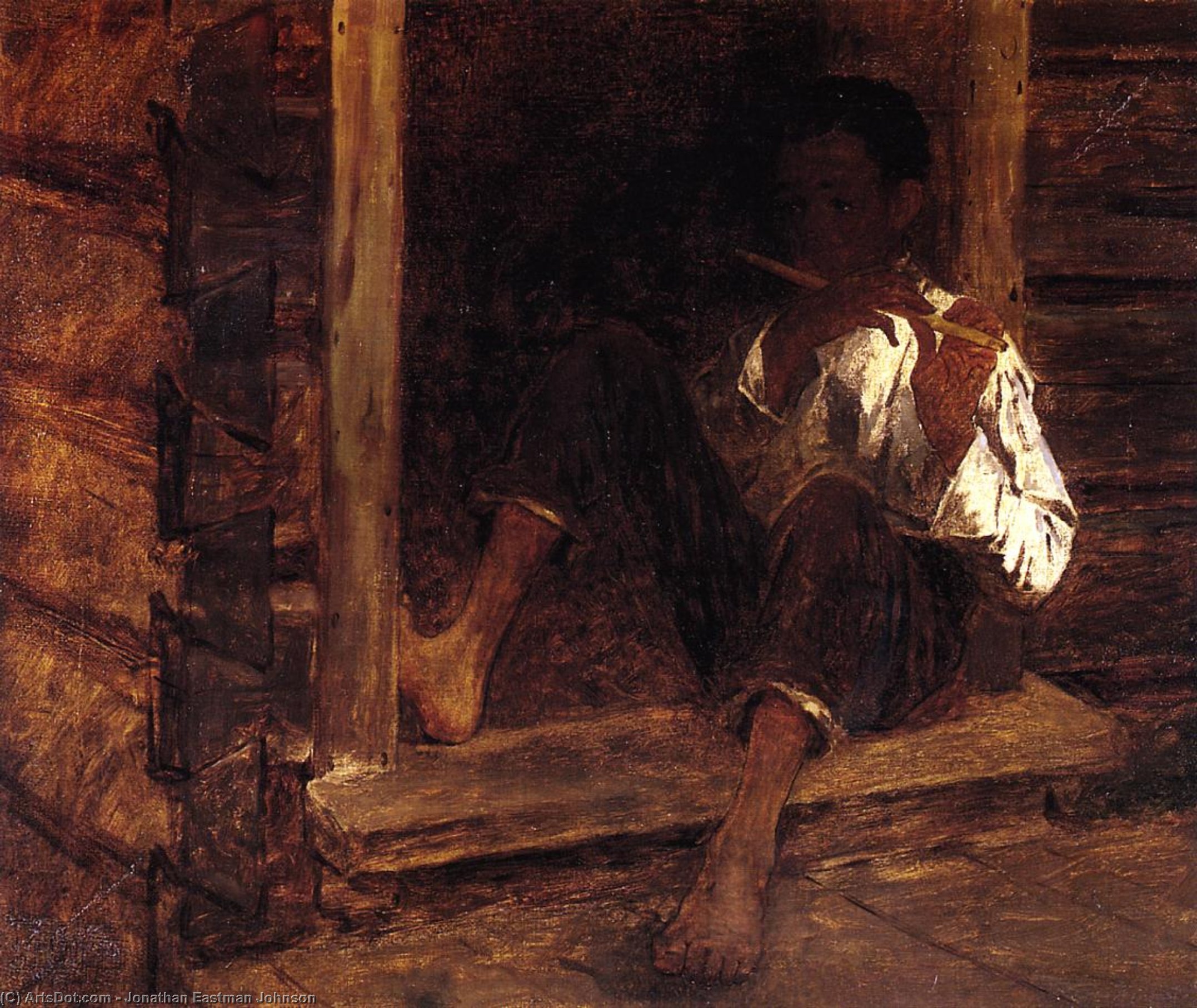
Negro Boy


 Прочетете повече
Жикле / Художествен принт
Giclée печат или принт върху платно с музейно качество, бързо производство и гъвкави опции за завършен вид. ( Превключване към ръчно рисувана картина Превключване към изображение)




































Изберете от предварително зададените размери, които съответстват на оригиналните пропорции на произведението.

Можете да въведете собствени размери, за да паснат на конкретна рамка или пространство. Ако избраният от Вас размер не съвпада с пропорциите на оригиналното изображение, ние ще изрежем произведението или ще разширим изображението с огледален или едноцветен ръб. Дигитален макет ще бъде изпратен за Ваше одобрение преди започването на производството.
Моля, имайте предвид, че предпрегледът на екрана не отразява реалното изрязване или разширяване. Само макетът ще покаже точно финалната композиция.
Въпреки че са налични персонализирани размери, препоръчваме да изберете размер от предварително дефинирания списък, за да запазите оригиналните пропорции.
Доставка по целия свят () в рамките на 2 седмици вместо стандартните 4/5 седмици. (10 Август)

Безплатна експресна доставка по целия свят

Висококачествено ленено платно

Пълно застраховане при доставка

Гаранция за възстановяване на митнически такси

Гаранция за цветова точност

60-Дневен период за връщане (Само при дефекти)

100% Гаранция за връщане на парите

Предложение за отстъпка при поръчка на едро
 Стъклото е налично само в размери под 110 см

Negro Boy
Жикле / Художествен принт
Размер на репродукцията
-


Обща цена
$ 80
Описание на колекционерския предмет
Artist Background
Jonathan Eastman Johnson was an American artist known for his portraits and genre paintings. His work often featured everyday people and scenes, which gave insight into the lives of ordinary Americans during the 19th century. The "Negro Boy" painting is a prime example of Johnson's ability to capture the essence of his subjects.Painting Description
The painting depicts a young boy sitting on the ground in front of a cabin, playing with a pipe or flute. The boy's clothing and surroundings suggest a rural or rustic setting. The use of oil on canvas allows for a level of detail and texture that brings the scene to life. The painting is available for viewing on OriginalUniqueArt.com, where art enthusiasts can appreciate its beauty and significance.Similar Works
Other notable paintings that explore themes of everyday life and social commentary include "Jane Jackson, Formerly a Slave" by Elihu Vedder, available on OriginalUniqueArt.com. These works demonstrate the importance of art in capturing and conveying the human experience.For those interested in learning more about Jonathan Eastman Johnson and his work, OriginalUniqueArt.com provides a wealth of information and resources. The website also features a range of handmade oil painting reproductions, including works by Johnson and other notable artists.
- Oil on canvas paintings like "Negro Boy" are highly prized for their beauty and historical significance.
- The National Academy of Design is a renowned institution that showcases American art and artists.
- Sorø Kunstmuseum, Denmark is another notable museum that features an impressive collection of art.
The "Negro Boy" painting by Jonathan Eastman Johnson is a testament to the power of art to capture and convey the human experience. Through its beautiful execution and thought-provoking subject matter, this painting continues to inspire and educate audiences today.
Биография на художника
A Life Etched in American Realism
Jonathan Eastman Johnson, a name that resonates with the quiet dignity of 19th-century American life, was far more than simply a painter; he served as a visual chronicler of his era. Born in Lovell, Maine, in 1824, his artistic journey wasn’t one of immediate acclaim but rather a gradual unfolding shaped by familial connections, rigorous training, and an unwavering dedication to portraying the world with honesty, nuance, and a touch of melancholic beauty. His father, Philip Carrigan Johnson, held positions in business and fraternal organizations, instilling in young Eastman a deep sense of community engagement – a value that would profoundly influence his artistic subjects. Early experiences in Fryeburg and Augusta, Maine, provided the foundational bedrock for his understanding of everyday existence, an understanding he meticulously translated onto canvas with remarkable sensitivity. His formal training began as an apprenticeship with a Boston lithographer in 1840, marking the initial step on a career defined by meticulous observation and technical skill. A move to Washington D.C. alongside his family, prompted by his father’s naval appointment, broadened his horizons considerably, exposing him to diverse subjects and experiences that subtly shaped his artistic vision.From Dutch Masters to American Scenes
Johnson's artistic development was a fascinating interplay of influences. Initially drawn to portraiture, he swiftly expanded his repertoire to encompass genre painting – scenes depicting the vibrant tapestry of everyday life in America. This wasn’t merely about representation; it was about capturing the *essence* of American society, offering glimpses into the lives of ordinary people often overlooked by grander historical narratives. A pivotal moment arrived during the 1850s when Johnson embarked on a journey to The Hague and immersed himself completely in the works of 17th-century Dutch masters. This encounter proved transformative. He absorbed their mastery of composition, lighting, and realism with an almost reverent intensity, earning him the affectionate moniker “The American Rembrandt.” This influence is palpably evident in his paintings – a subdued palette, dramatic chiaroscuro (the use of strong contrasts between light and dark), and an almost photographic attention to detail characterize his mature style. However, Johnson didn’t simply imitate; he skillfully synthesized these European techniques with his uniquely American sensibility, creating works that were both technically brilliant and deeply rooted in the social fabric of his time. He aligned himself firmly with the burgeoning Realist movement, rejecting idealized representations in favor of accurate depictions of everyday life – a commitment that would define his artistic legacy for decades to come.Bearing Witness to an Era
Johnson’s oeuvre is remarkably diverse, encompassing portraits of prominent figures like Abraham Lincoln, Nathaniel Hawthorne, Ralph Waldo Emerson, and Henry Wadsworth Longfellow alongside intimate scenes of domesticity and rural life. Yet, certain works stand out as particularly significant for their social commentary and artistic innovation. *Negro Life at the South* (1859) remains one of his most celebrated – and controversial – paintings. Depicting African Americans enjoying leisure time in a carefully constructed tableau, it sparked intense debate regarding race relations and the realities of slavery in the antebellum South. The ambiguity inherent in the scene—was it a romanticized portrayal or a subtle critique?—fueled discussions that resonated far beyond the art world. His response to the Civil War was equally poignant. Rather than focusing on battlefield heroics, Johnson turned his attention to the impact of conflict on civilian life, creating haunting images of anxious families and scenes away from the front lines. *Ride For Liberty* (1862), depicting an enslaved family courageously escaping to freedom amidst the chaos of the war, is a powerful testament to his commitment to social justice. Furthermore, Johnson’s depictions of New England rural life – the rhythmic movements of maple sugar harvesting, the vibrant colors of cranberry picking – celebrated traditional American values and craftsmanship with a quiet reverence, capturing a sense of timelessness and connection to the land.A Legacy Beyond the Canvas
Beyond his artistic achievements, Jonathan Eastman Johnson played a crucial role in shaping the American art landscape. His dedication to genre painting elevated it as a respected form of artistic expression, challenging prevailing notions of what constituted “high art.” He wasn’t merely an artist; he was a cultural advocate, actively promoting and supporting the development of American art. His commitment extended beyond his own practice, culminating in his co-founding of the Metropolitan Museum of Art in New York City – a testament to his belief in the power of art to educate and inspire. His name is inscribed at its entrance, a permanent recognition of his significant contribution to the nation’s artistic heritage. Johnson's influence on American Realism is undeniable; his dedication to depicting everyday life with honesty and detail paved the way for future generations of artists who sought to capture the complexities of the human experience. He died in New York City in 1906, leaving behind a body of work that continues to captivate and inspire, ensuring his enduring recognition as a significant figure in American art history.Enduring Significance
Johnson’s legacy extends far beyond specific paintings or institutional contributions. He was a pioneer in bridging the gap between European artistic traditions and uniquely American subject matter. His ability to imbue ordinary scenes with profound meaning, his willingness to engage with complex social issues, and his unwavering commitment to realism cemented his place as a pivotal figure in 19th-century American art. He wasn’t simply recording life; he was interpreting it, prompting viewers to reflect on their own values and beliefs. His work serves as a powerful reminder that true artistry lies not just in technical skill but also in the ability to connect with the human spirit and illuminate the world around us.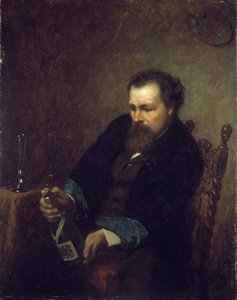
Jonathan Eastman Johnson
1824 - 1906 , Великобритания
Бързи факти
- Artistic Movement Or Style: Реализъм, Жанров
- Artists Or Movements Influenced By This Artist: ['Американски реализъм']
- Artists Who Influenced This Artist:
- Художници от Холандия
- Джон Франсиз Милет
- Date Of Birth: 29 юли 1824
- Date Of Death: 5 април 1906
- Full Name: Jonathan Eastman Johnson
- Nationality: Американски
- Notable Artworks:
- Negro Life at the South
- Ride For Liberty
- Place Of Birth: Ловел, Великобритания
Всички статии

Grant Wood & American Regionalism: Identity, Myth & the Rural Landscape
Explore the world of Grant Wood & American Regionalism with OriginalUniqueArt. Discover the symbolism behind 'American Gothic', recurring themes, and the movement's lasting impact on art history. High-quality reproductions available.

Топ 10 шедьоври на Американския реализъм: Изкуство за вашия дом от OriginalUniqueArt
Разгледайте топ 10 шедьоври на Американския реализъм – Хопър, Едуард Хомър и други. Открийте историите зад картините, техниките и емоциите им. Купете висококачествени репродукции за вашия дом в OriginalUniqueArt.com!

Топ 10 произведения на изкуството за игриво настроение | OriginalUniqueArt.com
Открийте 10 шедьовъра на изкуството, изпълнени с игривост и радост! Ренуар, Моне, Матис и други велики художници. Вдъхновете се за декорацията на дома си с OriginalUniqueArt.com – репродукции на картини с музейно качество.

American Regionalism: The Soul of the Heartland and the Mastery of Grant Wood
Explore the profound history of American Regionalism. Discover how Grant Wood captured the heart of the Midwest through masterpieces like American Gothic. An expert guide to the movement, its cultural impact, and the enduring beauty of American Realism.
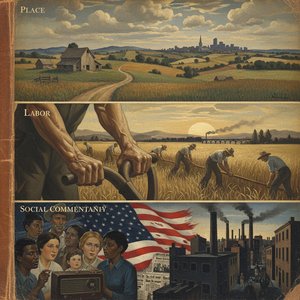
American Regionalism: A Crucible of Identity – Exploring Themes of Place, Labor & Social Commentary
Explore American Regionalism's powerful depiction of the American heartland during the Great Depression. Discover Grant Wood, Thomas Hart Benton & more. Expert analysis & high-quality art reproductions at OriginalUniqueArt.

