
 Преглед в реален мащаб
 Изпрати
 Сподели
 Детайли
 Ръководство

 Изтегляне
 Подобни артикули
 Рентгенова снимка
 Слайдшоу
 Статистика
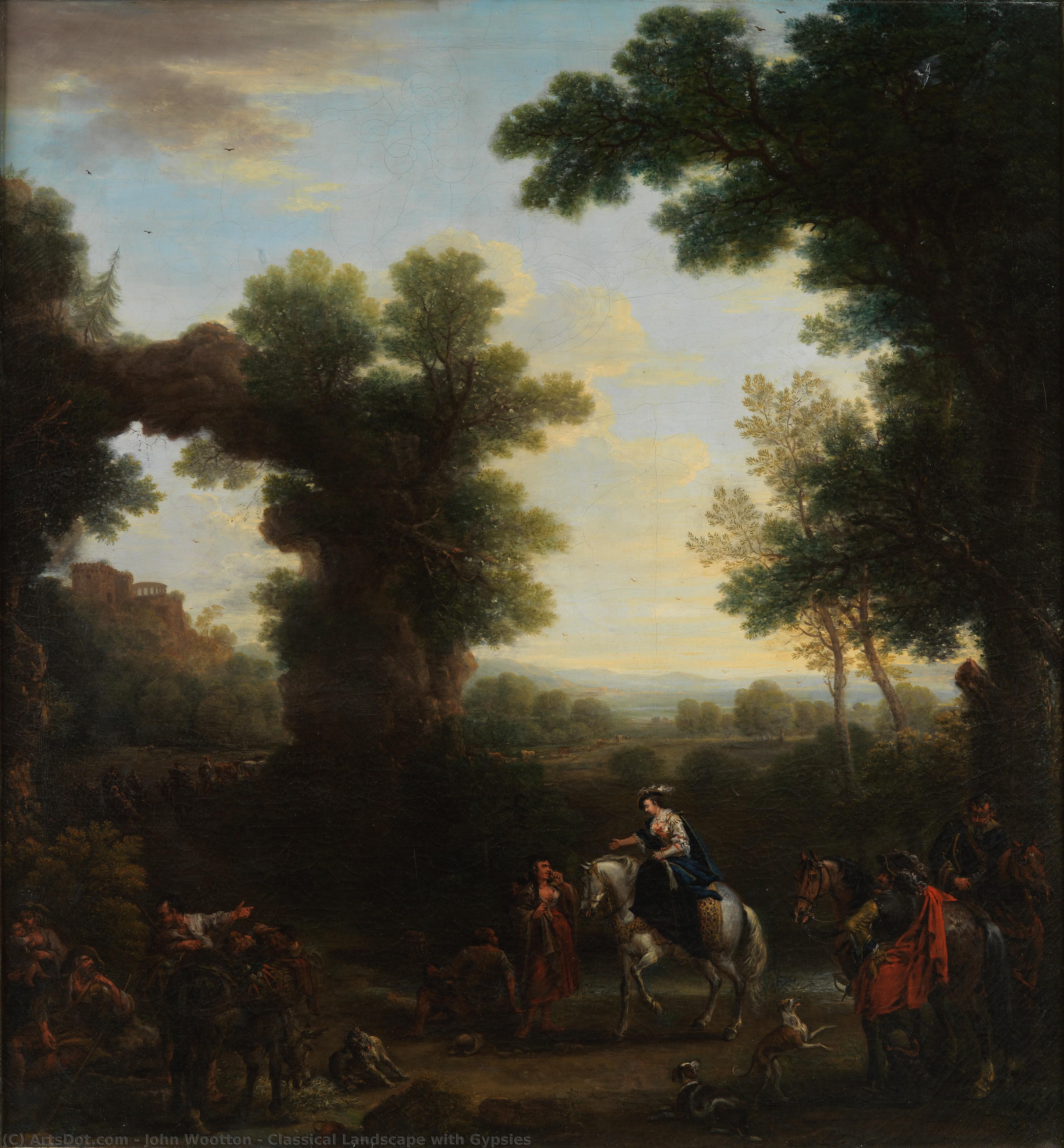
Classical Landscape with Gypsies
 Oil On Canvas
- WallArt
- Baroque Landscape Painting
 1748
1748- Early Modern
 140.0 x 131.0 cm
 Метрополитън Музей на изкуствата
 Прочети повече
Жикле / Художествен принт
Giclée печат или принт върху платно с музейно качество, бързо производство и гъвкави опции за завършен вид. ( Купете ръчно рисувана картина Превключване към дигитално изображение)




P118B €10

P118H €10

P118W €10

P438Z €10

P508JH €12

P508YH €12

P805H €10

P805Z €10

P919BZ €10

P919G €10

P919XJ €10

P959ZH €10

P968JZ €12

W106C €8

W218G €10

W218JH €8

W218Y €10

W307PJ €10

W316G €10

W316PJ €8

W316Y €10

W398PJ €8

W4111J €10

W500HY €15

W500JH €15

W692G €12

W849H €8

W940BG €15

W953PJ €8




Изберете от нашите предварително зададени размери, които съответстват на оригиналните пропорции на произведението.

Въведете необходимата ширина и височина, за да паснат на вашата рамка или стена. Принтовете могат само да се изрязват, но никога не могат да бъдат по-големи от оригиналната картина, така че при размер с различен формат част от изображението ще бъде загубена. Преди да започнем печат, ще ви изпратим дигитален мок업 за одобрение. Изображението, показано на тази страница, не показва реалното изрязване — само мок업ът го показва.
Доставка по целия свят () в рамките на 2 седмици вместо стандартните 4/5 седмици. (28 Октомври)

Безплатна експресна доставка по целия свят

Висококачествено ленено платно

Пълно застраховане на доставката

Гаранция за възстановяване на митнически такси

Гаранция за пълно съответствие на цветовете

Политика за връщане в рамките на 100 дни (само при дефекти)

100% Гаранция за връщане на сумата

Оферта за отстъпка при поръчка на повече бройки
 Опцията със стъкло е налична само за размери под 110 см

Classical Landscape with Gypsies
Жикле / Художествен принт
Размер на репродукцията
-


Обща цена
€ 70
A Pastoral Symphony: The Enchantment of Wootton’s Landscape
In the grand tapestry of eighteenth-century British art, few works capture the harmonious tension between aristocratic refinement and the untamed spirit of nature as gracefully as John Wootton’s "Classical Landscape with Gypsies." Executed in 1748, this monumental canvas serves as a breathtaking window into the Regency era's profound fascination with pastoral beauty. The scene unfolds not merely as a static depiction of countryside, but as a meticulously choreographed tableau where the rolling hills and muted greens of the English landscape provide a stage for a lively human narrative. As one gazes upon the composition, there is an immediate sense of entering a world where time slows down, inviting the viewer to wander through the atmospheric perspective and tonal gradations that Wootton mastered so exquisitely under the tutelage of Jan Wyck.
The painting’s subject matter strikes a delicate balance between the idyllic and the itinerant. At its heart, a gathering of gypsies moves through the landscape, their presence introducing a layer of nomadic vitality to the otherwise serene setting. This juxtaposition—the transient life of the travelers set against the permanent, stately backdrop of the countryside—was a hallmark of the era's artistic curiosity. The inclusion of horses, rendered with Wootton’s signature precision, further elevates the narrative; these noble creatures are not merely animals within the frame but symbols of status, freedom, and the deep-seated connection between the landed gentry and the natural world. For the discerning collector or interior designer, this piece offers a profound sense of movement and life, making it an ideal centerpiece for spaces that require a touch of historical grandeur and organic warmth.
Mastery of Brush and Light: The Technical Brilliance
To appreciate "Classical Landscape with Gypsies" is to witness the technical prowess of a pioneer of sporting art. Wootton’s technique eschews the rigid, clinical precision often found in academic painting of his time, opting instead for loose, expressive brushstrokes that imbue the canvas with palpable emotion and dynamism. One can almost feel the breeze moving through the scattered trees and sense the heat radiating from the sun-drenched hills. His ability to manipulate light and shadow creates a sense of depth that draws the eye inward, leading the viewer from the detailed interactions in the foreground—where figures converse and tend to their mounts—toward the hazy, distant horizons.
The color palette is a masterclass in subtlety, utilizing earthy browns, soft ochres, and deep forest greens to evoke a sense of timelessness. This restrained use of color ensures that the painting does not overwhelm a room but rather complements it, providing a sophisticated foundation for luxury decor. For those seeking to integrate fine art into a contemporary or classical interior, a high-quality reproduction of this work offers more than just decoration; it provides an infusion of historical soul. The way Wootton captures the texture of animal coats, the softness of the foliage, and the very atmosphere of the English afternoon makes this painting an enduring masterpiece that continues to inspire awe and tranquility in all who behold it.
Въпроси и отговори
Кой е художникът зад "Classical Landscape with Gypsies"?
Художникът зад "Classical Landscape with Gypsies" е Джон Уотъун. Произведението е каталогизирано под името на Джон Уотъун.
По-скоро светла или по-скоро тъмна е „Classical Landscape with Gypsies“ като цяло?
Записаните стойности за „Classical Landscape with Gypsies“ на Джон Уотъун са: яркост deep_shadow, луминанс Soft Shadow.
Как се свързва сюжетът на „Classical Landscape with Gypsies“ с типичните за Джон Уотъун теми?
Сред утвърдените теми на Джон Уотъун – beaufort family patronage, equestrian tradition, aristocratic landscape, baroque style, decorative art – „Classical Landscape with Gypsies“ привнося собствен фокус върху landscape, gypsies, equestrian art, aristocracy, pastoral scene, classical painting, british art, seventeenth century.
Биография на художника
A Pioneer of Sporting Art: The Life and Legacy of John Wootton
John Wootton, born around 1686 in the quaint Warwickshire village of Snitterfield, near Stratford-upon-Avon, emerged as a pivotal figure in the development of British sporting art. While precise details of his early life remain somewhat elusive, it is believed he entered the service of the esteemed Beaufort family at a young age, an experience that likely fostered his deep connection to equestrian pursuits and the aristocratic world surrounding them. His artistic journey began with formal training under Jan Wyck during the 1690s, where he honed fundamental skills in draftsmanship and painting techniques – a foundation upon which he would build a remarkably successful career. Even in these early years, Wootton demonstrated an innate talent for capturing the essence of horses, as evidenced by his earliest known work, “Bonny Black” (1711), a piece that foreshadowed his future mastery of equine portraiture.Early Life and Artistic Training
Little is known about Wootton’s formative years beyond his birthplace and familial connections. However, records indicate he received instruction from Jan Wyck, a Flemish painter renowned for his meticulous realism and masterful use of light and shadow – an influence that would permeate Wootton's artistic sensibilities throughout his career. This early exposure to Wyck’s techniques instilled in him a disciplined approach to observation and representation, shaping his subsequent stylistic choices. It was during this period that Wootton began to develop his distinctive style, characterized by exceptional detail and a profound understanding of equine anatomy.Establishing a Reputation: Newmarket and Patronage
By 1706, Wootton had firmly established himself in London, quickly gaining recognition for his depictions of horses, particularly those gracing the racing scene at Newmarket – Britain’s premier equestrian center. He wasn't merely documenting these animals; he was capturing their spirit, their power, and their individual character with an unprecedented level of detail and sensitivity. This specialization brought him into close contact with Britain’s elite – a patronage that included figures like George II and Frederick, Prince of Wales. Wootton actively engaged with the artistic community, subscribing to the first English Academy of Painting and Drawing in 1711 and later serving as a steward of the Virtuosi Club of St Luke’s by 1717, demonstrating his commitment to fostering artistic discourse and collaboration.Innovating Landscape Style: The Influence of Gaspard Dughet
Wootton's contribution extended beyond simply painting horses. He was a key figure in introducing what became known as the “ideal landscape” to British art – a style heavily influenced by artists like Gaspard Dughet (also known as Gaspar van Wittel). By incorporating classical elements into his landscapes, he offered a refreshing alternative to the prevailing Dutch and Flemish styles, laying the groundwork for future generations of British landscape painters. Wootton’s meticulous attention to perspective, composition, and atmospheric effects elevated landscape painting beyond mere decorative representation, transforming it into a vehicle for conveying emotion and intellectual contemplation.Major Works and Legacy
Wootton's oeuvre encompasses a vast array of subjects – battle scenes, equestrian portraits, hunting landscapes—each imbued with remarkable precision and expressive power. Notable masterpieces include “Bonny Black” (1711), “Before the hunt,” and “The Bloody-Shouldered Arabian,” which exemplify his unparalleled skill in capturing equine likenesses and conveying movement and dynamism. His landscapes, such as “Viscount Weymouth’s Hunt,” demonstrate a masterful command of artistic technique and contribute to the enduring fascination with Wootton's work. He bridged the gap between earlier traditions and the emerging styles that would define 18th-century British art. Today, Wootton’s works are held in prestigious collections worldwide – including the Tate Gallery (London), the Virginia Museum of Fine Arts (Richmond), and the Yale Center for British Art – ensuring his legacy continues to be appreciated by art enthusiasts. He stands as a testament to the power of observation, innovation, and the enduring appeal of capturing the beauty and dynamism of both the natural world and the aristocratic pursuits that defined his era.
Джон Уотъун
1682 - 1764 , Великобритания
Бърза информация
- Artistic Movement Or Style: Sporting art, Landscape
- Artists Or Movements Influenced By This Artist: ['Thomas Gainsborough']
- Artists Who Influenced This Artist:
- Jan Wyck
- Gaspard Dughet
- Date Of Birth: c. 1686
- Date Of Death: 1764
- Full Name: John Wootton
- Nationality: British
- Notable Artworks:
- Bonny Black
- Before the hunt
- The Bloody-Shouldered Arabian
- Place Of Birth: Snitterfield, UK
Свързани статии

Джон Сингър Сарджент: 25 шедьовъра за вашия дом | OriginalUniqueArt.com
Разгледайте 25 шедьовъра на Джон Сингър Сарджент – импресионистични портрети, елегантни дами и исторически сцени. Вдъхновете се за вашия дом! Луксозни репродукции на картини в OriginalUniqueArt.com.

Топ 10 шедьоври на Неокласицизма: Изкуство за вашия дом от OriginalUniqueArt.com
Разгледайте 10 шедьовъра на Неокласицизма с Давид, Енгр и Канова! Открийте историите зад класическите картини и скулптури. Вдъхновете се за интериорния дизайн с OriginalUniqueArt.com – репродукции с музейно качество.
John Frederick Herring Sr.: Equestrian Mastery & the Rise of Sporting Art in Victorian England
Explore the life & work of John Frederick Herring Sr., a leading Victorian equestrian artist. Discover his masterpieces, patronage, techniques & investment potential. Expert insights for collectors.

Топ 25 шедьовъра на Джон Констабъл: Английски пейзажи за вашия дом | OriginalUniqueArt.com
Открийте топ 25 шедьовъра на Джон Констабъл – английски пейзажи, романтизъм и красотата на природата. Репродукции с музейно качество за вашия дом! Разгледайте пълната колекция онлайн на OriginalUniqueArt.com.
Sr. John E. Ferneley: Equestrian Portraiture & England's Social Fabric
Explore the captivating world of Sr. John E. Ferneley, a master of British sporting art. Discover his exquisite equestrian paintings & insights into 19th-century society. Invest in timeless masterpieces with OriginalUniqueArt.
