Преглед в реален мащаб
 Изпрати
 Сподели
 Детайли
 Ръководство

 Изтегляне
 Подобни артикули
 Рентгенова снимка
 Слайдшоу
 Въпроси и отговори
 Статистика
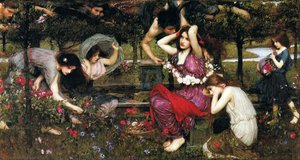
A Mermaid

- 96.0 x 66.0 cm


 Прочети повече
Жикле / Художествен принт
Giclée печат или принт върху платно с музейно качество, бързо производство и гъвкави опции за завършен вид. ( Купете ръчно рисувана картина Превключване към дигитално изображение)




P118B €10

P118H €10

P118W €10

P438Z €10

P508JH €12

P508YH €12

P805H €10

P805Z €10

P919BZ €10

P919G €10

P919XJ €10

P959ZH €10

P968JZ €12

W106C €8

W218G €10

W218JH €8

W218Y €10

W307PJ €10

W316G €10

W316PJ €8

W316Y €10

W398PJ €8

W4111J €10

W500HY €15

W500JH €15

W692G €12

W849H €8

W940BG €15

W953PJ €8




Изберете от нашите предварително зададени размери, които съответстват на оригиналните пропорции на произведението.

Въведете необходимата ширина и височина, за да паснат на вашата рамка или стена. Принтовете могат само да се изрязват, но никога не могат да бъдат по-големи от оригиналната картина, така че при размер с различен формат част от изображението ще бъде загубена. Преди да започнем печат, ще ви изпратим дигитален мок업 за одобрение. Изображението, показано на тази страница, не показва реалното изрязване — само мок업ът го показва.
Доставка по целия свят () в рамките на 2 седмици вместо стандартните 4/5 седмици. (10 Ноември)

Безплатна експресна доставка по целия свят

Висококачествено ленено платно

Пълно застраховане на доставката

Гаранция за възстановяване на митнически такси

Гаранция за пълно съответствие на цветовете

Политика за връщане в рамките на 100 дни (само при дефекти)

100% Гаранция за връщане на сумата

Оферта за отстъпка при поръчка на повече бройки
 Опцията със стъкло е налична само за размери под 110 см

A Mermaid
Жикле / Художествен принт
Размер на репродукцията
-


Обща цена
€ 73
A Mermaid by John William Waterhouse: An Ode to Myth and Tranquility
John William Waterhouse’s “A Mermaid,” painted in 1900, is more than just a depiction of a fantastical creature; it's an immersion into a world of dreamlike beauty and profound symbolism. This captivating work, housed at the Royal Academy of Arts, exemplifies Waterhouse’s mastery of Pre-Raphaelite aesthetics – a style characterized by meticulous detail, vibrant color palettes, and a deep engagement with mythology and folklore. The painting immediately draws the viewer in with its serene composition: a mermaid, poised on weathered rocks overlooking a tranquil ocean, lost in contemplation.
- Subject Matter: The central figure of the mermaid embodies timeless themes of allure, mystery, and connection to nature.
- Composition: Waterhouse skillfully employs a pyramidal composition, directing the eye towards the mermaid’s face and emphasizing her isolation within the vastness of the sea.
- Color Palette: The artist utilizes rich, saturated hues – deep blues and greens for the water, warm browns and ochres for the rocks – to evoke a sense of depth and atmosphere.
The Symbolism of Beauty and Reflection
More than simply a beautiful image, “A Mermaid” is laden with symbolic meaning. The mermaid herself represents the untamed power of nature, a creature both alluring and potentially dangerous. Her act of combing her hair can be interpreted as a gesture of self-reflection – a moment of quiet introspection amidst the chaos of the world. The bowl nearby adds another layer to this symbolism; it could represent sustenance, nourishment, or perhaps even a longing for connection. Waterhouse’s meticulous attention to detail—the delicate strands of the mermaid's hair, the texture of the rocks—further enhances the painting’s sense of realism and invites viewers to lose themselves in its details.
A Masterclass in Pre-Raphaelite Technique
Waterhouse was a key figure in the Pre-Raphaelite movement, known for his painstaking technique and dedication to recreating the beauty he saw in classical art and nature. “A Mermaid” showcases this skill perfectly. The artist’s brushwork is remarkably smooth and controlled, creating an illusion of depth and texture that draws the viewer into the scene. The use of sfumato – a subtle blurring of edges – adds to the painting's ethereal quality, contributing to its dreamlike atmosphere. This meticulous approach reflects Waterhouse’s deep understanding of artistic principles and his commitment to producing works of lasting beauty.
Historical Context and Artistic Influence
Painted in 1900, “A Mermaid” represents a culmination of Waterhouse's artistic development, influenced by both the Pre-Raphaelite Brotherhood and the burgeoning Symbolist movement. The Symbolists, like Waterhouse, sought to evoke emotion and ideas through imagery rather than literal representation, exploring themes of mythology, dreams, and the subconscious. This painting stands as a testament to Waterhouse’s ability to synthesize these diverse influences into a uniquely captivating work of art. Its legacy continues to inspire artists and collectors alike, solidifying its place as a cornerstone of Victorian romanticism.
Въпроси и отговори
От коя епоха датира "A Mermaid"?
"A Mermaid" принадлежи към епохата на 19th Century.
Кой е авторът на "A Mermaid" и към кое художествено направление принадлежи?
"A Mermaid" е създадена от Йоан Уилям Уудхаус в стила на Pre-Raphaelite Symbolism. Художникът и художественото направление определят традицията на произведението.
Какъв е препоръчителният размер за печат на "A Mermaid"?
Препоръчителният размер за печат на „A Mermaid“ на Йоан Уилям Уудхаус е Large.
Биография на художника
A Roman Beginning: The Early Life and Influences of John William Waterhouse
John William Waterhouse, a name synonymous with the romantic allure of Pre-Raphaelite painting, began his artistic journey far from the fog-laden landscapes often associated with the movement. Born in Rome in 1849 to English parents, his earliest years were steeped in the classical beauty of Italy – an environment that would profoundly shape his aesthetic sensibilities. This formative period instilled within him a deep appreciation for ancient Roman art and mythology, themes that would recur throughout his prolific career. The Waterhouse family returned to England in 1854, settling in South Kensington, London, a location strategically chosen for its proximity to the burgeoning Victoria and Albert Museum. Here, young John was exposed to an unparalleled collection of classical sculpture and decorative arts, further nurturing his fascination with antiquity. His initial training was conventional, encompassing studies at the Royal Academy Schools, where he honed his technical skills in drawing and painting, but it was the atmosphere of intellectual curiosity and artistic innovation that truly ignited his passion. Even early works reveal a meticulous attention to detail and a commitment to historical accuracy, qualities that would become hallmarks of his style.Embracing the Pre-Raphaelite Brotherhood
While Waterhouse’s initial work displayed classical leanings reminiscent of artists like Alma-Tadema and Frederic Leighton, he gradually gravitated towards the ideals of the Pre-Raphaelite Brotherhood. This artistic collective, founded in 1848, championed a return to the detailed observation of nature and the vibrant colors found in early Italian Renaissance art – before what they perceived as the stylistic decline initiated by Raphael. Waterhouse didn’t join the brotherhood itself, but he wholeheartedly embraced its principles, infusing his paintings with a lyrical beauty and emotional depth that resonated deeply with audiences. His 1874 painting, *Sleep and his Half-Brother Death*, exhibited at the Royal Academy, marked a turning point, demonstrating his growing mastery of symbolic narrative and atmospheric effects. This success paved the way for consistent inclusion in the annual exhibitions, establishing him as a rising star within the London art scene. He wasn’t merely replicating Pre-Raphaelite techniques; he was interpreting them through his own unique lens, blending classical precision with romantic sensibility.Mythological Visions and Arthurian Echoes
Waterhouse's most celebrated works are those that draw inspiration from mythology and Arthurian legend. He possessed a remarkable ability to breathe life into ancient stories, portraying goddesses, nymphs, and tragic heroines with an exquisite blend of beauty and pathos. *The Lady of Shalott*, perhaps his most iconic painting, exists in three versions (1888, 1894, and 1916), each a testament to his enduring fascination with Tennyson’s poem. The image of the doomed lady, adrift on her river barge, became emblematic of Victorian romanticism and the plight of artistic isolation. Similarly, his depictions of Ophelia, capturing the moment before her tragic demise, are imbued with a haunting melancholy. He didn't simply illustrate these tales; he explored their psychological depths, focusing on the emotional states of his subjects. *Hylas and the Nymphs*, *Ariadne*, and *Penelope and the Suitors* are further examples of his ability to transform classical narratives into visually stunning and emotionally resonant works of art. His paintings weren’t just beautiful; they were imbued with a sense of narrative power, inviting viewers to contemplate the complexities of human experience.Technique and Style
Waterhouse's distinctive style was characterized by several key elements. He meticulously researched historical costumes and settings, striving for an unparalleled level of accuracy in his depictions. His use of color was particularly noteworthy – he favored rich, luminous hues, often employing glazing techniques to create a sense of depth and atmosphere. Unlike some of the more overtly detailed Pre-Raphaelites, Waterhouse’s brushwork tended to be smoother and less immediately visible, contributing to the paintings' overall elegance and refinement. He frequently worked on a large scale, creating monumental compositions that commanded attention. His ability to seamlessly blend classical influences with Romantic sensibilities resulted in works that were both intellectually stimulating and emotionally captivating.Legacy and Lasting Influence
John William Waterhouse continued to paint prolifically until his death in 1917, achieving widespread recognition and acclaim during his lifetime. He was elected a full Academician in 1895 and dedicated time to teaching at the St. John’s Wood Art School, nurturing the next generation of artists. While his popularity waned somewhat after World War I, there has been a significant resurgence of interest in his work in recent decades. Today, Waterhouse is celebrated as one of the most important figures of the Pre-Raphaelite movement and a master of Victorian painting. His paintings continue to captivate audiences with their exquisite beauty, emotional depth, and timeless appeal. He left behind a legacy of romantic visions, mythological interpretations, and tragic heroines that continue to inspire artists and art lovers alike. The enduring power of his work lies in its ability to transport viewers to another world – a realm of myth, legend, and profound human emotion.
Йоан Уилям Уудхаус
1849 - 1917 , Италия
Бърза информация
- Artistic Movement Or Style: Прерафаелити, Викториански
- Artists Or Movements Influenced By This Artist: ['Импресионизъм']
- Artists Who Influenced This Artist:
- Алма-Тадема
- Фредерик Лийтон
- Date Of Birth: 1849
- Date Of Death: 1917
- Full Name: John William Waterhouse
- Nationality: Английски
- Notable Artworks:
- Леди Шаллот
- Офелия
- Хилас и нимфата
- Place Of Birth: Рим, Италия
Свързани статии

The Pre-Raphaelite Brotherhood: Rediscovering Beauty, Romance, and Medieval Magic in Victorian Art
Embark on a journey through the Pre-Raphaelite Brotherhood. Discover the romantic symbolism, medieval magic, and radical beauty of Rossetti and Burne-Jones in this expert exploration of Victorian art history.

The Pre-Raphaelite Revolution: A Symphony of Vivid Color and Romantic Grandeur
Delve into the breathtaking Pre-Raphaelite Revolution. Explore the vivid colors, intricate details, and romantic symbolism of masters like Rossetti and Millais in this authoritative journey through 19th-century art history for true enthusiasts.

Arthur Hughes: Pre-Raphaelite Visions of Beauty & Melancholy
Explore the captivating world of Arthur Hughes (1832-1915), a leading Pre-Raphaelite painter. Discover his dreamy landscapes, poetic narratives & iconic Victorian artworks. Learn about his life, style & collecting today.

John William Waterhouse: Pre-Raphaelite Mythmaker & Poetic Depictions of Female Identity
Explore the captivating world of John William Waterhouse, a master of Pre-Raphaelite painting. Discover his iconic depictions of mythology and female identity in this expert guide.

Топ 25 шедьовъра на Данте Габриел Росети: Изкуство, символизъм и красота за вашия дом
Открийте 25 шедьовъра на Данте Габриел Росети! Потопете се в света на прерафаелитизма, символизма и викторианската красота. Висококачествени репродукции за вашия дом – купете картини онлайн на OriginalUniqueArt.com.