

 Представи си го
 Изпрати
 Сподели
 Детайли

 Изтегляне
 Подобни
 Рентгенова снимка
 Слайдшоу
Venetian Bead Stringers


 Прочетете повече
Ръчно изработена маслена репродукция
Ръчно рисувана маслена картина върху платно във вашия размер и рамка, изработена по поръчка от нашите художници. ( Купете принт Купете изображение)




P118B $10

P118H $10

P118W $10

P438Z $10

P508JH $12

P508YH $12

P805H $10

P805Z $10

P919BZ $10

P919G $10

P919XJ $10

P959ZH $10

P968JZ $12

W106C $8

W218G $10

W218JH $8

W218Y $10

W307PJ $10

W316G $10

W316PJ $8

W316Y $10

W398PJ $8

W4111J $10

W500HY $15

W500JH $15

W692G $12

W849H $8

W940BG $15

W953PJ $8




Изберете от предварително зададените размери, които съответстват на оригиналните пропорции на произведението.

Можете да въведете свои собствени размери, за да пасне на конкретна рамка или пространство. Ако избраният от вас размер не съответства на пропорциите на оригиналното изображение, ние ще изрежем произведението или ще удължим картината с допълнителни ръчно рисувани елементи. Дигитален макет ще бъде изпратен за ваше одобрение преди започване на производството.
Моля, обърнете внимание, че прегледът на екрана не отразява действителното изрязване или разширяване. Само макетът ще покаже точно финалния състав.
Въпреки че са налични персонализирани размери, препоръчваме да изберете размер от предварително дефинирания списък, за да запазите оригиналните пропорции.
След поръчка, екипът на OriginalUniqueArt.com ще изпрати имейл на клиента за инструкции и ще предостави преглед на макет.
Доставка по целия свят () в рамките на 3/4 седмици вместо стандартните 5 седмици. (29 Август). Без компромис с качеството.

Безплатна експресна доставка по целия свят

Висококачествено ленено платно

Пълно застраховане при доставка

Гаранция за възстановяване на митнически такси

Гаранция за цветова точност

60-Дневен период за връщане (Само при дефекти)

100% Гаранция за връщане на парите

Предложение за отстъпка при поръчка на едро
 Стъклото е налично само в размери под 110 см

Venetian Bead Stringers
Репродукционен метод
Размер на репродукцията
-


Обща цена
$ 300
Intimate Domestic Scene in 19th-Century Realism
This exquisite oil painting captures a quiet, contemplative moment within a modest interior, exemplifying the mastery of 19th-century realism. The scene revolves around three women engaged in a subtle social interaction, their presence evoking a sense of serenity and introspection. The artist’s careful attention to detail and nuanced composition invite viewers into a private world of everyday life, emphasizing the beauty found in ordinary moments. The restrained yet expressive portrayal highlights the emotional depth and dignity of domestic life, making it a compelling addition to any collection or interior space.Artistic Style and Technique
Created with meticulous brushwork and textured application of oil paints, this artwork showcases the technical prowess characteristic of the realist movement. The artist employs delicate lines and layered tonal variations to render the textures of fabric, skin, and interior surfaces with remarkable authenticity. The subdued color palette—dominated by dark, muted tones punctuated by warm highlights—enhances the scene’s intimate atmosphere. The play of light and shadow, achieved through skillful chiaroscuro, adds depth and three-dimensionality, drawing the viewer’s eye toward the figures and creating a sense of spatial recession.Historical Context and Artistic Significance
Painted in 1882, during a period when realism was a dominant artistic approach, this work reflects a focus on truthful depiction of everyday life. The artist’s emphasis on domestic tranquility and subtle emotional cues aligns with the broader cultural movement to elevate ordinary experiences as worthy subjects of fine art. This piece exemplifies the artist’s ability to elevate simple interactions into profound visual narratives, resonating with viewers who appreciate the honesty and intimacy of realist art.Symbolism and Emotional Impact
The scene’s composition and lighting evoke feelings of serenity, dignity, and quiet reflection. The standing woman, with a fan and a book or music sheet, symbolizes elegance and introspection, while the seated women suggest shared contemplation and camaraderie. The soft illumination from an unseen light source highlights their faces and garments, emphasizing their emotional connection and inner worlds. This painting invites viewers to reflect on the beauty of human connection, the dignity of everyday life, and the understated emotional richness that resides in simple moments.Perfect for Art Lovers and Interior Design
This high-quality reproduction offers art enthusiasts, collectors, and interior designers an opportunity to bring timeless realism into their spaces. Its balanced composition and subtle color scheme make it an ideal centerpiece for living rooms, studies, or gallery walls. Whether displayed as a standalone statement or part of a curated collection, this artwork enriches any environment with its quiet elegance and emotional depth, inspiring appreciation for the artistry of the past while enhancing contemporary interiors.Биография на художника
A Life Immersed in Light and Society
John Singer Sargent, a name synonymous with the Gilded Age and its shimmering portraits of elegance, was an American artist who spent most of his life cultivating his craft within the European art world. Born in Florence, Italy, in 1856 to American expatriate parents, Fitzwilliam and Mary Newbold Sargent, his upbringing was anything but conventional. The family’s nomadic existence – constantly traversing France, Germany, Italy, and Switzerland – instilled in young John a cosmopolitan sensibility and an early exposure to the artistic treasures of Europe. Rather than formal schooling, his education unfolded within museum halls and ancient churches, fostering a visual literacy that would profoundly shape his artistic vision. This itinerant childhood, while lacking traditional structure, provided a rich tapestry of cultural experiences that fueled his developing talent. His father, a surgeon, and his mother, an amateur artist, encouraged his inclinations, recognizing early on the remarkable acuity of his observational skills. It was clear from a young age that John’s path lay not in medicine or conventional pursuits, but within the realm of art.From Parisian Atelier to Portrait Master
In 1874, at the age of eighteen, Sargent embarked on a pivotal chapter of his artistic development by entering the Paris studio of Carolus-Duran. This mentorship proved transformative. Duran’s emphasis on *direct painting* – a technique eschewing preliminary sketches in favor of immediate application of paint to canvas – honed Sargent's already impressive technical facility and instilled within him an astonishing ability to capture likenesses with speed and precision. It was a revolutionary approach, encouraging boldness and spontaneity, and it became the hallmark of Sargent’s style. He absorbed Duran’s lessons wholeheartedly, mastering the art of capturing not just physical resemblance but also the very essence of his sitters. Simultaneously, he enrolled at the École des Beaux-Arts to study drawing from casts and life models, further refining his skills in composition and technique. However, it was the influence of Spanish masters like Diego Velázquez, encountered during a formative trip to Spain in 1879, that truly ignited Sargent’s artistic imagination. He became captivated by Velázquez’s masterful use of light, brushwork, and psychological insight – qualities he would strive to emulate throughout his career. The artist's fascination with the Spanish master led him to meticulously study Velázquez’s techniques, particularly his ability to convey a sense of immediacy and drama through subtle shifts in tone and color.Navigating Fame, Scandal, and Artistic Evolution
Sargent quickly established himself as a sought-after portraitist in Paris, attracting commissions from the city’s elite. His portraits were characterized by their elegance, technical brilliance, and ability to capture the personalities of his subjects. However, his ascent was not without its challenges. The unveiling of *Madame X* (Portrait of Madame Pierre Gautreau) at the 1884 Salon ignited a scandal that threatened to derail his burgeoning career. The painting’s daring depiction of socialite Virginie Amélie Avegno Gautreau – with her pale complexion, suggestive pose, and fallen strap – was deemed provocative and scandalous by Parisian society. Though Sargent later repainted the strap, the damage was done. Disheartened by the controversy, he relocated to London in 1886, where he found a more receptive audience for his talents. In London, he continued to paint portraits of the wealthy and prominent, capturing the opulence and social dynamics of Edwardian society with unparalleled skill. Yet, Sargent’s artistic ambitions extended beyond the confines of commissioned portraiture. He yearned for greater creative freedom and increasingly devoted himself to landscape painting and plein-air studies, embracing an Impressionistic style characterized by loose brushwork, vibrant colors, and a focus on capturing fleeting moments of light and atmosphere. These landscapes reveal a different side of Sargent – one less concerned with social status and more attuned to the beauty of the natural world. He sought to capture not just the appearance of a scene but also its mood and essence, often using broken brushstrokes and contrasting colors to create a sense of dynamism and movement.Influences and Artistic Kinships
- Carolus-Duran: His teacher, who instilled in him a direct painting technique and encouraged spontaneity.
- Diego Velázquez: Sargent deeply admired Velázquez’s mastery of light, brushwork, and psychological insight, particularly evident in his Spanish works.
- Impressionism: The Impressionists' emphasis on capturing fleeting moments and atmospheric effects profoundly impacted his landscape paintings, leading to a looser, more expressive style.
- James Abbott McNeill Whistler: Sargent shared with Whistler an interest in aestheticism and the pursuit of “art for art’s sake,” influencing his approach to composition and color.
A Lasting Legacy
While celebrated as “the leading portrait painter of his generation,” John Singer Sargent’s artistic legacy extends far beyond his masterful depictions of society figures. His major works, such as *El Jaleo*, a dynamic portrayal of Spanish flamenco dancers, and *Carnation, Lily, Lily, Rose*, a serene depiction of two young girls in an English garden, demonstrate his versatility and technical brilliance. Later in life, he embarked on ambitious mural projects, including the monumental cycle at the Boston Public Library, showcasing his ability to translate his artistic vision onto a grand scale. His influence can be seen in the work of subsequent generations of artists who admired his technical skill, his bold brushwork, and his ability to capture both physical likeness and psychological depth. The rediscovery of his previously overlooked male nudes in the 1980s further broadened our understanding of Sargent’s artistic range and revealed a more complex and nuanced artist than previously recognized. *His paintings continue to captivate audiences worldwide*, offering a fascinating glimpse into a bygone era while simultaneously transcending time through their enduring beauty and technical mastery. He remains, undeniably, one of the most significant American artists of his generation, whose work continues to inspire and provoke admiration.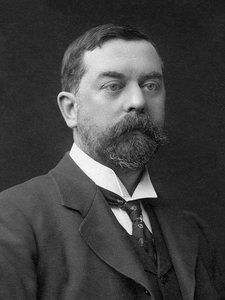
Джон Сингър Сарджънт
1856 - 1925 , Италия
Бързи факти
- Artistic Movement Or Style: Импресионизъм
- Artists Or Movements Influenced By This Artist:
- Уистър
- Моне
- Artists Who Influenced This Artist:
- Carolus-Duran
- Веласкес
- Date Of Birth: 12 януари 1856 г.
- Date Of Death: 15 април 1925 г.
- Full Name: John Singer Sargent
- Nationality: Американски
- Notable Artworks:
- Мадам X
- El Jaleo
- Carnation, Lily, Lily, Rose
- Place Of Birth: Флоренция, Италия
Всички статии

Джон Сингър Сарджент: 25 шедьовъра за вашия дом | OriginalUniqueArt.com
Разгледайте 25 шедьовъра на Джон Сингър Сарджент – импресионистични портрети, елегантни дами и исторически сцени. Вдъхновете се за вашия дом! Луксозни репродукции на картини в OriginalUniqueArt.com.

Топ 25 шедьовъра на Джон Констабъл: Английски пейзажи за вашия дом | OriginalUniqueArt.com
Открийте топ 25 шедьовъра на Джон Констабъл – английски пейзажи, романтизъм и красотата на природата. Репродукции с музейно качество за вашия дом! Разгледайте пълната колекция онлайн на OriginalUniqueArt.com.
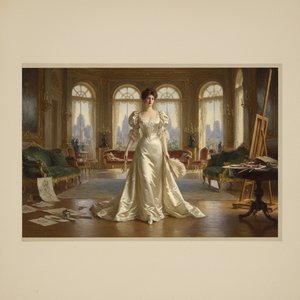
John Singer Sargent: Capturing the Gilded Age with Impressionistic Brilliance
Explore the life & art of John Singer Sargent, premier portraitist of the Gilded Age. Discover his Impressionistic masterpieces, technical brilliance, and enduring legacy. Expert insights for collectors.
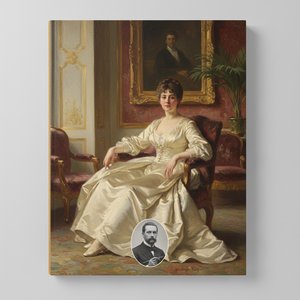
Capturing Elegance: The Timeless Allure of John Singer Sargent's Masterpieces
Discover the breathtaking elegance of John Singer Sargent's masterpieces. From iconic Gilded Age portraits to impressionistic landscapes, explore the technical brilliance and timeless allure of this American master through our premium, hand-painted fine art reproductions.
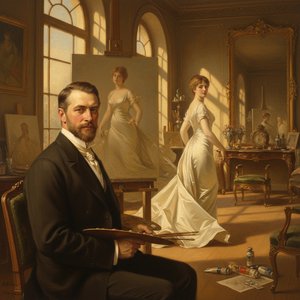
Mastering Light and Elegance: The Timeless Brilliance of John Singer Sargent
Discover the luminous mastery of John Singer Sargent. Explore an expert analysis of his legendary light, Gilded Age elegance, and technical brilliance, perfect for fine art enthusiasts seeking to bring timeless classical beauty into their modern collections.



