

 Представи си го
 Изпрати
 Сподели
 Детайли

 Изтегляне
 Подобни
 Рентгенова снимка
 Слайдшоу
Olive Trees at Corfu
 Oil On Canvas
- WallArt
- Contemporary Realism
 1909
1909 71.0 x 100.0 cm
 Прочетете повече
Закупете дигитално изображение с висока резолюция и подобрени характеристики, значително по-добро от онлайн прегледа.
Всеки файл е щателно подготвен от нашите специалисти с помощта на съвременни инструменти и експертна ръчна ретуш. Гарантираме, че всяко изображение има изключителна яснота, прецизна цветова точност и фини детайли.
Окончателният файл се доставя по имейл в рамките на 72 часа, оптимизиран за незабавна употреба в професионални, редакционни и печатни среди. Това е същото качество, на което се доверяват водещи дизайнерски студия, издатели и галерии.
Дигитално изображение
Изтеглете файл с висока резолюция за лично показване, принтиране и творчески проекти. ( Купете принт Купете ръчно рисувана картина)
Включено във всяка поръчка за дигитални изображения
Експресна дигитална доставка, гарантирана
Когато изберете OriginalUniqueArt.com, вие не получавате само изображение – вие получавате професионално подобрена дигитална творба, създадена с прецизност и подкрепена от гаранция за удовлетворение. Ето всичко, което автоматично се включва в вашата поръчка:

Бърза доставка по имейл
Вашето дигитално изображение с висока резолюция ще ви бъде изпратено по имейл в рамките на 72 часа от поръчката - готово за незабавно използване.

Дигитален файл с подобрено качество чрез изкуствен интелект
Вашата картина е професионално оптимизирана с помощта на усъвършенствани инструменти за изкуствен интелект и ръчна редакция, осигурявайки максимална детайлност, яснота и точност на цветовете.

Безплатна доживотна повторна доставка
Изгубили сте или сте премахнали файла си по погрешка? Не се притежнявайте – ще го изпратим отново на Вас по всяко време, безплатно.

Без такки за мито - никога
Всредите си веднага без мита, данъци или такси по доставка - дигителните приложения винаги са без данъчно освободени.

Гаранция за точност на цветовете
Гарантираме, че вашето дигитално изображение отразява оригиналните цветове възможно най-точно, използвайки професионални инструменти и управление на цветовете.

Гаранция за удовлетвореност от 60 дни
Ако не сте доволни от вашето дигилно изображение, ще го коригираме или ще възмедим 100% в рамките на 60 дни – без никакви въпроси.

100% Гаранция за връщане на пари.
Не сте удовлетворени? Получавате пълно възстановяване на сумата в рамките на 60 дни след получаването на вашия цифров файл – без никакви въпроси.

Отстъпки за големи поръчки
Купете 3 изображения, спестете 10% - Купете 5, спестете 15% - Купете 10+, спестете 20%. Отлично за творчески проекти, галерии и агенства.
Описание на колекционерския предмет
A Symphony of Green: Exploring John Singer Sargent’s Olive Trees at Corfu
The painting Olive Trees at Corfu by John Singer Sargent isn't merely a landscape; it’s an embodiment of Impressionism’s quest to capture fleeting moments of beauty and emotion. Created in 1909 during his prolific European travels, this oil on canvas masterpiece transcends the simple depiction of trees—it speaks to themes of tranquility, contemplation, and the sublime grandeur of nature itself. Sargent's meticulous observation combined with a daring use of color solidified his place as one of the era’s foremost artists.Style and Technique: Impressionistic Brilliance
Sargent approached Corfu with an artist’s eye attuned to capturing light—a hallmark of Impressionism. Rather than striving for photographic accuracy, he prioritized conveying the atmosphere of the scene. Thick impasto brushstrokes dominate the canvas, layering pigment onto the surface to create a palpable sense of texture and depth. These textured strokes aren't haphazard; they are carefully considered to illuminate the foliage and suggest movement—as if the wind rustles through the olive branches. The artist skillfully blended complementary colors – greens and reds – creating visual vibrancy that draws the viewer’s gaze across the expanse of the field.Historical Context: Sargent’s Corfu Revisited
Sargent's Corfu was a favored destination for American expatriates during the early 20th century, drawn to its Mediterranean climate and artistic spirit. He painted Olive Trees at Corfu shortly after completing Oranges at Corfu, demonstrating his consistent fascination with capturing idyllic landscapes infused with sunlight. The painting reflects the broader cultural preoccupation of the time with idealized visions of rural life—a reaction against the industrialization and urbanization sweeping across Europe. It’s a scene steeped in nostalgia for a simpler era, yet imbued with an enduring appreciation for natural beauty.Symbolism: More Than Meets the Eye
Beyond its aesthetic appeal, Olive Trees at Corfu carries symbolic weight. The olive tree itself is revered throughout Mediterranean cultures as a symbol of peace, longevity, and fertility—themes that resonate deeply within Sargent’s artistic sensibility. The positioning of figures amidst the trees suggests an invitation to pause and absorb the serenity of the surroundings. They are not dominating the landscape but rather integrating themselves into its rhythm, mirroring the harmonious relationship between humanity and nature that Sargent sought to portray.Emotional Impact: A Moment Frozen in Time
Ultimately, Olive Trees at Corfu succeeds in transporting the viewer to a place of profound stillness. The painting evokes feelings of calm contemplation and wonder—a desire to escape the pressures of daily life and reconnect with the elemental forces of the natural world. Sargent’s masterful technique captures not just what he saw but also what he felt—transforming a simple landscape into an unforgettable experience for anyone who encounters it. It's a testament to the power of art to inspire emotion and elevate our understanding of beauty.- Artist: John Singer Sargent
- Year: 1909
- Medium: Oil on Canvas
- Dimensions: 71 x 100 cm
Биография на художника
A Life Immersed in Light and Society
John Singer Sargent, a name synonymous with the Gilded Age and its shimmering portraits of elegance, was an American artist who spent most of his life cultivating his craft within the European art world. Born in Florence, Italy, in 1856 to American expatriate parents, Fitzwilliam and Mary Newbold Sargent, his upbringing was anything but conventional. The family’s nomadic existence – constantly traversing France, Germany, Italy, and Switzerland – instilled in young John a cosmopolitan sensibility and an early exposure to the artistic treasures of Europe. Rather than formal schooling, his education unfolded within museum halls and ancient churches, fostering a visual literacy that would profoundly shape his artistic vision. This itinerant childhood, while lacking traditional structure, provided a rich tapestry of cultural experiences that fueled his developing talent. His father, a surgeon, and his mother, an amateur artist, encouraged his inclinations, recognizing early on the remarkable acuity of his observational skills. It was clear from a young age that John’s path lay not in medicine or conventional pursuits, but within the realm of art.From Parisian Atelier to Portrait Master
In 1874, at the age of eighteen, Sargent embarked on a pivotal chapter of his artistic development by entering the Paris studio of Carolus-Duran. This mentorship proved transformative. Duran’s emphasis on *direct painting* – a technique eschewing preliminary sketches in favor of immediate application of paint to canvas – honed Sargent's already impressive technical facility and instilled within him an astonishing ability to capture likenesses with speed and precision. It was a revolutionary approach, encouraging boldness and spontaneity, and it became the hallmark of Sargent’s style. He absorbed Duran’s lessons wholeheartedly, mastering the art of capturing not just physical resemblance but also the very essence of his sitters. Simultaneously, he enrolled at the École des Beaux-Arts to study drawing from casts and life models, further refining his skills in composition and technique. However, it was the influence of Spanish masters like Diego Velázquez, encountered during a formative trip to Spain in 1879, that truly ignited Sargent’s artistic imagination. He became captivated by Velázquez’s masterful use of light, brushwork, and psychological insight – qualities he would strive to emulate throughout his career. The artist's fascination with the Spanish master led him to meticulously study Velázquez’s techniques, particularly his ability to convey a sense of immediacy and drama through subtle shifts in tone and color.Navigating Fame, Scandal, and Artistic Evolution
Sargent quickly established himself as a sought-after portraitist in Paris, attracting commissions from the city’s elite. His portraits were characterized by their elegance, technical brilliance, and ability to capture the personalities of his subjects. However, his ascent was not without its challenges. The unveiling of *Madame X* (Portrait of Madame Pierre Gautreau) at the 1884 Salon ignited a scandal that threatened to derail his burgeoning career. The painting’s daring depiction of socialite Virginie Amélie Avegno Gautreau – with her pale complexion, suggestive pose, and fallen strap – was deemed provocative and scandalous by Parisian society. Though Sargent later repainted the strap, the damage was done. Disheartened by the controversy, he relocated to London in 1886, where he found a more receptive audience for his talents. In London, he continued to paint portraits of the wealthy and prominent, capturing the opulence and social dynamics of Edwardian society with unparalleled skill. Yet, Sargent’s artistic ambitions extended beyond the confines of commissioned portraiture. He yearned for greater creative freedom and increasingly devoted himself to landscape painting and plein-air studies, embracing an Impressionistic style characterized by loose brushwork, vibrant colors, and a focus on capturing fleeting moments of light and atmosphere. These landscapes reveal a different side of Sargent – one less concerned with social status and more attuned to the beauty of the natural world. He sought to capture not just the appearance of a scene but also its mood and essence, often using broken brushstrokes and contrasting colors to create a sense of dynamism and movement.Influences and Artistic Kinships
- Carolus-Duran: His teacher, who instilled in him a direct painting technique and encouraged spontaneity.
- Diego Velázquez: Sargent deeply admired Velázquez’s mastery of light, brushwork, and psychological insight, particularly evident in his Spanish works.
- Impressionism: The Impressionists' emphasis on capturing fleeting moments and atmospheric effects profoundly impacted his landscape paintings, leading to a looser, more expressive style.
- James Abbott McNeill Whistler: Sargent shared with Whistler an interest in aestheticism and the pursuit of “art for art’s sake,” influencing his approach to composition and color.
A Lasting Legacy
While celebrated as “the leading portrait painter of his generation,” John Singer Sargent’s artistic legacy extends far beyond his masterful depictions of society figures. His major works, such as *El Jaleo*, a dynamic portrayal of Spanish flamenco dancers, and *Carnation, Lily, Lily, Rose*, a serene depiction of two young girls in an English garden, demonstrate his versatility and technical brilliance. Later in life, he embarked on ambitious mural projects, including the monumental cycle at the Boston Public Library, showcasing his ability to translate his artistic vision onto a grand scale. His influence can be seen in the work of subsequent generations of artists who admired his technical skill, his bold brushwork, and his ability to capture both physical likeness and psychological depth. The rediscovery of his previously overlooked male nudes in the 1980s further broadened our understanding of Sargent’s artistic range and revealed a more complex and nuanced artist than previously recognized. *His paintings continue to captivate audiences worldwide*, offering a fascinating glimpse into a bygone era while simultaneously transcending time through their enduring beauty and technical mastery. He remains, undeniably, one of the most significant American artists of his generation, whose work continues to inspire and provoke admiration.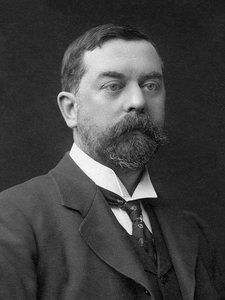
Джон Сингър Сарджънт
1856 - 1925 , Италия
Бързи факти
- Artistic Movement Or Style: Импресионизъм
- Artists Or Movements Influenced By This Artist:
- Уистър
- Моне
- Artists Who Influenced This Artist:
- Carolus-Duran
- Веласкес
- Date Of Birth: 12 януари 1856 г.
- Date Of Death: 15 април 1925 г.
- Full Name: John Singer Sargent
- Nationality: Американски
- Notable Artworks:
- Мадам X
- El Jaleo
- Carnation, Lily, Lily, Rose
- Place Of Birth: Флоренция, Италия

