
 Представи си го
 Изпрати
 Сподели
 Детайли

 Изтегляне
 Подобни
 Рентгенова снимка
 Слайдшоу
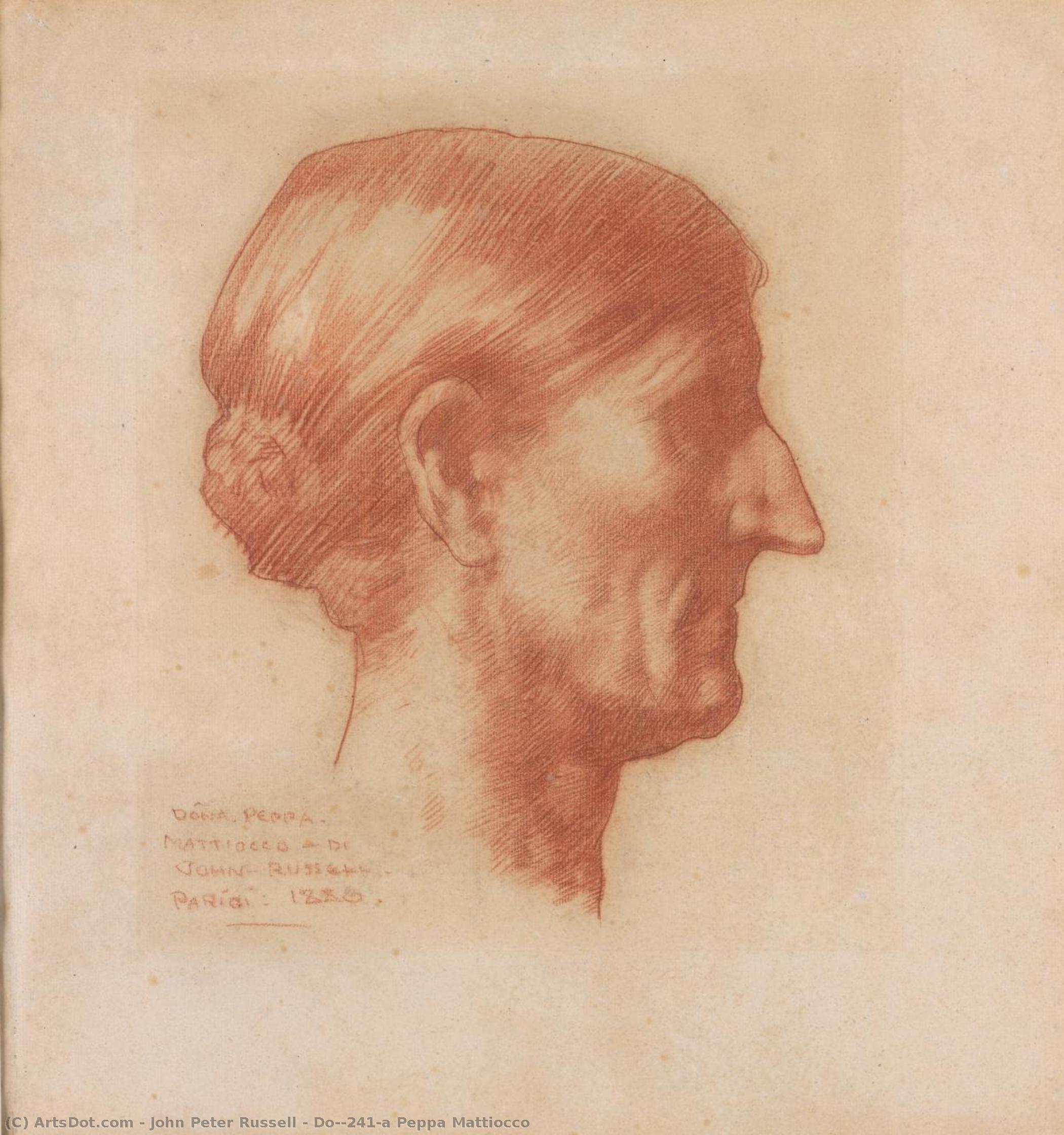
Doña Peppa Mattiocco
 Chalk
Chalk- WallArt
- Australian Impressionism
 1886
1886 31.0 x 24.0 cm
 Национална галерия на изкуството
 Прочетете повече
Ръчно изработена маслена репродукция
Ръчно рисувана маслена картина върху платно във вашия размер и рамка, изработена по поръчка от нашите художници. ( Купете принт Купете изображение)




P118B $10

P118H $10

P118W $10

P438Z $10

P508JH $12

P508YH $12

P805H $10

P805Z $10

P919BZ $10

P919G $10

P919XJ $10

P959ZH $10

P968JZ $12

W106C $8

W218G $10

W218JH $8

W218Y $10

W307PJ $10

W316G $10

W316PJ $8

W316Y $10

W398PJ $8

W4111J $10

W500HY $15

W500JH $15

W692G $12

W849H $8

W940BG $15

W953PJ $8




Изберете от предварително зададените размери, които съответстват на оригиналните пропорции на произведението.

Можете да въведете свои собствени размери, за да пасне на конкретна рамка или пространство. Ако избраният от вас размер не съответства на пропорциите на оригиналното изображение, ние ще изрежем произведението или ще удължим картината с допълнителни ръчно рисувани елементи. Дигитален макет ще бъде изпратен за ваше одобрение преди започване на производството.
Моля, обърнете внимание, че прегледът на екрана не отразява действителното изрязване или разширяване. Само макетът ще покаже точно финалния състав.
Въпреки че са налични персонализирани размери, препоръчваме да изберете размер от предварително дефинирания списък, за да запазите оригиналните пропорции.
След поръчка, екипът на OriginalUniqueArt.com ще изпрати имейл на клиента за инструкции и ще предостави преглед на макет.
Доставка по целия свят () в рамките на 3/4 седмици вместо стандартните 5 седмици. (20 Август). Без компромис с качеството.

Безплатна експресна доставка по целия свят

Висококачествено ленено платно

Пълно застраховане при доставка

Гаранция за възстановяване на митнически такси

Гаранция за цветова точност

60-Дневен период за връщане (Само при дефекти)

100% Гаранция за връщане на парите

Предложение за отстъпка при поръчка на едро
 Стъклото е налично само в размери под 110 см

Doña Peppa Mattiocco
Репродукционен метод
Размер на репродукцията
-


Обща цена
$ 300
Описание на произведението
Doña Peppa Mattiocco: A Glimpse of Victorian Italy Through an Australian Eye
John Peter Russell’s “Doña Peppa Mattiocco,” painted in 1886, is more than just a portrait; it's a captivating window into the vibrant cultural exchange that defined late 19th-century Europe. This intimate study of a woman from Monte Cassino, Italy, reveals a masterful blend of realism and impressionistic technique, reflecting Russell’s journey through artistic movements and his profound connections with some of history’s most influential artists.
The subject herself, Doña Peppa Mattiocco, remains somewhat enigmatic. Records suggest she was a local figure in the region, likely a woman of considerable character and presence. Russell's depiction isn't one of idealized beauty but rather a carefully observed portrayal of her features – the strong jawline, the intelligent gaze, and the subtle curve of her nose all contribute to an image that feels both immediate and deeply personal. The red background, a bold and unexpected choice for the era, serves not merely as a backdrop but as a visual anchor, drawing attention to Mattiocco’s face and intensifying the emotional impact of the portrait.
A Meeting of Artistic Worlds
Russell's artistic trajectory is itself a fascinating story. Born in Sydney, Australia, he embarked on a transformative journey to Europe at eighteen, initially pursuing engineering but quickly discovering his true calling within the burgeoning world of art. His early training with Alphonse Legros at the Slade School of Fine Art in London provided him with a solid foundation in draughtsmanship, yet it was his time in Paris that truly shaped his style. There, under the tutelage of Fernand Cormon, he embraced the principles of Impressionism – capturing fleeting moments and emphasizing the effects of light and color.
Crucially, Russell’s Parisian years coincided with a period of intense artistic ferment. He forged close friendships with Vincent van Gogh and Claude Monet, both pivotal figures in the Impressionist movement. The influence of these masters is evident in “Doña Peppa Mattiocco,” particularly in the loose brushwork, the broken color palette, and the emphasis on capturing the atmosphere of the scene. Interestingly, Russell’s connection to Van Gogh is particularly significant; he was one of the first artists to paint a portrait of the troubled genius, a testament to their shared artistic sensibilities.
Technique and Materials
The painting itself is executed in chalk on buff paper, a technique that lends it a remarkable sense of immediacy and intimacy. Russell’s use of red chalk – a traditional drawing medium – allows for subtle gradations of tone and texture, creating a remarkably realistic depiction of Mattiocco's features. The loose brushwork, characteristic of Impressionism, suggests a fleeting moment captured on paper, as if the artist was working quickly to capture the essence of his subject.
The choice of red chalk is also noteworthy. Red chalk was often used for portraiture in Italy during this period, and Russell’s decision to employ it here subtly connects the painting to its Italian setting. The paper itself, buffed to a smooth finish, provides a luminous surface that enhances the vibrancy of the colors.
Symbolism and Emotional Resonance
Beyond its technical merits, “Doña Peppa Mattiocco” possesses a quiet emotional resonance. The direct gaze of the subject invites the viewer into her world, creating a sense of connection and intimacy. The red background, while bold, doesn’t feel jarring; instead, it subtly amplifies the intensity of her expression. It's a portrait that speaks not just to Mattiocco’s appearance but also to her character – a woman of strength, intelligence, and perhaps even a touch of mystery.
Russell’s decision to paint this portrait in Italy reflects his own immersion in European culture and his desire to capture the beauty and spirit of the region. “Doña Peppa Mattiocco” is therefore not simply a likeness; it's a testament to the power of art to transcend cultural boundaries and connect us with individuals from different times and places.
A Legacy Rediscovered
For decades, John Peter Russell’s work was largely forgotten. His artistic output was scattered across Europe, and his story remained untold. However, in recent years, there has been a growing recognition of his importance as an Australian Impressionist. “Doña Peppa Mattiocco” is now part of the National Gallery of Victoria's collection, offering a valuable glimpse into the life and art of this remarkable artist – a man who bridged continents and left behind a legacy of vibrant color and captivating portraits.
Биография на художника
John Peter Russell (1858-1930): The Rediscovered World of an Australian Impressionist
John Peter Russell remains a compelling, almost paradoxical figure in the history of Australian art. Often dubbed “Australia’s Lost Impressionist,” his story is one of transatlantic artistic exchange, personal tragedy, and eventual rediscovery—a narrative that continues to fascinate scholars and collectors alike. Born in Sydney in 1858, Russell's path diverged from the typical colonial trajectory when, at eighteen, he embarked for Europe – initially to pursue engineering, but swiftly drawn into the vibrant world of art. This decision would place him at the very heart of the burgeoning Impressionist movement and forge connections with some of its most iconic figures. His early education at Goulburn School provided a foundation, yet it was his studies under Alphonse Legros at the Slade School of Fine Art in London (1881-1883) that truly ignited his artistic ambitions. This formal training instilled in him a strong draughtsmanship, but it was his subsequent move to Paris and tutelage under Fernand Cormon that unlocked his passion for color and light—a passion that would define his entire oeuvre.Parisian Circles and the Dawn of Impressionism
Paris in the 1880s was a crucible of artistic innovation, and Russell quickly immersed himself within its dynamic circles. It was here he formed a particularly close friendship with Vincent van Gogh, a relationship documented by Russell’s striking 1886 portrait of the artist—considered one of the most important depictions of Van Gogh created by a contemporary. This portrait offers a poignant glimpse into Van Gogh's character and foreshadows the emotional intensity that would come to define his work. Beyond Van Gogh, Russell’s artistic development was profoundly shaped by his encounter with Claude Monet. Spending time painting alongside Monet at Belle Île, he absorbed the techniques of *plein air* painting—embracing broken brushstrokes and a heightened sensitivity to atmospheric effects. This period marked a turning point in Russell's style, as he began to fully embrace the principles of Impressionism. He wasn’t merely copying what he saw; he was interpreting it through his own unique sensibility, striving to capture the fleeting beauty of nature with luminous color palettes and expressive brushwork. Henri Matisse himself later credited Russell with introducing him to impressionist techniques and colour theory—a testament to Russell's understanding and articulation of these artistic advancements.Belle Île: A Sanctuary of Light and Color
The island of Belle Île, off the coast of Brittany, became central to Russell’s life and art. He settled there with his wife, Marianna Antoinetta Mattiocco—a model for Auguste Rodin—and established a home that served as both studio and sanctuary. The rugged coastline, dramatic cliffs, and ever-changing light of Belle Île provided endless inspiration. His seascapes from this period are particularly noteworthy, capturing the raw energy and beauty of the Atlantic Ocean with vibrant color and loose brushwork. Works like *Les aiguilles de Coton, Belle-Île* (1897)—a delicate watercolour depicting the island’s distinctive rock formations—exemplify his ability to translate fleeting impressions into enduring images. Russell's style during this time was characterized by an optimistic portrayal of landscapes and figures, infused with a joyful sense of light and color. He diligently studied Monet’s methods, meticulously applying broken brushstrokes and layering pigments to achieve maximum luminosity. Paintings like *Mon Ami 'Polite'* (c. 1900)—a portrait of Auguste Rodin's beloved model—demonstrate his skill in capturing not only physical likeness but also the character and atmosphere of his subjects.A Singular Vision: Technique and Artistic Expression
Russell’s artistic technique was marked by a distinctive approach that distinguished him from many of his contemporaries. He possessed an exceptional understanding of color theory, grinding pigments himself to obtain maximum purity—a practice reflecting his unwavering commitment to capturing the subtleties of natural light. His brushwork was energetic and expressive, conveying movement and emotion through visible marks on the canvas. Unlike some Impressionists who favored a more subdued palette, Russell embraced bold hues—particularly blues and greens—to depict the dramatic landscapes of Belle Île and elsewhere. He meticulously observed the effects of weather conditions—misty mornings, stormy afternoons—translating these atmospheric phenomena into powerful visual representations. This dedication to observation and artistic interpretation resulted in paintings that resonate with a palpable sense of immediacy and beauty.Tragedy and Legacy: A Forgotten Master Rediscovered
Despite his prolific output and close ties with the European avant-garde, Russell remained largely unrecognized during his lifetime—a fact compounded by the devastating loss of his wife Marianna in 1908, which plunged him into profound grief. Overwhelmed by sorrow, he made the heartbreaking decision to destroy approximately 400 of his paintings—an irreparable blow to art history and a poignant symbol of artistic vulnerability. Following his return to Sydney in old age, Russell lived a quiet life, largely detached from the artistic world that had once captivated him. He died peacefully in Randwick on April 22nd, 1930, leaving behind a legacy overshadowed by obscurity until the late 20th century when biographical studies and exhibitions began to illuminate his remarkable achievements. Today, Russell’s works are held in major galleries across Australia and Europe—including the Musée d'Orsay and the Musée Rodin—affirming his place as a pivotal figure in Australian Impressionism and securing his rightful recognition as one of the most important artists of his era.
Джон Петер Расел
1858 - 1930 , Австралия
Бързи факти
- Artistic Movement Or Style: Импресионизъм
- Artists Who Influenced This Artist:
- Клод Моне
- Винсент ван Гох
- Date Of Birth: 16 юни 1858
- Date Of Death: 30 април 1930
- Full Name: John Peter Russell
- Nationality: Австралийски
- Notable Artworks:
- Портрет на Ван Гог (1886)
- Морски пейзажи от Бели Ил
- Моят приятел Полите (около 1900)
- Place Of Birth: Сидни, Австралия
Всички статии

Джон Сингър Сарджент: 25 шедьовъра за вашия дом | OriginalUniqueArt.com
Разгледайте 25 шедьовъра на Джон Сингър Сарджент – импресионистични портрети, елегантни дами и исторически сцени. Вдъхновете се за вашия дом! Луксозни репродукции на картини в OriginalUniqueArt.com.

Топ 25 шедьовъра на Джон Констабъл: Английски пейзажи за вашия дом | OriginalUniqueArt.com
Открийте топ 25 шедьовъра на Джон Констабъл – английски пейзажи, романтизъм и красотата на природата. Репродукции с музейно качество за вашия дом! Разгледайте пълната колекция онлайн на OriginalUniqueArt.com.

Charles Marion Russell: Capturing the American West Through a Romantic Lens
Explore the captivating world of Charles Marion Russell, 'the cowboy artist.' Discover his life, iconic paintings, advocacy for Native Americans, and investment potential. A guide for discerning art collectors.

Топ 25 шедьовъра на Пол Сезан: Открийте вечния гений в изкуството и декора
Открийте 25 шедьовъра на Пол Сезан – импресионизъм, постимпресионизъм и революционен стил! Разгледайте историите зад картините, техниките и вдъхновението. Купете висококачествени репродукции за вашия дом на OriginalUniqueArt.com.

Топ 10 шедьоври на импресионизма: История, артисти и красота за вашия дом
Потопете се в света на импресионизма с нашия списък от 10 шедьовъра! От Моне до Реноар, разкрийте историите зад най-емблематичните картини. Вдъхновете дома си с изкуство – купете репродукции на високо качество на OriginalUniqueArt.com

