

 Представи си го
 Изпрати
 Сподели
 Детайли

 Изтегляне
 Подобни
 Рентгенова снимка
 Слайдшоу
James Allen (c.1682–1746)


 Прочетете повече
Жикле / Художествен принт
Giclée печат или принт върху платно с музейно качество, бързо производство и гъвкави опции за завършен вид. ( Купете ръчно рисувана картина Купете изображение)




































Изберете от предварително зададените размери, които съответстват на оригиналните пропорции на произведението.

Можете да въведете собствени размери, за да паснат на конкретна рамка или пространство. Ако избраният от Вас размер не съвпада с пропорциите на оригиналното изображение, ние ще изрежем произведението или ще разширим изображението с огледален или едноцветен ръб. Дигитален макет ще бъде изпратен за Ваше одобрение преди започването на производството.
Моля, имайте предвид, че предпрегледът на екрана не отразява реалното изрязване или разширяване. Само макетът ще покаже точно финалната композиция.
Въпреки че са налични персонализирани размери, препоръчваме да изберете размер от предварително дефинирания списък, за да запазите оригиналните пропорции.
Доставка по целия свят () в рамките на 2 седмици вместо стандартните 4/5 седмици. (27 Август)

Безплатна експресна доставка по целия свят

Висококачествено ленено платно

Пълно застраховане при доставка

Гаранция за възстановяване на митнически такси

Гаранция за цветова точност

60-Дневен период за връщане (Само при дефекти)

100% Гаранция за връщане на парите

Предложение за отстъпка при поръчка на едро
 Стъклото е налично само в размери под 110 см

James Allen (c.1682–1746)
Жикле / Художествен принт
Размер на репродукцията
-


Обща цена
$ 80
Описание на колекционерския предмет
About James Allen (c.1682–1746)
- Subject & Portraiture: This striking portrait depicts James Allen (c. 1682–1746), a significant figure in the history of Dulwich College, England. He is shown as Warden from 1712 and later Master of the college, embodying authority and refinement. The painting captures his likeness with remarkable detail, offering a glimpse into the life of an influential benefactor.
- Style & Technique: Painted in 1724 by John Ellys (c. 1701–1757), the artwork exemplifies the portraiture style prevalent during the early Georgian period. Ellys, mentored by prominent artists like Hogarth and Vanderbank, demonstrates a skillful use of oil on canvas to create realistic textures and tones. The meticulous rendering of Allen’s clothing, wig, and facial features highlights Ellys' technical prowess.
Historical Context & Provenance
- Dulwich College Commission: The portrait was originally commissioned by Dulwich College itself, reflecting the esteem in which Allen was held. He founded James Allen’s Girls’ School and played a vital role in shaping the institution's legacy. The painting served as an important visual representation of its benefactor.
- Artist Biography: John Ellys (1701-1757) was a respected English portrait painter known for his royal commissions and engravings. His training under Sir James Thornhill, Johann Rudolph Schmutz, and later with Hogarth, shaped his artistic style. He held a warrant to copy pictures in the Royal Palaces, studying works by masters like Van Dyck and Kneller.
Symbolism & Emotional Impact
- Elements of Status: The inclusion of a clock on the wall subtly alludes to the passage of time and Allen’s enduring legacy. The pillar beside him suggests stability and strength, reinforcing his position within the college community. His attire—a formal gown and wig—further emphasizes his social standing.
- A Sense of Dignity: The portrait evokes a sense of dignity and intellectual gravitas. Allen’s gaze is direct and composed, conveying confidence and authority. The overall composition creates a feeling of respect and admiration for the subject.
Collecting & Reproduction
- For Art Lovers: This portrait offers a fascinating window into 18th-century English society and the lives of its prominent figures. It’s an excellent example of Georgian portraiture, showcasing both artistic skill and historical significance.
- For Interior Designers: A reproduction of this artwork would add a touch of classic elegance to any space. Its rich colors and detailed composition make it suitable for libraries, studies, or formal living areas. The painting’s size (240 x 147 cm) allows it to become a focal point in a room.
- High-Quality Reproductions: Hand-painted reproductions of this masterpiece are available, capturing the original's detail and emotional impact. These reproductions offer an affordable way to own a piece of art history and enhance your collection or home décor.
Биография на художника
John Ellys: Bridging the Gap Between Court and Canvas
The name John Ellys, though perhaps less celebrated than some of his contemporaries, represents a pivotal figure in 18th-century English portraiture – a painter who skillfully navigated the demanding world of royal commissions, academic training, and evolving artistic styles. Born in March 1701, Ellys’s life unfolded against a backdrop of significant shifts within the British art scene, marked by the rise of Hogarth and Vanderbank, and ultimately shaped by his close association with Sir Robert Walpole. His career wasn't defined by radical innovation but rather by a remarkable ability to synthesize influences, adapt techniques, and consistently deliver elegant, refined portraits that catered to the tastes of both the court and the burgeoning art market.
Ellys’s early artistic development was rooted in formal instruction. He began his training under Johann Rudolph Schmutz, a German painter known for his meticulous draftsmanship, before transitioning to the tutelage of Sir James Thornhill and later, the influential John Vanderbank. This diverse exposure proved invaluable, providing him with a solid foundation in classical techniques while simultaneously exposing him to the more dynamic and satirical approaches championed by Hogarth. Crucially, Ellys’s early years were spent copying works by masters like Anthony van Dyck and Godfrey Kneller – an essential practice for any aspiring portraitist of the era, allowing him to internalize the nuances of composition, color palette, and figure rendering.
Royal Patronage and Artistic Evolution
Ellys’s career truly took flight when he secured a warrant to copy pictures in the royal palaces for study – an opportunity that afforded him unparalleled access to some of the most treasured artworks in the collection. This experience profoundly influenced his style, imbuing his portraits with a sense of gravitas and refinement. He quickly established himself as a favored painter within the Walpole circle, undertaking numerous commissions for Sir Robert Walpole, who served as First Lord of the Treasury and oversaw much of England’s foreign policy during the early 18th century. Walpole's patronage wasn’t merely about acquiring beautiful portraits; it was about projecting an image of stability and power – a role Ellys skillfully fulfilled.
A particularly notable commission involved the acquisition of *The Virgin and Angels* by Anthony van Dyck from the Princess of Friesland. Walpole, recognizing the painting’s significance, entrusted Ellys with the task of procuring it for the Hermitage Gallery – a testament to his reputation as a discerning art buyer and a skilled negotiator. This undertaking demonstrated not only Ellys's connections within the royal court but also his understanding of the value and prestige associated with acquiring masterpieces.
The St. Martin’s Lane Academy and Artistic Leadership
Following in the footsteps of Vanderbank, Ellys and William Hogarth succeeded to the directorship of the St. Martin's Lane Academy in 1736 – a prestigious institution that served as a hub for artistic innovation and debate. Their tenure at the academy spanned nearly three decades, during which they fostered a vibrant community of artists while simultaneously navigating the complex dynamics of academic leadership. Ellys’s approach differed somewhat from Hogarth's more overtly critical stance; he maintained a greater degree of decorum and focused on providing practical instruction rather than engaging in polemical arguments about artistic merit.
Despite their shared leadership, Ellys held a distinct perspective on the prevailing trends within portrait painting. He expressed reservations about Sir Joshua Reynolds’s innovations, particularly his emphasis on classical ideals and theatrical poses. While acknowledging Reynolds's talent, Ellys favored a more restrained and elegant style – one that prioritized accuracy of likeness and subtle nuances of expression. This difference in aesthetic sensibilities ultimately shaped the distinct character of their respective artistic practices.
Legacy and Artistic Style
John Ellys died on September 14, 1757, leaving behind a substantial body of work that reflects his diverse influences and his commitment to delivering portraits of exceptional quality. His style is characterized by its meticulous draftsmanship, refined color palette, and understated elegance – qualities that resonated with the tastes of his aristocratic clientele. He was particularly adept at capturing the likenesses of his subjects, imbuing each portrait with a sense of dignity and composure.
Ellys’s legacy extends beyond his individual paintings. He played a crucial role in shaping the landscape of 18th-century English portraiture, bridging the gap between academic training and contemporary artistic trends. His association with Hogarth and Vanderbank exposed him to the latest innovations while simultaneously preserving a sense of tradition and refinement. Furthermore, his service as master keeper of the lions at the Tower – a seemingly minor appointment – underscored his connections within the highest echelons of British society.
Notable Works
- Portrait of Lord Whitworth and his nephew (1727)
- Portraits of numerous members of the aristocracy, including Lavinia Fenton, Duchess of Bolton, James Figg, and Frederick, Prince of Wales.
- Numerous engravings based on his portraits, notably those by John Faber the Younger.
Ellys’s work continues to be studied and appreciated for its technical skill, understated elegance, and its reflection of a pivotal moment in British art history.

john ellys
1701 - 1757
Бързи факти
- Artistic Movement Or Style: Portrait painting
- Artists Or Movements Influenced By This Artist:
- Anthony van Dyck
- Sir Joshua Reynolds
- Artists Who Influenced This Artist:
- John Vanderbank
- William Hogarth
- Date Of Birth: March 1701
- Date Of Death: September 1757
- Full Name: John Ellys
- Nationality: English
- Notable Artworks:
- Lavinia Fenton portrait
- James Figg portrait
- Frederick, Prince of Wales
- Place Of Birth: WahooArt, England
Всички статии

Топ 25 шедьовъра на Джон Констабъл: Английски пейзажи за вашия дом | OriginalUniqueArt.com
Открийте топ 25 шедьовъра на Джон Констабъл – английски пейзажи, романтизъм и красотата на природата. Репродукции с музейно качество за вашия дом! Разгледайте пълната колекция онлайн на OriginalUniqueArt.com.

Джон Сингър Сарджент: 25 шедьовъра за вашия дом | OriginalUniqueArt.com
Разгледайте 25 шедьовъра на Джон Сингър Сарджент – импресионистични портрети, елегантни дами и исторически сцени. Вдъхновете се за вашия дом! Луксозни репродукции на картини в OriginalUniqueArt.com.

Джеймс Абът Макнил Уистлър: 25 шедьовъра за ценителите на изкуството и декора
Открийте 25 шедьовъра на Джеймс Абът Макнил Уистлър! Разгледайте историите зад неговите емблематични ноктюрни, портрети и импресионистични картини. Вдъхновете се за вашия интериор с висококачествени репродукции на OriginalUniqueArt.com

Топ 25 шедьовъра на сър Алфред Джеймс Мънингс – изкуство за вашия дом | OriginalUniqueArt.com
Разгледайте топ 25 шедьовъра на сър Алфред Джеймс Мънингс – английски импресионизъм, конна живопис и исторически пейзажи. Вдъхновете се за декор с луксозни репродукции на картини от OriginalUniqueArt.com!
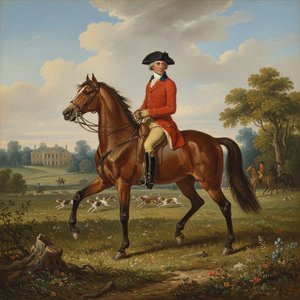
John Nost Sartorius: Equestrian Portraiture & the Shifting Social Landscape of 18th-Century England
Explore the captivating equestrian art of John Nost Sartorius (1759-1828). Discover his detailed paintings of racehorses, hunting scenes & aristocratic life. Learn about collecting Sartorius's work and its lasting value.

