Меню
БЕЗПЛАТНА КОНСУЛТАЦИЯ ЗА ИЗКУСТВО
Представи си гоПредстави си го AR прегледAR преглед Превключване към печат Превключване към печатПревключване към изображение Превключване към изображение ИзпратиИзпрати
ДетайлиДетайли Добавяне към любими Добавяне към любими ИзтеглянеИзтегляне ПодобниПодобни Рентгенова снимкаРентгенова снимка СлайдшоуСлайдшоу

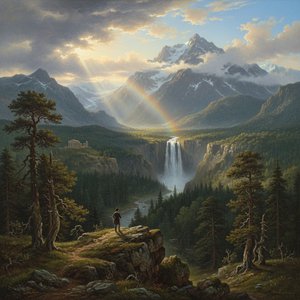
Landscape with a River

Explore John Crome’s "Landscape with a River," a serene Romantic painting from the Norwich School. Discover atmospheric landscapes & evocative brushwork – perfect for art lovers.

Открийте „Мелницата Флатфорд от шлюза“ на Джон Констабъл – шедьовър на английския романтизъм, улавящ спокойствието и красотата на провинциалната Англия. Разгледайте детайлите и символиката на тази емблематична картина!

Ръчно изработена маслена репродукция

Ръчно рисувана маслена картина върху платно във вашия размер и рамка, изработена по поръчка от нашите художници. (Превключване към печат Превключване към печатПревключване към изображение Превключване към изображение)

P118B $10
P118H $10
P118W $10
P438Z $10
P508JH $12
P508YH $12
P805H $10
P805Z $10
P919BZ $10
P919G $10
P919XJ $10
P959ZH $10
P968JZ $12
W106C $8
W218G $10
W218JH $8
W218Y $10
W307PJ $10
W316G $10
W316PJ $8
W316Y $10
W398PJ $8
W4111J $10
W500HY $15
W500JH $15
W692G $12
W849H $8
W940BG $15
W953PJ $8

Standard
custom
CM
INCH

Изберете от предварително зададените размери, които съответстват на оригиналните пропорции на произведението.

ширина
височина

Можете да въведете свои собствени размери, за да пасне на конкретна рамка или пространство. Ако избраният от вас размер не съответства на пропорциите на оригиналното изображение, ние ще изрежем произведението или ще удължим картината с допълнителни ръчно рисувани елементи. Дигитален макет ще бъде изпратен за ваше одобрение преди започване на производството.
Моля, обърнете внимание, че прегледът на екрана не отразява действителното изрязване или разширяване. Само макетът ще покаже точно финалния състав.
Въпреки че са налични персонализирани размери, препоръчваме да изберете размер от предварително дефинирания списък, за да запазите оригиналните пропорции.

Примери за това какво може да се промени: Заменете лице с клиентска снимка; Добавете домашен любимец (например заменете котка с куче); Включете скрито послание на фона; Променете пейзажа или елементите на фона.
След поръчка, екипът на OriginalUniqueArt.com ще изпрати имейл на клиента за инструкции и ще предостави преглед на макет.

Доставка по целия свят () в рамките на 3/4 седмици вместо стандартните 5 седмици. (9 Август). Без компромис с качеството.

why_choose_icon
Безплатна експресна доставка по целия свят
why_choose_icon
Висококачествено ленено платно
why_choose_icon
Пълно застраховане при доставка
why_choose_icon
Гаранция за възстановяване на митнически такси
why_choose_icon
Гаранция за цветова точност
why_choose_icon
60-Дневен период за връщане (Само при дефекти)
why_choose_icon
100% Гаранция за връщане на парите
why_choose_icon
Предложение за отстъпка при поръчка на едро

Обща цена

$ 300

reproduction

Landscape with a River

Репродукционен метод

Размер на репродукцията

-

Обща цена

$ 300

Бързи факти

  • Artistic style: Norwich School Style
  • Subject or theme: Rural Landscape
  • Medium: Oil on Canvas
  • Title: Landscape with a River
  • Location: Private Collection
  • Notable elements or techniques: Loose brushwork, Atmospheric perspective

Тест за изкуство

Има само един верен отговор за всеки въпрос.

Въпрос 1:
What artistic movement is John Crome’s "Landscape with a River" primarily associated with?
Въпрос 2:
The painting utilizes atmospheric perspective, which contributes to its overall mood. What is the primary effect of this technique?
Въпрос 3:
What type of paint was John Crome most likely to use for this artwork?
Въпрос 4:
The depiction of figures on the riverbank suggests what broader theme or idea?
Въпрос 5:
Based on the description, how would you characterize Crome’s brushwork style?

Описание на произведението

Landscape with a River – A Reflection of Norfolk’s Soul

John Crome, “Old Crome” as he was affectionately known by his contemporaries and son alike, stands as an enduring emblem of British landscape painting—a foundational figure within the celebrated Norwich School. Born in 1768 in the vibrant market town of Norwich, Norfolk, Crome's artistic journey began not with privilege but with diligent self-education and unwavering dedication, propelling him from modest origins to become a respected artist who indelibly captured the essence of his beloved East Anglian countryside. His father, a weaver, instilled a profound respect for craftsmanship and discipline, shaping Crome’s formative years; yet it was an apprenticeship under Francis Whisler, house, coach, and sign painter, that initially ignited his artistic fervor, equipping him with invaluable skills in design and color theory – foundational elements that would underpin his lifelong pursuit of visual expression. This early training fostered a deep connection to the tangible world, influencing Crome’s stylistic choices profoundly. Crucially, he formed an enduring friendship with Robert Ladbrooke, another aspiring artist who shared his passion for depicting nature's grandeur. Together they embarked on a collaborative exploration of artistic principles and techniques, cementing their bond as well as shaping the trajectory of Norwich School art. Their shared vision championed a distinctive approach – one that prioritized capturing atmospheric conditions and conveying emotion through subtle brushstrokes rather than striving for photographic realism.

Style and Technique: Romantic Landscape Painting

Crome’s oeuvre firmly establishes itself within the Romantic movement, a period characterized by an intense fascination with sublime beauty and an apprehension of nature's power. Unlike Neoclassical painters who favored idealized forms and rational compositions, Crome embraced loose brushwork and expressive lines—a deliberate departure from academic conventions that prioritized meticulous detail. The resulting canvases possess a palpable immediacy, conveying the artist’s subjective experience of the landscape rather than presenting it as an objective representation. Thick impasto – layering paint onto the canvas with considerable texture – is particularly prominent, creating a tactile surface that invites contemplation and mirroring the ruggedness of the Norfolk terrain. Color palettes are muted yet luminous, dominated by earthy tones—greens, browns, blues—that subtly shift in response to changing light conditions. This masterful manipulation of color contributes significantly to the artwork’s atmospheric depth and emotional resonance.

Historical Context: Norwich School's Legacy

The Norwich School emerged as a significant artistic force during the early 19th century, reacting against prevailing trends in London art circles. Artists like Crome and Ladbrooke sought inspiration from Dutch Golden Age painters—particularly Rembrandt and Jacob van Ruysdael—whose techniques emphasized chiaroscuro (the dramatic interplay of light and shadow) and atmospheric perspective. This stylistic influence is evident in “Landscape with a River,” where the overcast sky casts soft shadows across the undulating hillsides, creating an illusion of depth that transports viewers to the Norfolk landscape. The depiction reflects not merely visual observation but also a broader philosophical preoccupation with capturing the sublime—the awe-inspiring grandeur of nature that evokes feelings of humility and wonder.

Symbolism and Emotional Impact: Tranquility Amidst Vastness

“Landscape with a River” transcends mere topographical representation; it embodies profound symbolic significance. The expansive mountains serve as emblems of strength and permanence, juxtaposed against the serene flow of the river—a symbol of peace and continuity. The subtle inclusion of figures on the riverbank adds a human element to the scene, suggesting contemplation and connection with the natural world. More than just aesthetically pleasing, this artwork speaks to the Romantic ideal of confronting mortality through immersion in beauty – an invitation to appreciate the sublime grandeur of Norfolk’s landscape and contemplate its enduring power to inspire awe and tranquility.

Recommended Reproduction

A high-quality reproduction of “Landscape with a River” by John Crome would bring the evocative spirit of Norwich School art into any interior space, capturing the essence of Romantic landscape painting's textural richness and atmospheric subtlety. OriginalUniqueArt offers exceptional reproductions crafted with archival inks on premium canvas—preserving the artwork’s original beauty for generations to come.

Биография на художника

John Crome (1768–1821) - Art UK

Открийте „Мелницата Флатфорд от шлюза“ на Джон Констабъл – шедьовър на английския романтизъм, улавящ спокойствието и красотата на провинциалната Англия. Разгледайте детайлите и символиката на тази емблематична картина!

John Crome, affectionately known as “Old Crome” to distinguish him from his artist son, stands as a pivotal figure in British art history—a founder and leading light of the celebrated Norwich School. Born in 1768 in the bustling market town of Norwich, Norfolk, Crome’s journey was one of remarkable self-education and dedication, rising from humble beginnings to become a respected landscape painter who captured the very essence of his beloved East Anglian countryside. His father, a weaver, instilled a strong work ethic, but it was an apprenticeship with house, coach, and sign painter Francis Whisler that first nurtured Crome’s artistic inclinations, providing him with foundational skills in design and color. This practical training proved invaluable as he began to explore his passion for depicting the natural world around him.

A formative friendship with Robert Ladbrooke, a fellow aspiring artist, further fueled his development; together they sketched en plein air, honing their observational abilities and sharing a burgeoning enthusiasm for art. He was born on 22 December 1768 in Norwich, UK, baptised on 25 December at St George’s Church, Tombland, Norwich.

Early Life and Apprenticeship

John Crome was the son of John Crome, a weaver (who is also described as either an innkeeper or a lodger at a Norwich inn), and his wife Elizabeth. After a period working as an errand boy for a doctor (from the age of 12), he was apprenticed to Francis Whisler, a house, coach and sign painter. This early experience instilled in him a disciplined approach to craftmanship and exposed him to techniques vital for mastering landscape painting.

The Norwich School and Influences

Crome’s artistic trajectory was significantly shaped by the generosity of Thomas Harvey of Old Catton, who granted him access to his impressive art collection. This exposure to masterpieces by artists like Gainsborough and Hobbema proved transformative, providing Crome with crucial models for composition, light, and atmosphere. Further guidance came from established figures such as Sir William Beechey and John Opie, cementing his connection to the wider artistic community. However, it was in 1803 that Crome truly left his mark on the art world, co-founding the Norwich Society of Artists with Robert Ladbrooke. This bold initiative marked the formal beginning of the Norwich School—a groundbreaking movement that championed direct observation of nature and sought to capture the unique character of the Norfolk landscape, distinct from the prevailing artistic trends emanating from London.

He drew heavily from Dutch 17th-century masters like Hobbema – a lifelong admiration culminating in his famous last words, “Oh Hobbema, my dear Hobbema, how I have loved you!” – he also acknowledged the influence of Richard Wilson’s lyrical landscapes. Crome distinguished himself by being among the first English artists to accurately represent identifiable tree species, moving beyond generalized forms and demonstrating a keen botanical eye.

Notable Works and Legacy

Crome produced over 300 paintings throughout his career, each imbued with a sense of intimacy and authenticity. His works weren’t merely representations of places; they were evocations of mood and feeling, capturing the spirit of Norfolk with remarkable sensitivity. Views of Norwich regularly feature in his oeuvre, as does the Norfolk coast.

His paintings include “The Lime Kiln,” “Grove Scene” and “Mousehold Heath.” They are held in public art galleries, including the Tate Gallery and the Royal Academy in London, and the Castle Museum in Norwich. He taught art and produced etchings.

John Crome passed away on April 22, 1821, in his beloved Norwich, leaving behind a legacy as one of England’s most important landscape painters. His life serves as an inspiring example of how artistic vision, combined with a deep connection to one's surroundings, can create a body of work that resonates across generations.

His work continues to captivate viewers with its quiet beauty, evocative atmosphere, and enduring connection to the heart of Norfolk.

Джон Кром

Джон Кром

1768 - 1821 , Великобритания

Бързи факти

  • Artistic Movement Or Style: Norwich School
  • Artists Or Movements Influenced By This Artist: ['Dutch Masters']
  • Artists Who Influenced This Artist:
    • Hobbema
    • Wilson
  • Date Of Birth: 1768
  • Date Of Death: 1821
  • Full Name: John Crome
  • Nationality: English
  • Notable Artworks:
    • The Lime Kiln
    • Grove Scene
    • Mousehold Heath
  • Place Of Birth: Norwich, UK
Разгледайте произведения на изкуството, организирани по теми, стилове и характеристики.