

 Представи си го
 Изпрати
 Сподели
 Детайли

 Изтегляне
 Подобни
 Рентгенова снимка
 Слайдшоу
Aeneas's Sacrifice


 Прочетете повече
Жикле / Художествен принт
Giclée печат или принт върху платно с музейно качество, бързо производство и гъвкави опции за завършен вид. ( Купете ръчно рисувана картина Купете изображение)




































Изберете от предварително зададените размери, които съответстват на оригиналните пропорции на произведението.

Можете да въведете собствени размери, за да паснат на конкретна рамка или пространство. Ако избраният от Вас размер не съвпада с пропорциите на оригиналното изображение, ние ще изрежем произведението или ще разширим изображението с огледален или едноцветен ръб. Дигитален макет ще бъде изпратен за Ваше одобрение преди започването на производството.
Моля, имайте предвид, че предпрегледът на екрана не отразява реалното изрязване или разширяване. Само макетът ще покаже точно финалната композиция.
Въпреки че са налични персонализирани размери, препоръчваме да изберете размер от предварително дефинирания списък, за да запазите оригиналните пропорции.
Доставка по целия свят () в рамките на 2 седмици вместо стандартните 4/5 седмици. (20 Август)

Безплатна експресна доставка по целия свят

Висококачествено ленено платно

Пълно застраховане при доставка

Гаранция за възстановяване на митнически такси

Гаранция за цветова точност

60-Дневен период за връщане (Само при дефекти)

100% Гаранция за връщане на парите

Предложение за отстъпка при поръчка на едро
 Стъклото е налично само в размери под 110 см

Aeneas's Sacrifice
Жикле / Художествен принт
Размер на репродукцията
-


Обща цена
$ 80
Биография на художника
Johann Michael Rottmayr (1654-1730): Austrian Baroque Master
Johann Michael Rottmayr, born in the charming Bavarian town of Lauf an der Pegnitz around 1654 (sources vary between 1654 and 1656), stands as a pivotal figure in the transition from the High Baroque to the Rococo styles in Central Europe. He wasn’t merely a painter; he was a conduit, skillfully channeling the vibrant energy of Italian Renaissance masters through the lens of burgeoning Austrian artistic sensibilities. Rottmayr's journey began within a family already touched by artistry, providing fertile ground for his innate talents to blossom. His formal training commenced under Johann Carl Loth in Venice – a formative experience that would indelibly shape his aesthetic vision. Loth’s tutelage wasn’t simply about technique; it was an immersion into the world of Titian, Veronese, and Tintoretto, instilling within Rottmayr a deep appreciation for coloristic richness, dramatic composition, and the masterful use of light and shadow. This Venetian influence would remain a cornerstone of his style throughout his career. He wasn’t alone in absorbing Italian influences; Hans Adam Weissenkircher, a contemporary from Lauf, also played a crucial role in bringing these artistic currents northwards, fostering a shared aesthetic dialogue that enriched the region's art scene.Early Life and Artistic Education
Rottmayr’s early life was marked by familial connections to artistry—his father served as a court painter, shaping his formative years with an appreciation for visual expression. Recognizing his exceptional potential, Loth entrusted him with intensive instruction in Venice, immersing him in the stylistic innovations of the Venetian Renaissance. This period witnessed Rottmayr encountering the monumental canvases of Titian and Veronese, absorbing their mastery of color and perspective—skills that would profoundly impact his subsequent artistic endeavors. The influence of Hans Adam Weissenkircher further solidified this Venetian heritage, establishing a collaborative aesthetic framework that propelled artistic discourse within Bavaria.Salzburg Service and Architectural Collaboration
Rottmayr’s burgeoning talent swiftly garnered acclaim, securing him the prestigious role of general painter to the Prince-Bishop of Salzburg in 1689. This patronage afforded him consistent commissions and cemented his reputation amongst influential ecclesiastical circles. He flourished under Salzburg’s auspices, producing both secular and religious artworks that showcased his evolving artistic prowess. Notably, Rottmayr partnered with Johann Bernhard Fischer von Erlach—a leading architect of the time—embarking on ambitious projects designed to harmonize architecture and painting into immersive spaces. Their collaboration culminated in the breathtaking allegorical frescoes adorning Schloss Frain an der Thaya (now Vranov nad Dyjí), where Rottmayr’s skill in illusionistic ceiling painting reached its zenith, creating a dynamic interplay between architectural form and visual narrative.Melk Abbey Dome: A Triumph of Illusion
Rottmayr’s magnum opus resides within the central dome of Melk Abbey—a monumental fresco depicting a sublime vision of heaven. Completed with unparalleled precision, this artwork embodies the Baroque ideal of *trompe l'oeil*, transforming architectural space into an ethereal realm of divine splendor. The sheer scale of the composition, combined with Rottmayr’s masterful command of perspective and illusionistic techniques, evokes a profound sense of awe and spiritual contemplation—a testament to his ability to elevate artistic expression beyond mere decoration. This masterpiece solidified Rottmayr's legacy as one of Austria’s foremost Baroque painters.Beyond Melk: Artistic Versatility and Continued Influence
Throughout his prolific career, Rottmayr produced numerous significant works across Austria and Germany, demonstrating remarkable stylistic adaptability. His frescoes for Karlskirche in Vienna—particularly *Intercession of Charles Borromeo supported by the Virgin Mary*—exemplify his enduring fascination with dramatic composition and vibrant color palettes. Even a solitary painting titled “Vulcan” speaks to Rottmayr’s technical mastery and artistic vision. Rottmayr's influence extended beyond his individual achievements, shaping the aesthetic sensibilities of subsequent generations of Austrian artists—a lasting testament to his contribution to European art history. He died in Vienna on October 25th, 1730.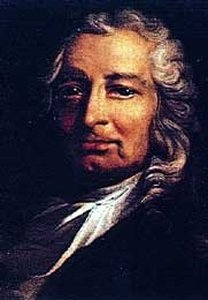
Йохан Михаел Ройтмайер
1654 - 1730 , Германия
Бързи факти
- Artistic Movement Or Style: Барокко
- Artists Or Movements Influenced By This Artist: ['Италиански барокко']
- Artists Who Influenced This Artist: ['Йохан Карл Лох']
- Date Of Birth: 1654 г.
- Date Of Death: 1730 г.
- Full Name: Johann Michael Rottmayr
- Nationality: Австрийски
- Notable Artworks: ['Дворецът Мелк']
- Place Of Birth: Лайф ан дер Пегниц, Германия


