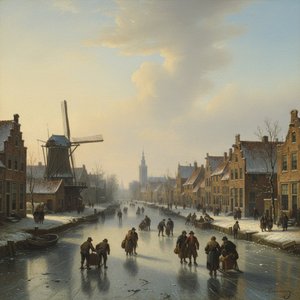
PATINEURS
Ръчно изработена маслена репродукция
Ръчно рисувана маслена картина върху платно във вашия размер и рамка, изработена по поръчка от нашите художници. ( Купете принт
Купете изображение)
P118B $10
P118H $10
P118W $10
P438Z $10
P508JH $12
P508YH $12
P805H $10
P805Z $10
P919BZ $10
P919G $10
P919XJ $10
P959ZH $10
P968JZ $12
W106C $8
W218G $10
W218JH $8
W218Y $10
W307PJ $10
W316G $10
W316PJ $8
W316Y $10
W398PJ $8
W4111J $10
W500HY $15
W500JH $15
W692G $12
W849H $8
W940BG $15
W953PJ $8
Изберете от предварително зададените размери, които съответстват на оригиналните пропорции на произведението.
Можете да въведете свои собствени размери, за да пасне на конкретна рамка или пространство. Ако избраният от вас размер не съответства на пропорциите на оригиналното изображение, ние ще изрежем произведението или ще удължим картината с допълнителни ръчно рисувани елементи. Дигитален макет ще бъде изпратен за ваше одобрение преди започване на производството.
Моля, обърнете внимание, че прегледът на екрана не отразява действителното изрязване или разширяване. Само макетът ще покаже точно финалния състав.
Въпреки че са налични персонализирани размери, препоръчваме да изберете размер от предварително дефинирания списък, за да запазите оригиналните пропорции.
След поръчка, екипът на OriginalUniqueArt.com ще изпрати имейл на клиента за инструкции и ще предостави преглед на макет.
Доставка по целия свят () в рамките на 3/4 седмици вместо стандартните 5 седмици. (14 Август). Без компромис с качеството.
Безплатна експресна доставка по целия свят
Висококачествено ленено платно
Пълно застраховане при доставка
Гаранция за възстановяване на митнически такси
Гаранция за цветова точност
60-Дневен период за връщане (Само при дефекти)
100% Гаранция за връщане на парите
Предложение за отстъпка при поръчка на едро
PATINEURS
Репродукционен метод
Размер на репродукцията
-
Обща цена
$ 300
Описание на произведението
A Frozen Moment in Time
In the quiet, frost-bitten expanse of PATINEURS, the viewer is transported into a quintessential Dutch winter, where the world seems held in a delicate, icy breath. The scene unfolds across a vast, frozen landscape, populated by figures gliding gracefully across an uneven sheet of ice. A majestic windmill stands as a sentinel in the heart of the composition, its vertical presence anchoring the horizontal sprawl of the wintry plain. In the distance, the ghostly silhouette of a sailboat rests upon the periphery, suggesting a world that continues to move even when the waters are stilled by the cold. This is not merely a depiction of a landscape; it is an invitation to experience the biting chill and the serene stillness of a season in repose.
The emotional resonance of the piece lies in its subtle interplay between movement and stasis. While the skaters provide a rhythmic pulse of human activity, the overarching atmosphere is one of profound tranquility and perhaps a touch of winter melancholy. The muted color palette—a sophisticated arrangement of greys, whites, and deep blues—evokes the overcast, heavy skies typical of a northern winter. There is a certain poetic resilience suggested by the windmill, standing firm against the elements, serving as a symbol of endurance amidst the fleeting, ephemeral nature of the skating season.
The Impressionistic Vision of Johan Barthold Jongkind
As a vital precursor to the Impressionist movement, Johan Barthold Jongkind utilizes a technique that prioritizes atmosphere over rigid anatomical or architectural precision. The painting is characterized by loose, suggestive brushwork that captures the fleeting essence of light and weather. Rather than defining every crack in the ice or every blade of frozen grass, Jongkind employs an alla prima approach, applying paint directly to the canvas to create a tactile, textured surface. This method allows the viewer's eye to complete the scene, finding movement in the sketchy lines and depth in the soft, diffused light.
For the discerning collector or interior designer, this artwork offers a masterclass in atmospheric perspective. The way distant elements fade into a pale, indistinct haze creates an immense sense of scale, making the frozen landscape feel infinite. The lighting is intentionally flat and even, mimicking the soft glow of a cloudy day, which prevents harsh shadows from disrupting the cohesive, wintry mood. This piece serves as a magnificent focal point for any space, offering a sophisticated blend of historical Dutch tradition and the modern, emotive freedom of early Impressionism. It is an evocative acquisition for those who seek to bring the quiet, contemplative beauty of the natural world into their curated environments.
Биография на художника
Johan Barthold Jongkind: A Pioneer of Atmospheric Impressionism
Johan Barthold Jongkind, a name perhaps less immediately familiar than those of Monet or Renoir, nevertheless holds a pivotal position in the narrative of Impressionism. Born on June 3rd, 1819, in Lattrop, a small village nestled within the Dutch province of Overijssel, his artistic journey unfolded as a captivating blend of innate talent, personal struggles, and profound influence. His early life was steeped in the tranquil beauty of the Dutch countryside – rolling fields, meandering canals, and the ever-changing light reflecting on water – an environment that would indelibly shape his lifelong fascination with capturing atmosphere, light, and the ephemeral nature of perception. Initially employed as a clerk, Jongkind’s true calling lay within the realm of art, leading him to The Hague in 1837 where he began formal training under Andreas Schelfhout, a respected landscape painter deeply rooted in the traditions of the Dutch masters. This foundational period instilled within him not only technical proficiency but also an acute observational skill – a meticulous attention to detail combined with an intuitive understanding of how light interacts with form and space. It was during these formative years that he began to develop his distinctive style, one characterized by loose brushwork, vibrant colors, and a remarkable ability to evoke mood and atmosphere.Parisian Encounters: The Crucible of Artistic Transformation
The decision to relocate to Paris in 1846 proved to be a watershed moment in Jongkind’s artistic development. Stepping into the bustling heart of the French art scene, he enrolled in the studios of Eugène Isabey and François-Édouard Picot, immersing himself in the vibrant energy and diverse influences that characterized Parisian life. He quickly gained recognition for his evocative landscapes, earning praise from prominent critics such as Charles Baudelaire and Émile Zola – figures who recognized the unique quality of his work. These years were marked by both promise and considerable personal turmoil. Jongkind battled with recurring bouts of depression and a debilitating dependence on alcohol, challenges that intermittently disrupted his career and cast a shadow over his life. Despite these struggles, he remained relentlessly productive, producing a prolific body of work focused primarily on scenes of the Seine River – its shimmering waters reflecting the city’s lights, its banks lined with historic buildings, and its bridges offering dramatic perspectives. He also painted Parisian streets, capturing their bustling energy and the everyday lives of its inhabitants, as well as picturesque coastal views along the Normandy coast and evocative Dutch canal scenes. His work during this period demonstrated a remarkable synthesis of Dutch realism – a meticulous attention to detail and a grounding in traditional techniques – with emerging French Romanticism – a heightened sense of emotion, dramatic lighting, and an emphasis on subjective experience.The Seeds of Impressionism: A Mentor’s Influence
Jongkind's artistic trajectory took a particularly significant turn when he encountered Claude Monet in 1878. Settling in the small town of Côte-Saint-André in the French Alps, Jongkind became a mentor to the young and ambitious Monet, sharing his knowledge of *plein air* painting – working directly from nature under open skies – and encouraging him to embrace a more spontaneous and expressive approach to capturing light and color. Monet himself acknowledged Jongkind’s profound influence, crediting him with providing the “definitive education” of his eye, recognizing in Jongkind's work a freedom and sensitivity that resonated deeply with his own artistic aspirations. The lessons learned from Jongkind – particularly regarding the importance of observing fleeting effects of light and reflection – were instrumental in shaping Monet’s revolutionary approach to painting. Jongkind’s influence can be seen clearly in Monet’s early landscapes, especially those depicting scenes along the Seine, where the emphasis on atmospheric perspective, broken brushstrokes, and a focus on capturing the subjective experience of light is strikingly similar to Jongkind's own style. He wasn't merely teaching technique; he was imparting a philosophy of seeing – a way of perceiving the world as a constantly shifting interplay of light, color, and atmosphere.A Legacy of Atmospheric Vision
Despite never achieving the widespread fame enjoyed by some of his contemporaries, Johan Barthold Jongkind’s contribution to the development of Impressionism is undeniable. His paintings, characterized by their loose brushwork, dramatic skies, and evocative use of color, served as a crucial bridge between the traditional Dutch landscape tradition and the emerging aesthetic sensibilities of the late 19th century. He demonstrated that capturing the subjective experience of light and atmosphere was just as important as accurately representing physical reality – a concept that would become central to the Impressionist movement. His work continues to be celebrated for its ability to evoke mood, capture fleeting moments in time, and transport viewers to the heart of the natural world. Notable works include *Moonlight on the Canal*, a hauntingly beautiful depiction of the Seine at night, and numerous paintings of the Seine near Notre-Dame Cathedral, showcasing his mastery of light and shadow. Jongkind’s legacy endures as a testament to the power of observation, the beauty of simplicity, and the enduring appeal of capturing the essence of a moment in time. He passed away on February 9th, 1891, leaving behind a body of work that continues to inspire artists and art enthusiasts alike.- Notable Works: *Moonlight on the Canal*, numerous paintings of the Seine near Notre-Dame Cathedral.
- Influence: A key influence on Claude Monet and a forerunner of Impressionism.
- Final Years: Jongkind passed away in Côte-Saint-André, France, surrounded by his art and memories.
Йохан Бортхолд Йонгкинд
1819 - 1891 , Нидерландия
Бързи факти
- Artistic Movement Or Style: Предтеч на импресионизма
- Artists Or Movements Influenced By This Artist:
- Клод Моне
- Импресионизъм
- Artists Who Influenced This Artist:
- Евген Исабей
- Андреас Шелфхоут
- Date Of Birth: 3 юни 1819
- Date Of Death: 9 февруари 1891
- Full Name: Johan Barthold Jongkind
- Nationality: Нидерландски
- Notable Artworks:
- Луна над канала
- Сена край Нотр Дам
- Place Of Birth: Латтроп, Нидерландия


Стъклото е налично само в размери под 110 см