

 Представи си го
 Изпрати
 Сподели
 Детайли

 Изтегляне
 Подобни
 Рентгенова снимка
 Слайдшоу
Gabriel Manigault
 Acrylic On Canvas
- WallArt
- Rococo Style
 1757
1757 76.0 x 62.0 cm
 Метрополитън Музей на изкуствата
 Прочетете повече
Ръчно изработена маслена репродукция
Ръчно рисувана маслена картина върху платно във вашия размер и рамка, изработена по поръчка от нашите художници. ( Купете принт Купете изображение)




































Изберете от предварително зададените размери, които съответстват на оригиналните пропорции на произведението.

Можете да въведете свои собствени размери, за да пасне на конкретна рамка или пространство. Ако избраният от вас размер не съответства на пропорциите на оригиналното изображение, ние ще изрежем произведението или ще удължим картината с допълнителни ръчно рисувани елементи. Дигитален макет ще бъде изпратен за ваше одобрение преди започване на производството.
Моля, обърнете внимание, че прегледът на екрана не отразява действителното изрязване или разширяване. Само макетът ще покаже точно финалния състав.
Въпреки че са налични персонализирани размери, препоръчваме да изберете размер от предварително дефинирания списък, за да запазите оригиналните пропорции.
След поръчка, екипът на OriginalUniqueArt.com ще изпрати имейл на клиента за инструкции и ще предостави преглед на макет.
Доставка по целия свят () в рамките на 3/4 седмици вместо стандартните 5 седмици. (15 Август). Без компромис с качеството.

Безплатна експресна доставка по целия свят

Висококачествено ленено платно

Пълно застраховане при доставка

Гаранция за възстановяване на митнически такси

Гаранция за цветова точност

60-Дневен период за връщане (Само при дефекти)

100% Гаранция за връщане на парите

Предложение за отстъпка при поръчка на едро
 Стъклото е налично само в размери под 110 см

Gabriel Manigault
Репродукционен метод
Размер на репродукцията
-


Обща цена
$ 300
Описание на произведението
A Window Into Colonial Privilege: Jeremiah Theus’ Portrait of Gabriel Manigault
The Charleston studio of Jeremiah Theus (1716 – 1774) pulsed with the energy of the Rococo era, a period characterized by opulent ornamentation and an embrace of aristocratic grandeur. Amidst this artistic fervor, Theus produced a remarkable series of portraits documenting the lives of South Carolina’s wealthiest families—among them, the Manigault clan, whose patriarch and matriarch are immortalized in “Gabriel Manigault,” a painting measuring 76 x 62 cm created in 1757. This artwork transcends mere representation; it serves as a tangible testament to the social dynamics and material realities of colonial America.The Painter’s Vision: Rococo Style and Technique
Theus' artistic approach exemplifies the hallmarks of Rococo, prioritizing delicate brushstrokes, pastel hues, and asymmetrical compositions—elements designed to evoke beauty and refinement. Unlike the solemn formality of Neoclassical art that dominated Europe at the time, Rococo favored playful elegance and sensual indulgence. The meticulous layering of glazes achieved by Theus lends a luminous quality to the canvas, capturing not only Gabriel Manigault’s likeness but also an aura of aristocratic composure. Notice particularly how he skillfully renders the texture of Manigault's wig—a deliberate gesture reflecting the status symbol prevalent within Charleston society.A Legacy Shaped by Slavery and Rebellion
“Gabriel Manigault” is inextricably linked to the complex history of colonial South Carolina, specifically its reliance on enslaved labor. Gabriel Manigault’s fortune stemmed from rice plantations overseen by hundreds of individuals held captive—a stark reminder of the moral contradictions inherent in the era's prosperity. The painting itself bears witness to this reality through subtle visual cues: the inclusion of two figures flanking Manigault subtly underscores the familial bonds that underpinned the plantation system. However, recent scholarship has unearthed a more provocative interpretation – suggesting that the deliberate defacement of the canvas following the Civil War wasn’t merely vandalism but an act of iconoclasm fueled by formerly enslaved residents seeking to challenge the legacy of oppression. This reimagining elevates “Gabriel Manigault” beyond a portrait of wealth and privilege, transforming it into a symbol of resistance against entrenched social hierarchies.Symbolism Beyond Appearance: The Portrait as Document
The artist’s careful attention to detail extends far beyond capturing physical likeness. Jeremiah Theus employed symbolism to convey deeper meanings about his subjects—and by extension, the Manigault family's position within Charleston society. The pose of Gabriel Manigault—seated with a dignified gaze—communicates authority and stability. Furthermore, the inclusion of two additional figures represents familial connections and reinforces the importance of lineage in upholding social status. These elements contribute to an overall impression of cultivated refinement and reinforce the painting’s role as a historical document capturing a pivotal moment in American aristocratic history.Emotional Resonance: Capturing Essence Through Light
Ultimately, “Gabriel Manigault” succeeds in conveying an emotional resonance that transcends its formal conventions. The soft lighting employed by Theus imbues the portrait with warmth and tranquility—creating an atmosphere of contemplative serenity. This deliberate artistic choice invites viewers to contemplate not only Gabriel Manigault’s appearance but also his inner character—a feat accomplished through masterful technique and a profound understanding of human psychology. It remains a captivating piece, offering insight into both the aesthetic sensibilities of its time and the enduring power of art to illuminate historical narratives.Биография на художника
Jeremiah Theus: Charleston’s Rococo Portraitist
Jeremiah Theus (1716 – 1774) stands as a singular figure in the annals of early American art, primarily recognized for his prolific output of portraits executed during the flourishing Rococo period in Charleston, South Carolina. Born in Chur, Switzerland, he arrived in America with his family around 1740, driven by the promise of land grants and colonial opportunity offered by the British Crown. This migration marked the beginning of a career dedicated to capturing the elegance and sophistication of Charleston’s elite society—a remarkable feat considering the artistic landscape of the time.Early Life & Training
Details surrounding Jeremiah Theus' formative years remain elusive, shrouded in the mists of history. However, circumstantial evidence suggests exposure to European artistic traditions, particularly Rococo style – a movement originating in France that championed grace, ornamentation, and pastel hues. This influence would indelibly shape his subsequent artistic endeavors. While precise biographical information is scarce, it’s plausible he received foundational training within Switzerland's artistic milieu—a testament to the importance of cultural heritage in shaping an artist’s trajectory.Charleston Studio & Patronage
By 1740, Theus established a studio strategically positioned in Charleston’s bustling commercial district – a location that ensured access to influential patrons and fueled his creative output. Advertisements appearing in *The South Carolina Gazette* skillfully showcased his talents as a “limner,” or portrait painter, highlighting his unwavering commitment to serving the burgeoning colonial community. This astute business acumen underscored not only his artistic skill but also his understanding of the social dynamics underpinning Charleston’s cultural life. His patrons included prominent figures from Charleston's merchant class and planter families – individuals who recognized Theus’ ability to elevate their likenesses into enduring symbols of status and prestige.A Master of Rococo Style & Technique
Theus’ distinctive artistic style is characterized by its unwavering adherence to Rococo principles—a movement originating in France that prioritized grace, ornamentation, and pastel hues. He deftly adapted English artistic conventions prevalent during the era, resulting in portraits imbued with a sense of refined elegance and meticulous detail. His canvases frequently employed geometric shapes – particularly circles and squares – and subtle tonal variations to create atmospheric depth and convey emotion – techniques honed through careful observation and experience. The influence of artists like François Boucher and Jean-Honoré Fragonard is palpable in his compositions, demonstrating an awareness of European artistic trends that would propel Charleston’s art scene forward. He skillfully utilized glazing techniques—applying thin layers of translucent paint over underlying colors—to achieve luminous effects and heighten the vibrancy of his palettes.Notable Commissions & Artistic Legacy
Throughout his illustrious career, Theus undertook numerous commissions – a testament to his versatility and responsiveness to client desires. Among his most celebrated achievements were the gilded steeple of St. Michael’s Episcopal Church (1756), commissioned by the congregation's commissioners and representing a pinnacle of Charlestonian craftsmanship; the weather vane for Charleston City Hall—a symbol of civic pride—and contributions towards the construction of St. Michael’s Cathedral. His portraits captured not merely physical appearances but also psychological nuances – conveying character, emotion, and social standing with remarkable accuracy. The enduring fascination with his work stems from its ability to transport viewers back to a bygone era—a time of aristocratic grandeur and artistic innovation. Reproductions of his masterpieces continue to inspire admiration and scholarly study today, securing Jeremiah Theus’ place as one of Charleston's most revered artists. ### Historical Significance & Enduring Influence Jeremiah Theus’ contribution to American art history transcends mere stylistic imitation; he embodies a crucial nexus between European artistic traditions and the nascent cultural identity of the United States. His oeuvre serves as an invaluable visual chronicle of Charleston’s social landscape—a testament to the dynamism and sophistication of colonial America. By capturing the essence of his time, Theus elevated Charleston's artistic reputation and cemented its position as a center for Rococo art in North America. His legacy persists as one of Charleston’s most distinguished artistic figures – an artist who skillfully blended European influences with American sensibilities to produce works that resonate powerfully across centuries.
Йеремияс Теус
1716 - 1774 , Швейцария
Бързи факти
- Artistic Movement Or Style: Рококо
- Artists Or Movements Influenced By This Artist: ['Енглийски мецотинти']
- Artists Who Influenced This Artist: ['Френсис Котес']
- Date Of Birth: Април 5, 1716
- Date Of Death: Май 17, 1774
- Full Name: Jeremiah Theüs
- Nationality: Швейцарец
- Notable Artworks:
- Портрет на Елизабет, съпруга на Питър Манигъолт
- Портрет на Барнард Елиът и неговата съпруга
- Place Of Birth: Чур, Швейцария
Всички статии

Топ 10 шедьоври на Рококото: Изкуство за вашия дом от OriginalUniqueArt.com
Разгледайте топ 10 шедьоври на Рококото – Вато, Буше, Фрагонар и други! Открийте историите зад тези емблематични картини и вдъхнете елегантност във вашия дом с репродукции от OriginalUniqueArt.com. Разгледайте пълната колекция онлайн.

The Rococo Aesthetic: Opulence, Rebellion & the Pursuit of Pleasure in 18th-Century Art
Explore the opulent world of Rococo art! Discover its origins, key artists like Watteau & Boucher, and lasting influence on design. Expert insights for collectors & enthusiasts.
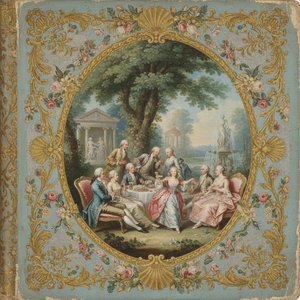
The Rococo Style: Aristocratic Leisure & the Pursuit of Delight in 18th-Century Art
Explore the opulent world of Rococo art! Discover Watteau, Boucher & Nattier's masterpieces. Expert insights for collectors seeking museum-quality reproductions and custom portraits at OriginalUniqueArt.

The Allure of Elegance in Art: A Historical & Aesthetic Exploration of Refinement & Grace
Explore the exquisite world of Rococo art! Discover its history, masters (Watteau, Boucher & more), and defining elegance. Expert insights for collectors seeking museum-quality reproductions & custom portraits.

Reflections of Power: Aristocratic Life in Western Art & the Rococo Era
Explore the captivating world of aristocratic life through Western art history. Discover Rococo masterpieces & portraits of European nobility. Expert insights for collectors and enthusiasts.


