 Преглед в реален мащаб
 Изпрати
 Сподели
 Детайли
 Ръководство

 Изтегляне
 Подобни артикули
 Рентгенова снимка
 Слайдшоу
 Въпроси и отговори
 Статистика
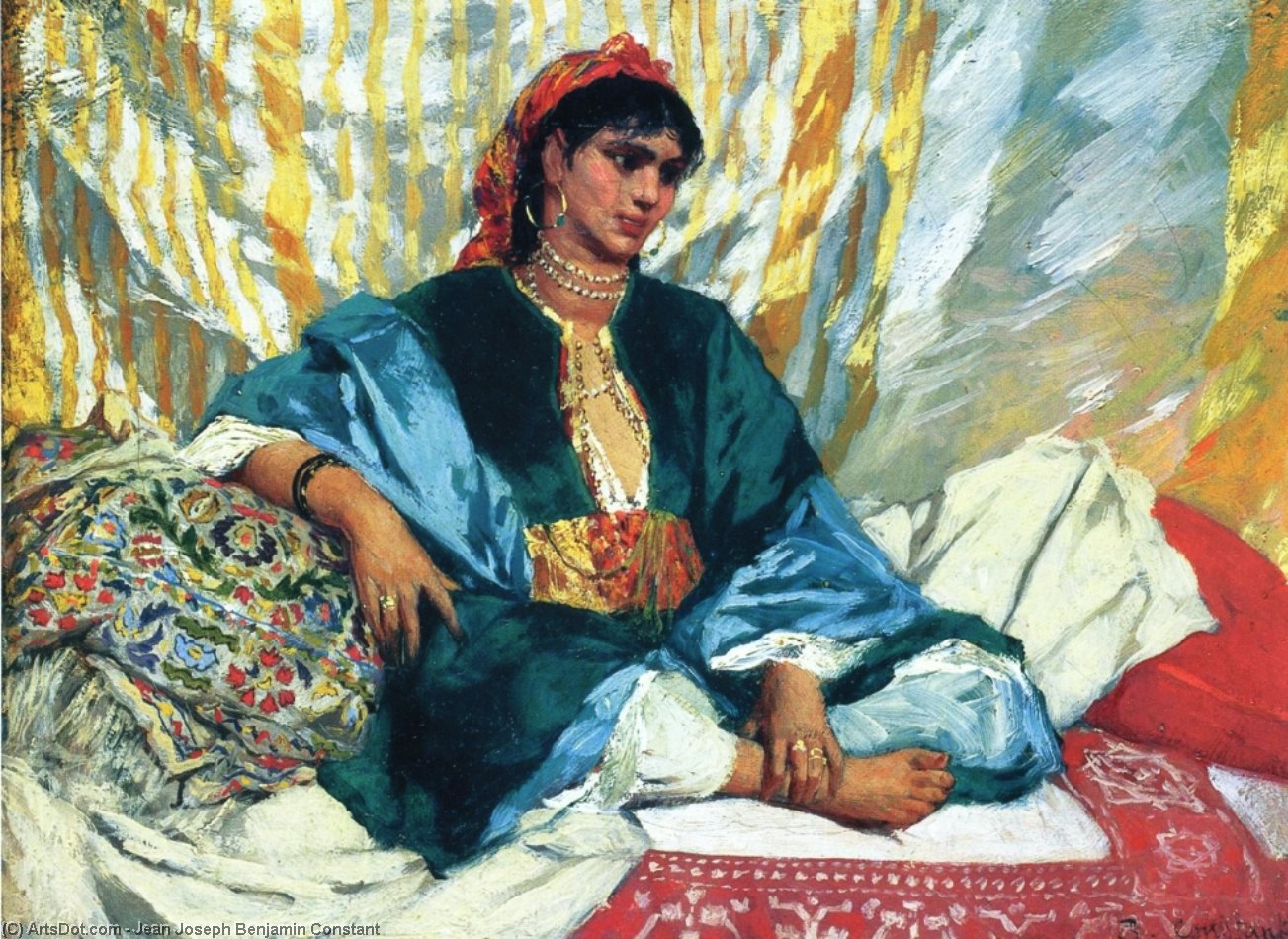
Odalisque


 Прочети повече
Жикле / Художествен принт
Giclée печат или принт върху платно с музейно качество, бързо производство и гъвкави опции за завършен вид. ( Купете ръчно рисувана картина Превключване към дигитално изображение)




P118B €10

P118H €10

P118W €10

P438Z €10

P508JH €12

P508YH €12

P805H €10

P805Z €10

P919BZ €10

P919G €10

P919XJ €10

P959ZH €10

P968JZ €12

W106C €8

W218G €10

W218JH €8

W218Y €10

W307PJ €10

W316G €10

W316PJ €8

W316Y €10

W398PJ €8

W4111J €10

W500HY €15

W500JH €15

W692G €12

W849H €8

W940BG €15

W953PJ €8




Изберете от нашите предварително зададени размери, които съответстват на оригиналните пропорции на произведението.

Въведете необходимата ширина и височина, за да паснат на вашата рамка или стена. Принтовете могат само да се изрязват, но никога не могат да бъдат по-големи от оригиналната картина, така че при размер с различен формат част от изображението ще бъде загубена. Преди да започнем печат, ще ви изпратим дигитален мок업 за одобрение. Изображението, показано на тази страница, не показва реалното изрязване — само мок업ът го показва.
Доставка по целия свят () в рамките на 2 седмици вместо стандартните 4/5 седмици. (5 Ноември)

Безплатна експресна доставка по целия свят

Висококачествено ленено платно

Пълно застраховане на доставката

Гаранция за възстановяване на митнически такси

Гаранция за пълно съответствие на цветовете

Политика за връщане в рамките на 100 дни (само при дефекти)

100% Гаранция за връщане на сумата

Оферта за отстъпка при поръчка на повече бройки
 Опцията със стъкло е налична само за размери под 110 см

Odalisque
Жикле / Художествен принт
Размер на репродукцията
-


Обща цена
€ 72
A Vision of Exotic Grace: Jean-Joseph Benjamin Constant’s Odalisque
The painting “Odalisque” by Jean-Joseph Benjamin-Constant stands as a quintessential emblem of Orientalism—a movement that captivated European artists and intellectuals throughout the late 19th century. More than just a depiction of beauty, it embodies a complex interplay of artistic convention and Romantic fascination with the sensual allure of Ottoman culture. Created in 1880, this masterpiece resides within the Baltimore Museum of Art’s collection, offering visitors an opportunity to immerse themselves in Constant's masterful execution and profound artistic vision.- Artist’s Background: Jean-Joseph Benjamin-Constant (1845–1902) emerged from the École des Beaux-Arts in Toulouse, where he honed his skills under Alexandre Cabanel—a lineage steeped in classical tradition. However, Constant's artistic trajectory took an extraordinary turn during his voyage to Morocco in 1872, sparking a lifelong devotion to capturing the exotic splendor of the Orient.
- Style and Technique: Employing oil on canvas, Constant skillfully blended academic precision with Romantic sensibilities. His brushstrokes are deliberate yet fluid, conveying both textural detail and an ethereal quality that elevates the scene beyond mere representation. The artist’s meticulous attention to light and shadow creates a palpable atmosphere of intimacy and contemplation.
- Subject Matter: At its core, “Odalisque” portrays a woman reclining gracefully on a bed or couch—a motif prevalent in Orientalist art. This pose harkens back to depictions of Venus and Aphrodite in classical sculpture, symbolizing feminine beauty and idealized repose. The woman is adorned in a sumptuous blue dress accented by a vibrant red scarf, reflecting the opulent fabrics favored in Ottoman harems.
- Symbolism: Beyond its aesthetic appeal, “Odalisque” carries symbolic weight. The gold necklace encircling her neck represents wealth and status—a visual shorthand for the privileged lifestyle enjoyed by women within the harem. Furthermore, the subtle gaze of the woman suggests a quiet confidence and awareness, hinting at themes of desire and contemplation.
- Historical Context: Produced during a period of intense European interest in Ottoman culture, “Odalisque” reflects broader anxieties about sexuality and exoticism. It exemplifies the Romantic movement’s preoccupation with emotion and imagination—transforming historical observation into evocative artistic expression.
OriginalUniqueArt.’s Reproduction Expertise
Recognizing the enduring allure of Constant's “Odalisque,” OriginalUniqueArt.com specializes in crafting exceptional handmade oil paintings that faithfully reproduce this iconic artwork. Utilizing premium pigments and meticulous techniques—inherited from a tradition spanning centuries—our artisans meticulously recreate the painting’s luminous colors and intricate details, ensuring that collectors and enthusiasts alike experience its original splendor.Discover More About Jean-Joseph Benjamin Constant
To delve deeper into the life and artistic legacy of Jean-Joseph Benjamin-Constant, visit OriginalUniqueArt.com. Explore his broader oeuvre—spanning portraits, landscapes, and genre scenes—to appreciate the breadth of his creative vision. Furthermore, explore the Baltimore Museum of Art’s collection on OriginalUniqueArt.com to gain invaluable insight into “Odalisque” within its artistic context.A Timeless Masterpiece
“Odalisque” transcends mere visual representation; it embodies a profound exploration of beauty, desire, and the transformative power of art. Its captivating composition—combined with Constant’s masterful command of technique—continues to inspire admiration and provoke contemplation decades after its creation. Experience the artistry of Jean-Joseph Benjamin Constant through OriginalUniqueArt.’s exquisite reproductions—a testament to enduring artistic excellence.Въпроси и отговори
Какъв е форматът на "Odalisque"?
„Odalisque“ на Жан-Жозеф Бенджамин-Констант е Landscape композиция. Пропорциите си заслужават да бъдат проверени преди избор на размер на принта.
Каква емоция предава „Odalisque“ на Жан-Жозеф Бенджамин-Констант?
Емоционалният тон, отбелязан за „Odalisque“ на Жан-Жозеф Бенджамин-Констант, е Melancholic. Той обобщава усещането, което произведението изразява.
Колко наситени са цветовете в „Odalisque“ на Жан-Жозеф Бенджамин-Констант?
„Odalisque“ на Жан-Жозеф Бенджамин-Констант демонстрира Vivid интензивност на цветовете.
Биография на художника
Jean-Joseph Benjamin-Constant: A Master of Exotic Visions
Jean-Joseph Benjamin-Constant, a name synonymous with the allure of the Orient and the precision of academic training, stands as a pivotal figure in 19th-century French art. Born in Paris in 1845, his artistic journey began within the hallowed halls of the École des Beaux-Arts in Toulouse, where he honed his skills under the tutelage of Alexandre Cabanel – an experience that instilled within him a profound respect for classical techniques and a meticulous attention to detail. This foundational period shaped not only his technical abilities but also his aesthetic sensibilities, laying the groundwork for his later explorations into the captivating world of Orientalism. Early works reflected this influence, showcasing a natural aptitude for dramatic composition rooted in historical painting, hinting at the grand narratives that would later define much of his oeuvre. However, it was a transformative voyage to Morocco in 1872 – an immersion into a realm brimming with vibrant colors, unfamiliar customs, and captivating light – that irrevocably altered the course of Benjamin-Constant’s artistic vision, igniting a lifelong passion for the exotic and setting him on a path toward becoming one of France's most celebrated Orientalist painters. This journey wasn’t merely a change of scenery; it was a profound encounter with a world that would forever shape his artistic perspective.The Moroccan Revelation: Capturing the Soul of a Land
Upon returning from Morocco, Benjamin-Constant embarked on a series of paintings that sought to capture not just the visual splendor of North Africa but also its very essence – its atmosphere, its spirit, and the lives of its people. These weren’t simply depictions of landscapes or portraits; they were evocations—attempts to translate the sensory richness of Morocco onto canvas. Paintings such as “Last Rebels,” “Justice in the Harem,” and “Moroccan Prisoners” quickly garnered attention, showcasing his remarkable talent for atmospheric detail and a keen ability to convey the emotional impact of his subjects. He possessed an uncanny gift for translating the scents of spices, the warmth of the sun, and the intricate patterns of textiles into visual form, creating works that were both visually stunning and deeply evocative. Beyond these intimate scenes of daily life, Benjamin-Constant also demonstrated his capacity for grand historical narratives, as evidenced by his monumental painting “The Entrance of Mahomet II into Constantinople,” a work that not only showcased his technical mastery but also reflected his fascination with power, justice, and the complexities of human interaction within a dramatic setting. His approach to Orientalist subjects was characterized by a desire to move beyond mere representation, seeking instead to capture the soul of the land and its people.Influences and Artistic Style: A Synthesis of Tradition and Romanticism
Benjamin-Constant’s artistic style was a complex synthesis of academic training and romantic sensibility. He initially benefited from the rigorous instruction he received at the École des Beaux-Arts, mastering classical techniques of drawing, composition, and color theory. However, his experiences in Morocco profoundly influenced his approach to painting, leading him to embrace a more expressive and emotionally charged style. He drew inspiration from a diverse range of sources – including the works of Delacroix, Rubens, and Watteau – incorporating elements of Romanticism into his paintings while maintaining a strong grounding in academic principles. This combination resulted in works that were both technically proficient and deeply evocative, capturing not only the visual details of his subjects but also their emotional atmosphere. His use of color was particularly noteworthy, employing rich, vibrant hues to create a sense of drama and intensity, and he skillfully manipulated light and shadow to heighten the impact of his compositions.Beyond Portraits: Mural Decoration and Monumental Works
Around 1880, Benjamin-Constant’s artistic focus underwent a significant shift. While his Orientalist paintings had established him as a rising star within the Parisian art world, he began to dedicate himself increasingly to mural decoration and monumental works. This transition wasn't a departure from his artistic principles but rather an expansion of them—a demonstration of his versatility and adaptability. He brought the same meticulous attention to detail and dramatic flair that characterized his earlier work to these new endeavors, creating large-scale paintings that adorned prestigious buildings throughout France. His murals for the Hall of the Capitol in Toulouse, the City Hall of Paris, and the National Theater of the Opera Comique showcased his skill in depicting complex scenes with numerous figures, generating dynamic compositions that drew viewers into a world of bustling activity and civic pride. This ability to handle grand scale and intricate detail led to commissions from some of the most prominent figures of the era, further solidifying his reputation as a versatile and accomplished artist.Recognition and Legacy: A Lasting Impression
Throughout his career, Benjamin-Constant received numerous accolades for his artistic achievements. He was awarded a medal of honor at the Salon in 1896 for “Mons Fils André,” a testament to his enduring skill and innovation. His election to the Institute in 1893 and subsequent appointment as a Commander of the Legion of Honor further underscored his standing within the French art establishment. Today, Benjamin-Constant’s work is represented in prestigious collections worldwide – including the Metropolitan Museum of Art, the Musée des Augustins in Toulouse, and the U.S. National Gallery of Art in Washington D.C. – ensuring that his artistic vision continues to inspire and captivate audiences for generations to come. Benjamin-Constant’s legacy lies not only in his technical mastery but also in his ability to synthesize academic training with a romantic sensibility. He created compelling works that captured both the grandeur of historical narratives and the alluring mystique of distant lands, establishing himself as an important figure in 19th-century French art. He remains celebrated for his evocative depictions of Orientalist themes and his remarkable versatility as an artist.
Жан-Жозеф Бенджамин-Констант
1845 - 1902 , Франция
Бърза информация
- Artistic Movement Or Style:
- Ориентализъм
- Академичен стил
- Artists Or Movements Influenced By This Artist: ['Египетски стил']
- Artists Who Influenced This Artist:
- Делакруа
- Кабанел
- Жермер
- Date Of Birth: 10 юни 1845
- Date Of Death: 26 май 1902
- Full Name: Jean-Joseph Benjamin-Constant
- Nationality: Френски
- Notable Artworks:
- Последен бунт
- Правосъдие в харема
- Марокански затворници
- Влизане на Мехмед II в Константинопол
- Place Of Birth: Париж, Франция
Свързани статии

Crimson Threads of Narrative: Exploring Symbolism & Representation in Artworks Featuring the Red Dress
Explore the rich symbolism of the red dress in art history! From ancient power displays to iconic portraits like Cézanne’s 'Madame Cezanne', discover the cultural and artistic significance behind this captivating color. Expert analysis & insights.

Топ 10 шедьовъра в нюансите на синьото: Изкуство за вашия дом от OriginalUniqueArt.com
Разгледайте топ 10 шедьовъра в нюансите на синьото – от Моне до Ван Гог! Открийте историите зад картините, техниките и значението им. Купете висококачествени репродукции на OriginalUniqueArt.com и превърнете дома си в галерия.

Топ 10 шедьоври от XIX век: Изкуство, история и красота за вашия дом
Потопете се в блясъка на 19 век с нашия списък от топ 10 шедьоври! От импресионизма до реализма, разгледайте историите зад Моне, Ван Гог и други велики художници. Купете висококачествени репродукции за вашия дом на OriginalUniqueArt.com
Azure Visions: Exploring Representations of the Blue Dress in Western Art History
Explore the rich history of the blue dress in Western art! Discover its symbolism, from Renaissance masterpieces to modern interpretations by artists like Martin & Schiele. Uncover cultural meanings and artistic techniques.

The Allure of Azure: Exploring the Symbolic & Aesthetic Depths of Blue in Art History
Explore the rich history of blue in art! Discover its symbolism, from ancient pigments to modern masterpieces by Kandinsky & Seurat. Uncover the psychological impact and cultural meanings behind this captivating hue.
