 Представи си го
 Изпрати
 Сподели
 Детайли

 Изтегляне
 Подобни
 Рентгенова снимка
 Слайдшоу
Rest on the Flight


 Прочетете повече
Ръчно изработена маслена репродукция
Ръчно рисувана маслена картина върху платно във вашия размер и рамка, изработена по поръчка от нашите художници. ( Купете принт Купете изображение)




P118B $10

P118H $10

P118W $10

P438Z $10

P508JH $12

P508YH $12

P805H $10

P805Z $10

P919BZ $10

P919G $10

P919XJ $10

P959ZH $10

P968JZ $12

W106C $8

W218G $10

W218JH $8

W218Y $10

W307PJ $10

W316G $10

W316PJ $8

W316Y $10

W398PJ $8

W4111J $10

W500HY $15

W500JH $15

W692G $12

W849H $8

W940BG $15

W953PJ $8




Изберете от предварително зададените размери, които съответстват на оригиналните пропорции на произведението.

Можете да въведете свои собствени размери, за да пасне на конкретна рамка или пространство. Ако избраният от вас размер не съответства на пропорциите на оригиналното изображение, ние ще изрежем произведението или ще удължим картината с допълнителни ръчно рисувани елементи. Дигитален макет ще бъде изпратен за ваше одобрение преди започване на производството.
Моля, обърнете внимание, че прегледът на екрана не отразява действителното изрязване или разширяване. Само макетът ще покаже точно финалния състав.
Въпреки че са налични персонализирани размери, препоръчваме да изберете размер от предварително дефинирания списък, за да запазите оригиналните пропорции.
След поръчка, екипът на OriginalUniqueArt.com ще изпрати имейл на клиента за инструкции и ще предостави преглед на макет.
Доставка по целия свят () в рамките на 3/4 седмици вместо стандартните 5 седмици. (19 Август). Без компромис с качеството.

Безплатна експресна доставка по целия свят

Висококачествено ленено платно

Пълно застраховане при доставка

Гаранция за възстановяване на митнически такси

Гаранция за цветова точност

60-Дневен период за връщане (Само при дефекти)

100% Гаранция за връщане на парите

Предложение за отстъпка при поръчка на едро
 Стъклото е налично само в размери под 110 см

Rest on the Flight
Репродукционен метод
Размер на репродукцията
-


Обща цена
$ 300
Описание на произведението
A Vision of Rococo Serenity
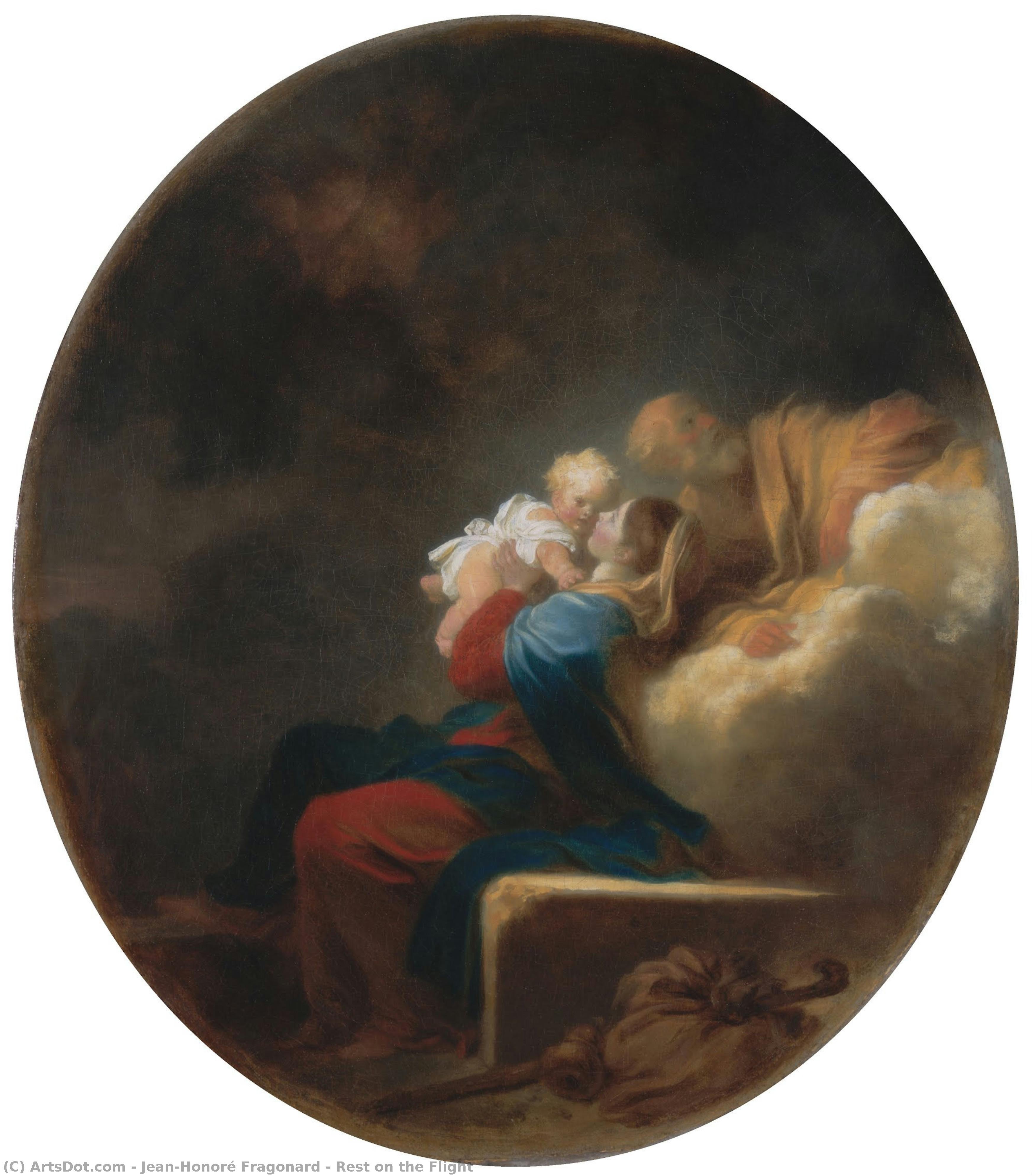
In the soft, luminous glow of Jean-Honoré Fragonard’s “Rest on the Flight into Egypt,” we are invited into a world where the boundaries between the divine and the earthly dissolve into a dreamlike haze. Created around 1774, this masterpiece serves as a breathtaking window into the heart of the Rococo era—a period defined by its pursuit of grace, elegance, and an almost ethereal lightness of being. The painting captures a moment of profound stillness amidst a journey of great significance; it is a scene that breathes with the quiet intimacy of a family finding sanctuary. As the eye wanders through the lush, verdant surroundings, one feels the gentle pulse of a world where even the most sacred narratives are draped in the velvet textures of aristocratic leisure and romantic idealism.
The composition is a masterclass in balanced harmony, guiding the viewer through a narrative that is as much about emotion as it is about biblical history. At the center of this pastoral sanctuary, the Holy Family reclines upon opulent cushions, their forms bathed in a soft, diffused light that seems to emanate from within the landscape itself. The presence of a young boy, playfully interacting with a bird amidst the flowering shrubs, injects a sense of innocent vitality into the scene, reminding us of the fleeting beauty of youth and nature. This interplay between the monumental weight of the flight into Egypt and the delicate, momentary joy of a child creates a poignant tension, transforming a religious subject into a universal celebration of peace and familial tenderness.
The Mastery of Light and Brushwork
To behold a Fragonard is to witness the dance of the brush in its most liberated form. The artist’s technique is characterized by an extraordinary fluidity, where every stroke feels spontaneous yet remains meticulously placed to achieve a sense of atmospheric depth. He employs the hallmark of the Rococo style—loose, expressive brushwork—to create an effect that is almost impressionistic in its ability to capture light and movement. There is a palpable texture to the foliage and the heavy drapery, achieved through a sophisticated layering of pastel hues. Pale pinks, soft blues, and luminous greens blend seamlessly, creating a palette that feels both airy and rich, perfect for evoking the sensory delights of a summer afternoon.
For the discerning collector or interior designer, this painting offers more than mere decoration; it provides an emotional anchor for a space. The subtle interplay of light and shadow within the garden pavilion creates a sense of three-dimensional intimacy that can transform a room into a sanctuary of calm. Whether placed in a grand salon or a quiet study, the artwork’s ability to evoke nostalgia and tranquility makes it a timeless choice. It is a piece that invites long periods of contemplation, rewarding the viewer with new details—the shimmer of a leaf, the softness of a cheek, or the delicate flutter of a bird—each time they encounter its enchanting, sun-drenched world.
Биография на художника
A Life Bathed in Light: The World of Jean-Honoré Fragonard
Born amidst the fragrant fields of Grasse, France, in 1732, Jean-Honoré Fragonard’s artistic journey began not with grand ambition but a quiet relocation to Paris with his family. It was there, under the initial guidance of Jean Siméon Chardin – a master of everyday life and subtle observation – that young Fragonard first encountered the possibilities of paint and canvas. However, it was within the atelier of François Boucher, the celebrated painter to the court of Louis XV, that his true stylistic foundations were laid. Boucher’s influence instilled in Fragonard a love for graceful forms, delicate colors, and the playful spirit that would come to define his oeuvre. Winning the prestigious Prix de Rome in 1752 marked a pivotal moment, affording him the opportunity to immerse himself in the classical world of Italy for several years. This period wasn’t merely about copying ancient masters; it was an awakening – a chance to absorb the vibrancy and sensuality that would later infuse his own unique vision.The Rococo Master: A Celebration of Pleasure and Intrigue
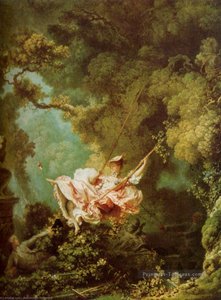
Upon returning to Paris, Fragonard swiftly established himself as a leading figure in the burgeoning Rococo movement. This wasn’t simply about adopting a style; it was about embodying an entire worldview – one that celebrated pleasure, intimacy, and the fleeting beauty of life. His paintings weren't intended for grand public display but rather for the private salons of aristocrats seeking works that whispered secrets and hinted at hidden desires. *The Swing*, perhaps his most iconic creation, perfectly encapsulates this spirit. A young woman playfully kicks off her shoe as a bishop pushes her swing, while a hidden lover gazes up from below – it’s a scene brimming with mischievous energy and veiled eroticism. Other works like *The Bolt* and *Love Vow* continue this exploration of clandestine encounters and the delicate dance between attraction and restraint. Fragonard didn't merely depict scenes of love; he created an atmosphere, a mood – one that was both alluring and slightly dangerous. His brushwork became increasingly fluid and spontaneous, capturing not just appearances but also the very essence of fleeting moments. He skillfully blended light and shadow, creating a sense of movement and drama within his compositions, while his use of pastel colors evoked a feeling of lightness and airiness.Beyond the Salon: Experimentation and Evolving Styles
While Fragonard achieved considerable success within the established art world, he wasn’t one to remain confined by its conventions. He experimented with different genres and techniques throughout his career, demonstrating a remarkable versatility. His early attempts at history painting, though initially praised, didn't fully satisfy him; he found greater freedom in exploring more intimate and personal subjects. A brief flirtation with Neoclassicism – evident in portraits like that of Denis Diderot – showcased his willingness to engage with contemporary artistic trends, but it was the Rococo sensibility that ultimately defined his legacy. He also excelled as a draftsman, producing countless sketches and drawings that reveal his masterful command of line and form. These weren’t merely preparatory studies; they were often works of art in their own right, capturing fleeting impressions and intimate moments with remarkable sensitivity. His drawings are characterized by a loose, expressive style, reflecting his fluid approach to painting.Influences and Artistic Connections
Fragonard's artistic development was shaped by a number of key influences. The meticulous observation and subtle realism of Jean Siméon Chardin provided him with a foundation in depicting everyday life, while François Boucher’s opulent style and mastery of color instilled in him a love for decorative effects and theatrical composition. The Italian Renaissance, particularly the works of artists like Raphael and Titian, profoundly impacted his understanding of perspective, anatomy, and the use of light and shadow. He was also deeply influenced by the work of Rubens, whose dynamic brushwork and sensual depictions of figures served as an inspiration for Fragonard’s own approach to painting. Furthermore, he maintained close relationships with other prominent artists of his time, including Jean-Honoré Lormes, who collaborated with him on several projects.A Legacy Enduring Through Time
The French Revolution brought a dramatic shift in artistic tastes, and Fragonard's lighthearted, aristocratic style fell out of favor. He retreated to his hometown of Grasse for a time, returning to Paris only after the political turmoil subsided. Though he held administrative positions at the Louvre during this period, his creative output diminished. However, his influence continued to resonate through subsequent generations of artists. His emphasis on color, light, and sensuality paved the way for Impressionism, while his playful spirit and rejection of academic constraints inspired a more liberated approach to artmaking. Today, Fragonard’s works are celebrated in museums around the world – from the Louvre in Paris to the National Gallery of Art in Washington D.C. His paintings continue to captivate audiences with their beauty, wit, and enduring appeal, reminding us of a time when life was meant to be savored, and pleasure was considered an art form itself.Notable Works & Collections
- The Swing (L'Escarpolette): Wallace Collection, London – A quintessential example of Rococo exuberance.
- The Bolt: View on OriginalUniqueArt - A captivating scene of domestic intrigue and playful tension.
- Love Vow: Discover more about Fragonard’s works on OriginalUniqueArt – A tender depiction of romantic commitment.
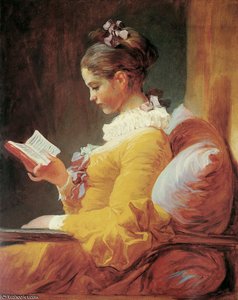
- Young Girl Reading: Featured in artworks databases, showcasing his mastery of portraiture and light.
- Works are also prominently displayed at the Musée du Louvre, Grasse Cathedral, The Metropolitan Museum of Art, and The Frick Collection.

Жан Оноре Фрагонар
1732 - 1806 , Франция
Бързи факти
- Artistic Movement Or Style: Рококо
- Artists Or Movements Influenced By This Artist:
- Неокласицизъм
- Барок
- Artists Who Influenced This Artist:
- François Boucher
- Charles-André van Loo
- Date Of Birth: 4 април 1732
- Date Of Death: 22 август 1806
- Full Name: Jean-Honoré Fragonard
- Nationality: Френски
- Notable Artworks:
- Люлката
- Млада жена с книга
- Роза Аделаида Дюкруа
- Place Of Birth: Грас, Франция
Всички статии

Топ 10 шедьоври на Рококото: Изкуство за вашия дом от OriginalUniqueArt.com
Разгледайте топ 10 шедьоври на Рококото – Вато, Буше, Фрагонар и други! Открийте историите зад тези емблематични картини и вдъхнете елегантност във вашия дом с репродукции от OriginalUniqueArt.com. Разгледайте пълната колекция онлайн.

The Elegance of Rococo: A Journey Through Pastel Dreams and Ornate Splendor
Embark on an elegant journey through the Rococo era. Discover the delicate beauty of pastel masterpieces, the intricate artistry of 18th-century French masters, and how this era of ornate splendor continues to inspire timeless luxury in fine art collecting.

The Rococo Aesthetic: Opulence, Rebellion & the Pursuit of Pleasure in 18th-Century Art
Explore the opulent world of Rococo art! Discover its origins, key artists like Watteau & Boucher, and lasting influence on design. Expert insights for collectors & enthusiasts.
The Rococo Reverie of Fragonard: Love, Leisure & Pleasure in 18th-Century France
Explore the captivating world of Jean-Honoré Fragonard! Discover his Rococo masterpieces, intimate portraits & the allure of 18th-century French art. Learn about 'The Progress of Love' and more at OriginalUniqueArt.
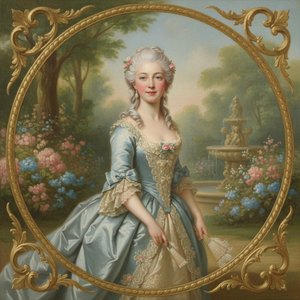
The Elegance of Rococo Portraiture: A Journey Through Grace, Soft Light, and Pastel Dreams
Discover the exquisite world of Rococo portraiture. Explore the delicate beauty of 18th-century French art, from pastel light to graceful asymmetry, and learn how to bring this era of elegance into your home through masterfully hand-painted oil reproductions.