
 Преглед в реален мащаб
 Изпрати
 Сподели
 Детайли
 Ръководство

 Изтегляне
 Подобни артикули
 Рентгенова снимка
 Слайдшоу
 Въпроси и отговори
 Статистика
Self-Portrait

- 61.0 x 49.0 cm


 Прочети повече
Жикле / Художествен принт
Giclée печат или принт върху платно с музейно качество, бързо производство и гъвкави опции за завършен вид. ( Купете ръчно рисувана картина Превключване към дигитално изображение)




P118B €10

P118H €10

P118W €10

P438Z €10

P508JH €12

P508YH €12

P805H €10

P805Z €10

P919BZ €10

P919G €10

P919XJ €10

P959ZH €10

P968JZ €12

W106C €8

W218G €10

W218JH €8

W218Y €10

W307PJ €10

W316G €10

W316PJ €8

W316Y €10

W398PJ €8

W4111J €10

W500HY €15

W500JH €15

W692G €12

W849H €8

W940BG €15

W953PJ €8




Изберете от нашите предварително зададени размери, които съответстват на оригиналните пропорции на произведението.

Въведете необходимата ширина и височина, за да паснат на вашата рамка или стена. Принтовете могат само да се изрязват, но никога не могат да бъдат по-големи от оригиналната картина, така че при размер с различен формат част от изображението ще бъде загубена. Преди да започнем печат, ще ви изпратим дигитален мок업 за одобрение. Изображението, показано на тази страница, не показва реалното изрязване — само мок업ът го показва.
Доставка по целия свят () в рамките на 2 седмици вместо стандартните 4/5 седмици. (15 Ноември)

Безплатна експресна доставка по целия свят

Висококачествено ленено платно

Пълно застраховане на доставката

Гаранция за възстановяване на митнически такси

Гаранция за пълно съответствие на цветовете

Политика за връщане в рамките на 100 дни (само при дефекти)

100% Гаранция за връщане на сумата

Оферта за отстъпка при поръчка на повече бройки
 Опцията със стъкло е налична само за размери под 110 см

Self-Portrait
Жикле / Художествен принт
Размер на репродукцията
-


Обща цена
€ 72
Jean-Étienne Liotard’s “Self-Portrait,” A Window into Rococo Introspection
The year 1744 marks a pivotal moment in the artistic trajectory of Jean-Étienne Liotard, a Genevan painter whose oeuvre is defined by an exquisite blend of naturalism and ethereal beauty. His “Self-Portrait,” housed within the hallowed halls of the Uffizi Gallery in Florence, isn’t merely a depiction of a man; it's a carefully constructed meditation on identity, perception, and the delicate balance between the observed world and the inner self. Painted during his period in Rome, this pastel masterpiece exemplifies Liotard’s signature style – a luminous, almost dreamlike quality achieved through masterful layering and an unparalleled sensitivity to light and texture.
Liotard's technique is immediately striking. He eschews the rigid formality of traditional portraiture, opting instead for a relaxed pose and a gaze that feels both direct and contemplative. The pastel medium itself—a relatively new tool in 18th-century art—allowed Liotard to build up color with astonishing subtlety, creating an effect akin to sfumato, the hazy blurring technique perfected by Leonardo da Vinci. Notice how he employs delicate washes of pinks, blues, and greens to capture the nuances of light on his face and clothing, imbuing the portrait with a sense of atmospheric depth. The background, rendered in loose, impressionistic strokes, isn’t merely decorative; it subtly reinforces the feeling of introspection, suggesting an inner landscape mirroring the sitter's thoughts.
A Genevan Artist Embraces the Orient
Born in Geneva in 1702, Liotard’s early life was shaped by his Huguenot heritage and a rigorous artistic training under esteemed miniaturists. However, it was his sojourn to Constantinople between 1738 and 1742 that profoundly influenced his artistic vision. Immersed in the vibrant culture of the Ottoman Empire, he developed a fascination with Eastern aesthetics – particularly the use of rich colors, luxurious fabrics, and the portrayal of everyday life. This influence is subtly present in “Self-Portrait,” not through overt Orientalist tropes, but rather through the overall mood of serenity and an appreciation for tactile textures. The loose brushwork and soft color palette evoke a sense of exoticism without resorting to stereotypical imagery.
Interestingly, Liotard’s embrace of the East wasn't solely aesthetic; it was also deeply personal. He deliberately adopted Turkish dress in his portraits, a conscious decision that challenged European conventions and established him as a unique figure within the art world. This choice, documented in numerous accounts, reflected not just an artistic preference but a genuine engagement with a culture vastly different from his own. It’s a testament to Liotard's intellectual curiosity and willingness to transcend conventional boundaries.
Symbolism of Inner Reflection
Beyond its technical brilliance, “Self-Portrait” is rich in symbolic meaning. The sitter’s direct gaze invites the viewer into his world, fostering a sense of intimacy and shared contemplation. The slightly parted lips suggest a quiet amusement, while the subtle furrow of his brow hints at underlying thoughts and emotions. Some art historians have interpreted the portrait as an exploration of the concept of “inner space”—a realm where the self is revealed through careful observation and artistic representation.
The inclusion of a small, partially visible book in the foreground adds another layer of complexity. It’s a subtle nod to Liotard's own intellectual pursuits – his studies of art theory and his role as an art dealer. The book symbolizes knowledge, reflection, and the pursuit of understanding—qualities that are central to the portrait’s overall message. The soft lighting and hazy atmosphere further contribute to this sense of introspection, creating a space where the viewer is invited to contemplate not just the subject's appearance but also his inner world.
A Timeless Masterpiece for Collectors
Liotard’s “Self-Portrait” remains a captivating work of art, offering a rare glimpse into the mind and soul of a remarkable artist. Its delicate pastel technique, evocative atmosphere, and profound symbolism continue to resonate with viewers centuries after its creation. A high-quality reproduction captures much of this beauty, making it an ideal addition to any collection or interior space. The painting’s luminous quality and contemplative mood create a sense of serenity and intellectual engagement—a perfect choice for those seeking art that transcends mere decoration.
Въпроси и отговори
Какво настроение и емоция изразява „Self-Portrait“ на Жан-Етьен Лиотар?
Записаното настроение на „Self-Portrait“ на Жан-Етьен Лиотар е Elegant, а неговият емоционален тон е Reflective.
Мога ли да използвам добавена реалност, за да видя „Self-Portrait“ на Жан-Етьен Лиотар в моята стая?
Страницата за AR преглед на Преглед с AR за произведението „Self-Portrait“ на Жан-Етьен Лиотар използва добавена реалност, за да покаже творбата във вашето собствено пространство чрез съвместимо устройство.
Кой е доминиращият цвят на „Self-Portrait“ на Жан-Етьен Лиотар?
Цветът, който се отличава най-силно в „Self-Portrait“, е Clay (#a67555). Доминиращият цвят е полезен при съчетаването на произведение на изкуството с интериора.
Биография на художника
Ранен живот, семейство и обучение
Жан-Етьен Лиотар се явява на този свят на 22 декември 1702 г. в Женева, Швейцария. Роден е в семейство от френски протестанти, които са потърсили убежище в Женева след събитията от 1685 г. С него се е родил и брат близнак, Жан-Мишел, който по-късно ще избере своя собствен път като чертач и гравър. Тази ранна среда, оформена от преместването на родителите му, му осигурява спокойна и дисциплинирана основа за следващите години на интензивно обучение.
Неговото официално обучение започва в Женева под внимателните очи на професорите Даниел Гардел и Петито. Именно в тези първоначални уроци той за първи път овладява деликатните прецизирани детайли на емайла и миниатюрната живопис – техники, които изискват непоколебима ръка и изключително остро око за детайла. Тези същински години полагат техническата прецизност, която ще дефинира неговото по-късно творчество, дълго преди той да потърси по-широки хоризонти отвъд швейцарските граници.
През 1725 г. младият артист се премества в Париж, за да продължи развитието си. Той прекарва три години в работилницата на Жан-Бътист Масе – период, характеризиран по-скоро с професионален труд, отколкото с формален ученически стаж. През това време той работи като асистент, създавайки множество копия на съществуващи произведения, за да осигури препитанието си. Това практическо потапяне в парижката арт сцена му осигурява необходимия опит с господстващите вкусове на епохата, подготвяйки го за пътешествията, които в крайна сметка ще го отведат към Османската империя.
Живот и дейност в Константинопол
Престоят на Жан-Етьен Лиотар в Константинопол, започнал през 1738 г. и продължил четири години, коренно променя траекторията на неговата кариера. Погълнат от атмосферата на Османската империя, той развива дълбоко очарование към източната естетика. Това не беше просто мимолетно любопитство към екзотиката; той се стремеше да разбере текстурите и цветовете на една култура, толкова далечна от неговите женевски корени. Неговите наблюдения бяха изключително прецизни, фокусирани върху тишината на домашния живот и спецификите на местните обичаи.
Той не се ограничаваше само до наблюдение от периферията. Лиотар приема местния начин на живот, като често носи турско облекло в ежедневието си. Този избор на дрехи беше толкова постоянен, че в крайна сметка той печели прозвището „турският живописец“. Интегрирайки се в социалната тъкан на града, той получава достъп до интимни сцени, които един обикновен пътуващ никога не би могъл да проучи. Неговите пастели от този период улавят тези домашни интериори с усещане за автентично присъствие, надхвърляйки повърхностността, която често се среща в съвременните ориенталистки творби.
- Турска жена с тамбурин (1738)
- Седящ турок (около 1740 г.)
Техника и художествен стил
Подходът на Жан-Етьен Лиотар към изкуството е коренило в неговото непоколебимо предателство към натурализма. В своя трактат, Traité des principes et des règles de la peinture, той твърди, че предназначението на живописа е да служи като огледало на природата. Тази философия направляваше ръката му, независимо дали работи с масло, гравюра или своя най-характерен медиум – пастел. Той се стреми да улови света с прецизност, която избягваше изкуствеността, често срещана в портретната живопис на неговата епоха.
Неговото майсторство при работа с пастел му позволяваше да постигне луминисценция, която малцина от съвременниците му биха могли да репликират. Той не просто размазваше цвета по повърхността; той притискаше пастела с сила към основата си, за да изгради дълбочина на тона. Тази техника изискваше специфична подготовка на материалите му. Често той работеше върху велен – телешка, кози или агня кожа, която е била обработена с mixture от рибено лепило, вино и фин пукос, за да се създаде необходимата текстура за неговото многослойно нанасяне на цвят.
Тази техническа прецизност се разкрива в способността му да предава фините текстури на тъканите и меките нюанси на човешката кожа. Неговите портрети са известни със своето поразително детайлно изпълнение, улавящо специфичния характер на модела чрез деликатно управление на светлината. Докато пътешествията му му осигуряваха екзотични сюжети, неговият метод оставаше фокусиран върху истинското, честно наблюдение на неговите модели.
Значими творби и шедьоври
Годината 1744 се оказва преломен момент за творческия му път, белязана от създаването на „Момичето с шоколад“ и забележителния „Автопортрет“. Последният, съхраняван днес в Galleria degli Uffizi във Флоренция, ни предлага прозорец към неговата собствена идентичност, пресъздадена чрез нежността на пастела. В това произведение той използва материала, за да изгради цвета с фина, многослойна техника, която постига усещане за атмосферен дълбочина. Способността му да улови нюансите на светлината и текстурата му позволява да се откъсне от сковатата формалност, която често се среща в традиционния портрет на тази епоха.
Свързаността му с интелектуалните среди на Европа е ярко проявена в „Портрет на Франческо Алгароти“, завършен през 1745 г. Тази пастелна творба улавя субекта с една текуча, луминистична качественост, подчертавайки характера на философа чрез деликатни тонални преходи. По същия начин, неговото майсторство при изобразяването на млади субекти се разкрива в „Портрет на Мария Фредерике ван Реде-Атлон на седемгодишна възраст“ – произведение, съхранено в Музея „Дж. Пол Гети“ в Лос Анджелис. Тези портрети демонстрират изключителен капацитет за балансиране на физическото сходство с усещането за живо присъствие на портретирания.
В по-късните етапи от кариерата си фокусът на Жан-Етьен Лиотар се разширява, включвайки пейзажите на родния му регион. През 1770 г. той създава „Гледката към масива Мон Блан от ателието на художника в Женева, с автопортрет“. Тази картина, изработена с масло върху платно, представя панорама на швейцарските Алпи през голям прозорец, сливайки външното величие на планините с тихата, вътрешна атмосфера на неговото работно пространство. Тя остава значителен пример за неговата способност да съчетава реализма с мек, почти импресионистки подход към светлината и дистанцията.
Последни години и смърт
Последните десетилетие от живота на Жан-Етьен Лиотар бе белязано от преход от наблюдателната прецизност на ранните му години към по-теоретично осмисляне на своето занаятческо майсторство. През 1781 г. той публикува своя трактат, Traité des Principes et règles de la Peinture, произведение, което се стреми да кодифицира съществените стандарти на неговата професия. Това издание отразява цял живот технически проучвания, надхвърлящи простото имитиране на формата, за да се докосне до фундаменталните принципи на художествения медиум.
Дори когато интересите му се насочат към интелектуалните основи на изкуството, ръката му остава активна в ателието. Той не изоставя физическия акт на творечество, продължавайки да създава натюрморти и пейзажи в по-късните си години. Тези по-късни творби, често фокусирани върху тишината на природата или подреждането на предмети, осигуряваха постоянен творчески поток до جانب неговите по-известни портрети. Той остана човек на ателието до самия край.
В крайна сметка Жан-Етьен Лиотар се завръща към своите корени в Женева, градът, в който е роден на търговеца Антуан и Ан Соваж. Той остава в този познат пейзаж до смъртта си на 12 юни 1789 г. Неговата кончина настъпва в прага на една променяща се ера, оставяйки след себе си богато наследство от творби, които мостят разликата между прецизния детайл на началото на осемнаесети век и променящите се вкусове на късната Епоха на просвещението.
Къде могат да се видят творбите му днес
Разпределението на творчеството на Жан-Етьен Лиотар из Европа и отвъд него позволява разнообразно проучване на неговата техническа прецизност. Rijksmuseum в Амстердам притежава най-голямото присъствие на негови произведения, съхранявайки тринадесет екземпляра, които отразяват неговото виртуозно владеене на медиума. В Лондон Royal Collection пази десет негови творби, предлагайки прочит на портретите, които някога са циркулирали сред британската елита. За тези, които търсят неговите по-интимни изследвания, Musée d'Art et d'Histoire в Женева притежава значителна колекция от неговите пастели и рисунки.
Неговото присъствие в големите международни институции остава стабилно. Музеят J. Paul Getty в Лос Анджелис притежава четири от неговите произведения, докато Галерия Уфици във Флоренция съхранява неговия Автопортрет от 1744 г. Тези творби, разпръснати от швейцарските Алпи до Средиземноморието, предоставят физическа карта на един живот, прекаран в движение между центровете на европейската и османската култура.
- 1744: Автопортрет - Galleria degli Uffizi, Флоренция
- 1744: Момичето с шоколад - Gemäldegalerie, Дрезден
- 1754: Портрет на принц Едуард, херцог от Йорк и Албани - Royal Collection, Лондон
- 1756: Портрет на Мария Фредерика ван Реде-Атлон на седемгодишна възраст - Музей J. Paul Getty, Лос Анджелес

Жан-Етьен Лиотар
1702 - 1789 , Швейцария
Бърза информация
- Artists Who Influenced This Artist:
- Даниел Гардел
- Петито
- Жан-Бътист Масе
- Франсоа Льомейн
- Date Of Birth: 1702
- Date Of Death: 1789
- Full Name: Жан-Етьен Лиотар
- Nationality: Швейцарец
- Notable Artworks:
- Холандка на закуска
- Четенещата
- Момичето с шоколад
- Красивата лиоанска
- Мария Фредерике ван Реде-Атлоун на седем
- Place Of Birth: Женева, Швейцария
Свързани статии

The Introspective Gaze: Tracing the Evolution and Psychological Depth of the Self-Portrait
Explore the psychological evolution of self-portraiture from Dürer to modern masters. Trace the history of the human gaze with us.
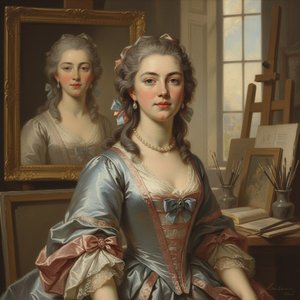
Jean-Étienne Liotard: Rococo Portraiture & the Pursuit of Naturalism
Explore the exquisite Rococo portraits of Jean-Étienne Liotard, a master of pastel and enamel. Discover his innovative techniques, captivating Turkish scenes, and lasting influence on art history. Learn more at OriginalUniqueArt.

Jean-Marc Nattier: Rococo Portraiture & Aristocratic Patronage
Explore the exquisite Rococo portraits of Jean-Marc Nattier, favored by French aristocracy. Discover his artistic techniques, patronage network, and lasting legacy – a guide for discerning collectors.

Beyond Decor: How Custom Historical Portraits Redefine Modern Self-Expression
Discover how custom historical portraits transcend decor to become profound expressions of identity. Explore the artistry of bespoke oil reproductions, from Renaissance mastery to modern reimagining, and learn to transform personal legacies into museum-quality fine art masterpieces.

25 Iconic Masterpieces by Henri de Toulouse-Lautrec: Capturing the Spirit of Montmartre
Step into the vibrant nightlife of Montmartre with our curated guide to the top 25 Henri de Toulouse-Lautrec masterpieces. Explore the soul of Post-Impressionism through iconic prints and museum-quality reproductions. Discover all masterpieces on OriginalUniqueArt.com.
